
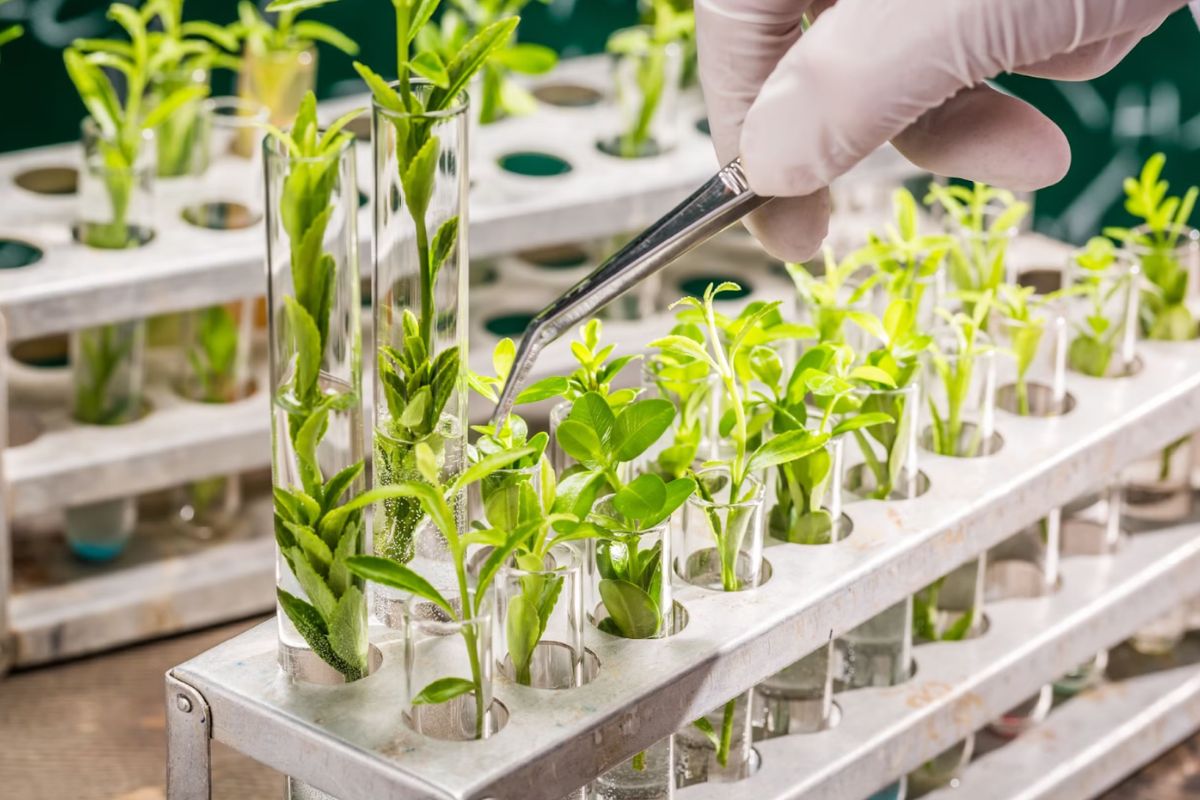
The interest in improving crop performance has evolved into an approach that is no longer limited solely to plant genetics.
Today, the physical structure in which a crop develops has become a decisive factor in achieving more stable, productive plants that adapt well to different environments.
In this new context, many people are beginning to understand that high-quality seed genetics such as those from Blimburn Seeds can only reach their full potential when the building is designed to support controlled cycles and consistent conditions.
For that reason, specialized construction models are gaining prominence in agricultural projects, both domestic and professional.
Why Is The Building Structure Key To Crop Performance?
When analyzing how modern crops work, it becomes clear that the architecture of the space directly influences each plant’s behavior.
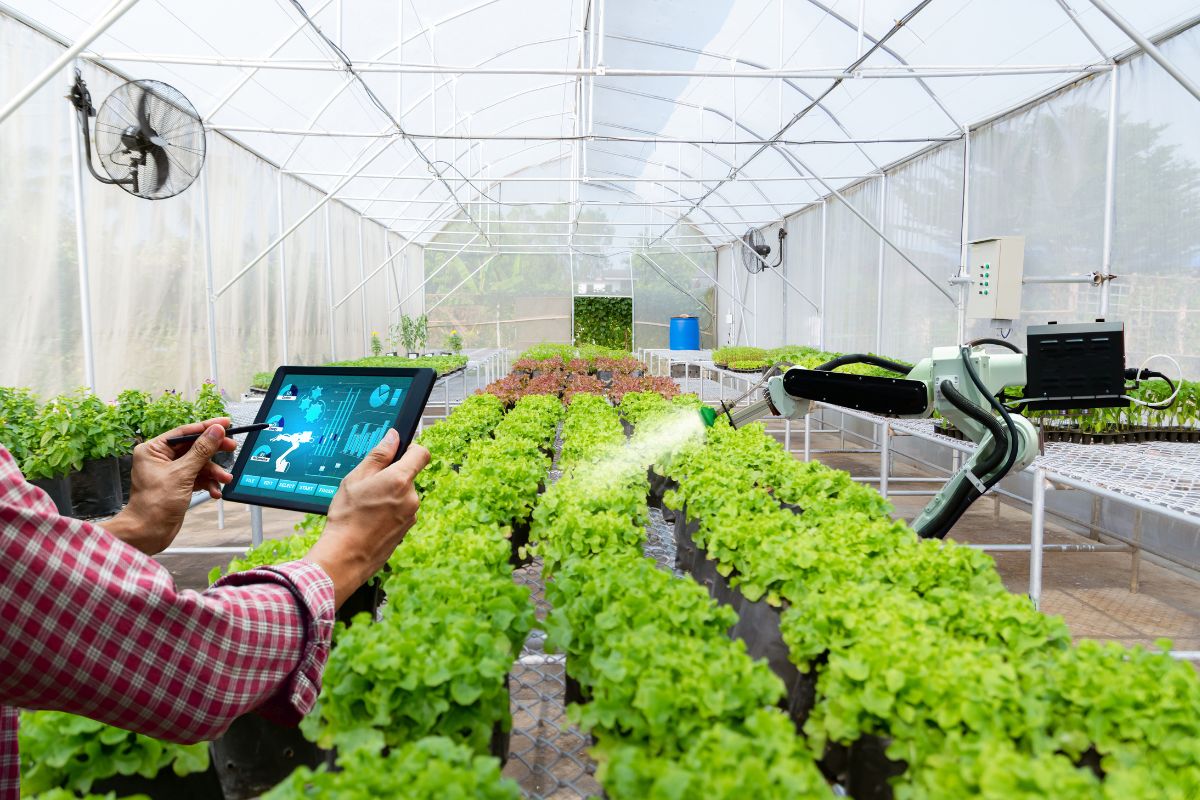
Airflow distribution, access to light, insulation, orientation, and even the way humidity is managed determine vegetative development and the final outcome of a harvest.
A poorly planned space can completely alter the performance of a variety, even when advanced genetics are involved. Conversely, a well-built environment ensures that hereditary traits are expressed more accurately.
For this reason, current agricultural projects are opting for more technical structures that include:
- Zoning to separate different stages of the cycle.
- Ventilation systems strategically distributed.
- Thermal insulation to reduce environmental variability.
- Modular spaces capable of adapting to changes in production.
This combination promotes stability, a factor growers value more each day.
Space Design: A Key Element That Defines Crop Quality
Additionally, the design of the building influences aspects as diverse as planting density, light management, and energy efficiency.
For example, a tall space facilitates air renewal and reduces heat accumulation. In contrast, narrower areas require precise mechanical systems to maintain optimal conditions.
Add to this the importance of materials. Reflective surfaces, washable panels, and moisture-resistant ceilings create more hygienic and easier-to-maintain environments.
These features are important for professional crops, but also for domestic projects seeking stability without complications.
Environmental Control And Its Relationship With Infrastructure
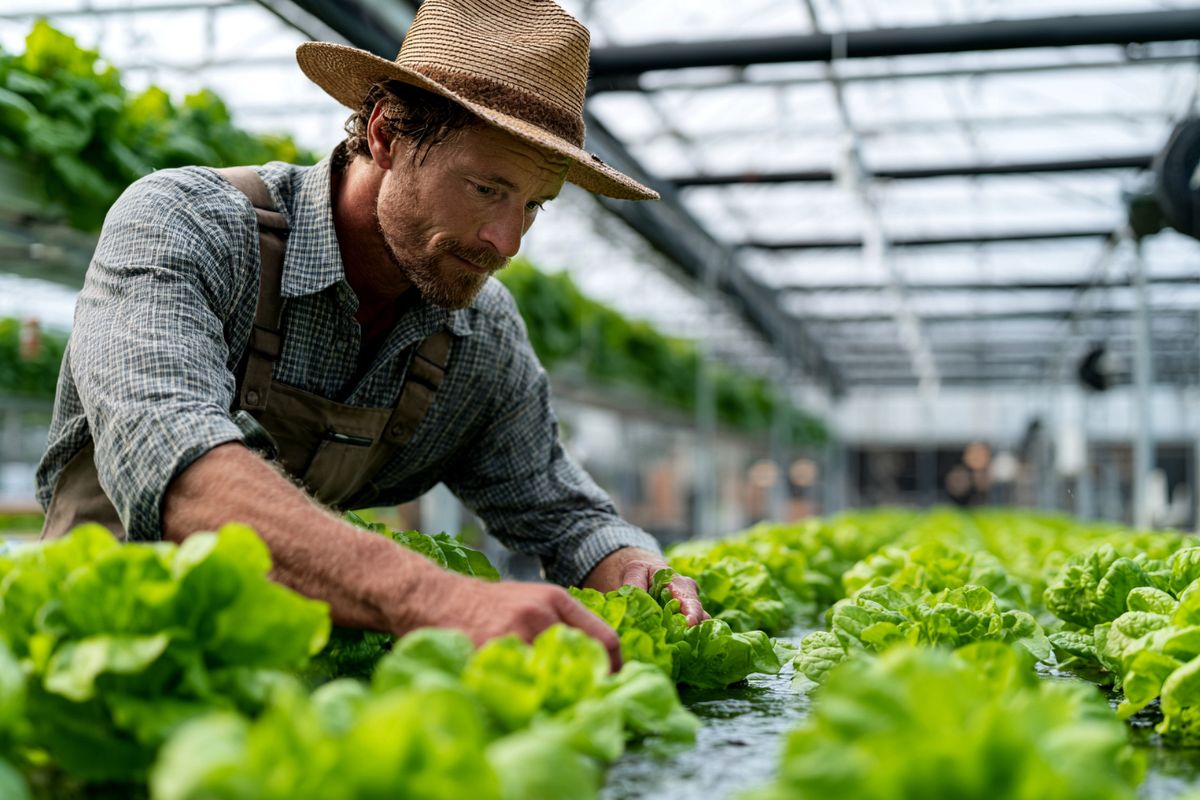
A crop can only be successfully managed if the structure allows for control of critical variables.
Among the most important:
- Temperature: Insulated walls and ceilings reduce abrupt changes.
- Humidity: Buildings with anti-humidity treatments prevent condensation.
- Light: Strategic openings or fully isolated zones determine the type of lighting required.
- Air circulation: The shape of the space dictates the placement of extractors and fans.
Infrastructure, in this sense, acts as the skeleton that keeps all these variables within the appropriate ranges for each plant species.
Building And Genetics: A Connection That Drives Better Harvests
In recent years, interest in more precise genetic lines has grown considerably. However, this surge has highlighted an important reality: without a proper structure, genetic traits lose uniformity.
For this reason, projects working with premium seeds or selected varieties have begun to incorporate specific spaces for each cultivation phase. This helps genetics express themselves without environmental interference.
In addition, the rise of indoor growing has led to the creation of controlled micro-spaces within conventional buildings. These allow homes, warehouses, and small premises to become highly efficient production environments.
How Architectural Planning Improves Crop Scalability
When a project grows, the building must be ready to support that evolution. A well-planned structure enables expansions with less investment and without compromising environmental stability. Forward-thinking growers often consider:
- Wide corridors to maneuver equipment.
- Storage areas separated from the growing area.
- Technical spaces dedicated to climate control and electrical management.
- Pre-installations for sensors or automated systems.
These elements make it easier to incorporate modern technologies without having to completely rebuild the infrastructure.
