
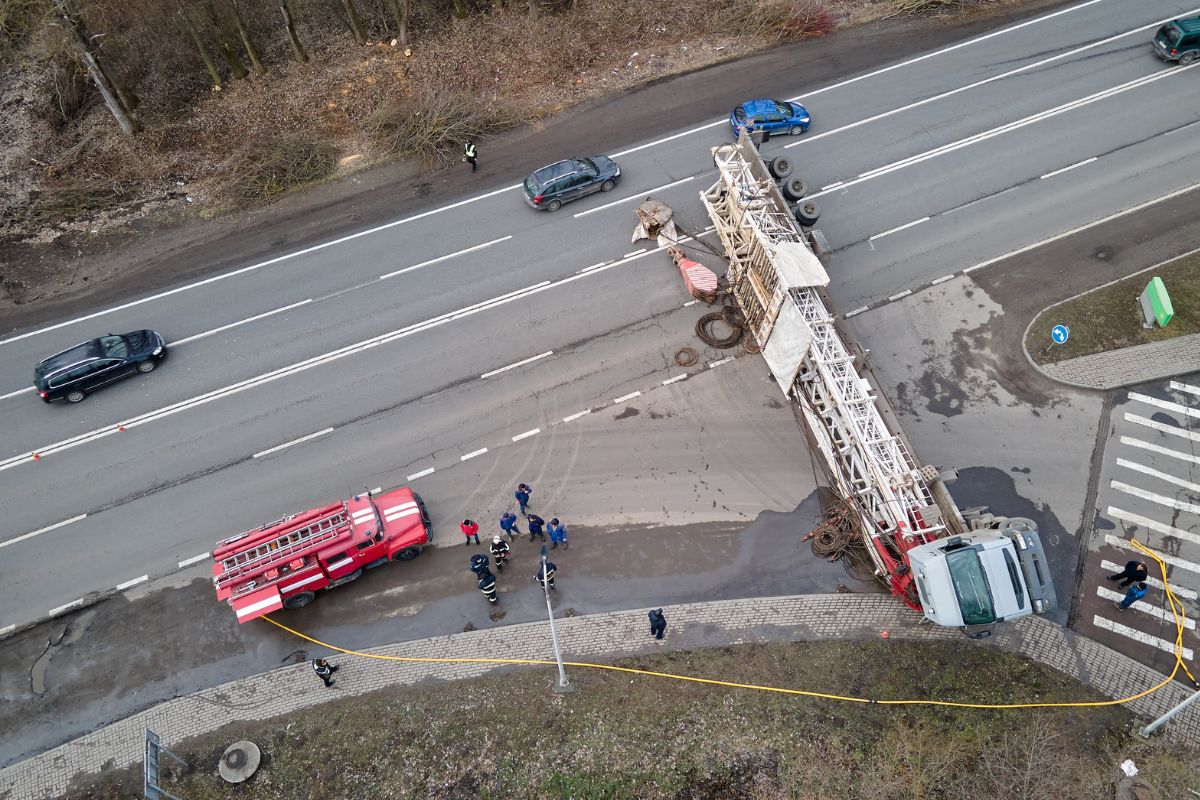
When a massive semi-truck collides with a smaller car on busy roads like Interstate 26 or Assembly Street in Columbia, SC, the scene is chaotic.
People standing nearby might witness the crash, and their accounts can help piece together the truth. These bystanders are called eyewitnesses, and their words can be powerful in a legal dispute.
However, what a person thinks they saw is not always exactly what happened. In a South Carolina court, statements from bystanders are carefully tested to ensure they are accurate.
Defense teams will look for any reason to show that a bystander might be mistaken or confused about the wreck.
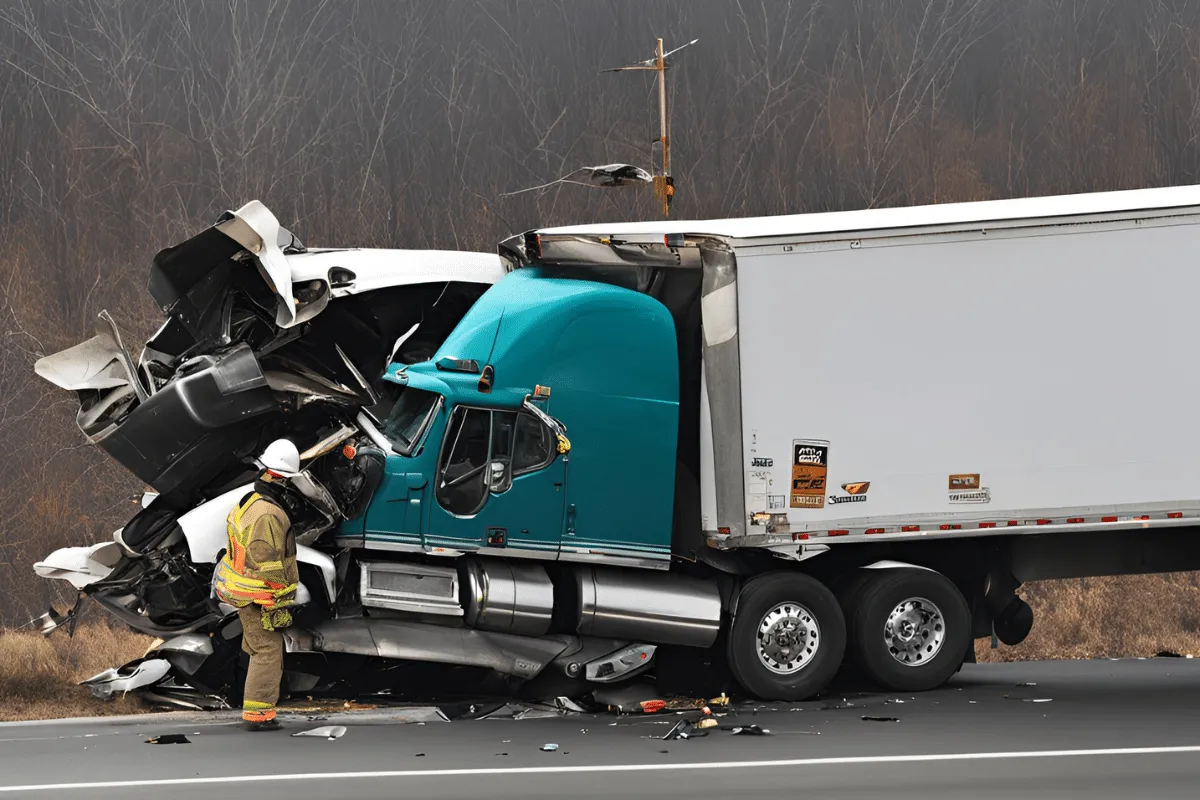
Why Do Memory Mistakes Happen After A Truck Crash?
The human brain does not record events like a smartphone camera. During a sudden, loud event like a commercial vehicle collision, a person experiences a massive rush of adrenaline. This fear and surprise can actually make it harder for the brain to form a clear, lasting memory.
Memory Decay and Distraction
Over time, memories naturally fade and become susceptible to filler information from external sources like news or conversations.
This cognitive drift often results in a courtroom testimony that differs significantly from the actual event.
The Impact of Visual Obstructions
Large vehicles and environmental factors create blind spots or physical barriers, such as dust, debris, or foliage, that obscure a witness’s line of sight. These distractions prevent a complete or accurate observation of the incident as it unfolds.
How Do Lawyers Uncover Flaws In Witness Testimony?
Attorneys use specific tools during the legal process to find out if a bystander’s story holds up.
One of the main tools is called a deposition, where the witness must answer questions under oath before the official court date.
This helps reveal if the person is changing their story or if they are missing important facts about the wreck.
If you are dealing with injuries from a major collision near the South Carolina State House, gathering solid proof is a major step.
A Columbia truck accident lawyer representing Stewart Law Offices, founded by Brent Stewart, a firm with legal depth earned through decades of practice, can assist crash victims in gathering traffic camera footage and electronic logging data to support what the bystanders saw.
This documentation is standard in determining compliance with commercial motor vehicle safety regulations.
Prior Inconsistent Statements
If a bystander told the police officer one story right after the collision but says something completely different during a deposition, this is a major red flag. Lawyers will compare the two statements side by side to show the jury that the witness is not reliable.
Verifying Event Truths Through Physics
Sometimes a bystander’s story defies the laws of science. Data is essential here, as the National Highway Traffic Safety Administration reports that an estimated 523,796 large trucks were involved in police-reported traffic crashes nationwide in 2021. When a story contradicts physical reality, the testimony falls apart.
What Environmental Factors Affect What People See?
The environment around Columbia, SC, plays a huge role in how well a person can observe an accident. South Carolina courts allow lawyers to question witnesses about the exact conditions at the moment of the impact.
Several specific environmental details can make a bystander’s story less reliable:
- Bad weather conditions, such as heavy rain, thick fog, or flash flooding on the roadway.
- Low lighting during nighttime hours or sudden glare from the setting sun.
- The physical distance between where the bystander was standing and where the vehicles collided.
- Sudden loud noises that caused the witness to look up only after the crash had already occurred.
For dependable assistance following a commercial vehicle collision, you can reach Stewart Law Offices at 10 Calendar Ct # 100, Columbia, SC 29206, or by calling their local team directly at (803) 743-4200. Moreover, their lawyers can visit the plaintiffs at their locations if they can’t come to the office.
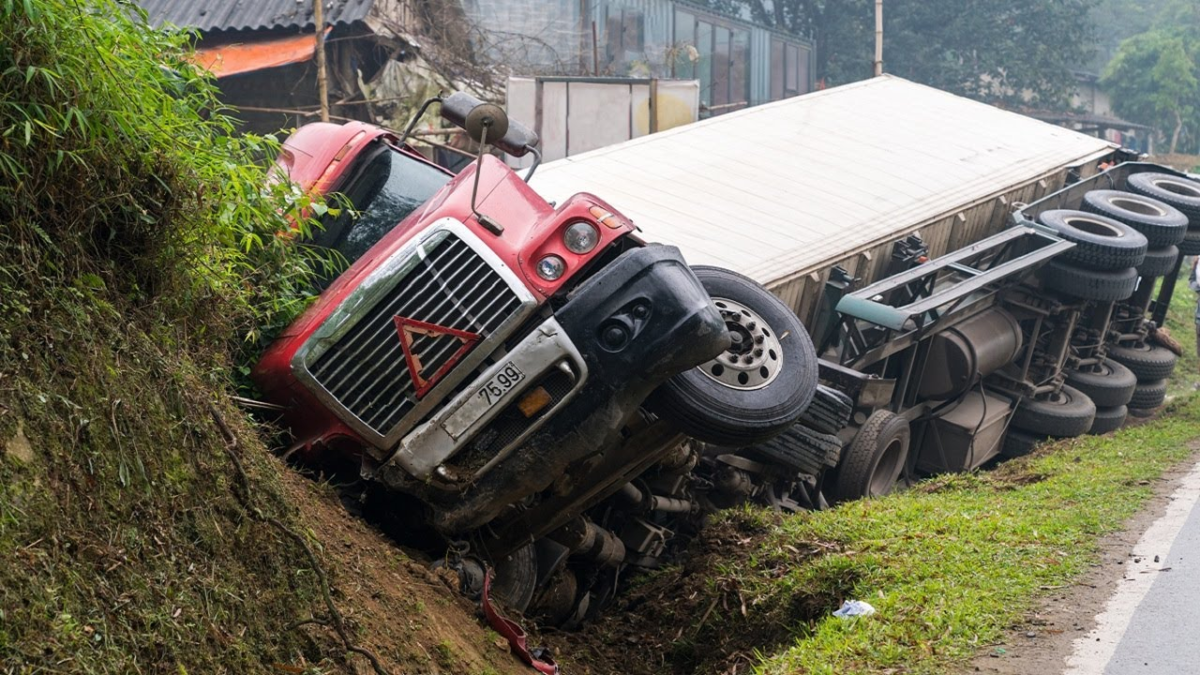
When Does Bias Overturn An Eyewitness Statement?
A witness is supposed to be completely neutral, meaning they do not favor either side. If a bystander has a reason to prefer one side over the other, their testimony can be challenged for bias.
In the United States, the Department of Justice highlights that human error and perception play a role in most traffic incidents.
“Personal bias can unconsciously distort a witness’s memory of a crash, which is why we must always anchor our cases in objective, physical evidence,” says Stephen Vicari, a Columbia truck accident attorney.
Personal Connection Bias
If the bystander knows one of the drivers involved in the collision, even if they are just casual acquaintances, their story is immediately questioned. The court wants to ensure that personal relationships do not influence the description of the event.
Financial Or Legal Interest
While rare for random bystanders, if a witness has any financial stake in the outcome of the lawsuit, their credibility drops significantly. Jurors are highly skeptical of anyone who might gain something based on how they describe the wreck.
Common Queries Regarding Witness Reliability
Can a case be won only with eyewitness statements?
No, statements from bystanders are rarely enough on their own because memories can change. Courts rely heavily on physical proof like skid marks, black box data, and camera footage.
What happens if a witness lies on purpose?
Lying under oath violates South Carolina Code Section 16-9-10, making it a felony crime called perjury, and can be fined in the discretion of the court or imprisoned not more than five years, or both.
If a witness is shown to be untruthful, the judge will instruct the jury that they may weigh that dishonesty when evaluating the credibility of the remaining testimony.
Why do insurance companies try to interview witnesses quickly?
Insurers want to lock down statements before memories fade or change. They look for early contradictions that can be used later to damage the witness’s credibility during a trial.
