
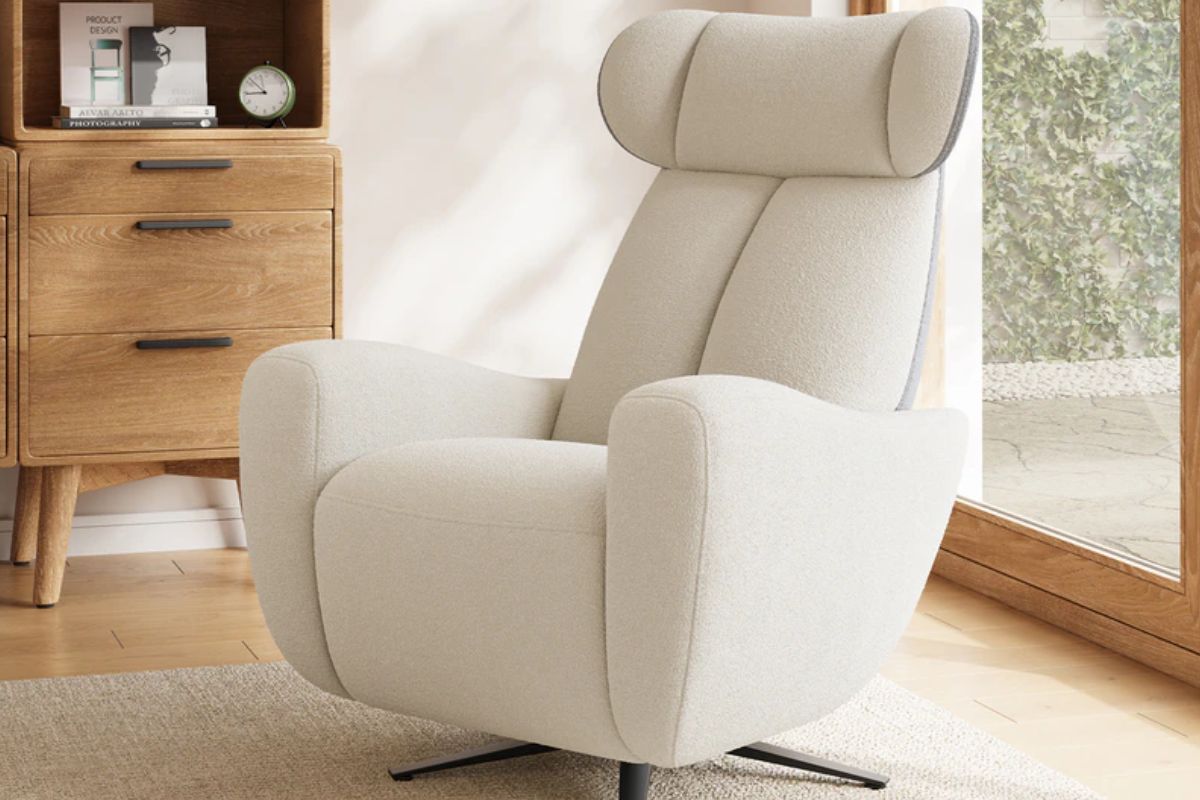
A small recliner chair is no longer a compromise between comfort and space. With improved wall-hugger mechanisms, refined ergonomics, and modern silhouettes, compact recliners have become a practical solution for apartments, condos, and space-conscious living rooms.
This article is written from a real product evaluation and user-experience perspective, combining spatial logic, seating ergonomics, and real-world usage scenarios.
The goal is not to oversell features, but to help you understand what actually matters when choosing a small recliner chair—and why thoughtfully designed models from AlivingHome fit modern homes better than many oversized alternatives.
What Is a Small Recliner Chair?
A small recliner chair is defined less by marketing labels and more by functional dimensions and movement efficiency.
In practice, it is a recliner that fits comfortably into limited floor plans while still supporting proper body posture when seated and reclined.
From a furniture-design standpoint, this usually means:
- Reduced overall width and arm thickness
- Shallower seat depth with better lumbar contouring
- Reclining mechanisms engineered to move forward, not backward
In real homes, these details translate into something simple but critical: the chair reclines without forcing you to rearrange the entire room.

Why Choose a Small Recliner Chair?
Space Efficiency Without Lifestyle Downgrades
Many people choose small recliner chairs because they live in apartments or condos—but space is only half the story.
In testing compact layouts, oversized recliners often block walkways, visually dominate the room, or conflict with other furniture like sideboards or TV stands. A properly scaled recliner restores balance instead of disrupting it.
Comfort That Works Daily
A common misconception is that smaller recliners are less comfortable. In reality, comfort depends more on seat angle, lumbar placement, and footrest geometry than on bulk. When these are correctly engineered, a small recliner can support long movie sessions, reading, or even light naps.
Cleaner Visual Aesthetics
Slim recliners integrate better with modern interiors. Lower visual weight, cleaner lines, and neutral upholstery make them easier to style alongside contemporary sofas, modular sectionals, or minimalist décor.
Types of Small Recliner Chairs
Wall-Hugger Small Recliners
Wall-hugger designs are the most practical option for small spaces. Instead of reclining backward, the seat slides forward as it reclines, allowing placement just a few inches from the wall. In real use, this eliminates the constant “chair-wall” conflict found in traditional recliners.
Power Small Recliner Chairs
Power recliners add precision. Instead of fixed positions, you can fine-tune recline angles for reading, TV watching, or resting. From an accessibility standpoint, they are especially helpful for seniors or anyone with joint sensitivity.
Manual Compact Recliners
Manual models are lighter, simpler, and often more affordable. They work well in secondary rooms like bedrooms or reading corners, especially where power outlets are limited.
Swivel or Rocker Recliners
These models add motion without increasing footprint. In testing scenarios, swivel recliners are especially popular in corner placements, where static chairs feel restrictive.
Why AlivingHome Small Recliner Chairs Are Built Differently
TheSwanSing Zero Gravity Single-Seater Power Recliner Chair from AlivingHome is a compact but feature-rich recliner designed to bring advanced comfort technology into smaller living spaces.
It blends modern engineering with everyday usability, making it a standout choice if you want relaxation without a bulky footprint.

Zero Gravity Comfort Technology
This recliner uses a zero gravity design, inspired by aerospace body positioning, to elevate your legs to approximately the same level as your heart. This posture can:
- Reduce pressure on the spine
- Improve blood circulation
- Enhance overall relaxation and stress relief
This ergonomic positioning is more than a marketing term—many posture experts recommend zero gravity seating to reduce strain during extended periods of sitting.

Customizable Power Recline
Unlike basic recliners, this chair offers dual motors that allow independent adjustment of the:
- Backrest (about 105°–150°)
- Footrest (about 95°–155°)
This means you can finely tailor your position for reading, TV time, or napping, all with a simple 3-button control panel.
Practical Everyday Features

Beyond reclining, this chair incorporates thoughtful details that enhance daily use:
- 360° swivel base for easy turning without standing up
- Built-in USB-A and Type-C charging ports to keep devices powered while you relax
- Stable five-star base that supports smooth movement at any recline angle
- Water-resistant upholstery in leather or fabric options, making cleanup easier over time
These practical features align with modern home needs—especially for apartments, small living rooms, or multi-purpose spaces.
Real-World User Experiences
Feedback from various user communities and reviews suggests:
- Many owners find the chair comfortable and stylish, noting easy assembly and reliable reclining function.
- Some taller users mention that the headrest and leg length may feel short for extended use, so personal height and body proportions are worth considering before purchase.
This type of actual user insight is important: comfort is highly personal, and while engineering matters, fit and feel should align with your own body type and usage patterns.
Expert Takeaway
From an expert evaluation perspective, this recliner stands out in several ways:
- Ergonomics come first — zero gravity positioning isn’t just a gimmick; it’s a therapeutic angle that many health professionals support for reducing pressure points during prolonged sitting.
- Functionality balances comfort and space — the chair remains suitable for compact environments while offering power controls and customization most often found in larger recliners.
- Modern lifestyle features like built-in charging reflect thoughtful design for real-world daily use rather than showroom novelty.
Why This Model Works in Small Spaces
The SwanSing chair is a great example of space-aware comfort because it:
- Fits well in compact living rooms, bedrooms, or reading nooks
- Offers advanced comfort without a large footprint
- Adds mobility and convenience (360° swivel + USB ports)
If you’re upgrading your relaxation setup but have limited space, this model balances comfort, adjustability, and modern features in a way few traditional recliners do.
How to Choose the Right Small Recliner Chair
Choosing the right small recliner chair goes beyond picking the cutest design in the store.
To ensure long-term comfort, ergonomic support, and proper fit for your space, it’s important to balance measurements, daily use, and physical comfort needs.
Below is a practical, expert-oriented guide that draws on real-world furniture evaluation principles to help you make a confident choice.

1. Measure Your Space First — Don’t Guess
Before you fall in love with a recliner’s look, measure the actual space where it will go.
Key measurements to consider:
- Width of the chair area — make sure the chair doesn’t block traffic flow or squeeze between existing furniture.
- Depth when fully reclined — a chair that fits upright may still extend too far when opened.
- Clearance from the wall — traditional recliners often need 12–18″ of wall clearance. Many small recliners—especially wall-hugger designs—need only 2–6″, but you still need to check.
- Doorway and hallway width — ensure the recliner can be moved into the room.
Pro Tip: Sketch your room layout on grid paper or use a furniture-planning app to visualize how much space the chair will occupy when upright and reclined.
2. Understand Recline Mechanisms
Reclining technology affects how the chair behaves in a room and how smooth your experience will be.
Wall-Hugger / Zero-Wall Recline
- Ideal for small spaces
- Reclines forward instead of pushing backward
- Allows placement close to the wall
Manual Recline
- Pull-tab or push-back operation
- Less expensive
- No power needed
- Works well in casual or secondary seating areas
Power Recline
- Electric motor adjusts recline angle with a button
- Excellent for users with mobility challenges
- Fine-tunes comfort levels
- Some include USB charging ports — a practical touch for modern living
Tip: If you plan to use your recliner frequently (daily TV watching or extended sitting), a power recline often adds comfort and convenience.
3. Prioritize Ergonomics Over Look
Comfort is not just fluff — it is about supporting your body correctly. A chair that looks sleek but doesn’t support your back will quickly become an unused seat.
Key ergonomic features to evaluate:
- Lumbar support — the chair should support your lower back without feeling overly firm.
- Seat depth — a good match for your leg length improves circulation and reduces fatigue.
- Back angle — a slight backward recline with neck and head support is more restful.
- Footrest geometry — your feet should rest naturally when fully reclined.
Testing it out in person — lean back, sit with your feet up, and pay attention to how your spine and neck feel after 5–10 minutes.
4. Upholstery Should Fit Your Lifestyle
The material of your recliner matters as much as its size:
Fabric
- Warm and cozy
- Available in many colors and textures
- Some fabrics (like performance weaves) are stain-resistant
Leather / Faux Leather
- Sleek, modern look
- Easier to wipe clean
- May develop patina over time
Performance Fabrics
- Designed for pets and kids
- Resists spills and wear
- Often the most practical for everyday living spaces
Maintenance Tip: Darker or mid-tone fabrics hide wear better than very light colors, especially in busy areas.
5. Match Recliner Features With Your Daily Needs
Ask yourself:
- Who will use it most? Adults, teens, or seniors?
- How often will it be used? Occasional lounging or daily relaxation?
- Do you need extra features? USB ports, adjustable headrests, or massage functions?
For example:
- Seniors and people with mobility needs often benefit greatly from power recliners due to easy controls.
- Frequent users might prefer denser foam and better lumbar support over ultra-soft cushioning.
6. Balance Comfort, Aesthetics & Value
Good recliners are about performance over flash. A small recliner that sits well in a room but sacrifices ergonomic support won’t serve you well over time.
Think of these aspects as quality checkpoints:
✔ Adequate lumbar support
✔ Smooth recline function
✔ Proper fit for your height and body type
✔ Upholstery that fits your lifestyle (pets? kids? frequent entertaining?)
✔ A design that complements your room without overwhelming it
Best Rooms for a Small Recliner Chair
Small recliner chairs perform best in rooms where single-seat comfort matters more than group seating:
- Apartment living rooms
- Bedrooms as TV or reading chairs
- Home offices for breaks or recovery
- Guest rooms where flexibility matters
In these settings, they often replace both accent chairs and bulky recliners.
Styling Tips for Small Recliner Chairs
From real interior layouts, small recliners look best when paired with:
- Slim side tables instead of large coffee tables
- Floor lamps rather than wide table lamps
- Neutral or mid-tone upholstery to avoid visual heaviness
- Low-profile rugs that define space without crowding
The goal is to let the chair feel intentional—not like a space compromise.
Frequently Asked Questions (FAQ)
Is a small recliner chair comfortable for extended use?
Yes, when ergonomics are properly designed. Seat angle and lumbar support matter more than size.
How close can a wall-hugger recliner be to the wall?
Most models require only 2–6 inches of clearance, making them ideal for apartments.
Are small recliner chairs suitable for seniors?
Power versions are particularly senior-friendly due to controlled movement and ease of operation.
Does “small” mean limited recline?
No. Small refers to footprint, not recline angle or comfort depth.
What upholstery lasts longest in compact spaces?
Leather and performance fabrics tend to age better with daily use.
Final Thoughts
A small recliner chair is one of the most underrated upgrades for modern living. When designed correctly, it delivers full relaxation without spatial compromise—something oversized recliners rarely achieve.
If your goal is real comfort that fits real homes, exploring thoughtfully engineered small recliner chairs from AlivingHome is a practical next step.
