
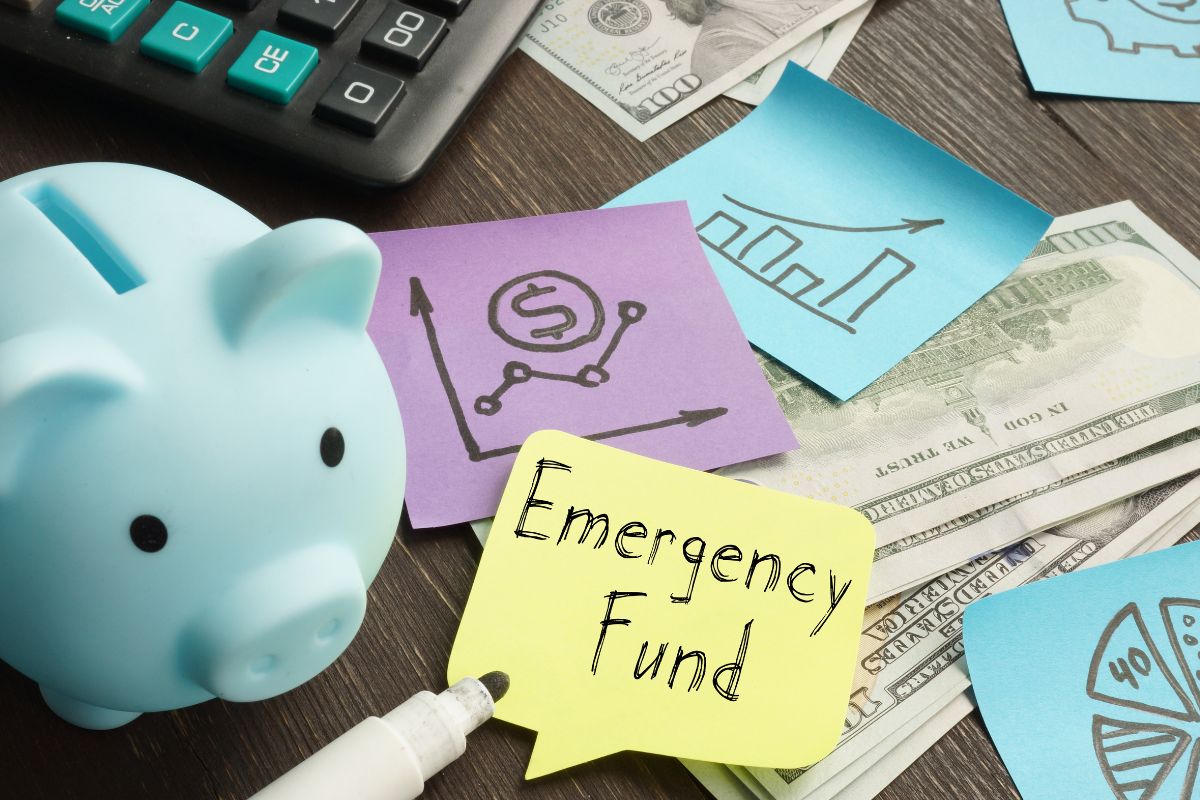
Financial freedom is something we all aim for. Whether it’s to feel secure in our day-to-day lives, cover unexpected expenses without stress, or plan for a comfortable future, having peace of mind with your finances is priceless.
One of the most effective ways to achieve this is by building an emergency fund — a financial cushion that helps you navigate life’s unpredictable moments. In this article, we’ll dive into why an emergency fund is so crucial and how you can start building one today.
Why You Need an Emergency Fund
Life has a way of throwing curveballs — medical bills, car repairs, job loss — things we don’t always expect but can easily disrupt our finances.

Without an emergency fund, these situations can leave us scrambling for credit cards or loans, which leads to more debt and even more stress.
An emergency fund is your financial safety net. It’s the money you’ve set aside specifically for the unexpected, so when life gets complicated, your finances don’t have to.
Having an emergency fund means you don’t need to panic when something goes wrong. Instead, you’ll have the peace of mind knowing that you’ve prepared for the worst.
Think of it as a cushion, softening life’s financial blows. Once you have your emergency fund in place, the rest of your financial goals — like saving for retirement, buying a home, or investing — become a lot easier to tackle.
Where to Store Your Emergency Fund: The Power of a Savings Account
Now that we understand why an emergency fund is so important, the next step is figuring out where to keep the money. It’s essential to store your emergency fund somewhere it’s both safe and easily accessible.
A savings account is the perfect place for this. First, it allows you to access your money quickly when you need it.
Whether it’s a car breakdown or an unexpected medical expense, you’ll be able to withdraw your funds with ease. That accessibility is key when you need to act fast.
Additionally, many accounts offer interest, so your emergency fund can grow over time. While the interest rates aren’t huge, they’re enough to help your savings add up without taking any extra effort. Unlike some investments, the money is safe, secure, and available whenever you need it.
How Much Should You Save in Your Emergency Fund?
One of the first questions people ask when it comes to building an emergency fund is: how much should I save? While there’s no one-size-fits-all answer, a good rule of thumb is to save between three to six months’ worth of living expenses.
This would cover your basic costs, like rent or mortgage, utilities, food, insurance, and other essential expenses.
The goal is to have enough saved up so that if you lose your job or face an unexpected expense, you’ll have a financial cushion to rely on.
If reaching three to six months’ worth of expenses seems too daunting, don’t worry — you can start small. Aim for $1,000 or one month’s worth of living expenses to begin with.
Once you reach that goal, you can keep building until you’ve reached your target. Remember, the emergency fund isn’t something you need to build overnight.
It’s all about steady, consistent progress. And even if you start small, you’ll still be much better off than if you wait until the last minute.
Tips for Building Your Emergency Fund
So, now you know why an emergency fund is essential and where to keep it.

But how do you actually build it? Here are some tips to help you get started:
1. Start Small and Stay Consistent
Don’t feel like you need to save thousands of dollars all at once. Start with whatever you can afford — even $25 or $50 a week will add up.
The key is consistency. Try to set up automatic transfers from your checking account, so you don’t even have to think about it.
2. Use a Separate Account
It’s important to keep your emergency fund separate from your regular checking account. This makes it easier to track your progress and reduces the temptation to spend it on things that aren’t truly emergencies.
3. Set a Clear Goal
Set a specific amount to save and work toward it. Whether it’s $1,000 or $10,000, having a concrete goal will help you stay motivated and on track. You can break it down into smaller, more manageable chunks so it doesn’t feel overwhelming.
4. Cut Back on Non-Essential Spending
Look at your budget and see where you can cut back. For example, you might try cooking at home more often, canceling subscriptions you don’t use, or reducing impulse purchases.
These small changes can free up more money for your emergency fund without making a huge impact on your lifestyle.
5. Put Windfalls to Good Use
If you receive unexpected money — like a tax refund or a work bonus — consider using part of it to boost your emergency fund.
While it can be tempting to spend this extra cash, putting it toward your emergency savings will help you reach your goal faster.
Conclusion: Take Action Today
Building an emergency fund is one of the smartest financial decisions you can make. It’s the first step toward financial security and freedom.
Once you have that cushion in place, you’ll be able to focus on other financial goals without the constant worry of what will happen if something goes wrong.
So, don’t wait. Start small, stay consistent, and take steps to keep your emergency fund safe and growing.
Before you know it, you’ll have the peace of mind that comes with knowing you’re financially prepared for whatever life throws your way.
By following these steps and being proactive, you’ll create a strong foundation for your financial future.
Building an emergency fund doesn’t have to be complicated, and with the right tools in place, you’ll be able to take control of your financial well-being one step at a time.
