
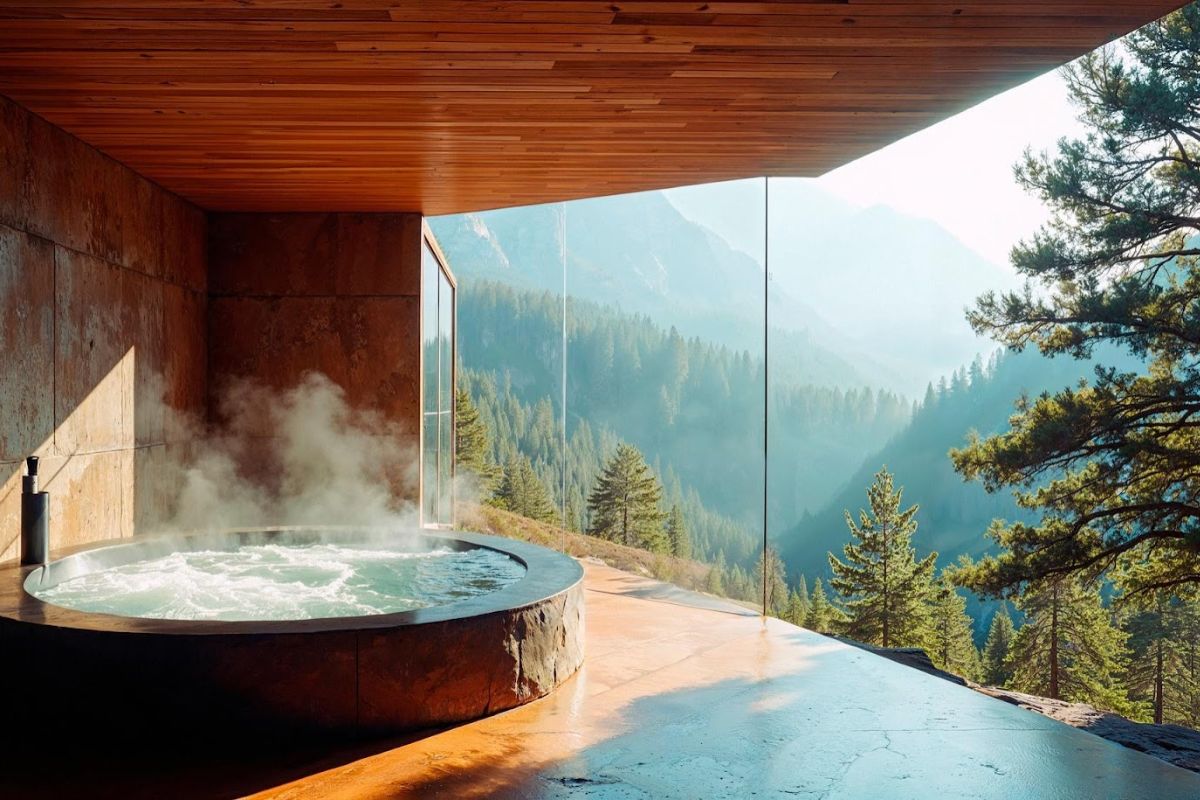
In a world that moves fast and often feels overwhelming, the home has taken on a renewed significance.
It’s no longer just a place to sleep or store belongings—it’s a refuge, a reflection of personal values, and a key influence on overall wellbeing.
Thoughtful approaches to residential architecture are quietly supporting this shift, helping people create spaces that prioritize health, comfort, and intentional living.
Designing with intention means thinking beyond square footage and aesthetic trends.
It asks: how does this space make you feel? How does it support your daily rhythm, your health, your sense of peace?
The answers lie in the intersection of thoughtful design, natural materials, and a deep understanding of how environments shape human experience.
Creating Space for Wellness
A home that promotes health doesn’t need to be elaborate—it needs to be deliberate.
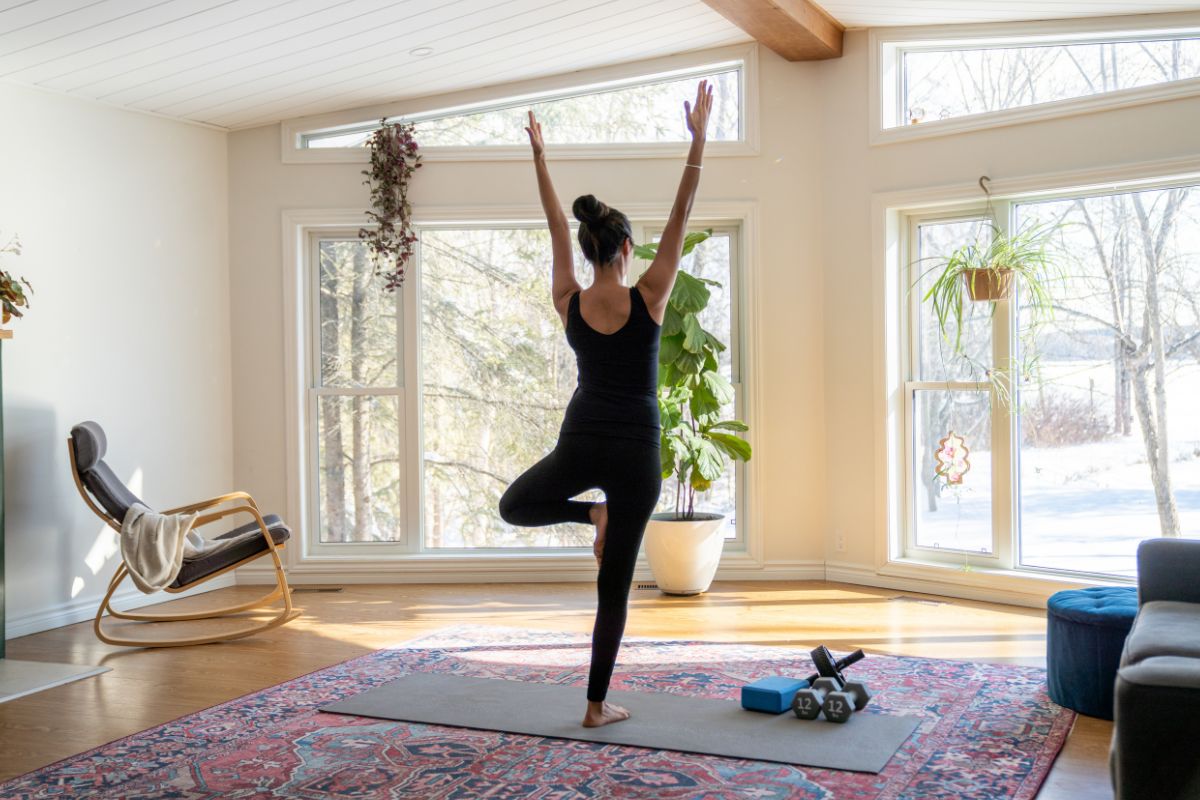
Every design choice, from layout to lighting, contributes to how we experience our surroundings.
Wellness-focused homes are built around this understanding, offering spaces that support both physical and emotional needs.
Natural light plays a leading role. Large windows, skylights, and smart orientation help regulate circadian rhythms, elevate mood, and reduce dependence on artificial lighting.
The quality of indoor air also matters—materials that are low in toxins, sound ventilation systems, and natural finishes create a cleaner, healthier environment.
These elements may seem subtle, but together they cultivate a sense of ease. Its design encourages slower mornings, better sleep, and a calmer mind.
Flow and Function with Purpose
Intentional homes are designed for the way people actually live.
Rather than chasing trends or maximizing every inch of space, the focus shifts to creating rooms that flow naturally and support everyday rituals.
Open-concept spaces, when done well, invite connection between family members, between indoor and outdoor areas, and between moments of activity and rest.
Transitional spaces like mudrooms or reading nooks serve practical needs while offering moments of pause.
Functional design doesn’t mean boring—it means thoughtful. A well-placed bench, a wide hallway filled with light, or a kitchen that encourages shared cooking experiences can all transform how people move through and feel within their homes.
Material Choices That Support Health
The materials that make up a home are just as important as its layout. When we bring nature inside, we create spaces that not only feel better but are better for us.
Wood, stone, clay, and other natural materials contribute to a grounded, tactile atmosphere.
Their textures, colors, and warmth create a sense of connection to the outside world.
Beyond aesthetics, many of these materials also help regulate humidity and air quality, making them both beautiful and functional.
Equally important is avoiding harmful substances. Finishes and furnishings should be free of volatile organic compounds (VOCs), formaldehyde, and other common toxins that can linger in indoor air.
Intentional design means examining a home’s composition closely, not just its surface appearance.
The Role of Sensory Design
When building for health and harmony, sensory experience matters. It’s not just about what we see—it’s about what we hear, feel, and even smell in a space.
Acoustics are often overlooked but deeply impactful. Soft materials, layered textiles, and thoughtful room layouts can absorb unwanted noise and foster a quieter, more peaceful home.
Likewise, incorporating scent through natural candles, essential oils, or plants can subtly shift the atmosphere and support emotional well-being.
Texture, too, plays a role. Smooth stone, warm timber, soft wool—all invite interaction and comfort.
These sensory layers create environments that feel lived-in and loved, not sterile or staged.
Designing for Connection
Homes that support wellbeing are also homes that encourage connection to nature, to others, and to self.
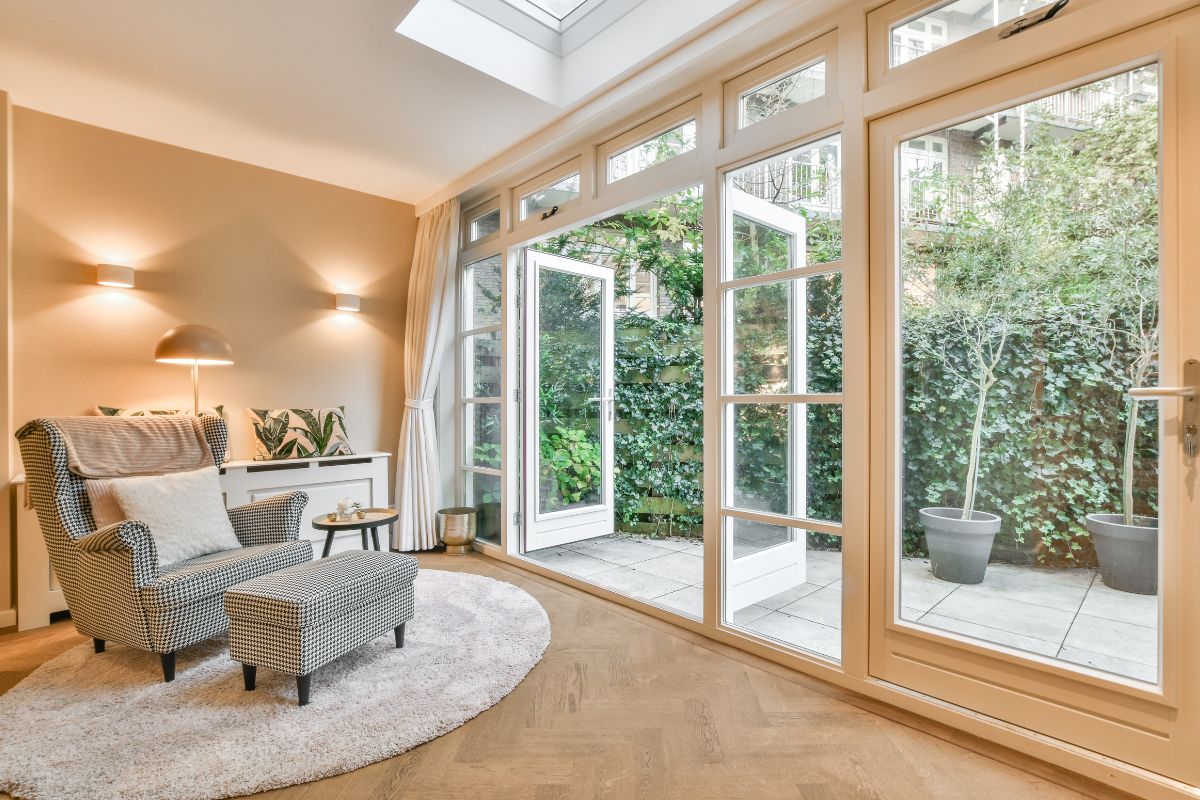
This might mean integrating outdoor spaces that are easy to access and use, like a shaded patio, a garden path, or a window seat with a view.
Indoor-outdoor living isn’t just a trend—it’s a way to reconnect with the rhythms of the natural world.
Even small touches, like bringing in houseplants or using materials that echo the landscape, can remind us of our place within it.
At the same time, connection within the home matters just as much.
Shared spaces that invite conversation and presence—like a communal table, a fireside lounge, or a no-screens-allowed living room—support deeper bonds and more mindful interaction.
Homes That Evolve with You
Intentional design isn’t rigid—it’s responsive. Life changes, and the best homes are those that adapt.
A flex room today might be a home office tomorrow. A quiet corner might become a nursery, or a guest suite could evolve into an aging-in-place retreat.
This flexibility is part of designing for the long term. It ensures the home continues to serve its inhabitants not just for a few years, but for decades, supporting health, comfort, and continuity through all of life’s seasons.
Conclusion
Designing with intention means seeing a home as more than architecture. It’s an ecosystem. A sanctuary. A partner in wellness.
From the materials chosen to the way light moves through each room, every element should support a life well-lived.
As more homeowners seek meaning and mindfulness in their environments, this approach to home design is no longer niche—it’s necessary.
It reflects a deeper understanding of what it means to feel truly at home: comfortable in our bodies, connected to our space, and in harmony with the world around us.
