
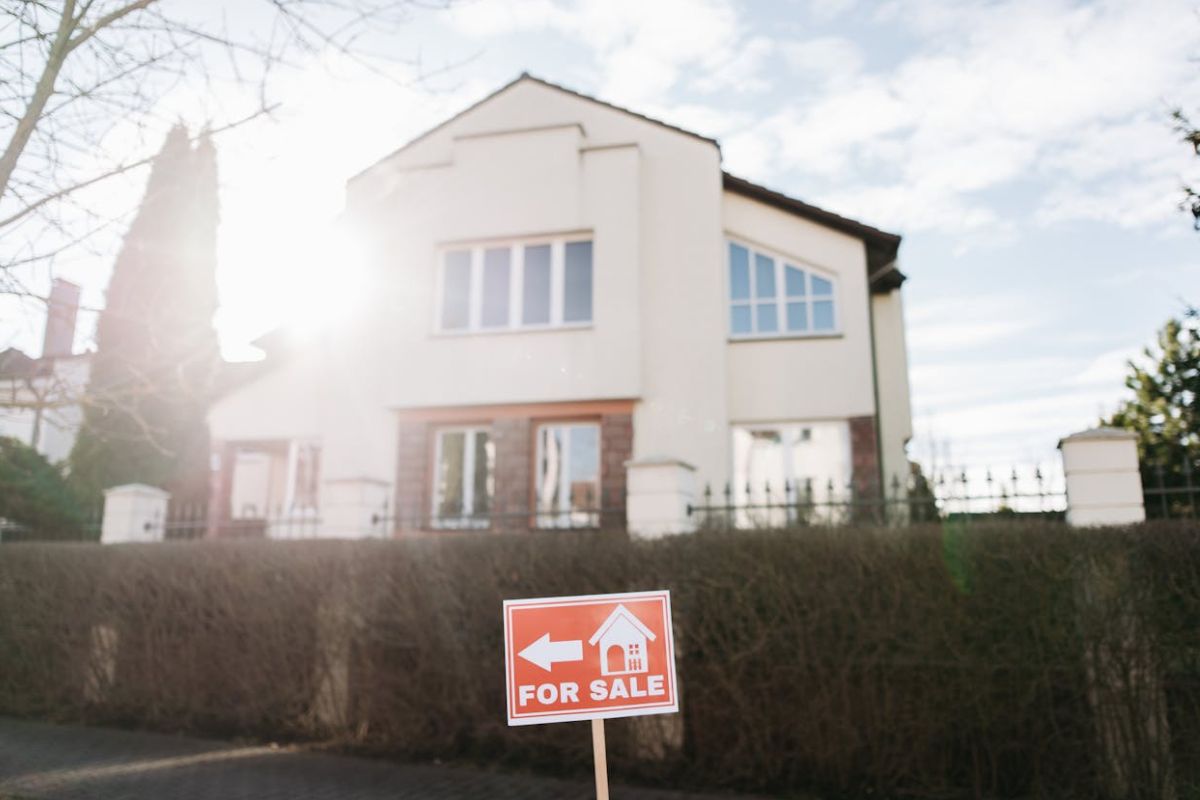
Older homes have a kind of charm that newer houses often don’t.
Maybe it’s the original hardwood floors, the detailed trim, the mature trees, or the fact that the neighborhood already feels established. For many buyers, that character is exactly what makes an older home so appealing.
But that charm can come with extra costs.
Even when an older home looks well cared for, parts of it may be nearing the end of their lifespan. The roof may need work sooner than expected. The plumbing might be outdated.
The electrical system may not be built for today’s appliances, devices, and energy needs. These issues do not always show up during a quick tour, and some may only become obvious after you move in.
That does not mean buying an older home is a bad idea. It simply means buyers should go in with realistic expectations.
A little planning can make the difference between enjoying a home’s character and feeling blindsided by repair bills.
Start With a Realistic Emergency Cushion
Many buyers spend most of their time thinking about the down payment, closing costs, and monthly mortgage payment.

Those are important, of course, but they are only part of the picture. Once the home is yours, so are the repairs.
With an older property, you may be taking responsibility for a furnace, water heater, roof, windows, appliances, pipes, wiring, and other systems that have already been in use for years. Some may last a long time. Others may need attention shortly after closing.
That is why it helps to have an emergency fund before you move in. A roof leak, broken furnace, clogged sewer line, or failed water heater can quickly become stressful if there is no money set aside.
Before buying, you can use an emergency savings calculator to estimate how much you may want to keep available for unexpected expenses.
This is especially important because buying a home often uses up a large amount of cash. After the down payment, inspection, appraisal, moving costs, furniture, and small updates, many new homeowners have less savings than they expected.
A separate emergency cushion gives you more options. It can help you avoid putting urgent repairs on a high-interest credit card or delaying work that could become more expensive later. For older homes, this is not just a nice financial habit. It is part of being prepared.
Roof Repairs and Replacement
The roof is one of the first things buyers should ask about when considering an older home.
A roof protects the entire structure, so even a small problem can lead to water damage, mold, insulation issues, or damaged ceilings and walls.
Ask how old the roof is, what material it is made from, and whether there have been past leaks or repairs. Asphalt shingles are common, but their lifespan depends on the quality of installation, ventilation, weather, and maintenance.
Some warning signs are easy to spot. Missing shingles, curling edges, sagging areas, dark streaks, water stains in the attic, or visible patchwork can all suggest that the roof may need attention.
A roof does not have to be brand new for the home to be worth buying. But buyers should know whether replacement is likely in two years or ten. If the roof is older, it may be smart to get an opinion from a roofing contractor before closing.
Electrical System Updates
Older homes were not built for the way people use electricity today. Decades ago, homes did not need to support multiple computers, large appliances, smart devices, home offices, entertainment systems, and constant charging.
In some older homes, buyers may also find knob-and-tube wiring or aluminum wiring. These can raise safety concerns and may make it harder or more expensive to get insurance.
Electrical work can be simple or expensive depending on the problem. Replacing a few outlets is one thing.
Rewiring part of a house or upgrading an electrical panel is much more involved. If the inspection raises concerns, it is worth bringing in a licensed electrician for a closer look.
Plumbing Problems Behind the Walls
Plumbing can be tricky because many problems are hidden. Pipes may be behind walls, under floors, or underground.
Everything may seem fine during a showing, but older pipes can still be corroded, clogged, cracked, or close to failure.
Depending on the age of the home, the plumbing may include galvanized steel, cast iron, copper, PVC, or a mix of materials from different repairs over the years.
Galvanized pipes can rust from the inside. Cast iron drain lines can crack or deteriorate. Sewer lines can be damaged by tree roots, shifting soil, or age.
Buyers should watch for low water pressure, slow drains, water stains, musty smells, or signs of previous leaks. A sewer scope inspection can also be valuable, especially for older homes with large trees nearby. This inspection uses a camera to check the main sewer line before you buy.
Heating, Cooling, and Insulation
Heating and cooling systems are another area where older homes can surprise buyers. A furnace, boiler, heat pump, or air conditioner may work during inspection but still be near the end of its life.
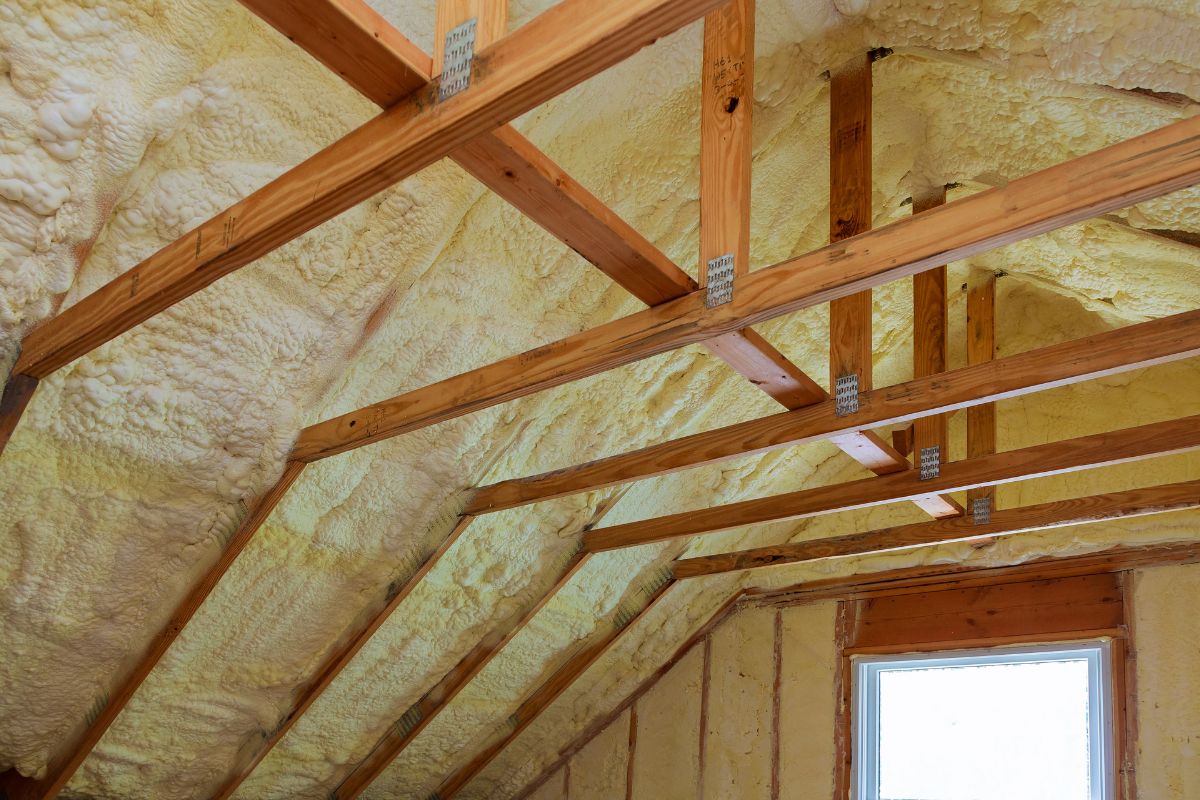
Insulation is another factor to consider. Many older homes were built before modern energy standards. Drafty windows, thin attic insulation, uninsulated walls, and gaps around doors can make the home less comfortable and increase monthly utility bills.
Sometimes these issues can be improved gradually. Weatherstripping, attic insulation, and sealing air leaks can help. But if the heating or cooling system needs replacement, buyers should be ready for a larger cost.
Windows, Doors, and Drafts
Original windows can be beautiful, especially in older homes with historic character. But they can also be drafty, difficult to open, or less energy efficient than newer windows.
Single-pane glass, loose frames, worn seals, and damaged weatherstripping can allow air and moisture into the home.
Replacing windows throughout a house can be expensive, especially if the windows are custom sizes or if the home is in a historic district with rules about exterior changes.
Doors can create similar problems. Older exterior doors may not seal well, and older locks or frames may need updating for security.
Foundation and Structural Concerns
Some settling is normal in older homes, but buyers should not ignore possible structural issues.
Cracks in walls or foundations, uneven floors, sticking doors, basement moisture, or gaps around windows can all point to movement or drainage problems.
Foundation repairs can be costly, so it is important to understand what you are dealing with before buying.
If the general inspection shows warning signs, a structural engineer or foundation specialist can provide more detail.
Drainage also matters. Water pooling near the home, clogged gutters, short downspouts, or poor grading can lead to basement leaks and foundation issues over time.
Sometimes the solution is simple, but long-term water problems can become expensive if ignored.
Plan Before You Fall in Love
Buying an older home can be a wonderful decision. Older properties often offer character, craftsmanship, larger lots, and established neighborhoods that buyers love. But it is important to balance that charm with practical planning.
With the right emergency cushion and a realistic repair plan, an older home does not have to become a financial burden. It can be a smart, rewarding purchase that gives you both character and peace of mind.
