
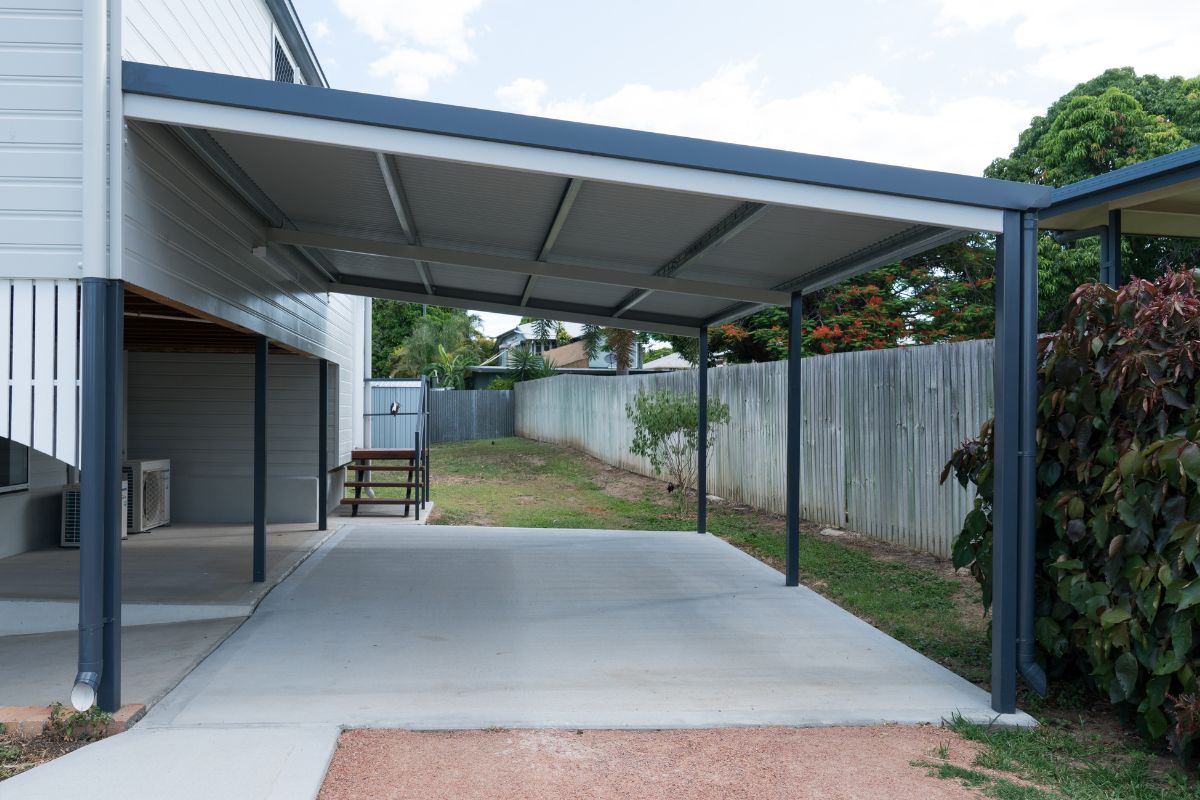
Homeowners frequently seek ways to add covered parking without building separate structures. Attaching a carport to an existing building saves space and construction costs.
This approach works well for homes, garages, and commercial buildings. Property owners can create seamless additions that complement their existing architecture.
Steel construction offers excellent attachment options for carport additions. Metal carports provide durability and weather resistance while maintaining design flexibility.
The structural properties of steel allow for secure connections to various building materials.. This guide examines the feasibility and methods for attaching steel carports to existing structures.
Structural Assessment Requirements
The existing structure must support additional loads before attachment begins. Wall strength determines the feasibility of carport installation.
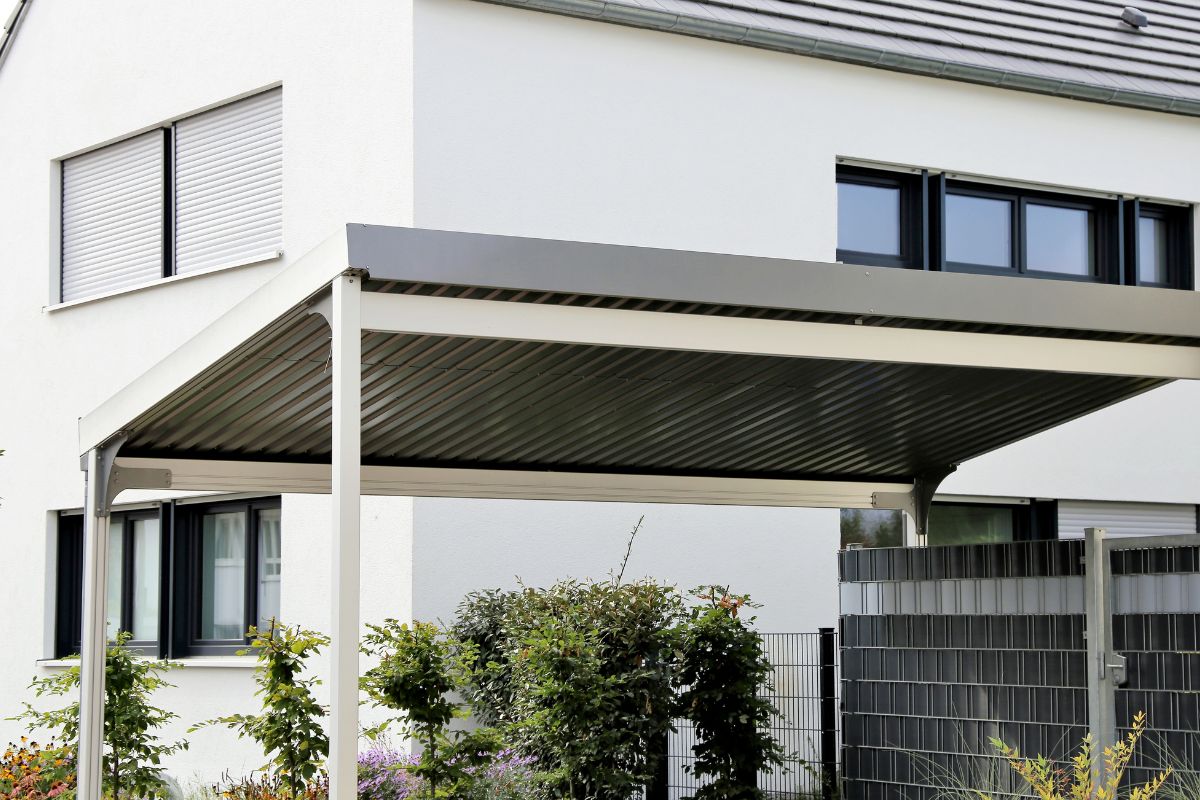
Building materials affect connection methods and hardware selection. Professional evaluation identifies potential structural limitations.
Load calculations include wind, snow, and seismic forces. These forces transfer through the attachment points to the existing building.
Inadequate wall strength may require reinforcement before installation. Foundation conditions also impact attachment options and stability.
Attachment Methods and Hardware
Steel carports connect to existing structures through several proven methods. Ledger boards provide strong attachment points for roof connections.
Wall brackets distribute loads across multiple attachment points. Through-bolts create secure connections in masonry and concrete walls.
Flashing details prevent water infiltration at connection points. Proper sealing protects both structures from moisture damage.
Expansion joints accommodate thermal movement between materials. Professional installation ensures weatherproof connections that last for decades.
Building Code Compliance
Local building codes govern carport attachments to existing structures. The type and location of your build will determine which permits are necessary.
Setback regulations may limit placement options. Height restrictions affect design choices and attachment methods. Structural engineers often provide stamped drawings for permit applications.
These documents demonstrate compliance with local requirements. Code officials may require inspections during construction phases. Proper documentation protects property owners from future liability issues.
Design Considerations
Roof pitch compatibility affects drainage and appearance. Matching or complementary slopes create better integration.
Gutter systems require coordination between structures. Proper drainage prevents water accumulation and damage.
Architectural harmony improves property appearance and value. Color coordination enhances visual appeal. Roofing materials should complement existing finishes. Siding transitions require careful planning and execution.
Construction Process
Site preparation begins with utility location and marking. Excavation may be required for new footings. Existing structure preparation includes cleaning and repair work.
Material delivery timing affects project scheduling. Installation follows the manufacturer’s specifications and local codes. Attachment hardware must meet structural requirements.
Professional contractors ensure proper connection methods. Quality control prevents future maintenance issues. Weather conditions impact construction scheduling.
Metal carports require dry conditions for proper installation and setup. Temperature affects material handling and connection procedures. Seasonal timing may influence project costs and availability.
Benefits of Attached Carports
Attached installations cost less than separate structures. Shared walls reduce material and labor requirements. Utilities can extend from existing buildings.
Maintenance access remains convenient and practical. Weather protection connects directly to building entrances. This eliminates exposure between structures.
Integrated design creates a more usable outdoor space. Property values often increase with quality additions. Metal carports offer superior durability compared to other materials.
Steel resists weather damage and pest intrusion. Maintenance requirements remain minimal over time. Color options match existing building schemes.
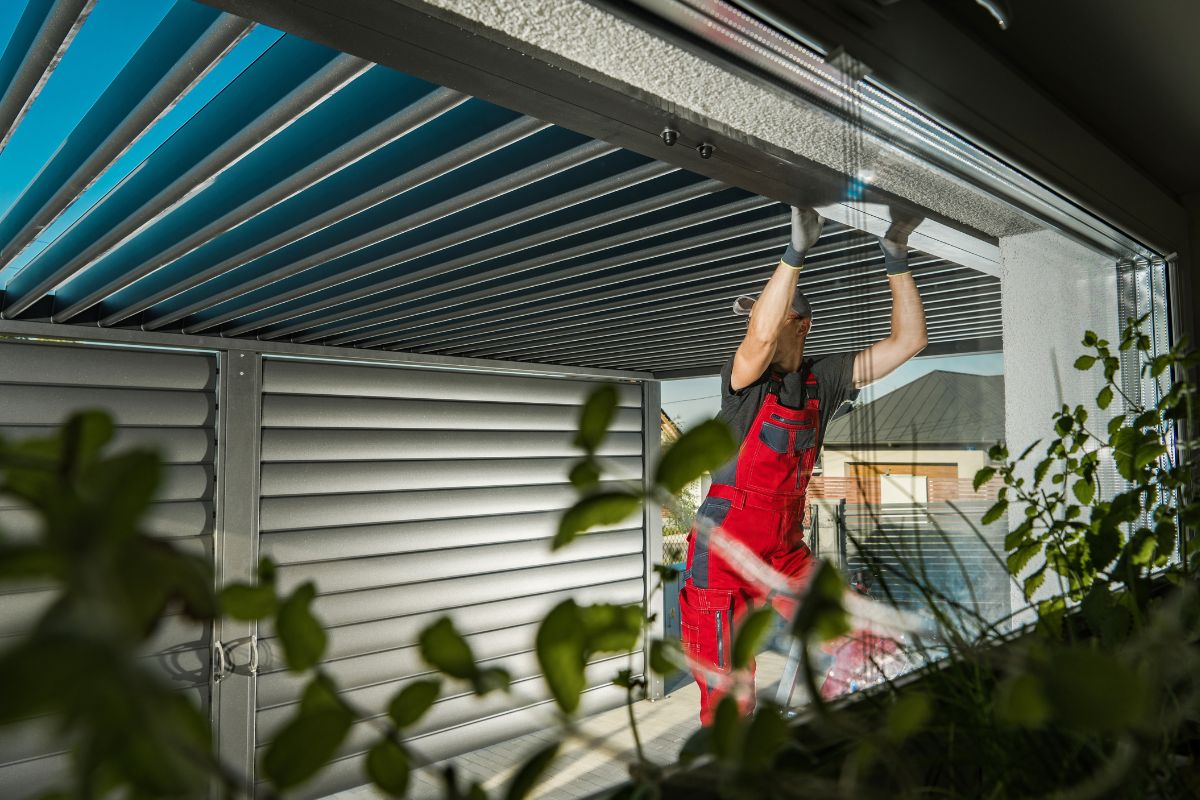
Foundation and Anchoring Considerations
A stable foundation plays a key role in how well the carport performs over time. The type of soil, its strength, and drainage conditions all matter here.
If the ground is not firm enough, it may need some preparation before installation begins. Anchoring systems must be chosen based on these conditions to ensure proper support.
Good anchoring helps the structure stay in place during strong winds. It also reduces the chances of shifting or uneven settling later.
Weather Protection and Drainage Planning
Rainwater control becomes more important when a carport is attached to an existing building. Water should flow away easily without collecting near the connection points.
Gutters and downspouts need to align properly with both structures. This helps prevent leaks and keeps walls and foundations safe.
Roof design also plays a part in directing water correctly. A simple mistake here can cause long-term damage, so planning this step carefully really makes a difference.
Maintenance and Long-Term Performance
Regular checks help keep the carport in good condition for years. Fasteners, joints, and seals should be inspected from time to time. Small issues, if ignored, can turn into bigger problems later.
Cleaning the structure also helps maintain its appearance and performance. Metal carports usually need less maintenance, but basic care still matters.
With proper attention, the structure stays strong and reliable. This also helps protect your investment and keeps everything working as expected.
Attaching carports to existing structures provides practical vehicle protection while maximizing property utility. Success depends on proper structural assessment, code compliance, and professional installation.
The durability and versatility of steel construction make it ideal for carport attachments. Property owners gain valuable covered space while maintaining architectural harmony and long-term structural integrity.
