
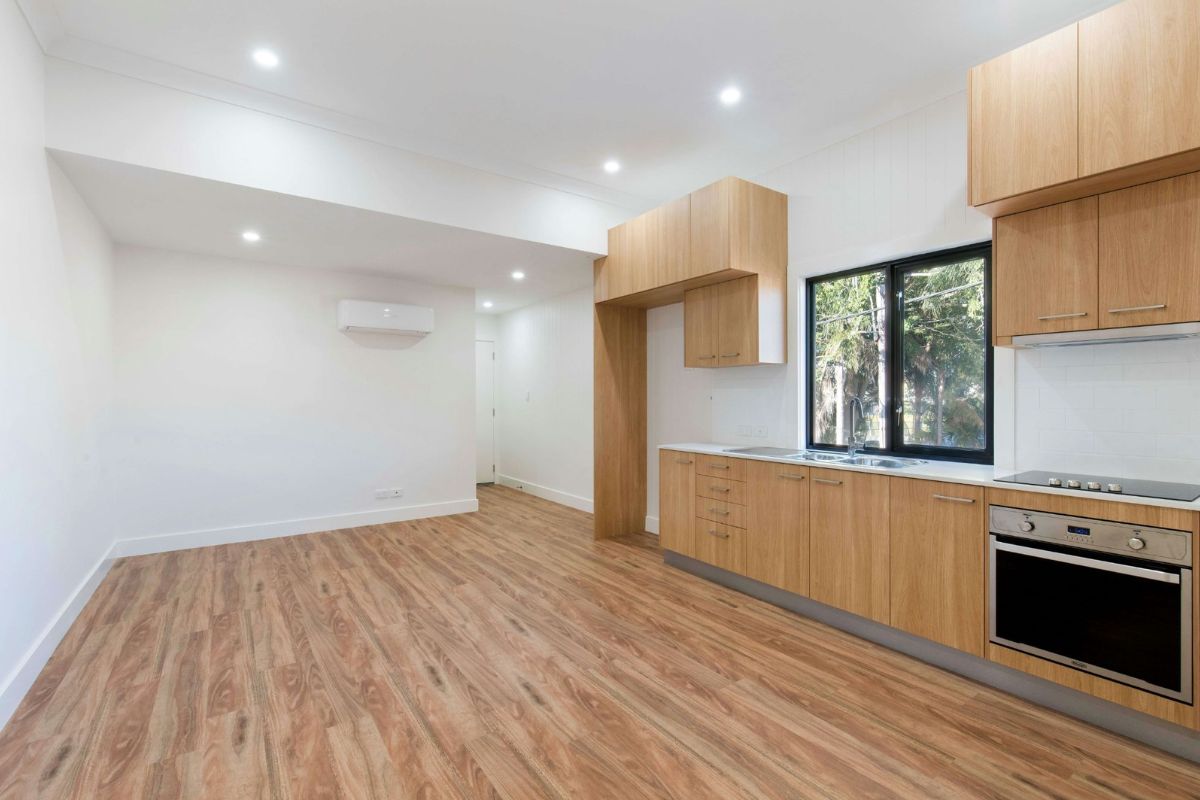
Choosing the right flooring type is one of the most impactful decisions in any home renovation, directly affecting how a space looks, feels underfoot, and performs over the coming years.
Each flooring material has distinct strengths and trade-offs in durability, maintenance, cost, and suitability for specific rooms and conditions.
Working with specialists like Allfloors Glasgow helps homeowners feel confident they’re making the best choice that aligns with their lifestyle, budget, and long-term goals.
Why the Right Flooring Choice Matters
Flooring is one of the most heavily used surfaces in any home, and the wrong choice can lead to costly replacements within just a few years.
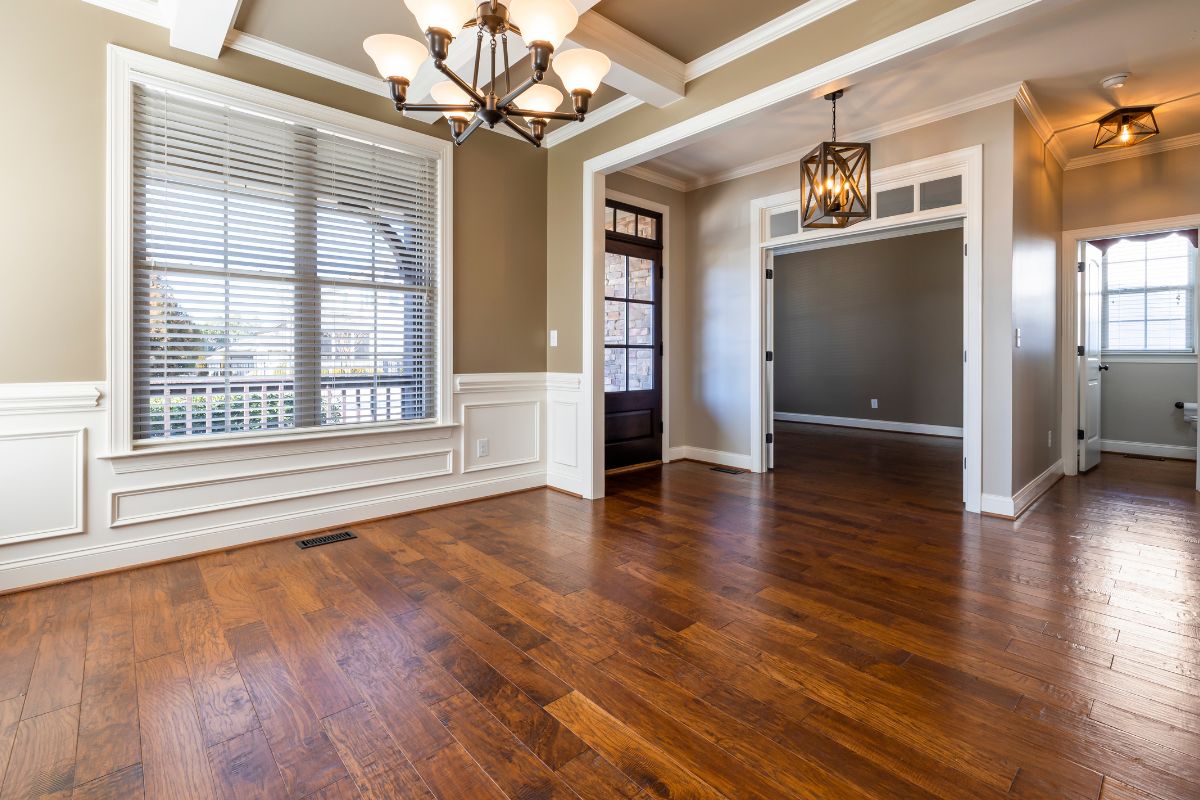
Considering how flooring affects acoustic comfort, thermal insulation, and overall feel encourages homeowners to think long-term, leading to greater satisfaction and confidence in their decision.
Hardwood and Engineered Wood
Natural and engineered wood flooring are among the most popular premium choices for living rooms, dining areas, and bedrooms where warmth and character are priorities.
Solid hardwood offers the authenticity of real timber, with the added benefit of being sanded and refinished multiple times over many decades of use.
Engineered wood offers much of the same aesthetic at a lower cost and with greater tolerance to moisture and underfloor heating, making it a highly practical alternative for ground-floor rooms and open-plan spaces where solid wood is not recommended.
Laminate Flooring
Laminate is a cost-effective option that replicates the appearance of wood or stone through a photographic layer sealed beneath a hard-wearing transparent surface.
Modern laminate products have improved significantly in recent years, with realistic textures, bevelled edges, and finishes that are difficult to distinguish from natural materials at a glance.
It is a particularly strong choice for rental properties and family homes where durability, ease of cleaning, and value for money are higher priorities than the ability to refinish the floor.
Some premium laminate ranges now include integrated underlays and enhanced acoustic layers, making them competitive with engineered wood in terms of comfort underfoot.
Luxury Vinyl Tile
Luxury vinyl tile, commonly referred to as LVT, is one of the fastest-growing flooring categories in the residential market and for good reason.
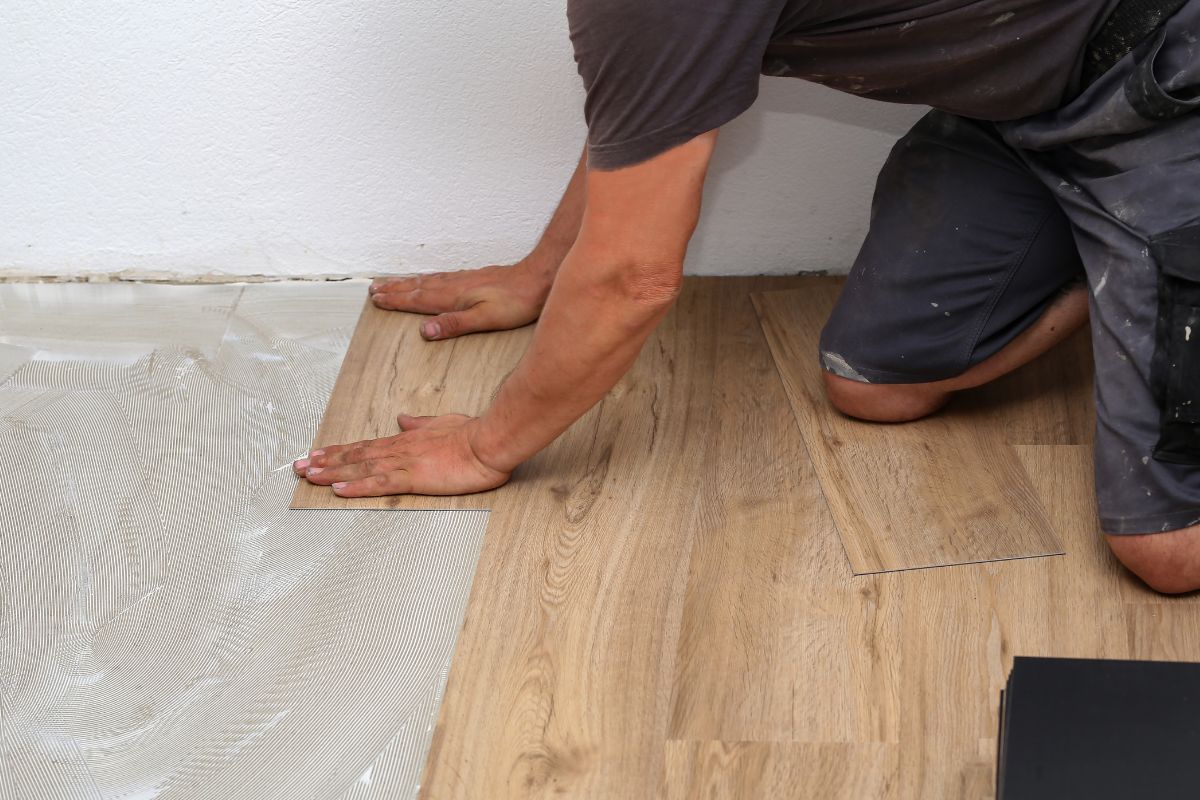
It is fully waterproof, highly durable, and comfortable underfoot, and it is available in a wide range of wood and stone effects that are extremely realistic in both appearance and texture.
LVT is suitable for virtually any room in the home, including bathrooms and kitchens where other flooring types cannot be used, and it can often be installed directly over many existing floor surfaces without extensive subfloor preparation.
Carpet
Carpet remains a widely used and practical choice for bedrooms, living rooms, and staircases, where softness, warmth, and acoustic comfort are valued over hard-wearing practicality.
Modern carpets are manufactured to considerably higher standards than earlier generations, with improved stain resistance, greater durability under foot traffic, and longer pile life.
The main considerations are that carpet can harbour allergens more readily than hard flooring and is not suitable for high-moisture environments, both of which are worth factoring into the decision if there are allergy sufferers in the household or the room is prone to dampness.
Making Your Final Decision
There is no single flooring type that works best in every situation, as the right choice depends on the specific room, the occupants and their habits, the existing subfloor, and the budget available.
A useful starting point is to list the practical requirements for each room before considering aesthetics: traffic levels, moisture exposure, heating type, and acceptable maintenance.
Consulting a flooring specialist before purchasing can prevent costly errors and ensure the product is fully compatible with the installation conditions and the long-term needs of the home.
Getting this step right up front is consistently more cost-effective than replacing an unsuitable floor a few years later.
