
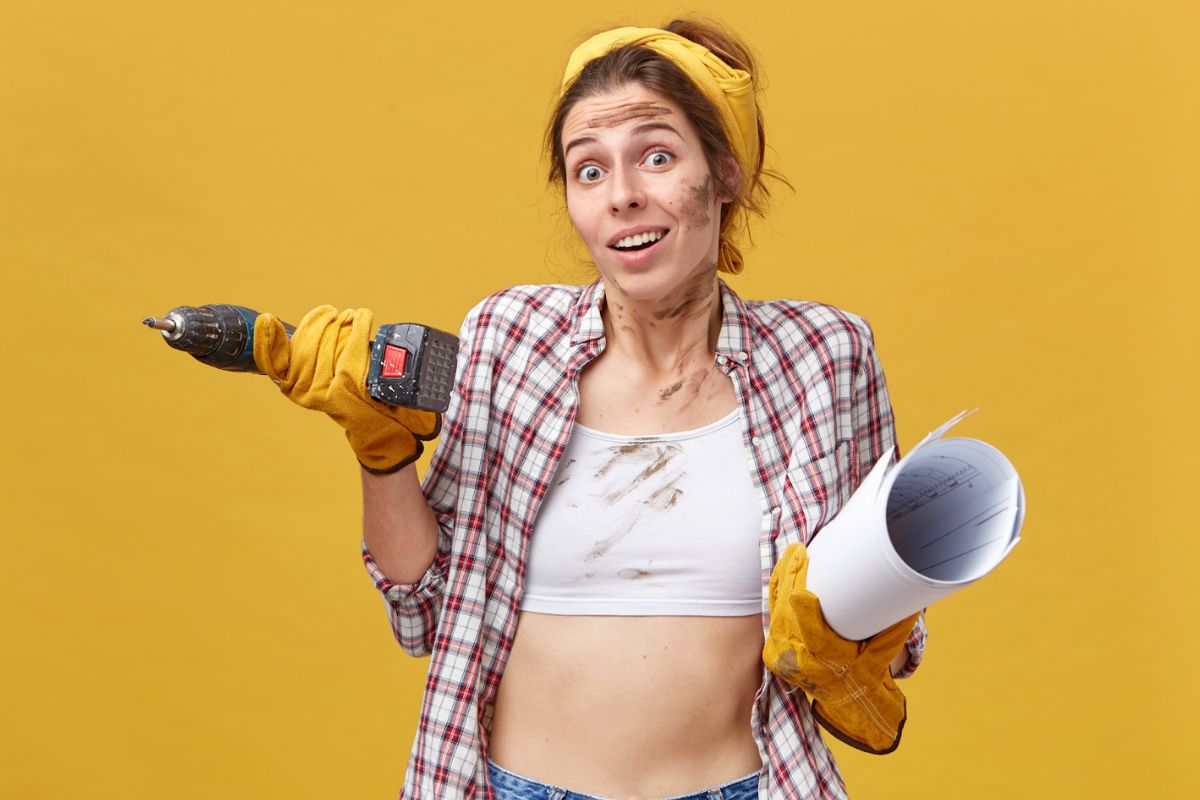
DIY home projects have never been more popular. Online tutorials make repairs look simple, hardware stores sell ready-to-install kits, and homeowners enjoy the satisfaction of fixing things themselves.
A loose railing, a flickering light, or a squeaky step feels manageable with a few tools and a free afternoon. Yet homes are complex systems, and small changes can alter how people move, see, and balance within a space.
While the primary goal of a home project is usually aesthetic or functional improvement, the unintended consequences of a mistake can lead to long-term legal and physical complications.
Navigating the aftermath of a renovation gone wrong can be overwhelming. This is why having access to seasoned experts like Michael Kelly Injury Lawyers provides essential clarity and professional legal assistance for those dealing with injuries resulting from hazardous environments.
Understanding the intersection of craftsmanship and safety is not just about avoiding a crooked shelf. It is about ensuring that the home remains a sanctuary rather than a site of preventable accidents.
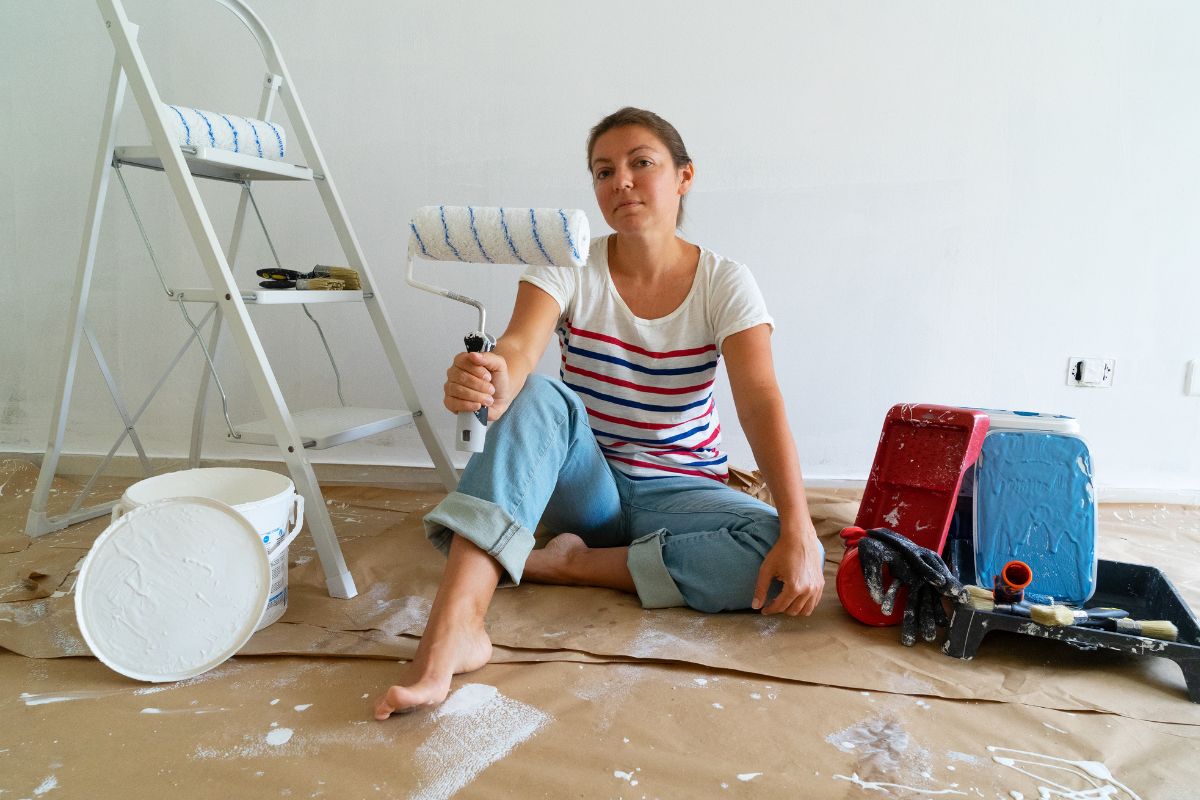
Why Minor Changes Affect Safety
People navigate their homes largely by habit. The brain memorizes step height, lighting patterns, and handrail locations. When a repair alters one of those elements, even slightly, the body reacts too slowly to compensate.
Researchers in ergonomics and building safety consistently note that balance depends on predictable surroundings.
For example, a stair riser that is only slightly taller than the others can cause a misstep because the brain anticipates uniform movement. Similarly, dim lighting changes depth perception, making it harder to judge distances.
Therefore, a repair that appears cosmetic can influence how someone walks, reaches, or turns. The hazard is not the project itself but the mismatch between human expectation and altered surroundings.
Temporary Fixes That Become Permanent Hazards
Many safety problems begin with a practical intention: “I’ll fix it properly later.” However, temporary solutions often remain for months or years.
Common Examples
- Tape securing loose carpeting
- A board covering a weak step
- Furniture blocking a damaged floor section
These solutions solve the immediate inconvenience but introduce unpredictability. Over time, family members adapt, yet visitors do not. A guest entering the home does not know where the floor dips or which step requires extra care.
Why They Matter
Temporary measures usually lack structural stability. Adhesives loosen, boards shift, and improvised supports fail without warning. Consequently, a hazard becomes more dangerous precisely because it appears stable.
Lighting: The Most Underestimated Safety Feature
Lighting is often treated as decoration, but it functions as a safety system. Human vision relies heavily on contrast and shadow. When illumination is uneven, the brain misjudges edges and depth.
Areas Where Lighting Is Critical
- Stairways
- Entryways
- Hallways at night
- Garages and basements
A dim bulb near a step can be enough to hide the elevation change. Likewise, glare from a bright overhead light can wash out shadows that help identify a floor transition.
Even healthy adults can lose balance when visual cues disappear. In practical terms, proper lighting prevents the body from guessing where surfaces begin and end.
Improper Installations and Structural Stress
Home fixtures do more than stay attached to walls; they also distribute force. When installation instructions are ignored, weight transfers to weak points.
High-risk Installations
- Wall-mounted shelves without studs
- Towel bars used as support rails
- Ceiling fixtures attached to drywall anchors only
- Heavy mirrors secured with decorative fasteners
Each item may hold up under normal use. However, people instinctively grab nearby objects when they slip. If a fixture pulls free, the fall becomes more severe.
What Professionals Consider
Professionals evaluate load-bearing capacity. Anchors, studs, and brackets are chosen based on expected force, not just the weight of the object, but the weight of a person relying on it unexpectedly.
Extension Cords and Electrical Shortcuts
Electrical convenience often conflicts with safety. Extension cords solve placement problems quickly, yet they also change walking paths.
Risks Created by Cords
- Tripping hazards across walkways
- Overheating under rugs
- Loosened connections from repeated foot traffic
While cords are safe when used temporarily and visibly, they become dangerous when hidden. Covering them with rugs removes visual warnings and increases heat buildup.
How Environment Shapes Behavior
People adjust movement unconsciously. When a home layout changes, the body’s learned patterns remain the same. This mismatch explains why residents often avoid injury while visitors do not.
For instance, a homeowner may remember that a step is uneven and slow down automatically. A guest, lacking that knowledge, moves normally and encounters unexpected resistance. Therefore, safety depends not only on familiarity but on predictability.
Preventive Maintenance That Protects Everyone
A safer home does not require expensive renovations. It requires attention to consistency and visibility.
Practical Safety Habits
- Repair stairs instead of covering them
- Install secure handrails on both sides
- Maintain bright, even lighting
- Keep walkways clear of cables
- Fix leaks that create slippery surfaces
These steps align with basic building safety guidance widely recommended by housing and safety authorities. Preventive maintenance reduces both inconvenience and injury risk.
Quick Reference: Repair Choices and Their Consequences
| Repair Approach | Short-Term Effect | Long-Term Safety Impact |
| Covering damage | Immediate convenience | Hidden hazard remains |
| Proper repair | Takes more time | Predictable and stable environment |
| Improvised support | Appears stable | May fail under stress |
| Code-appropriate installation | Requires planning | Handles unexpected force |
When to Seek Help
DIY projects are appropriate for cosmetic improvements and light maintenance. However, structural, electrical, and load-bearing work often requires trained expertise.
Consider Professional Help When
- A repair affects stairs or flooring
- A fixture must support body weight
- Wiring is involved
- Moisture weakens structural materials
Seeking help does not negate independence. Instead, it recognizes that buildings, like vehicles, depend on specialized systems.
The Real Lesson Behind Home Injuries
Most home injuries are not caused by dramatic failures but by subtle inconsistencies. A slightly uneven step, a dim hallway, or a loose railing changes how the body reacts in motion. The human brain expects patterns. When those patterns break, balance follows.
DIY projects remain valuable and empowering. Yet safety improves when homeowners understand how their repairs interact with human behavior. By focusing on predictability, stability, and visibility, homes remain both functional and secure.
Ultimately, responsible maintenance is not about fear — it is about foresight. A well-maintained home supports daily life quietly, allowing people to move naturally without thinking about each step. When repairs respect both structure and human movement, DIY and safety work together rather than compete.
