
Table of Contents
- Optimize Your Air Conditioning System
- Strategic Window Management
- Effective Use of Fans
- Minimize Heat from Appliances
- Enhance Home Insulation
- Implement Outdoor Shading Solutions
- Control Indoor Humidity Levels
- Regular Maintenance and Upkeep
As summer temperatures soar, many homeowners focus on keeping their living spaces cool and inviting while keeping energy use and costs in check.
Successful cooling is not just about blasting the air conditioning, but about combining smart habits, home improvements, and regular upkeep.
When issues do arise, securing AC repair in Manasquan, NJ ensures your system runs efficiently and effectively when you need it most.
From optimizing mechanical systems to making simple changes around the house, there are several ways to both increase comfort and improve energy savings.
By implementing these proven strategies, you can transform your home into a refreshing retreat even on the hottest days, while protecting both your budget and the environment.
Optimize Your Air Conditioning System
A well-maintained air conditioning (AC) system is foundational for summer comfort. Start by replacing or cleaning the filters every three months, or more often if you have pets or allergies.
Dirty filters force your system to work harder, reducing efficiency and shortening the unit’s life span. Combining this routine filter care with annual professional inspections can help spot refrigerant leaks or faulty parts before they create bigger problems.
For further AC tips, Energy Star’s guidelines on cooling system care provide practical advice for maintaining peak performance.
Thermostat management is another key factor. Use programmable or smart thermostats to schedule temperature adjustments throughout the day.
For example, setting your thermostat a few degrees higher when you’re out can yield substantial savings without sacrificing comfort when you return. Also, remember to keep doors and vents open where cooling is required, so air circulates freely.
Strategic Window Management
Windows act as gateways for heat, with south- and west-facing panes being especially vulnerable during peak sun hours. Keeping blinds, curtains, or shades drawn during the day can reduce indoor temperatures noticeably.
Thermal drapes or blackout curtains add an extra layer of insulation, limiting heat infiltration. In the evening, windows can be opened to promote natural airflow, taking advantage of cooler outdoor temperatures.
If you’re looking for a cost-effective upgrade, consider installing window films or solar screens, which block a significant portion of incoming solar energy.
These options are particularly valuable in rooms that receive intense, direct sunlight for most of the day. Small window adjustments can make a substantial difference in comfort and cooling efficiency.
Effective Use of Fans
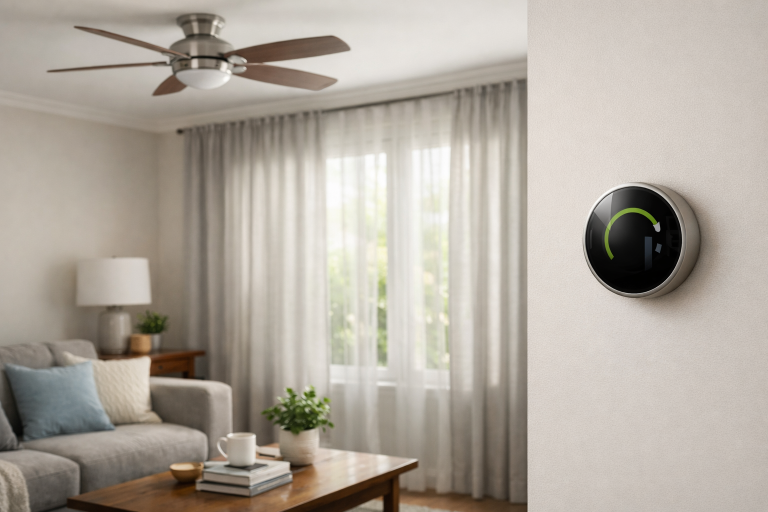
Fans, whether ceiling-mounted or portable, enhance comfort by moving air and creating a breeze that makes it feel cooler.
For best results, set your ceiling fan to spin counterclockwise, which pushes cool air downward and increases the wind-chill effect.
Box or window fans can be leveraged to bring in fresh air in the morning and evening, while expelling hot air during the heat of the day.
Use fans in conjunction with your AC unit to reduce overall reliance on air conditioning. Room fans can help distribute cold air more evenly, allowing you to set the thermostat a few degrees higher without compromising comfort. Even attic fans play a role, expelling trapped hot air and reducing cooling demand below.
Minimize Heat from Appliances
Major appliances like ovens, stoves, dryers, and dishwashers release significant amounts of heat. Try to use these devices early or late in the day when it is cooler.
Relying on the microwave or opting to grill outdoors can also keep your home from heating up unnecessarily. Additionally, switching to energy-efficient appliances can reduce both heat output and energy consumption.
Another tip is to unplug electronics and chargers when they are not in use, as many continue to generate residual heat and consume energy even when turned off.
Lighting also plays a role. Switching to LED bulbs instead of incandescent ones can drastically cut the heat given off in your rooms.
Enhance Home Insulation
Adequate insulation is not only for winter comfort but is crucial for summer efficiency too. Insulating attics, walls, and even floors helps keep hot air out and cool air in.
Check weather stripping and seals around doors and windows, replacing any worn or missing sections to avoid unwanted drafts and heat entry. Investing in improved insulation also pays dividends year-round by lowering overall energy use.
Don’t forget about less obvious leaks—attic hatches, recessed lighting, and crawl spaces often let in heat without you realizing it.
Simple fixes, such as adding caulk or using expanding foam around gaps and cracks, can go a long way to keep your home cooler with less energy spent.
Implement Outdoor Shading Solutions
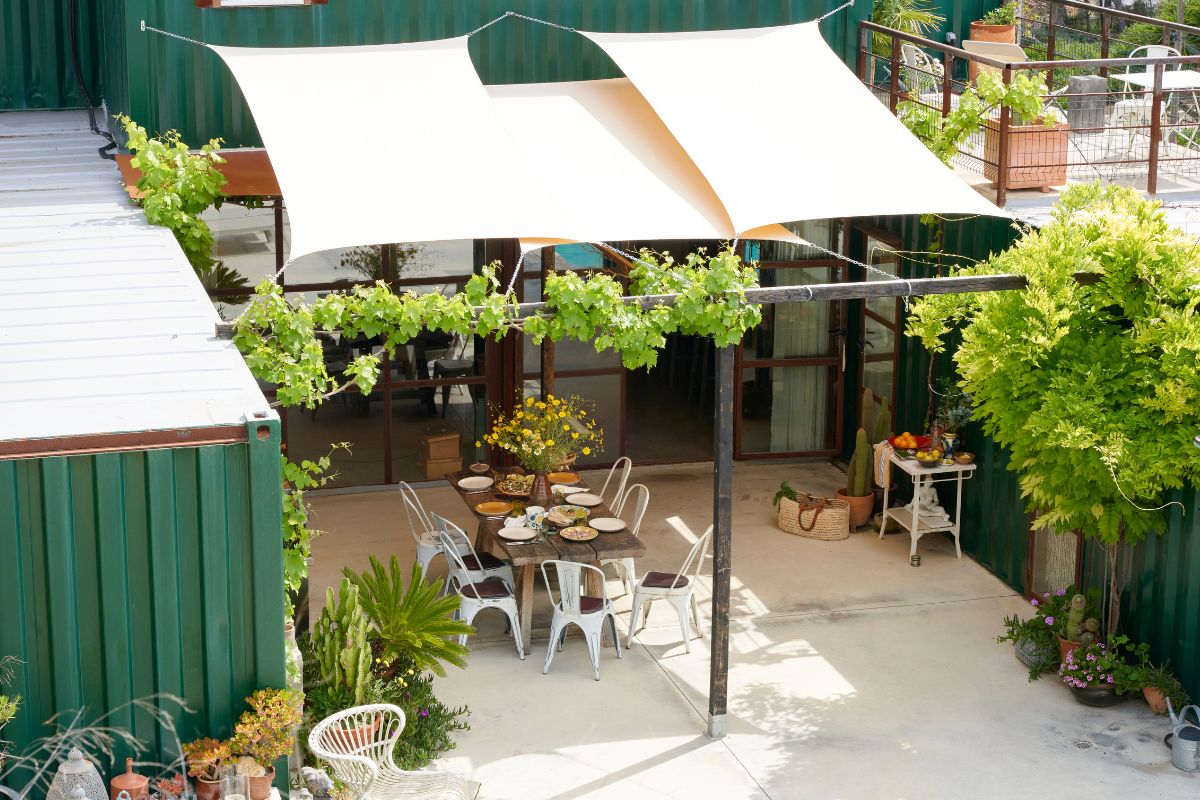
Outdoor shading features, like awnings, pergolas, or even well-placed shade trees, can keep sunlight from hitting windows and exterior walls, dramatically lowering indoor temperatures.
Landscaping with deciduous trees offers a bonus: their leaves block summer sun, then allow light through when bare in winter. These upgrades not only cut energy costs but also add to your patio or garden’s aesthetic appeal.
For smaller spaces or patios, shade sails or trellises with climbing plants can also provide cooling shade with quick installation and minimal expense.
Even simple patio umbrellas can make a noticeable difference, making outdoor living spaces more comfortable during the midday sun.
Control Indoor Humidity Levels
Humidity amplifies heat’s impact indoors. Using a dehumidifier can quickly enhance comfort by lowering moisture levels, making your home feel cooler at the same thermostat setting.
Be sure to ventilate moisture-prone areas like bathrooms and kitchens using exhaust fans or open windows to prevent humidity buildup and inhibit mold growth.
Houseplants, on the other hand, can sometimes increase humidity indoors. If you notice excess moisture, consider moving plants outside during the hottest part of the season.
Regularly empty and clean dehumidifier reservoirs, and monitor your indoor humidity with a hygrometer for optimal comfort.
Regular Maintenance and Upkeep
Protecting your comfort means routine upkeep for all cooling systems and airtight features in your home.
Alongside HVAC tune-ups, clean fan blades, unclog vents, and inspect attic and basement insulation every season. This not only ensures top performance but also extends equipment lifespan, saving money in the long run.
Regularly check outdoor AC units to ensure there is no debris buildup or plant overgrowth blocking airflow. It is also wise to note any changes in system performance or unusual noises.
These can signal potential problems that are best addressed promptly by professionals. Creating a seasonal maintenance checklist can help you stay consistent with these important tasks.
Incorporating these simple yet effective cooling strategies provides dependable comfort all summer, increases your home’s efficiency, and helps lower energy expenses.
Focusing on both mechanical and natural solutions provides lasting improvements, ensuring your home remains a cool oasis even during the hottest months.
