
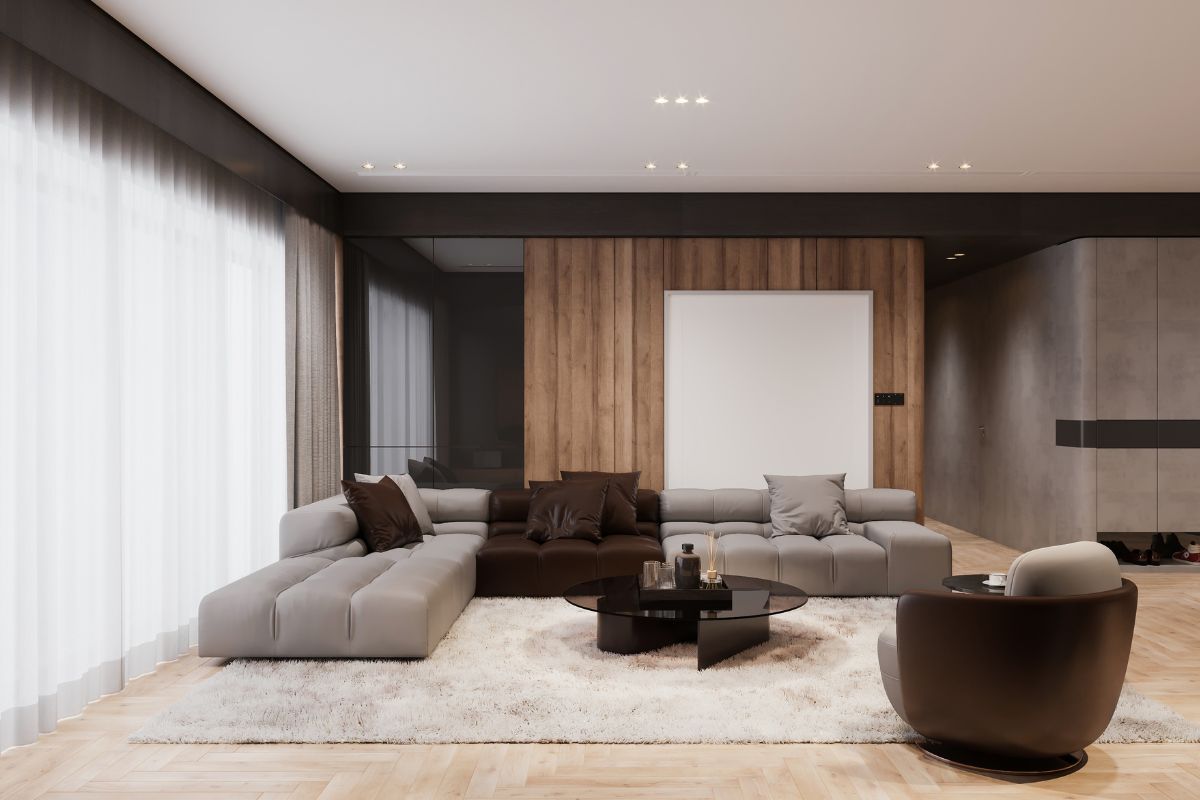
Investing in the structural soundness and beauty of your property is a journey that turns a simple building into a place of comfort and efficiency.
Many homeowners try to make small changes to the look of their homes on their own, but when it comes to making structural changes, they often need the help of a professional home renovation company.
These professionals are very organized when it comes to managing projects. They make sure that every step, from the first architectural drawings to the last coat of paint, follows local building codes and safety standards.
Working with a dedicated team can help you get around the logistical problems of finding high-quality materials and coordinating specialized trades.
In the end, this will lead to a finished product that greatly raises the market value and livability of your home.
Managing sound interference is one of the biggest problems when modernizing older homes, especially when turning a lower level into a secondary suite or a media room.
To make a quiet space where noise from people walking on the floor and noise from the air don’t travel between floors, you need to learn how to soundproof basement ceiling surfaces.
The process usually involves a multi-layered approach that includes adding weight to the structure, separating the ceiling from the floor joists, and sealing any gaps where air can get in.
Sound travels like water, looking for the path of least resistance. Even a small gap around a light fixture can make the whole installation less effective.
To get a “dead” acoustic space that really gives you privacy and quiet, you need to know these physical laws.
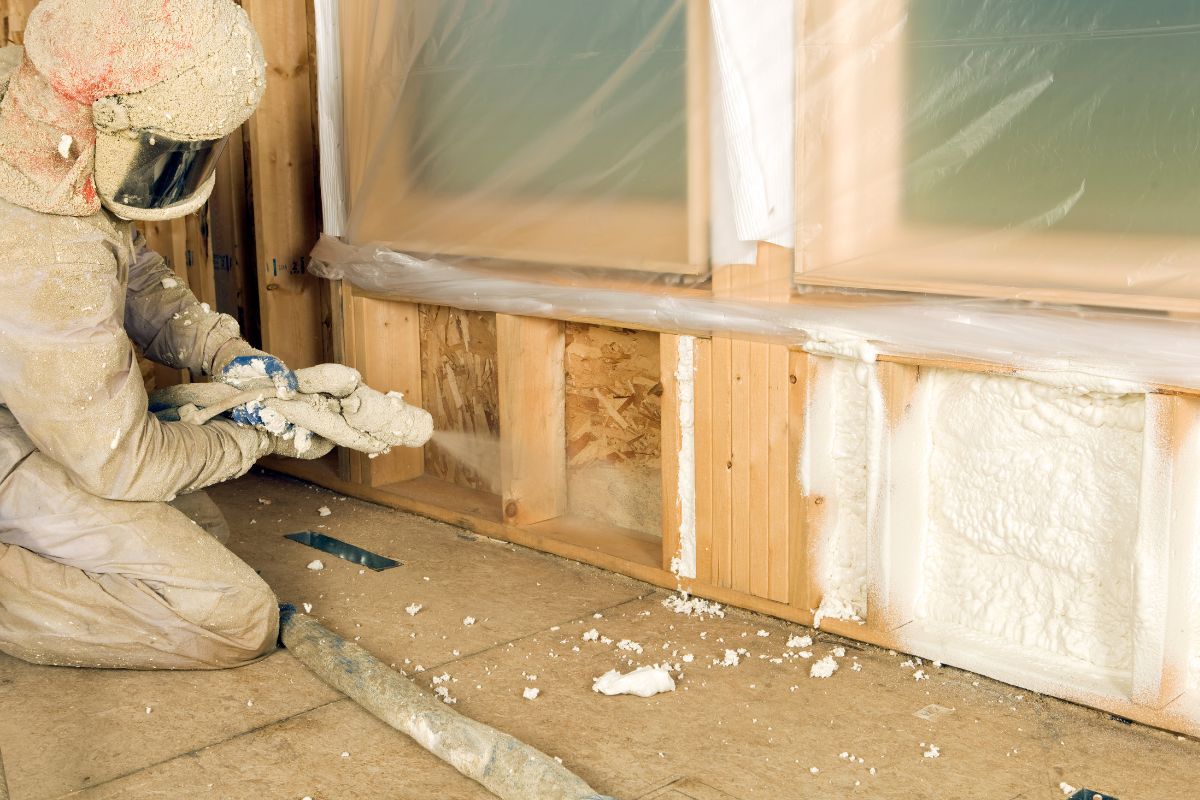
The Science of Reducing Sound
To effectively reduce noise, you need to know the difference between impact noise (like footsteps) and airborne noise (like voices or music). Impact noise is structural, which means that the vibration goes straight through the wood framing.
To fix this, a home renovation company might suggest putting in sound isolation clips or resilient channels.
These metal tracks work like shock absorbers by keeping the drywall and joists apart so that vibrations can’t easily pass through.
This “decoupling” is probably the most important part of a professional soundproofing job because it breaks the physical link that lets sound move.
After the decoupling phase, adding special insulation like mineral wool or fiberglass helps to soak up sound waves in the space.
Acoustic batts are denser than regular thermal insulation and are made to trap sounds in the middle to high frequency range.
Adding a layer of “Mass Loaded Vinyl” (MLV) or using two layers of 5/8-inch drywall with a damping compound like Green Glue between them can make a barrier that is almost impossible to break through for those who want the best performance.
This “sandwich” method adds the right amount of weight to the ceiling, which makes it much harder for sound energy to shake the surface.
Renovations That Are Good For The Whole House And Look Modern
A full remodel can include modern lighting and climate control in addition to the technical aspects of acoustics.
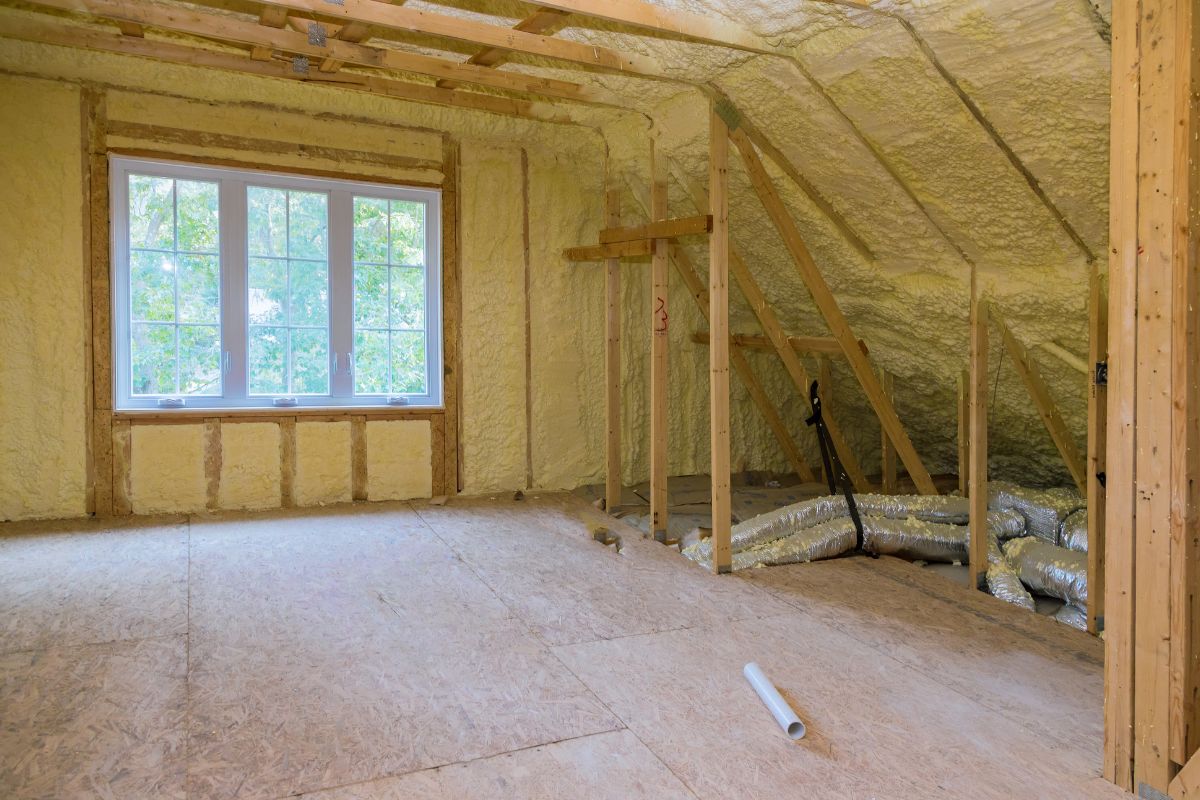
If you’re already digging into your ceiling to put in soundproofing, now is the perfect time to switch to recessed LED lights or add smart-home sensors.
These changes not only make the space more useful, but they also let you control different areas of the basement separately, so they can have different moods and temperatures.
A professional team can make sure that these electrical runs don’t cause “sound leaks” by wrapping the electrical boxes in special putty pads and keeping the acoustic seal intact.
The look of a remodeled basement should feel like a natural extension of the main floor, not something that was added on later.
You can have both utility and luxury in your home with high-quality trim, custom cabinets, and long-lasting flooring options like luxury vinyl plank or engineered hardwood.
You can make a space that is both beautiful and long-lasting by paying attention to both the visible finishes and the things that aren’t visible, like soundproofing and insulation.
This balanced approach makes sure that your investment pays off in both short-term enjoyment and long-term equity.
Planning for a Long Life
In the end, the details are what make a home improvement project successful. It’s important to pick the right materials for the weather, make sure there are good moisture barriers, and choose a design that won’t go out of style.
The basic rules for good construction stay the same whether you are making a quiet home office, a fun playroom, or a comfortable guest room.
By doing some research on the best ways to reduce noise and improve the structure of your home, you can build a home that will last for a long time and be a quiet, comfortable place for everyone who lives there.
