
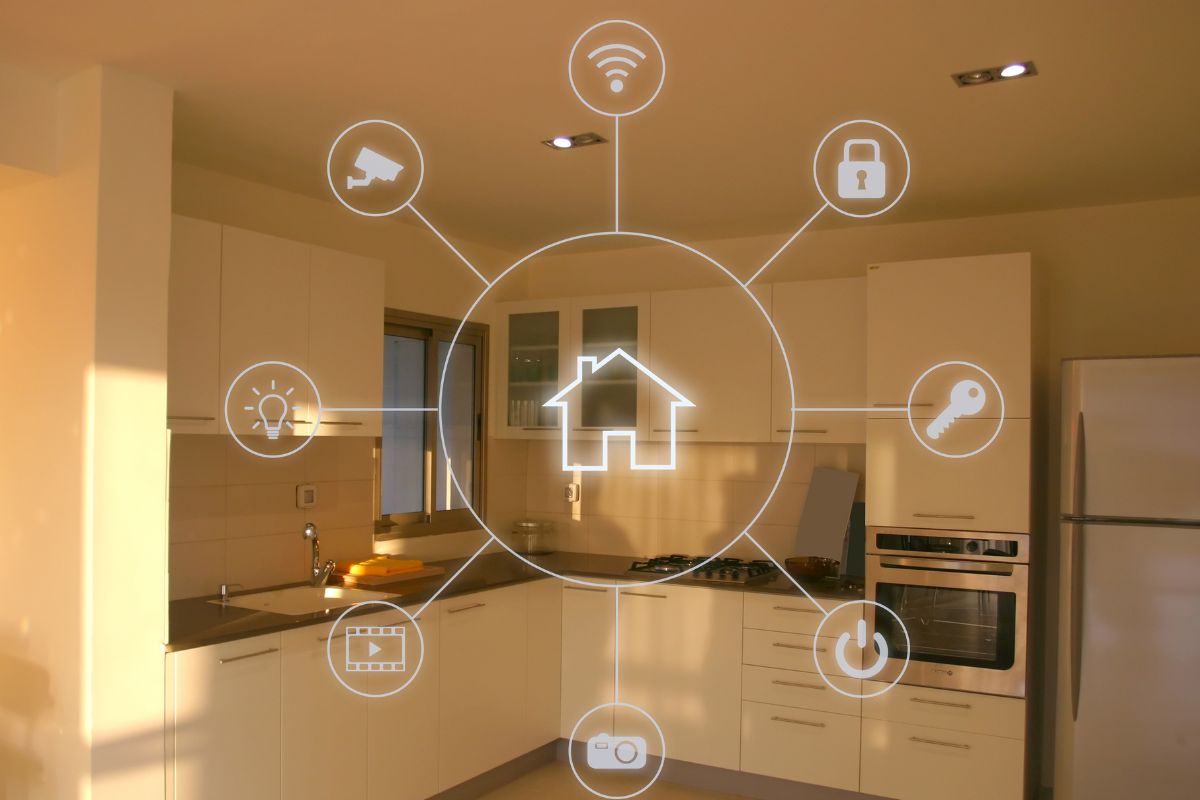
A minimalist home doesn’t mean empty white walls and furniture you’re afraid to sit on.
It’s about creating a space that feels calm, intentional, and uncluttered—both physically and digitally.
When smart tech joins the picture, the goal isn’t to fill your home with blinking lights and unnecessary gadgets. It’s to make everyday living smoother without crowding your life.
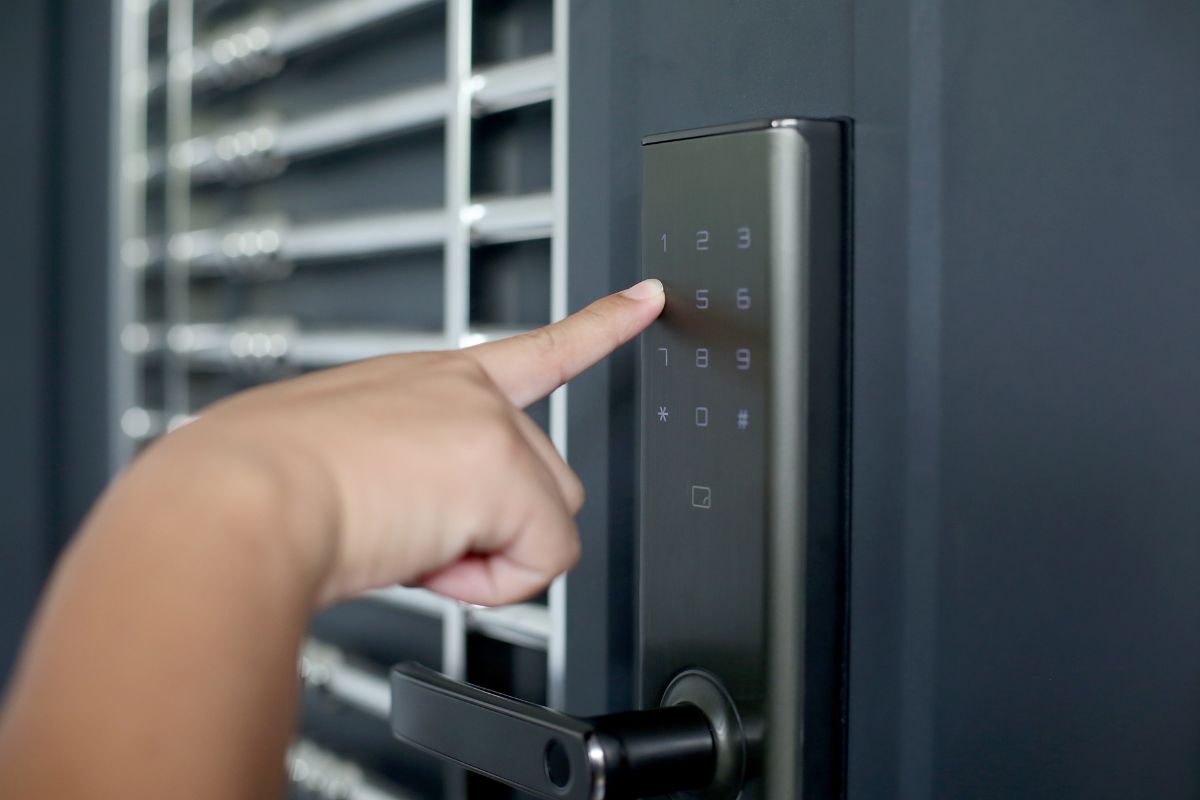
That’s why the first smart feature many people choose is a smart lock for door security. It’s small, invisible most of the time, and changes the way you interact with your home.
This kind of seamless integration is the heart of a minimalist smart home. It’s not about owning more things. It’s about having fewer things that do more for you.
Clean Design Starts with Smart Control
A minimalist space should feel effortless. That begins with control systems that let you manage everything without needing a dozen remotes or cluttered control panels.
Smart home hubs or voice assistants like Google Home or Alexa can centralize your system and reduce visual noise.
Instead of switches and buttons everywhere, you control your lights, blinds, music, and climate from your phone or voice.
Want the lights to dim when you start a movie? Set a routine. Prefer the thermostat to adjust after sunset?
It can do that, quietly and without fuss. The goal is to simplify, not complicate.
Clean design isn’t just about what you see. It’s about reducing mental load.
When your tech understands your routine, your home feels like it’s working with you, not against you.
Lighting That Adjusts, Not Distracts
Minimalist lighting should be subtle, soft, and smart. Forget overly bright overheads or tangled floor lamps.
Instead, choose smart bulbs or dimmable fixtures you can control with a tap or voice command.
Warm light in the evening and cooler light during the day isn’t just comfortable. It also supports natural rhythms and helps you sleep better.
You can even schedule your lighting to adjust automatically as the day goes on. No more switching lights on and off. It just happens.
Want the ultimate minimalist move? Use hidden lighting under cabinets, behind shelves, or integrated into ceiling edges.
When the light source disappears but the glow remains, the space feels bigger, cleaner, and calmer.
Security That Doesn’t Stand Out
Security doesn’t have to mean bulky cameras or ugly alarm panels. A modern minimalist home can still be protected with subtle tech that blends in.
A smart video doorbell, discreet motion sensors, or small indoor cameras keep your home safe without ruining the design.
And of course, a smart lock keeps things smooth and stylish. You can unlock the door with your phone, fingerprint, or even a voice command.
No need to hang keys on the wall or leave a spare under the mat. Better yet, you can see who’s coming and going, and give access to others without handing out a physical key.
A well-designed smart security system gives you peace of mind without becoming a focal point of your home.
Climate Control That Just Works
In a minimalist home, comfort should be built-in. That includes the way your house handles temperature.
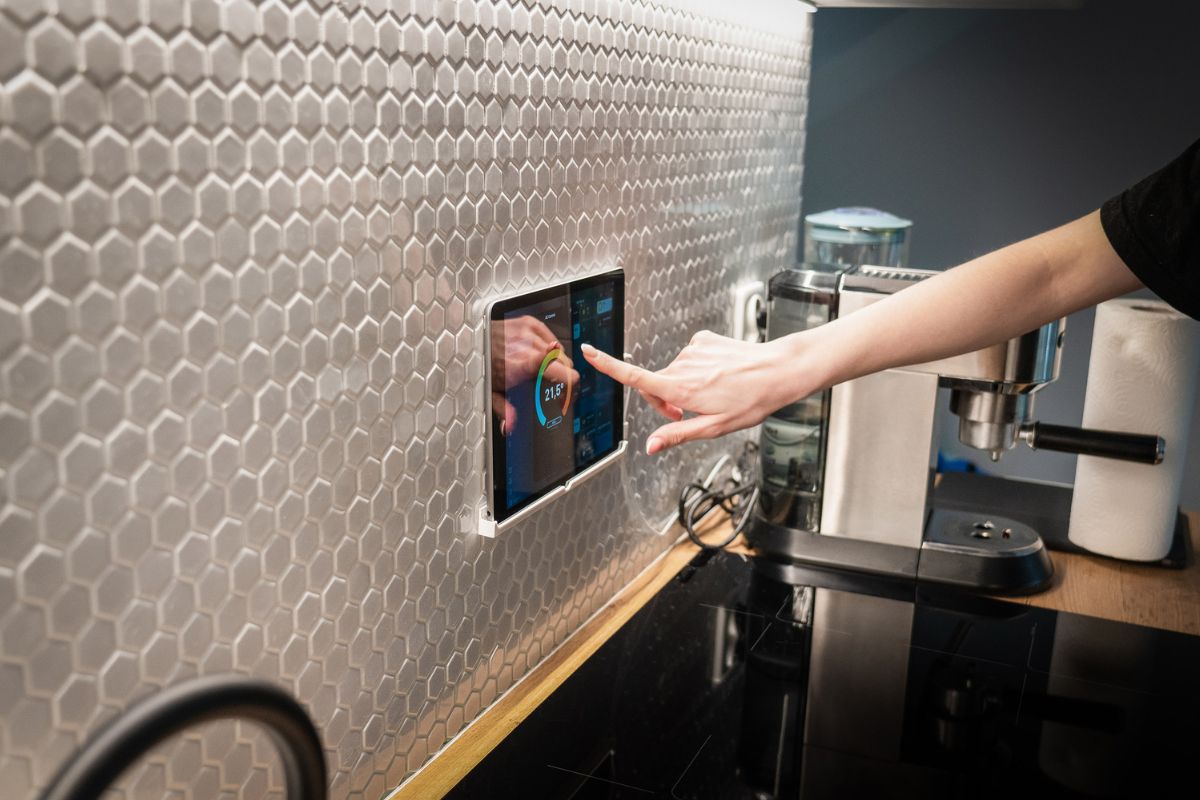
Smart thermostats can learn your habits, adjust based on the weather, and keep the space feeling just right.
Many of them also let you set different temperatures in different rooms. That means less wasted energy and more personalized comfort.
You can even connect them to window sensors or your geolocation to pause the HVAC when no one’s home.
It’s the kind of quiet intelligence that defines a smart minimalist home. You don’t see it or think about it often, but you feel the result every day.
Furniture That Charges and Connects
One of the easiest ways to embrace minimalism with tech is to hide it in plain sight.
Look for furniture with built-in charging ports, wireless charging pads, or cable management systems. A side table with a hidden outlet is more valuable than one with extra drawers.
Smart speakers or lighting can be disguised inside vases, shelves, or even light fixtures.
The idea is to reduce the number of standalone gadgets on display while keeping their function intact.
Minimalism doesn’t mean giving up function. It means combining it in clever ways that feel natural and seamless.
Automations That Anticipate You
The most powerful smart homes are the ones that know what you need before you ask. That’s where automation comes in.
You can set your blinds to open with the sunrise, your coffee machine to start brewing before your alarm, and your front lights to turn on when you arrive home.
These small touches make a big impact. They remove friction from your day and free up your attention for the things that matter.
And because everything is happening behind the scenes, your space stays clean, calm, and focused.
Automations are the final layer in a well-designed, minimalist smart home. They turn a collection of smart devices into something that feels truly intelligent.
