

Key Takeaways
- Start by thoroughly identifying and assessing the unique risks your business faces.
- Create a detailed plan that proactively prioritizes and addresses those risks.
- Implement measures such as training, technology updates, and comprehensive insurance coverage to mitigate risk.
- Schedule regular reviews to keep your strategy relevant to changing conditions.
Managing risks is a fundamental aspect of running a successful small business. Without structured approaches to prevent or reduce potential threats, companies may face unanticipated financial setbacks or disruptions that can impede their growth.
By implementing a thoughtful risk management strategy, owners protect their operations, financial resources, and employees from a wide array of possible hazards.
For many small businesses, choosing robust business insurance coverage is a foundation of their risk management process.
Learn more about The Hartford small business insurance to help safeguard your business from uncertainties.
Many business owners underestimate the importance of risk management until a challenge arises that threatens their livelihood.
However, proactive planning enables companies to become more resilient and less vulnerable to unexpected events.
Step-by-step identification and assessment of risks, followed by targeted action, can mean the difference between overcoming a setback and suffering significant loss.
Solid risk management methods are designed to keep businesses operational even in times of crisis.
Understanding Risk Management
Risk management is the continuous process of discovering, analyzing, and responding to potential business threats.
In the context of small businesses, these risks can range from economic shifts to cyberattacks to internal mismanagement.
Developing a strategic, disciplined risk management framework equips businesses with the tools to identify vulnerabilities before they escalate.
According to the Inc. Guide to Business Risk, even a seemingly minor oversight can spiral into a major setback without a contingency plan in place.
Companies that master risk management build a culture of preparedness. Leaders and employees learn to anticipate problems and take action early, greatly improving their ability to maintain stable, long-term growth.
These organizations also benefit from increased credibility with partners, clients, and regulators because they have demonstrable plans in place.
Identifying Potential Risks
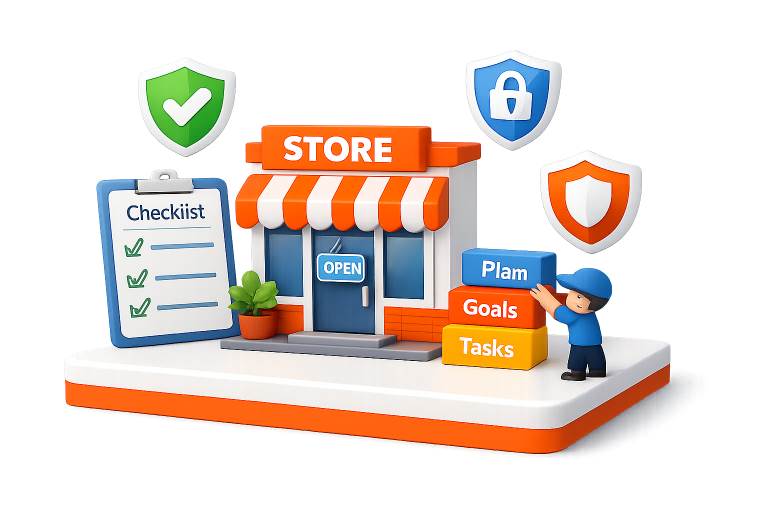
The foundation of effective risk management is a comprehensive assessment that pinpoints threats both within and outside the organization.
External risks can include shifting market dynamics, new competitors, evolving regulations, or changes in customer behavior.
Internal threats may be operational weaknesses, insecure IT systems, or gaps in employee training. Including your team in the discovery process adds valuable insight, as personnel from different departments often recognize unique problems or inefficiencies.
Start by mapping key business functions and identifying potential disruptions using tools like SWOT analysis.
Conduct a comprehensive risk assessment that considers external threats like market shifts, new competitors, regulations, or customer changes, and internal issues such as operational weaknesses, insecure IT, or training gaps. Involving your team can uncover unique problems and inefficiencies.
Developing a Risk Management Plan
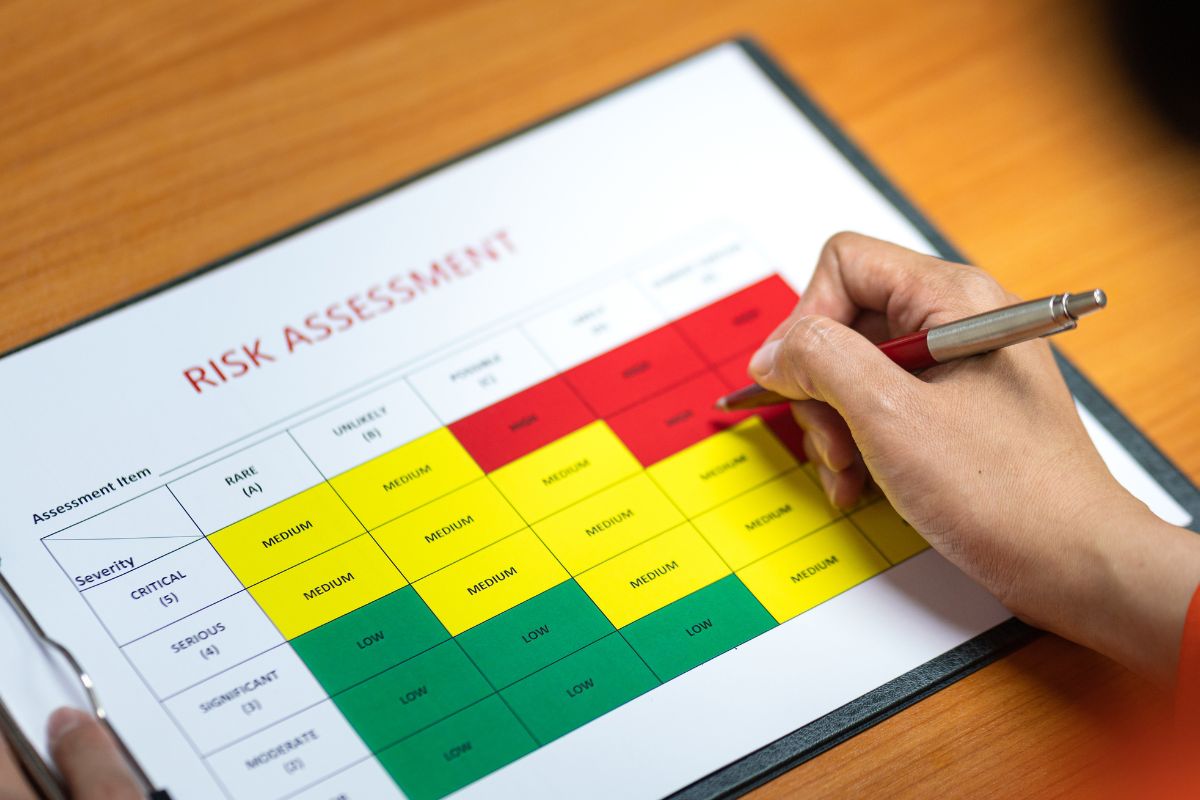
To develop an effective risk management plan, start by cataloging potential risks and ranking them based on severity and likelihood. Prioritize the most significant risks as they pose the greatest threat to your business.
For each prioritized risk, define specific mitigation strategies, such as strengthening cybersecurity measures, increasing staffing during peak demand periods, or establishing backup financial systems.
Responsibilities should be assigned to respective team members or departments to promote accountability.
Additionally, implement a monitoring and review process with benchmarks to regularly assess progress and adjust strategies in response to changes in the business environment.
Implementing Proactive Measures
Proactive measures are essential to mitigate risks and prevent them from escalating into disasters.
It is crucial to involve all staff in regular training focused on responding to common emergencies, such as workplace accidents and data breaches.
The process of upgrading both software and hardware is a significant safeguard against cyber threats and technical issues that could compromise sensitive business information.
Additionally, obtaining appropriate insurance coverage can provide crucial financial support in the event of unexpected occurrences, thereby ensuring business continuity.
In terms of employee training, organizations should implement safety drills, provide updated training manuals, and cultivate a culture that prioritizes employee safety.
For technology safeguards, utilizing the latest cybersecurity solutions, maintaining secure backups, and controlling access to sensitive data are fundamental.
Lastly, it is advisable to conduct an annual review of the insurance portfolio to accommodate any changes in operations, location, or staffing structures as the business evolves.
Regular Review and Adaptation
Once a risk management strategy is in place, it should not remain static. Schedule routine audits to ensure your plan addresses emerging challenges.
Market trends, supply chain issues, new regulations, and technology shifts can all require an updated approach.
Keeping all documentation clear and up to date will enable swift adaptation when new risks arise, allowing your business to maintain a competitive and secure foundation.
Leveraging External Resources
External guidance is often invaluable when building out a robust risk management program.
The U.S. Small Business Administration provides extensive resources to help companies understand what coverage or regulatory compliance might be necessary.
In addition, reviewing expert research and case studies, such as those in the Gallagher risk management report, can offer practical strategies and inspire innovative approaches tailored to your company’s specific needs.
Conclusion
Investing time and resources into a comprehensive risk management program empowers small businesses to face the future with greater assurance.
Thoughtful planning, clear communication, regular system updates, and a proactive mindset all contribute to a resilient and adaptable organization.
By prioritizing risk management, small companies not only protect themselves from negative impacts but also position themselves to capitalize on opportunities and grow confidently in a dynamic landscape.
