

Buying a home in a new neighborhood is exciting, but it comes with more than just a property. You are joining a community with shared spaces, rules, and responsibilities.
Many new communities start under developer control, which can feel confusing if you don’t know what to expect. Understanding the transition process from developer to resident control is crucial.
Families who know the steps and responsibilities are better prepared to protect their interests and shape a neighborhood that works for them.
Understanding Developer Control
When a community is new, the developer usually manages everything. They set up the homeowners association, handle budgets, decide on amenities, and enforce rules.
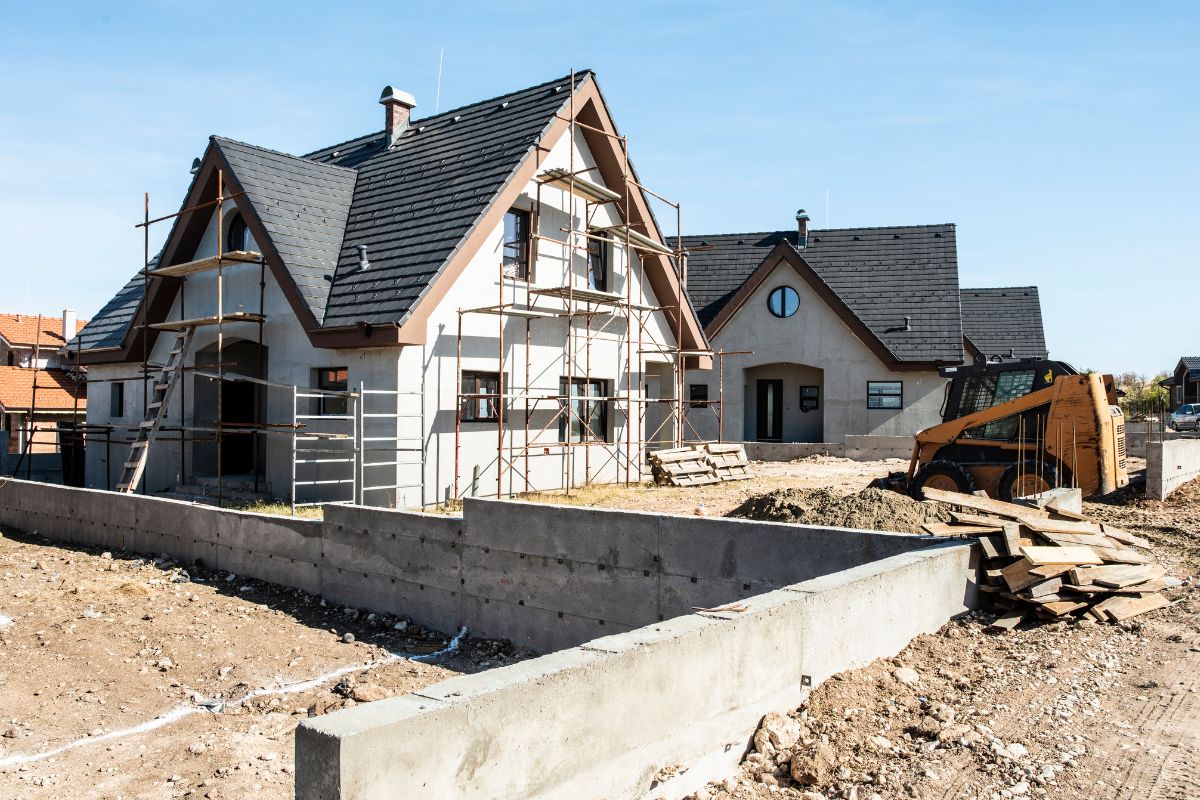
They may also manage landscaping, maintain common areas, and handle initial repairs. During this period, residents have limited influence over decisions.
It is important to observe how the developer operates and take note of any issues. Knowing the baseline helps you prepare for when residents gain control.
The Role of Transitioning Your HOA
Transitioning your HOA is the stage where residents take over management responsibilities from the developer.
This process can include reviewing budgets, taking control of community funds, and electing a resident board. It may also involve evaluating amenities, updating rules, and setting long-term goals.
Families who understand this process can actively participate, ensuring their neighborhood meets their needs. Engaged residents influence decisions that affect safety, lifestyle, and property value.
Reviewing Governing Documents
HOAs operate under governing documents like covenants, conditions, and restrictions. These documents outline what residents can do, how the board operates, and how funds are managed.
Reviewing them early gives families clarity on responsibilities and rights. It helps avoid conflicts and ensures residents understand the process for making changes.
These documents are the roadmap for how the community functions and are essential for effective participation.
Inspecting Amenities and Shared Spaces
New communities often come with amenities like parks, playgrounds, pools, or fitness areas. Before full control passes to residents, it is wise to inspect these areas.
Check for safety, proper installation, and adequate maintenance. Identify missing features or potential hazards and share this feedback with the board.
Addressing these issues early ensures amenities are ready for everyday use and supports a safe environment for families and children.
Financial Awareness and Budget Planning
One of the biggest changes during the transition is financial responsibility. Residents assume control of the HOA budget, maintenance funds, and upcoming projects.
Families should review the financial statements, reserve funds, and any pending assessments. Ask about ongoing maintenance, planned upgrades, and anticipated expenses.
Understanding the budget helps avoid surprises and allows residents to make informed decisions. It also ensures that funds are allocated to priority areas, like safety and amenities.
Engaging With the Board
Clear communication with the HOA board is critical. Attend meetings, ask questions, and provide feedback. Participate in committees or discussions about neighborhood priorities.
Open dialogue builds trust and ensures your family’s voice is heard. Boards are more likely to take resident concerns seriously when suggestions are presented politely and constructively.
Active participation also strengthens relationships with neighbors and encourages community involvement.
Advocating for Family Needs
As residents take control, families can advocate for features that support children and households. Playgrounds, walking paths, sports courts, and community centers improve daily life.
Discuss priorities with the board and other residents to ensure family needs are addressed. Collective advocacy is powerful, especially when multiple families support the same goals.
By highlighting benefits for everyone, such as increased property value and safer spaces, families make a compelling case.

Planning for Long-Term Success
Transitioning from developer to resident control sets the foundation for the neighborhood’s future. Families should focus on sustainability, maintenance, and ongoing engagement.
Encourage the board to establish long-term plans for repairs, safety upgrades, and community programs.
Staying involved ensures that the HOA remains proactive, responsive, and aligned with residents’ needs. Long-term planning also helps maintain property values and the quality of life for all families.
Building a Community Culture
Beyond rules and amenities, families can shape the culture of the neighborhood. Hosting events, creating walking groups, or volunteering for HOA tasks fosters a sense of belonging.
A strong community culture encourages residents to respect shared spaces, follow rules, and participate in programs.
Engaged families model good behavior for new residents, helping the neighborhood thrive over time. Social activities also build connections that make the community feel safe and welcoming.
Conclusion
Transitioning from developer control to resident management is an important step in creating a thriving neighborhood.
Families need to understand the process, review governing documents, inspect amenities, and engage with the board.
By advocating for family-friendly spaces, staying financially aware, and participating in long-term planning, residents ensure their community meets their needs.
Active involvement shapes a neighborhood that is safe, welcoming, and well-managed. With knowledge, patience, and collaboration, families can enjoy their homes and help their community flourish for years to come.
