
Step into any busy restaurant, open-plan office or trendy co-working hub and you notice the same thing before you even look at the decor: the sound.
The low roar of overlapping conversations, the clatter of cups, the constant hum of air conditioning and traffic.
For years, interior trends focused on what we see – colours, furniture, statement lighting – while leaving our ears to fend for themselves. That is now changing, and acoustic design is moving from backstage to the spotlight.
At the centre of this shift stand a deceptively simple tool: acoustic panels. These are no longer the dull, grey foam tiles you might remember from old recording studios.
Today’s versions shape how rooms feel, how people focus and even how long guests stay for another drink.
From Echo Chambers To Human Spaces
Modern architecture loves hard surfaces. Concrete floors, glass walls and minimalist furniture create clean lines and striking photos, but they also turn rooms into echo chambers.
Sound bounces off every surface, amplifying noise and blurring speech. The result is visual beauty paired with mental fatigue.
Acoustic panels step in as a kind of invisible comfort layer. Mounted on ceilings or walls, they absorb and diffuse sound waves, reducing reverberation time.
That technical term simply describes how long a sound hangs in the air after it is made. When it is too long, every cough, keyboard tap and chair scrape lingers.
When it is tuned correctly, voices become clearer and background noise fades into a soft, manageable murmur.
The effect is not just pleasant; it changes behaviour. In restaurants with controlled acoustics, people lean back instead of forward, speak in normal tones instead of shouting and stay longer because they do not leave with ringing ears.
In offices, colleagues feel less drained at the end of the day because their brains are not constantly working to filter out chaos.
The New Status Symbol In Office Design
Hybrid work has forced companies to rethink what an office is for.
If staff only come in a few days a week, those days must be worth the commute. That means fewer rows of desks and more collaboration zones, focus rooms and informal lounges.
Sound becomes the invisible architecture that holds these zones together. Glass meeting pods without proper acoustic treatment quickly turn into fishbowls of distraction. Open collaboration areas bleed into quiet corners unless sound is carefully managed.
Strategic use of acoustic panels allows designers to “draw” soft borders without building walls. Ceiling baffles above a shared table create a bubble of calmer sound.
Wall panels behind a row of hot desks soak up keyboard noise and phone calls. Even hanging panels shaped like art installations help define a project corner where teams brainstorm without disturbing those who need deep focus nearby.
Forward-thinking companies treat acoustic comfort as part of their employer brand. Just as ergonomic chairs signal that management cares about physical health, a thoughtfully tuned sound environment tells staff their concentration and well-being matter. In a tight job market, that message carries weight.
When Sound Becomes Part Of The Interior Story
A decade ago, many designers saw acoustic treatment as a necessary evil: something to hide in ceilings or disguise with fabric. Now, panels often become focal points in their own right.
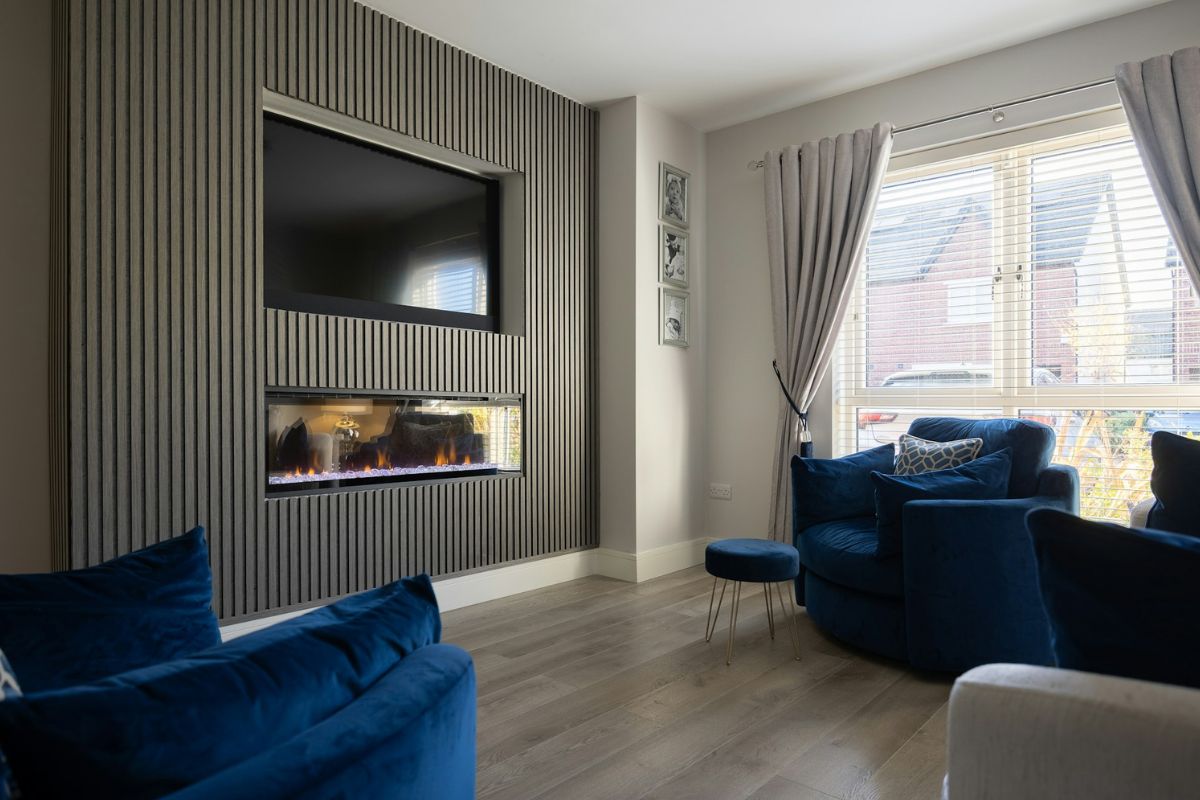
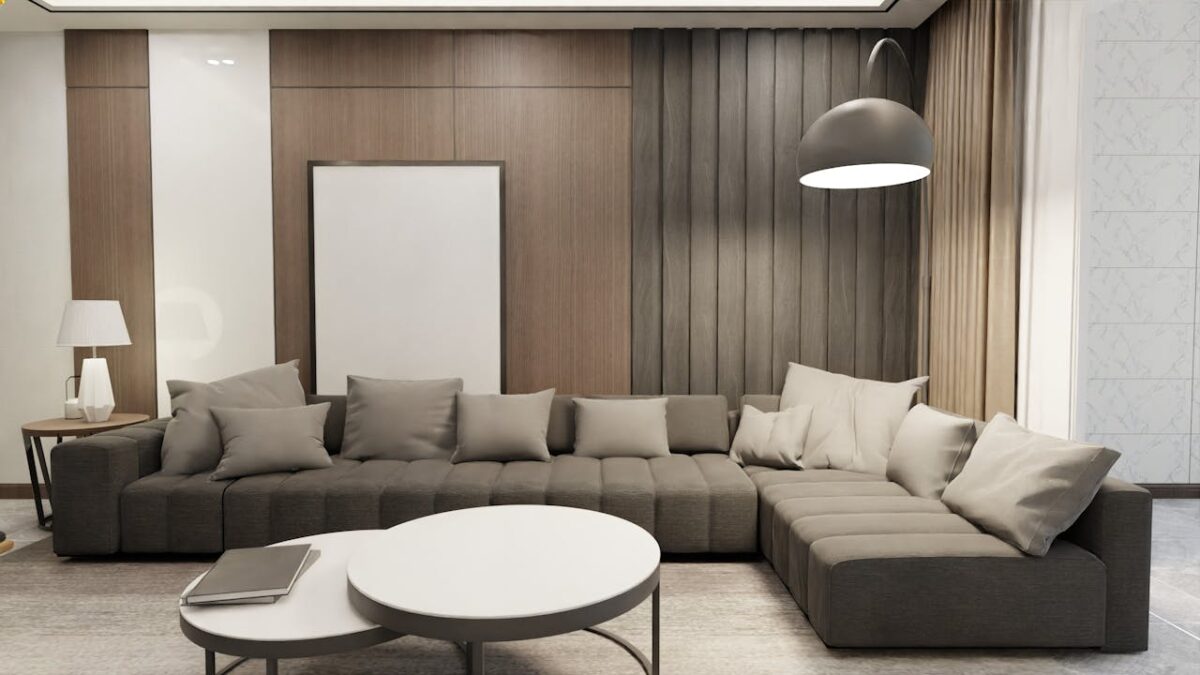
Wooden slatted panels add warmth to stark concrete lofts and bring a sense of craftsmanship to tech-heavy rooms.
Colourful felt panels double as graphic art, turning bland corridors into visual and acoustic buffers. In schools, playful shapes on the walls help tame noise while giving children something vibrant to look at.
This blending of function and aesthetics matters because it lowers resistance. Restaurant owners once hesitated to invest in acoustic solutions, fearing that they would ruin the look they worked so hard to create.
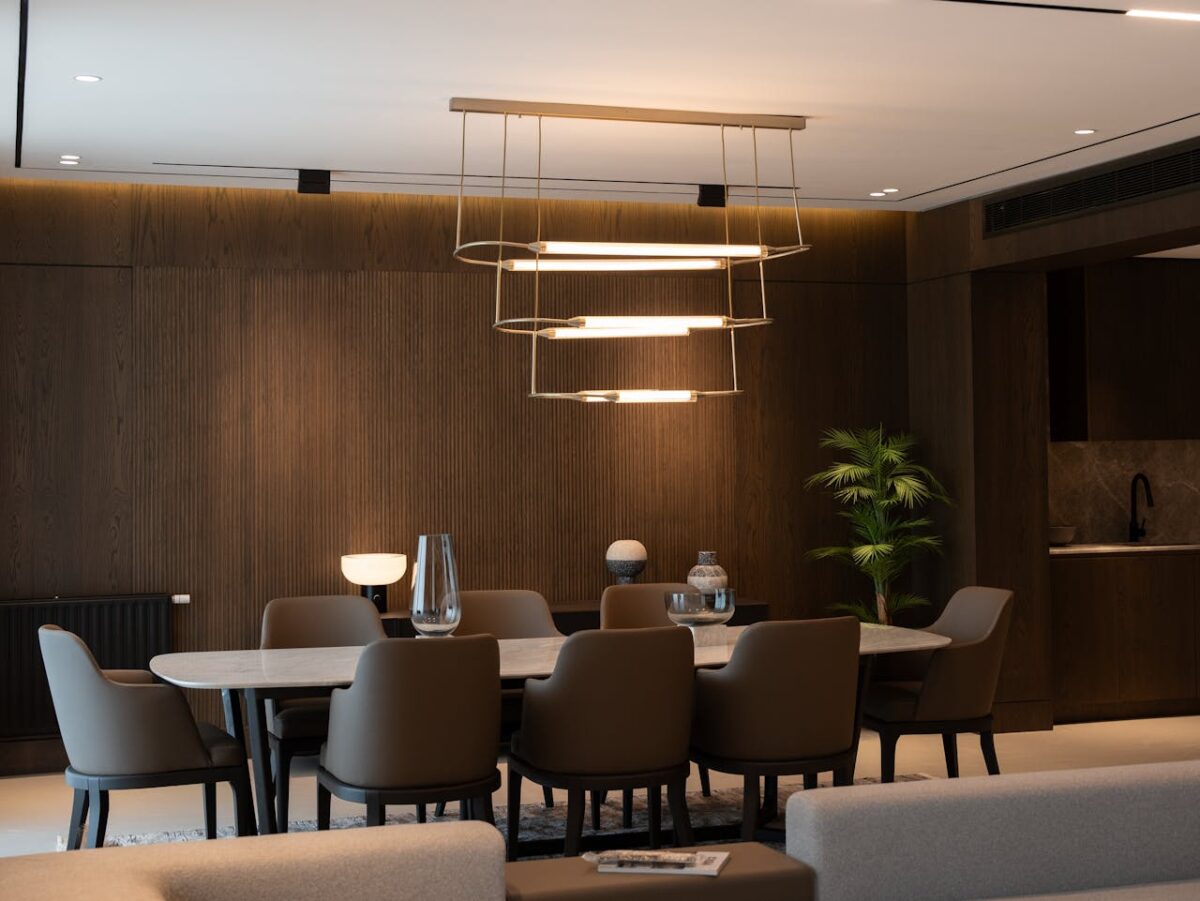
Now they can choose finishes that match their brand: dark oak for intimate wine bars, light ash for Nordic-inspired cafes, bold colours for family-friendly spaces.
The same applies in private homes. As living rooms become home cinemas, gaming hubs and remote offices all at once, people realise that sound quality is not just for audiophiles.
Discreet panels behind the sofa or on the ceiling above a dining table soften harsh echoes and make conversations feel more intimate. Guests might not know why the room feels so comfortable; they just notice that it does.
Health, Focus And The Cost Of Constant Noise
The conversation about acoustic design is not only about comfort; it is also about health.
Studies link prolonged exposure to high noise levels with elevated stress, poor sleep and reduced cognitive performance.
You do not need a factory floor to experience that stress. A day spent in a clattering café with a laptop can leave you as drained as a long commute.
Schools and universities are paying closer attention. In classrooms with poor acoustics, teachers raise their voices all day and students miss key words, especially those sitting at the back or learning in a second language.
Panels on ceilings and walls help every sentence land clearly, reducing vocal strain and improving comprehension.
Hospitals, too, are rethinking their soundscapes. Beeping monitors, rolling trolleys and loud corridors make rest difficult.
Thoughtfully placed acoustic elements in waiting rooms and wards lower the noise floor, which supports recovery and reduces anxiety for both patients and staff.
Even small businesses feel the impact. A hair salon with tiled floors and bare walls might look chic, but if every blow dryer and conversation ricochets around the room, clients leave faster and stay tense in the chair.
A few well-placed panels can turn the same salon into a place where people linger and relax.
A Quiet Shift With Loud Consequences
The rise of acoustic awareness marks a subtle but meaningful shift in how we think about space. For years, design favoured what photographs well.
Now, as people spend long hours indoors and juggle work, social life and downtime in the same rooms, the focus is expanding to what actually feels good to inhabit.
Acoustic panels are just one tool, but they symbolise a broader change: a move toward interiors that respect our senses rather than overwhelm them.
As architects, business owners and homeowners continue to experiment, the most successful spaces will be those that sound as good as they look – places where the background noise finally takes its rightful place in the background, and human interaction moves to the front.
