
Table of Contents
- Introduction
- Building Credit History
- Tracking and Managing Spending
- Earning Rewards and Benefits
- Enhancing Financial Discipline
- Improving Credit Utilization
- Accessing Emergency Funds
- Protecting Against Fraud
- Conclusion
Credit cards, when approached wisely, are more than just convenient payment tools. They can shape your financial journey, strengthening habits that lead to lasting stability.
Whether you are looking to manage spending or actively improve your credit profile, understanding how to use credit cards effectively can be transformative. For those looking to make tangible progress, using credit cards is often a smart part of rebuilding your credit score.
Adopting credit cards into your overall financial routine is not just about access to funds. It is about establishing reproducible and responsible behaviors.
With incremental steps, responsible use can set the tone for how you handle not just credit, but also your greater financial life.
Building Credit History
Establishing a positive credit history is crucial to unlocking future financial opportunities. When you use a credit card and consistently make payments on time, you demonstrate borrowing responsibility to creditors.
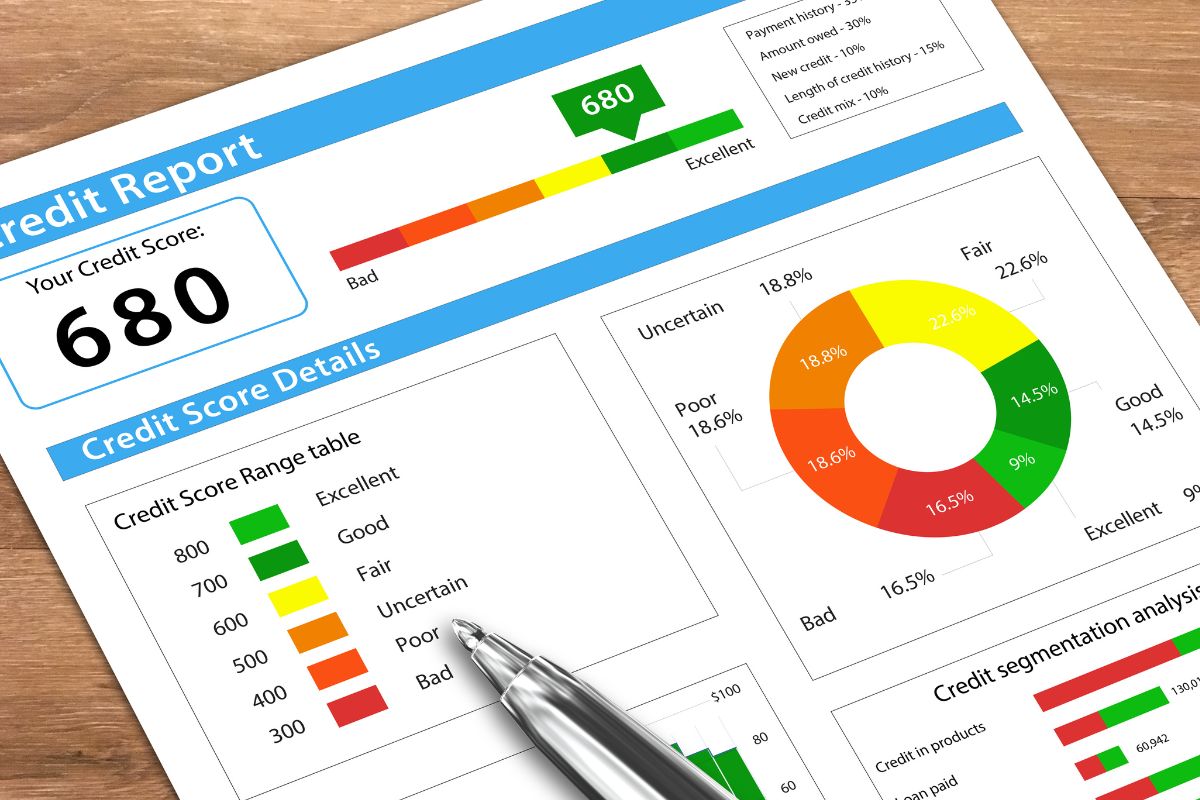
This behavior is reflected in your credit report and can make it easier and more affordable to obtain loans or other credit products later on.
A strong credit history can translate into better interest rates and more negotiating power with lenders, potentially saving you thousands over your lifetime. Payment history is the single most important factor in most credit scoring models.
Tracking and Managing Spending
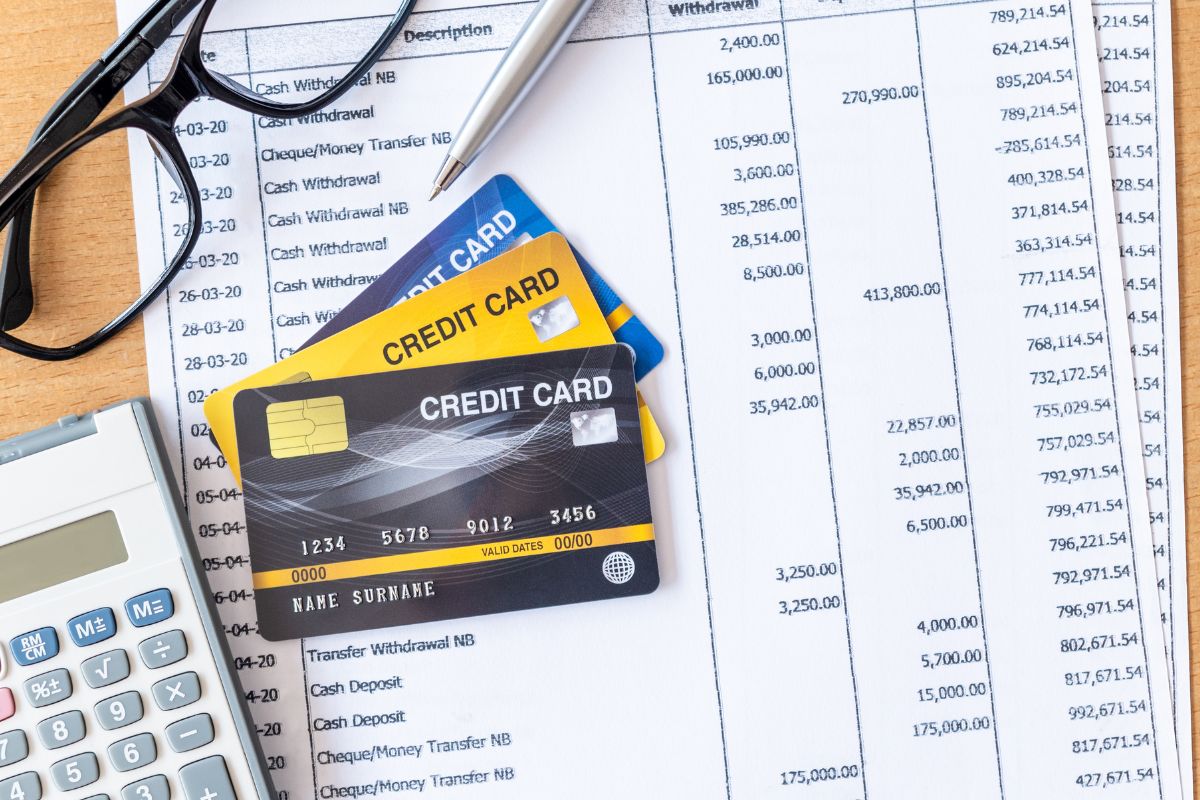
One of the unsung advantages of credit cards is the level of insight they give into your spending patterns. Monthly statements break down purchases by category, giving cardholders a precise view of where funds are going.
This makes it easier to spot problematic spending, adjust habits, and stick to a budget. The convenience of having all your transactions in one place helps you analyze your cash flow more efficiently and can encourage better long-term financial planning.
Earning Rewards and Benefits
Modern credit cards offer a wealth of incentives, including cash back, travel points, and store discounts. By using your card to pay for regular expenses and paying off the balance every month, you earn rewards that would otherwise go untapped.
High achievers like Tori Dunlap use this approach to gain travel perks and luxury experiences with everyday spending, without increasing costs.
If you are strategic, these rewards can add significant value to your financial picture and even offset certain purchases.
Enhancing Financial Discipline
Using credit cards responsibly centers on setting limits and paying off balances each month. This helps avoid spiraling debt and strengthens your overall financial approach.
By learning to live within your means and making conscious spending choices, you create positive money management habits that serve you throughout your life.
The discipline developed through careful credit card management can also lead to better decisions about savings, investments, and major purchase planning.
Furthermore, regularly reviewing your credit card statements fosters awareness of your personal spending patterns. Many people discover recurring subscriptions or unnecessary expenses only after inspecting their statements.
By taking corrective action promptly, you can reduce wasteful spending and redirect funds to more meaningful goals, such as saving for emergencies or retirement.
Additionally, using budgeting tools or alerts from your credit card issuer can help reinforce limits and sharpen your ability to stick to your financial resolutions.
Practicing this level of discipline strengthens your overall financial confidence, gradually turning sound credit use into second nature.
Improving Credit Utilization
Credit utilization is the ratio of your outstanding credit card debt to your total available credit. It is a key metric in determining your credit score.
Keeping your balances low, especially compared to your limits, can raise your score and give you more flexibility when applying for future loans.
Opening new credit lines can help lower your utilization ratio if handled responsibly. According to Forbes Advisor, properly managed credit card use is one of the most effective ways to improve your overall credit standing.
Additionally, credit utilization is not measured just once but is tracked over time by credit bureaus. Consistently keeping your usage low shows lenders you’re a low-risk borrower.
For this reason, it’s best to pay your balance before the statement closing date to ensure your reported usage is as low as possible.
Some people also request credit limit increases as their incomes rise, which can help keep their utilization ratio low, provided their spending doesn’t also increase.
These techniques, when applied with care, contribute to a healthier credit profile and greater financial flexibility.
Accessing Emergency Funds
Life can be unpredictable, and emergencies may arise when you least expect them. Credit cards provide a convenient source of funds in unexpected circumstances, giving you time to regroup or access resources quickly when your regular savings fall short.
While relying on a credit card for emergencies is not a substitute for an emergency fund, it can provide vital backup in critical moments.
It’s also worth noting that certain credit cards offer additional benefits during emergencies, such as roadside assistance or travel insurance. These features can alleviate stress in difficult times and offer more than just financial relief.
By reading the terms and understanding the perks your card offers, you may find valuable protections you have not considered.
Always treat your card as a secondary option in emergencies, and aim to repay any balances promptly to avoid interest charges that can add up and undermine your financial recovery.
Protecting Against Fraud
Credit cards are equipped with built-in fraud protection features that shield you from unauthorized use. Many issuers have zero-liability policies, meaning you are not responsible for purchases you did not authorize.
Prompt alerts about suspicious activity and secure dispute resolution processes add an extra layer of security. This safety net is a distinct advantage over other payment methods, making credit cards both convenient and secure for everyday use.
In addition, many credit card issuers offer virtual card numbers or added authentication steps for online shopping, which help safeguard your account details.
Regularly monitoring your credit card activity allows you to act quickly in the event of suspicious charges. If you do become a victim of fraud, most financial institutions respond rapidly by freezing the compromised card and issuing a replacement.
These protective measures can minimize your financial exposure and offer peace of mind, especially as online transactions become more prevalent in everyday life.
Conclusion
When integrated thoughtfully into your personal finance toolkit, credit cards are much more than payment instruments.
They are gateways to stronger financial habits, offering tangible benefits such as better credit, greater discipline, and greater financial security.
With a focus on timely payments, careful monitoring, and mindful usage, you can leverage the power of credit cards to achieve greater long-term stability and financial well-being.
Treating credit cards as strategic financial tools rather than sources of easy cash can unlock their substantial potential. They are effective at building your financial reputation and powerful allies when managed with care.
If you cultivate best practices and routinely review your progress, you will not only avoid common pitfalls but also set the stage for lasting fiscal health.
Credit cards, when used with intention and knowledge, can serve as stepping stones toward your financial goals and peace of mind for years to come.
