
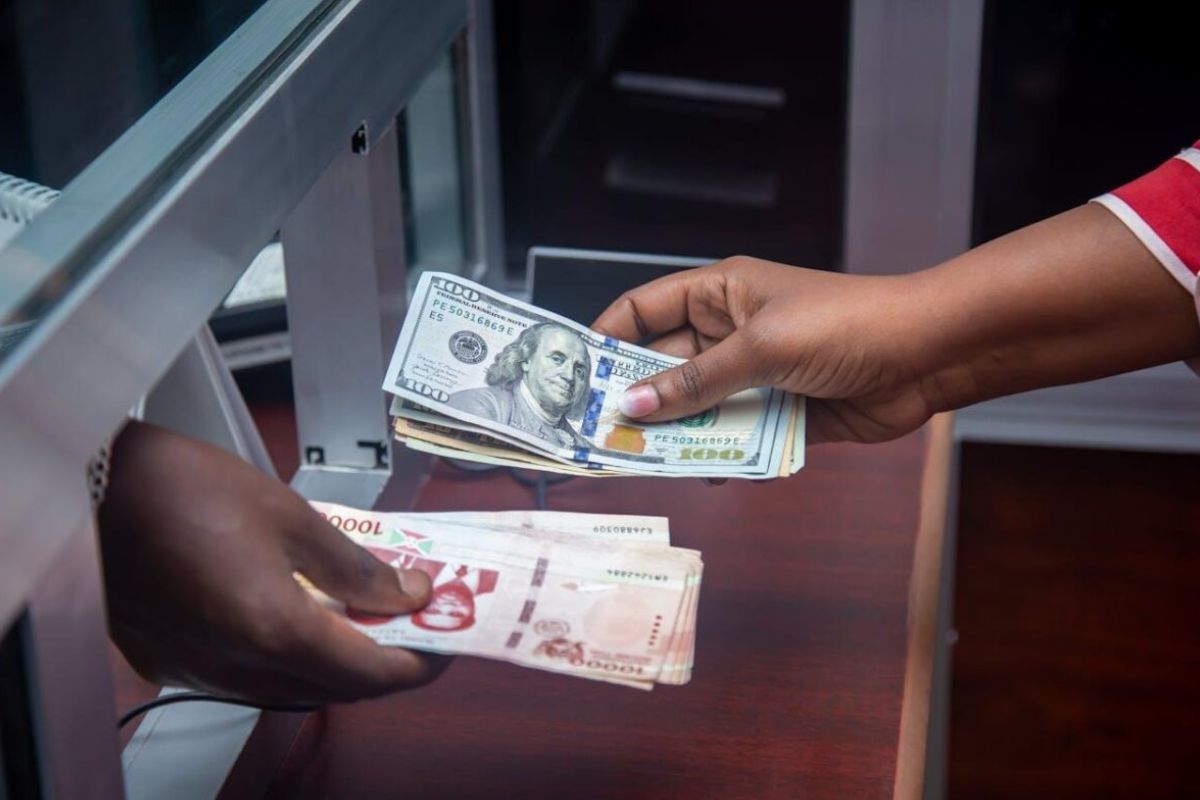
People often feel stuck when trying to move funds between accounts. You sit staring at your screen wondering where your cash went. Are the funds lost in the ether? Where did your hard earned money actually go?
It just went into a temporary holding pattern. Different banking systems process requests at wildly different speeds. The waiting period often causes unnecessary stress.
The solution is simple. Learn exactly how each system works. Once you see the machinery behind the screen, moving your cash feels effortless.
Standard Electronic Bank Moves Take a Few Days and Cost Nothing
We all want things instantly in our modern lives. The standard automated clearing house process asks for a little patience instead.

These regular electronic bank moves take about one to three business days to clear. The sending bank batches the requests and processes them overnight.
They make up for that slight delay in one major way. They cost absolutely nothing to execute. When you want to pay a credit card bill, this free option serves you perfectly. A little patience keeps your wallet heavy.
A Wire Finishes Fast but Costs a Fee
Sometimes you face a strict deadline and need cash moved today. Setting up a domestic wire transfer gets those funds delivered securely within hours.
You just provide the routing and account details to complete the process. The speed comes with a catch since banks charge twenty to thirty dollars for the expedited service.
Finding a modern banking partner can offset those transaction prices. Using an account with SoFi or a similar institution often provides clearer fee structures for these services. You know exactly what you will pay before you confirm the transaction.
Real Time Payment Networks Offer Instant Moves Any Day
Life does not pause on Saturday and Sunday. Traditional banks usually take the weekend off and stop processing requests. That leaves people stranded when an emergency strikes on a Saturday afternoon.
What do you do when traditional banks close their doors? You use a real time payment network. These clearing systems process requests twenty four hours a day. The cash lands in the receiving account instantly.
Peer to Peer Apps Work Well for Smaller Cash Amounts
Paying a friend for dinner should never require complex forms. Mobile payment applications exist exactly for these casual everyday moments. They connect directly to your debit card for instant delivery.
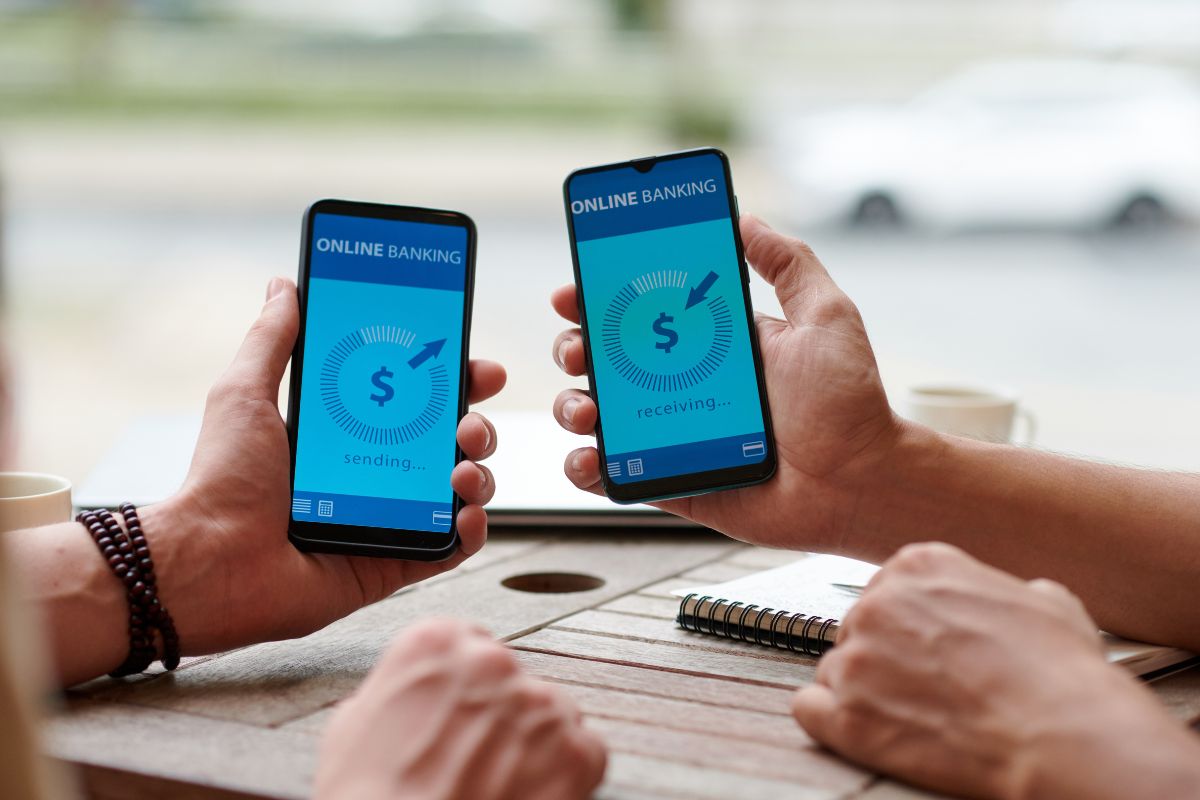
Keep these applications restricted to smaller amounts under five hundred dollars. They lack the heavy security protocols of traditional bank moves. Limit their use to people you trust completely.
Write a Personal Check to Move Funds between Banks
Paper checks feel like ancient relics. They still serve a practical purpose when moving your own funds around. Writing a check to yourself requires no digital setup or verification codes.
You simply write the amount, endorse the back, and use your phone camera to deposit it. The receiving bank might hold the funds for a day or two.
Connect Your External Accounts for Free Personal Cash Moves
Managing multiple accounts requires a central hub. Linking your external accounts together creates a secure financial web. You confirm two micro deposits once to establish a lasting connection between the institutions.
After that initial setup, moving cash becomes a single click operation. These internal transfers cost nothing and usually complete within two business days. Your financial life feels peaceful when your accounts talk to each other.
