
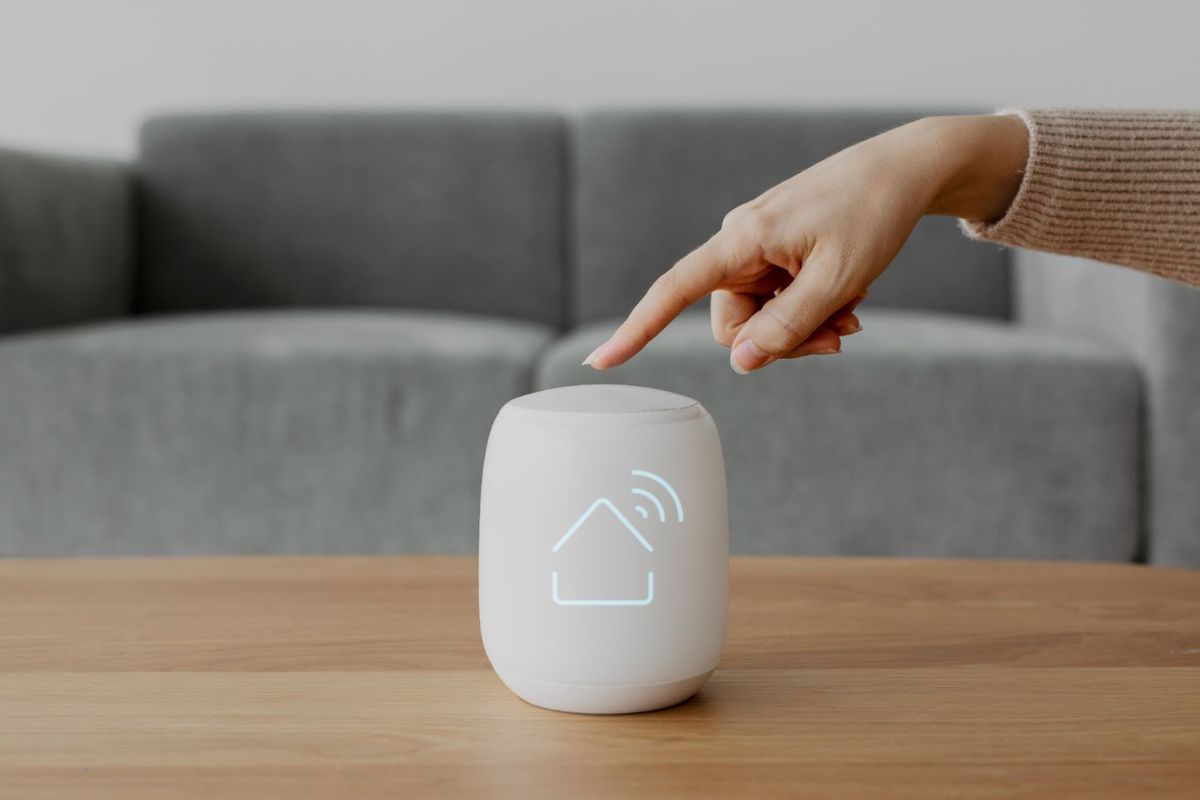
Just 20-30 years ago, the phrase smart home was used exclusively in movies about the future.
There, the heroes used voice commands to open doors, turn lights on and off, change the room temperature, heat dinner to the optimal temperature, and go to bed, leaving various devices to monitor home security.
However, today, all of the above have become a reality. This has become possible thanks to technological advancements and the expansion of various equipment’s capabilities.
The most significant breakthrough has been made in the last decade. What exactly has changed during this time? You will learn from this article.
Increased Availability
Just 10-15 years ago, a smart home was the most expensive system. Only professionals who had done this type of work many times could install it. However, today the situation has changed for the better.
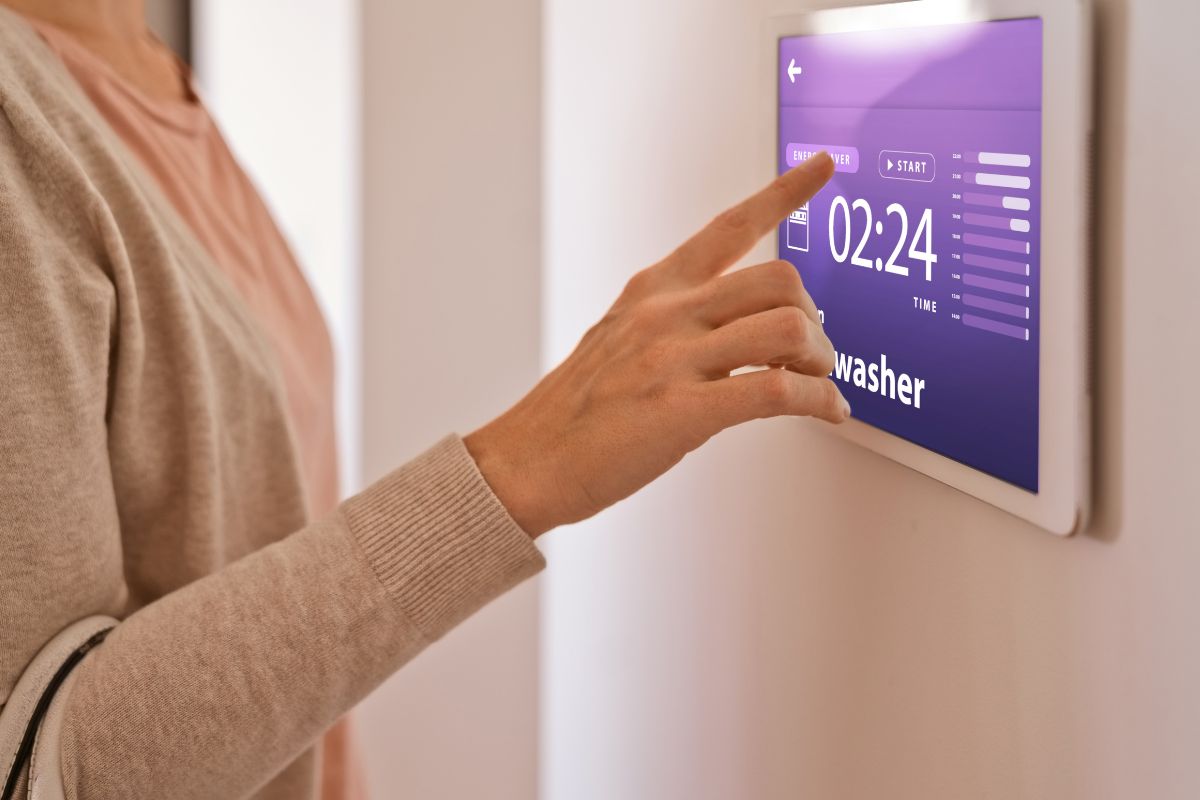
Over the past decade, smart homes have become accessible to everyone. The cost of purchasing, installing, and setting up equipment has decreased several times, allowing even those with limited financial resources to find suitable budget solutions.
Significant changes have occurred in the availability of essential elements for a smart home. Today, Wi-Fi sockets, Bluetooth-controlled bulbs, and other similar products can be purchased for under $20 and are available in dozens of stores.
Interchangeability
As soon as people began to be offered the installation of smart home systems, many users faced a serious problem: the incompatibility of devices from different manufacturers with each other.
In the event of a breakdown, this forced a long search for the necessary product. Often, they failed, making it impossible to utilize the smart home further.
However, over the past decade, this problem has been eliminated. Today, most manufacturers produce interchangeable products that meet generally accepted standards of quality.
This enables users to quickly locate a replacement for broken devices and select the most suitable model for their specific needs.
Interchangeability has also increased competition and reduced the cost of various products for the smart home system.
Integration Of Modern Night Vision Devices
In the last decade, the availability of night vision devices has increased. Today, in many places, you can easily find thermal monoculars for sale, night vision goggles, and other similar devices.
This feature has led to profound changes in the smart home. Now, various NV devices have become more actively integrated into the system, receiving numerous benefits from this integration.
Most often, they are used in video surveillance systems. Thanks to the ability to create high-quality video in the dark, savvy homeowners have received round-the-clock access to surveillance of each room, the entire building and the adjacent territory.
This has become possible at any distance. Even on the opposite end of the planet, it is possible to control everything that happens at home.
Integration of Voice Assistants
One of the key developments of the last decade has been the integration of voice assistants into smart home systems. They have changed many aspects and made the management of all devices easier.
Now, to turn on/off various equipment or change its settings, it is enough to say a given phrase. It is simple, convenient and as fast as possible.
If desired, you can even create various scenarios and encrypt them with some words. Voice assistants are handy in large houses.
In the modern version, they can even recognize the voices of each family member and perform programmed actions.
If necessary, their work can be configured to understand several languages, which will significantly simplify the management of a smart home in a multinational environment.
Integration of Artificial Intelligence
The advent of artificial intelligence has revolutionized many areas. This process has not bypassed the smart home system.

By integrating AI into its work, developers have achieved the maximum level of automation and significantly simplified the user’s task.
Now, a smart home not only carries out the commands of residents, but also remembers their preferences, schedules, habits, and settings at different times of the year.
This information enables AI to provide users with optimal solutions tailored to each situation. There are many examples of such conditions.
Lighting that automatically adjusts to the time of day, video surveillance that recognizes the faces of the owners of the house, lawn watering that turns on only when the weather is hot outside – these are just a few of them.
Increased Security
Over the last decade, significant progress has been made in the field of smart home security. This has become one of the key changes that has increased the popularity of such a system.
Today, users are offered the opportunity to open the front door using a fingerprint, set up two-factor authentication to activate fundamental commands, enable encryption of various data from strangers, and much more.
All these measures have made smart homes much safer than before. This is supported by statistics, which show that smart homeowners are significantly less likely to experience theft and other crimes.
Increase In The Number Of Devices Connected To The System.
Not long ago, a smart home consisted of only basic devices such as lamps, sockets, and cameras.
However, over the past decade, the number of devices and appliances connected to the system has increased significantly.
Today, a smart home controls the operation of a refrigerator, electric stove, washing machine, robot vacuum cleaner, and even the device that makes coffee for you.
Modern furniture and interior items (for example, a smart bed, a smart mirror, and other similar products) are also often connected to the system.
This enables the integration of all aspects of the house into a cohesive whole, maximizing the comfort of residents.
Consideration Of Environmental Standards
Over the past decade, environmental issues have received as much attention as user comfort levels. Therefore, a smart home is made to meet ecological standards as much as possible.
This means that the system’s operation does not harm the environment or the people who use it. Ecology is also protected by minimizing the consumption of valuable resources.
For example, a smart home automatically turns off the lights when there is sufficient natural light for normal visibility, adjusts the heating system according to the current air temperature, controls water consumption, and more. This enables individuals to save money while contributing to environmental protection.
The rapid development of technology has, in a short period, turned the idea of creating a smart home, which previously existed only in books and films, into reality.
Over the past decade, numerous positive changes have occurred, making the lives of each person more comfortable and safe.
Today, hardly anyone will be surprised by the presence of an adaptive lighting system, automatic temperature control in the room and doors that open with a fingerprint.
However, all this is not the limit of possibilities. In the future, everything available to people today will likely become obsolete, and something new will replace it.
What it will be is still unknown. However, the likelihood that the smart home will continue to improve does not arise for any modern person.
