

Upgrading to a building automation system comes with a host of benefits that can make a property more efficient and comfortable.
Such systems increase operational efficiency and lower energy consumption. Both form the backbone of IT for businesses, as they need to invest to get the right system for the desired return on investment (ROI).
This guide outlines insights for choosing a building automation system (BAS) so that your investment is wise.
What Is a Building Automation System?
A building automation system consolidates disparate controls into a single management entity within a facility, such as heating, ventilation, air conditioning, lighting, and security systems.
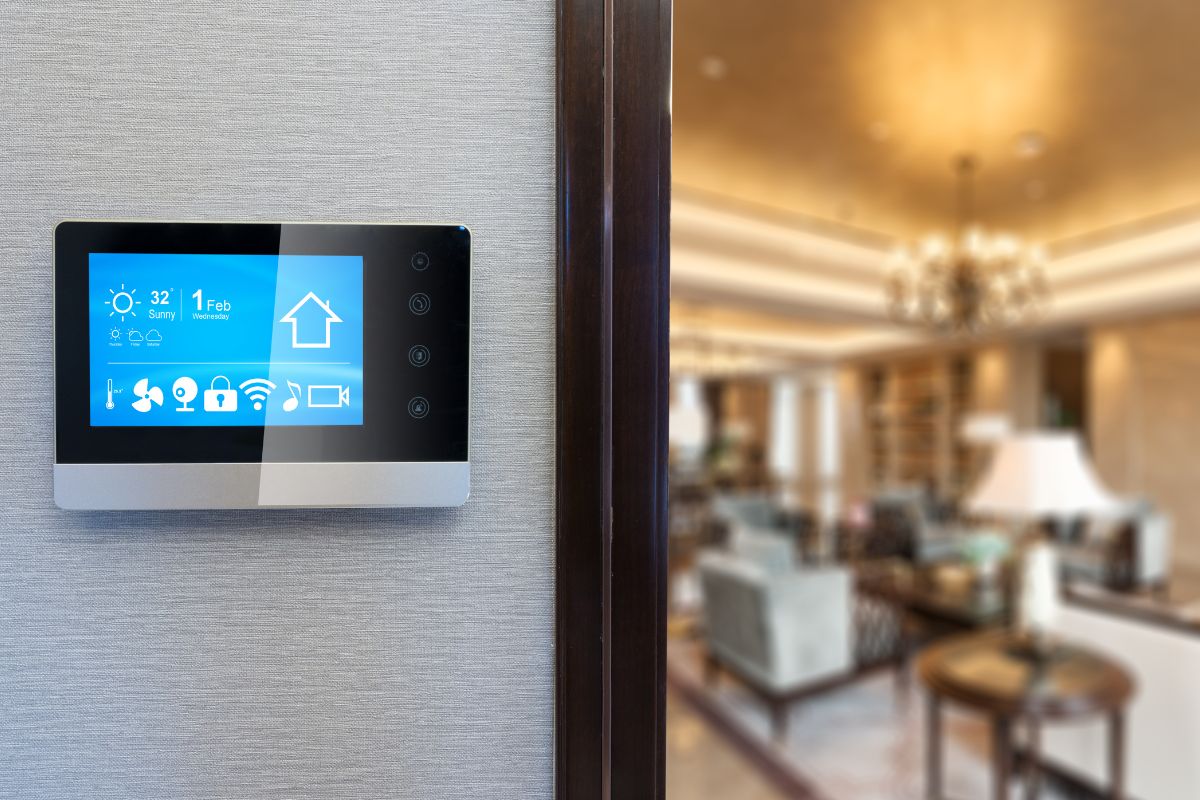
A building automation system (BAS) connects these functions to optimize energy use while still providing a comfortable environment. This type of integration helps gain efficiency and reduce operational costs.
Assessing Current Needs
Assess what your building needs now before you pick a BAS. Consider the size of the facility, the equipment it already has, and what it needs.
Familiarizing oneself with these aspects helps determine the elements required for the construction.
Customizing the BAS according to these requirements helps achieve the best performance and also ensures a better ROI.
Evaluating System Compatibility
To an extent, it is, but we design all of our protocols to be compatible with our existing infrastructure. If you choose the right system, it should fit into existing equipment.
This lowers installation expense and minimizes impact. If the existing system can be integrated properly, businesses will not have to bear extra costs to enjoy the benefits.
The Energy Efficiency Stamp of Approval
Return on investment in building automation is primarily driven by energy efficiency. A whole-house system designed to minimize energy usage can save you significant money.
Features such as automated lighting controls, a smart thermostat, and energy monitoring tools should be sought.
This makes them less costly to use and better for the environment. Investing in energy-efficient solutions is not only cost-effective but also environmentally responsible.
Considering Scalability
Businesses’ needs change over time. Thus, scalability is one of the critical factors in any BAS. A scalable system can accommodate future expansion or changes in the application without rebuilding it from scratch.
In this way, the original investment retains its profit-producing potential as the business matures. This will save you from being trapped with a specific system.
You will want to assess the system’s long-term scalability; what if operational needs change in the future?
Analyzing Cost vs. Value
Although a BAS can have a high upfront price, it is important to consider the value it offers in return. A well-done cost-benefit analysis can provide insight into the available savings and efficiencies.
Think about the initial costs as well as the long-term savings, such as lower energy bills and maintenance costs.
With an emphasis on overall value, businesses are now able to make decisions that lead to an improved ROI.
Investigating Vendor Support and Training
Support and training from your vendor are crucial for effective BAS installation. Having a vendor who has solid support services can help with troubleshooting and maintenance.
Also, proper training allows the staff to use the system effectively, thus minimizing the chances of errors and making the fullest use of what the system has to offer. Choosing a vendor who has a broad support network only adds more value to the investment.

Assessing Security Features
A secure system keeps user data safe and avoids unauthorized access. Choose functionalities like encrypted communication, user verification, and regular security updates.
These accompany protections that eliminate worries about the system. That security must come first to preserve the investment and the entire system.
Aiming For an Interactive Interface
A BAS becomes more useful if it has an easy-to-use interface. Easy-to-navigate systems save precious time in the management process and allow quick adjustments when necessary.
This allows for a reduction in training time and enhancement of operational resource efficiency.
A final consideration when choosing a system is whether it is easy to use for staff at all levels. An intuitive, simple system can improve productivity and will give you a greater ROI.
Conclusion
Choosing the right building automation system means taking a lot of factors into consideration.
So, businesses can carry out an informed selection process by grasping present requirements, matching each solution, and keeping energy efficiency at a high level.
A smart investment is also dependent on scalability and security. A building automation system (BAS) with accurate planning and good research can yield big returns and boost operational efficiency or financial performance.
