
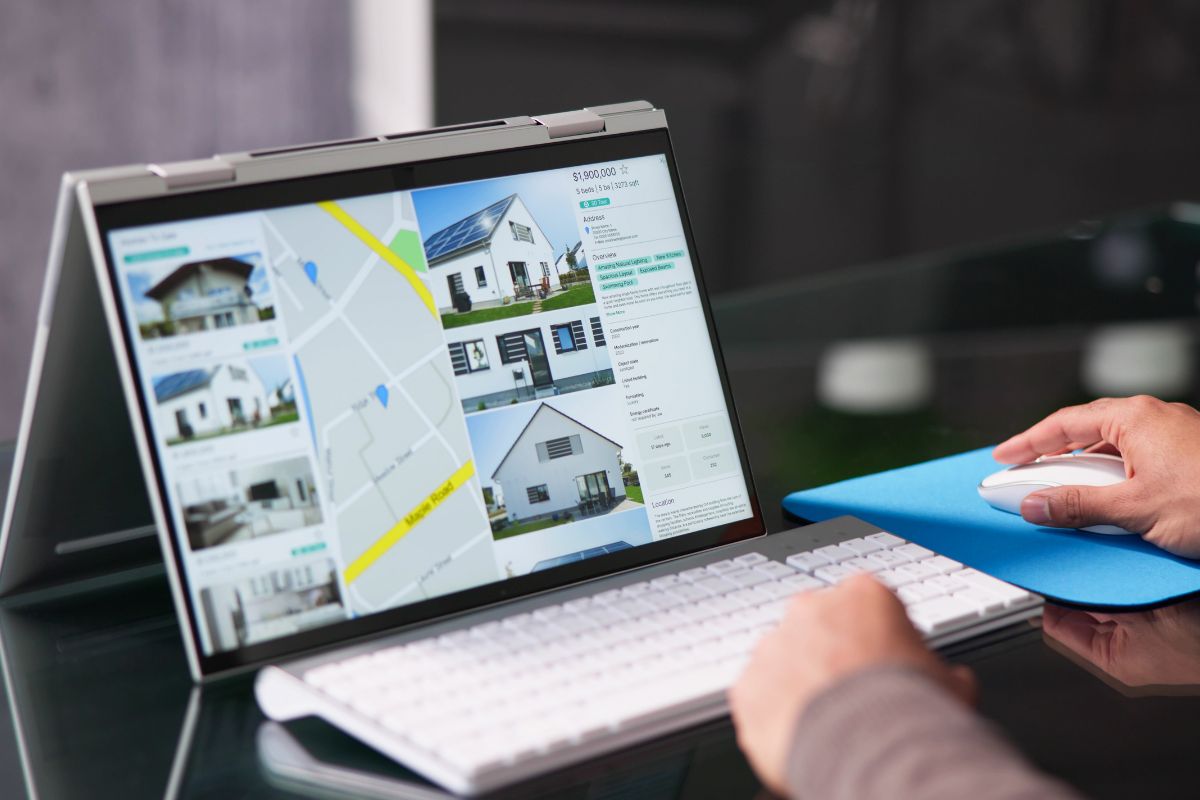
When buyers are scrolling through dozens of listings online, it takes only a few seconds for them to click or scroll on.
Sharp and clear real estate pictures with compelling opening lines are more likely to attract their attention.
The right mix of photos and words can really set your listing apart. Knowing how to showcase a home in the best light is vital. Quality pictures and well-crafted short narratives turn viewers into buyers within seconds.
In this guide, we will walk you through smart, actionable techniques to make your listings more effective.
These helpful real estate photography tips and recommendations on writing catchy descriptions are based on real-world strategies.
They will help you increase engagement, reduce time on market, and ultimately lead to more offers.
Start with the Right Visuals
Potential buyers notice your real estate photography long before they read the listing.
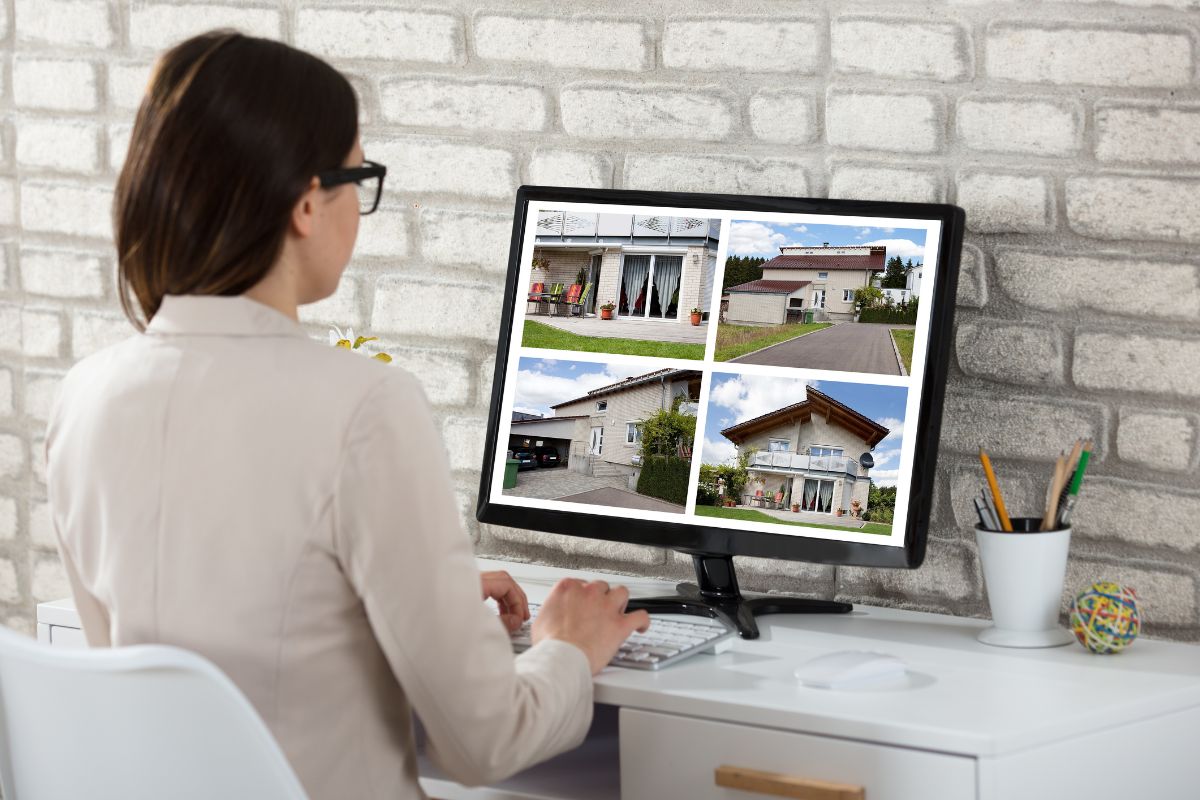
A well-composed photo can immediately communicate warmth, space, and lifestyle potential. A poorly-lit and cluttered image can turn away within seconds.
Before reaching for the camera, walk through the property with a critical eye. Stage each room by removing clutter. Open the curtains to let in the natural light.
If it is not an option, you can turn on lamps with a warm glow. Avoid shooting at night or during midday. It can create lighting inconsistencies that will be hard to tackle.
Aim for the soft and flattering illumination in the morning or late afternoon. Start with a strong exterior image, followed by inviting photos of shared spaces like the living room and kitchen, then move into bedrooms and bathrooms.
Real estate photo editing tools allow you to adjust brightness, color balance, and straighten lines. For instance, fiddling with the shadows in a dim hallway can suddenly expose architecture that you might overlook initially.
Fixing the white balance in one photo of a kitchen can make countertops appear cleaner and the illumination more evenly distributed.
Be cautious and avoid making your images look artificial. Your goal should be to attract buyers with the property’s actual advantages, not to trick them into buying something that does not exist. Bring your visuals in line with how the space feels in person.
Take Advantage of Aerial Perspective
Aerial views can add tremendous value to your photography for real estate. Drone photography gives buyers a sense of the property’s surroundings, lot size, layout, and neighborhood context.
Standard pictures give a much narrower perspective. Homes with large yards, unique architecture, pools, or scenic backdrops will look more appealing from above.
If the view includes tree-lined streets, nearby parks, or lakefront access, emphasize these features. They will make your visuals more emotionally appealing.
Showing proximity to local cafés or transport links is effective for the urban settings. Ensure the angle complements your ground-level images without repetitions.
If you are not sure how to edit drone footage, start with horizon correction and perspective cropping. These tools ensure clean and aligned compositions.
For example, a slanted drone shot of a backyard patio may feel chaotic. With a few simple adjustments, it can become a compelling overhead highlight.

A Property Description That Sells
Your property listing should not only describe the property but sell the experience of living there.
The effective description offers context, highlights the most prominent features, and helps buyers visualize daily life in the space. The right words inspire people to pause, imagine, and act.
Start with a strong opening sentence. It should emphasize a unique feature of the property. Next, proceed to concise bullet points or short paragraphs describing the most important elements.
These paragraphs should particularly cover the layout, renovations, outdoor space, energy-efficient appliances, and smart-home features if there are any.
Understanding how to write a real estate listing begins with defining who your potential clients are.
Young professionals, families, or retirees look for different things when they buy property. Ensure your word choices are tailored accordingly.
Avoid vague and clichéd phrases like “must-see” or “charming”. “Refinished oak floors,” “quiet cul-de-sac,” “covered patio perfect for evening dinners” will tell much more about this specific house or apartment.
Additionally, these descriptions are more emotionally evocative and relatable because they provide sensory experiences.
Tie the details together with a clear call to action: “Schedule your tour today and see how this home fits your lifestyle.” The right property description should be more than informative. It should motivate potential clients to schedule a visit.
Conclusion
A standout property listing should tell a cohesive and compelling story that showcases the apartment in the best light and inspires sales.
Careful consideration, experiments with shooting techniques, and clever editing can take your listing to a whole new level, and will stop people from scrolling past it.
The tried-and-true advice and practical suggestions described in this guide will allow you to have more views and help you land faster and more serious offers.
