
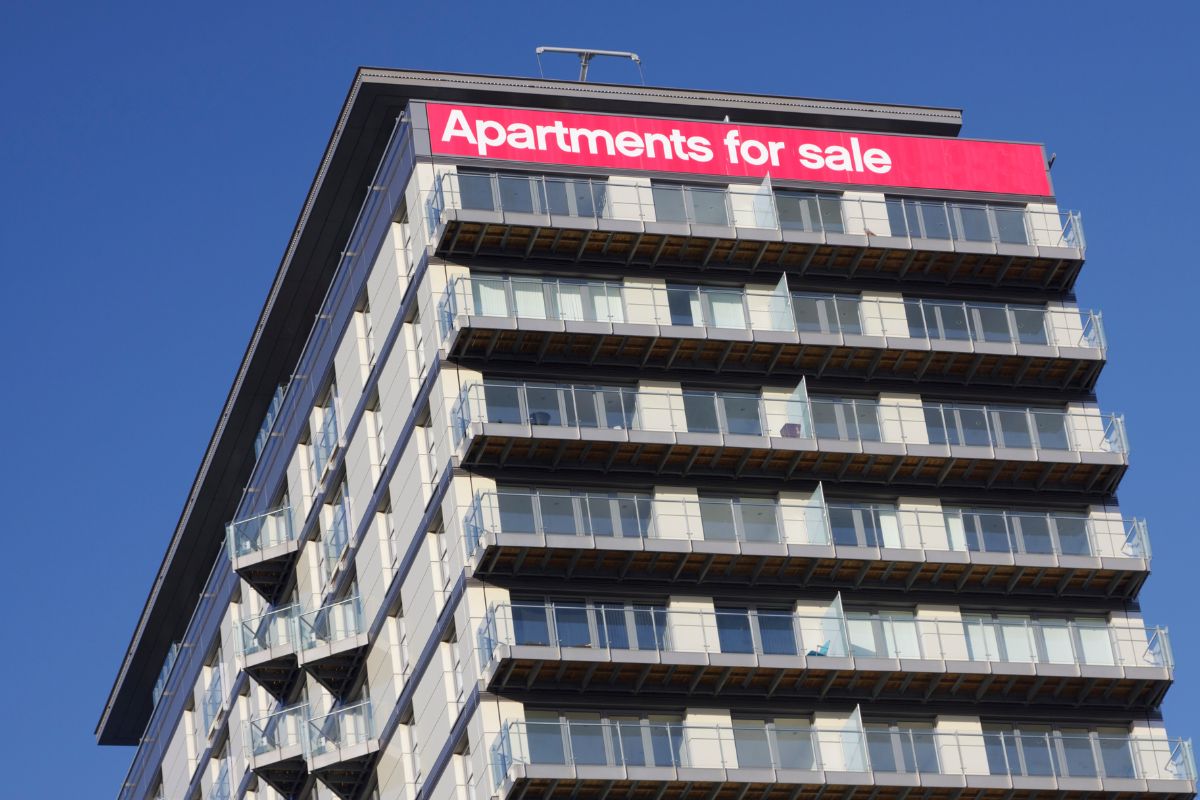
Selling an apartment in North Carolina requires a different playbook than selling a single-family house.
Whether you own a condo in Uptown Charlotte, a duplex near NC State, or a 20-unit building in Wilmington, you’ll face unique challenges—from navigating owners’ association rules to managing tenant relationships and satisfying lender requirements that don’t apply to traditional home sales.
This comprehensive guide walks you through every step of the selling process, from preparation and pricing to closing day.
You’ll learn how the 2026 north carolina housing market affects your strategy, what disclosures North Carolina law requires, and how to decide between working with real estate brokers or handling the sale yourself.

Key Takeaways for Selling an Apartment in North Carolina
Selling an apartment in NC differs fundamentally from selling a single-family north carolina home because apartments involve shared ownership structures, association governance, and often tenant relationships that complicate the transaction.
Understanding these distinctions upfront will save you time, money, and legal headaches.
- What “apartment” means in this guide: This article covers three main scenarios: (1) a condo unit in a larger building governed by an HOA or condo regime, (2) a single unit in a small multifamily property like a duplex, triplex, or fourplex, and (3) an entire apartment building up to approximately 20–40 units.
- NC-specific complications: North Carolina sellers must navigate owners’ association rules under state statutes (Chapters 47C and 47F), mandatory disclosure forms covering 50+ potential defects, tenant protection laws under Chapter 42, and varying demand across metros like Charlotte, Raleigh-Durham, and Wilmington.
- 2025–2026 market context: Current inventory sits at approximately 3.2 months supply statewide, with typical NC condos averaging 42–45 days on market compared to 55–60 days for houses. Investor sales and cash buyers can close in 7–21 days, significantly faster than financed transactions requiring 30–45 days.
- The 9-step roadmap: This guide covers: (1) clarify what you’re selling, (2) analyze the local market, (3) decide on agent vs. FSBO, (4) prepare the apartment, (5) set pricing strategy, (6) market the property, (7) manage showings and offers, (8) navigate inspections and due diligence, and (9) close the sale.
- Two paths to consider: Some sellers choose investor buyers like Cash House Closers to sell quickly and “as-is,” while others maximize price through full marketing to potential buyers. This article compares both approaches so you can make an informed decision.
- Huliq resources: Huliq offers educational content on apartment living and community management. A later section provides Huliq’s perspective on timing, pricing, and working with renters to help you position your property effectively.
How Selling an Apartment in North Carolina Differs From Selling a House
When you sell a single-family house in NC, you control the entire property and transaction.
Apartment sales introduce layers of complexity that can surprise unprepared sellers—from shared ownership obligations to financing hurdles that shrink your buyer pool.
- Shared ownership and common areas: Unlike houses, condos and apartments include shared spaces like hallways, parking lots, elevators, and amenities. Buyers must evaluate not just your unit but the entire building’s condition, maintenance history, and association governance. This triggers additional disclosures and due diligence steps absent from house sales.
- HOA and condo association rules: North Carolina’s Planned Community Act (Chapter 47F) and Condominium Act (Chapter 47C) govern how associations operate and what documents buyers receive. Sellers must provide resale packages containing bylaws, financial statements, meeting minutes, and any pending litigation—documents that can make or break deals. Some associations have approval processes, rental caps, or right-of-first-refusal provisions that affect who can buy.
- Extra documentation requirements: Beyond the standard disclosure forms, apartment sellers must furnish 12 months of HOA financial statements, current budgets, reserve studies, and special assessment history. In cities like Charlotte and Raleigh, buyers and their lenders scrutinize these documents carefully. Industry audits found that approximately 15% of NC condos had reserve fund shortfalls in 2025, a red flag that can derail financing.
- Tenant-occupied units require business thinking: When selling property with tenants, north carolina buyers—especially investors—evaluate the property as an income-producing asset. They’ll analyze cap rates, occupancy history, rent rolls, and operating expenses rather than just bedrooms and square footage. This fundamentally changes your marketing approach and buyer conversations.
- Financing complications: Condos and small multifamily properties face stricter lender scrutiny. Buyers may need condo questionnaires, warrantability reviews, higher down payments, or DSCR (Debt Service Coverage Ratio) loans. According to industry data, approximately 85% of lenders require condo approval letters before financing, which can extend closing timelines and eliminate some prospective buyers from your pool.
- Tenant protection laws limit flexibility: NC landlord-tenant laws under Chapter 42 require 24-hour notice for showings and specific notice periods for lease terminations. Fixed-term leases transfer to buyers, potentially binding them to existing agreements. These constraints don’t exist when selling an owner-occupied house. We’ll cover selling with tenants in detail later.
- Market perception and pricing precision: In 2025–2026, some NC condo markets are softer than single-family markets in the same ZIP code. This means pricing strategies must be more precise, with less room for error. Overpricing an apartment typically results in longer days on market and eventual price reductions that can cost more than pricing correctly from the start.
Step-by-Step: How To Sell an Apartment in North Carolina
Here’s your high-level roadmap for a successful sale. Each step gets expanded treatment in later sections, but this overview helps you understand the full journey before diving into details.
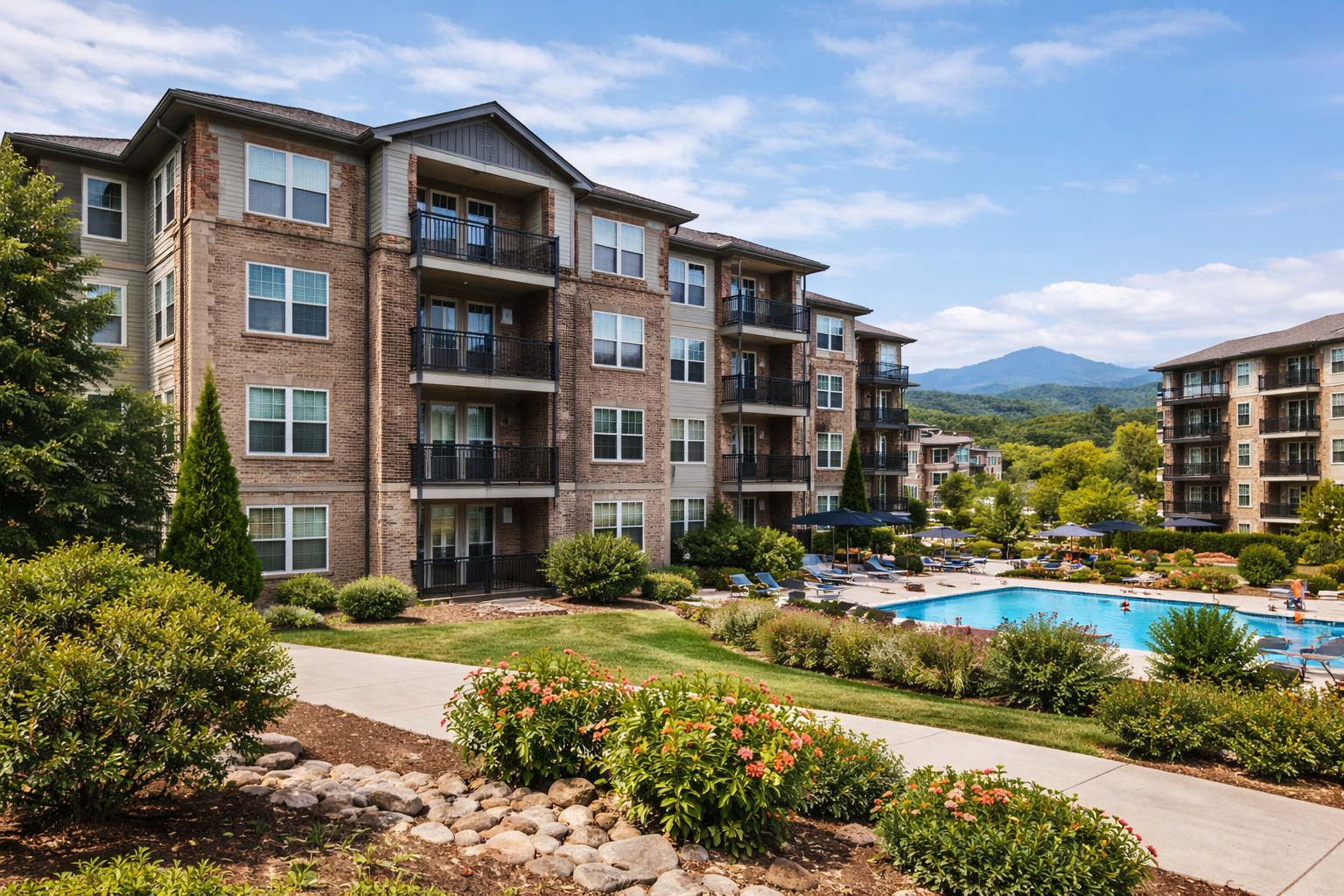
Step 1: Clarify what you’re selling
Verify whether your property is a fee-simple condo, a unit in a co-op, or a small multifamily building via the county register of deeds. Gather all governing documents, existing leases, and financial records before proceeding.
Step 2: Analyze the 2024–2026 local market
Research recent comparable condo and apartment sales within 0.5–1 mile and a 3–6 month window. Adjust for differences in amenities, parking, unit condition, and HOA fees to establish realistic value expectations.
Step 3: Decide whether to use a real estate agent or sell FSBO
Weigh the 5–6% commission savings against the marketing reach, negotiation expertise, and legal knowledge that specialized real estate brokers provide. Complex condo sales often benefit from experienced agents.
Step 4: Prepare the apartment
Address safety issues first, then focus on high-ROI cosmetic updates like fresh paint, modern lighting, and professional cleaning. Coordinate with tenants if the unit is occupied.
Step 5: Set a pricing strategy
Differentiate between retail pricing for owner-occupant buyers (based on comps) and income-based pricing for investors (based on cap rate and NOI). Your target buyer type determines your approach.
Step 6: Market the property
List on the MLS, major portals like Zillow and Realtor.com, and consider targeted outreach to local investors and 1031 exchange buyers. Professional photography and virtual tours are essential for buyer interest.
Step 7: Manage showings and offers
Use the NC Offer to Purchase and Contract (Form 2-T) for residential units. Larger buildings may require customized purchase agreements and letters of intent.
Step 8: Navigate inspections, appraisal, and due diligence
Work with a real estate attorney to address inspection findings, HOA questionnaires, and any title issues. This step often involves the most negotiation.
Step 9: Close the sale
Coordinate with your closing attorney, the buyer’s lender (if applicable), HOA or management company, and tenants. Typical NC closings take 30–45 days for financed buyers and 7–21 days for cash transactions.
Understanding the 2026 North Carolina Apartment Market
Smart sellers study the market before setting a listing price or choosing a sales strategy. Here’s what the data tells us about selling apartments in NC heading into 2026.
- Statewide condo trends: North Carolina saw approximately 28,400 condo transactions in 2025, up 3% year-over-year according to NC REALTORS data. Median apartment sale prices in urban areas like Charlotte reached approximately $285,000 for one-bedroom units and $420,000 for two-bedroom condos, reflecting a 4.2% annual increase driven by tech and finance sector demand.
- Metro-by-metro breakdown: Charlotte’s Uptown and South End condo markets remain strong, with days on market averaging around 45 days. Raleigh-Durham (Downtown Raleigh, Midtown, and the Research Triangle Park corridor) shows steady demand from transplants and investors. Asheville’s urban infill condos attract lifestyle buyers, while Wilmington’s coastal and resort rentals draw vacation property investors and retirees.
- Interest rate impact: Mortgage rates hovering around 6.8% in 2026 have shifted some would-be buyers into renting, increasing rental demand and supporting apartment values. However, higher rates also mean more cautious lender underwriting, especially for condos with HOA financial concerns.
- Investor vs. owner-occupant demand: In some NC submarkets, over one-third of condo and apartment purchases are investor transactions, with a higher share of cash deals. This creates opportunities for sellers willing to market to investors, though it may require different pricing and presentation strategies.
- Population growth supports values: North Carolina continues attracting migration from states like New York, New Jersey, and California. Charlotte and Raleigh rank among the fastest-growing metros in the U.S., supporting both rental demand and apartment values long-term.
- Seasonal patterns: Spring and early summer listings typically sell faster across NC. However, investor buyers remain active year-round, especially in Q4 when tax planning and 1031 exchange deadlines drive acquisition activity.
| Metric | Charlotte Condos | Raleigh-Durham Condos | Statewide Houses |
|---|---|---|---|
| Median Price (2025) | $285,000–$420,000 | $260,000–$380,000 | $340,000 |
| Average Days on Market | 45 | 48 | 55–60 |
| Inventory (Months Supply) | 3.0 | 3.5 | 3.2 |
Preparing Your Apartment for Sale in North Carolina
Preparation matters more for apartments than houses because you’re often competing against other units in the same building or complex.

Buyers can directly compare your unit to a neighbor’s listing, so every detail counts.
- Safety and compliance first: Before cosmetic updates, address smoke and CO detectors, GFCI outlets in kitchens and bathrooms, and balcony or railing safety. Check for open code violations, especially in older buildings in Charlotte, Durham, and Asheville. Resolving these issues prevents inspection surprises.
- High-impact, low-cost updates: Fresh neutral paint ($1,500–$3,000 for a typical condo) delivers strong ROI. Update light fixtures, cabinet hardware, and faucets for a modern look. Professionally cleaned carpets or new LVP flooring can transform the property’s condition and justify a higher price. Data from Redfin suggests 68% of NC buyers prioritize move-in ready condos.
- Address common apartment concerns: North carolina buyers worry about noise transmission, parking availability, storage space, and pet policies. Stage and photograph your unit to highlight storage solutions, soundproofing features, and building amenities. Emphasize what makes your unit livable and desirable.
- Coordinate common area presentation: Work with your HOA or building management to ensure hallways, the lobby, mailbox area, and elevators are clean and well-maintained during showings. A dingy common area creates negative first impressions before buyers even see your unit. Don’t underestimate curb appeal, even in a condo building.
- Tenant-occupied preparation: For occupied units, schedule “pre-sale visits” to declutter and deep-clean. Consider offering rent discounts or gift cards ($100–$200) for tenants who keep units presentable and accommodate showings. Their cooperation directly impacts your sale timeline and price.
- Pre listing inspection strategy: For older buildings or properties with complex systems (elevators, boilers, shared roofs), consider a pre listing inspection. This $400–$600 investment helps determine issues upfront and reduces repair negotiation friction during due diligence. According to NC Realtors Association experts, pre-inspections reduce renegotiations by approximately 60%.
- Real-world example: A Raleigh condo owner invested $4,000 in neutral paint, updated fixtures, and professional staging. The unit sold for 6% above comparable properties in the same building, netting approximately $18,000 more after accounting for the refresh costs. Preparation pays.
Documentation and Legal Requirements in North Carolina
North Carolina is an attorney-closing state, meaning a real estate attorney handles the closing process rather than a title company alone.
Proper documentation is essential to avoid legal issues that can derail your transaction or create liability after closing.
- Residential Property and Owners Association Disclosure Statement (RPOADS): Required under N.C.G.S. § 47E, this comprehensive form covers over 50 potential defects including structural issues, environmental hazards like radon or mold, HOA litigation, special assessments, and parking rights. You must disclose material facts and deliver this form no later than the buyer’s offer submission. Non-compliance allows buyers to rescind within three days.
- Mineral and Oil and Gas Rights Disclosure: NC requires this separate disclosure even for urban condos and small multifamily properties. While mineral rights rarely affect apartment transactions, the mandatory statement must be provided.
- HOA/COA documentation package: For units in owners’ associations, north carolina buyers expect: declaration and bylaws, rules and regulations, current budget, reserve study (if available), insurance certificates, 6–12 months of meeting minutes, and the current assessment schedule. Associations typically charge $200–$400 for this resale package, which must be provided within 10 days of request under NC statute.
- Tenant-related documents: For buildings with tenants, prepare signed leases, rent rolls, tenant ledgers showing payment history, security deposit records with bank account information, copies of all notices served, and tenant estoppel certificates if requested by buyers. These documents prove income and identify any problem tenants.
- NC tenant protections during sale: Sellers must provide 24-hour notice for showings. Self-help evictions are prohibited. Security deposits must transfer to the buyer at closing with proper accounting. Fixed-term leases survive the sale and bind the new owner unless tenants agree otherwise.
- Closing documents: Your closing attorney handles deed preparation (typically warranty deed), the settlement statement, mortgage payoff letters, HOA closing letters, and recording with the county Register of Deeds. Attorney fees typically range from $500–$1,000.
- Tax considerations: NC has no state capital gains tax, but federal rates apply (up to 20% for long-term gains). Primary residence sellers may exclude up to $250,000 ($500,000 for couples) if they owned and occupied the unit for 2 of the past 5 years. Investors should consider 1031 exchanges to defer gains and explore depreciation recapture implications—consult a CPA for 2026 rules.
Pricing an Apartment in North Carolina (Retail vs Investment Value)
Setting the right price requires understanding your target buyer. Owner-occupants and investors evaluate apartments differently, and your pricing strategy should reflect who’s most likely to purchase your property.
Retail Value for Owner-Occupants
Owner-occupant buyers compare your unit to similar condos and apartments based on square footage, bedrooms, bathrooms, parking, amenities, and HOA fees.
They’ll look at recent sales within the same building or nearby complexes within the past 3–6 months.
To determine retail value:
- Pull comparable properties from public records and listing sites
- Adjust for differences (your updated kitchen adds value; your lack of parking subtracts)
- Consider HOA fees—high dues ($400+/month) can reduce buyer affordability and lower effective value
Investment Value for Investor Buyers
Investors care about income and return. They calculate value using Net Operating Income (NOI) divided by the expected cap rate for your submarket.
Sample calculation for a Durham 4-unit:
- Annual gross rent: $72,000 ($1,500/unit × 12 months)
- Operating expenses (taxes, insurance, maintenance, management): $25,200 (35% expense ratio)
- NOI: $46,800
- At a 6% cap rate: $46,800 ÷ 0.06 = $780,000 value
- At a 7% cap rate: $46,800 ÷ 0.07 = $668,571 value
Factors that lower value:
- High HOA dues reduce investor cash flow
- Upcoming special assessments signal deferred maintenance
- Below-market rents (may indicate upside, but also risk)
- Older building systems requiring capital investment
2024–2026 rate environment impact:
Higher interest rates have pulled back some prices as buyer affordability decreases. In this market, pricing slightly below direct competition (5–7% under comps) can significantly shorten days on market and attract serious buyers willing to compete.
Three pricing strategies:
| Strategy | Price Position | Expected Timeline | Best For |
|---|---|---|---|
| Maximum price | 5–10% above comps | 60–90+ days | Sellers with time, strong market |
| Balanced | At market with incentives | 30–45 days | Most sellers |
| Fastest sale | 10–15% below or cash offer | 7–21 days | Urgent situations, distressed properties |
Cash offers from investors like Cash House Closers may trade some price for speed and certainty—a valid choice when time matters more than maximizing every dollar.
Working With (or Without) a Realtor in North Carolina
Deciding between a listing agent and FSBO is one of your most consequential choices. Here’s how to evaluate both paths for apartment sales specifically.
Value of specialized NC agents:
The best real estate agent for apartment sales brings more than MLS access. They understand HOA documentation, can explain cap rates to investor buyers, navigate tenant situations, and handle the negotiation complexities unique to condos and small multifamily properties. Their strategic marketing reaches both owner-occupants and investors.
Choosing the right Realtor:
Look for agents with recent experience selling condos or small apartment buildings in your county. They should be familiar with HOA document requirements and comfortable discussing financial aspects with investor buyers.
Questions to ask in interviews:
- “How many NC condos or apartments did you sell in the last 12 months?”
- “How do you handle tenant-occupied showings?”
- “What’s your marketing strategy for reaching both investors and owner-occupants?”
- “What’s your approach to pricing in the current market?”
FSBO responsibilities:
If you sell without an agent, you’ll handle:
- Pricing research using public records and listing sites
- Professional photography and marketing materials
- MLS access via flat-fee listing services ($300–$1,000)
- Scheduling and hosting showings
- Screening buyers and reviewing pre-approval letters
- Negotiating offers and contingencies
- Coordinating with your closing attorney on all documentation
Attorney involvement is essential:
Even FSBO sellers should hire a NC real estate attorney early—not just for closing, but to review contracts, disclosures, and HOA documentation. Over 80% of FSBO transactions involve attorneys for contract review. Budget $500–$1,000 for legal fees.
Hybrid options:
Some sellers use limited-service or flat-fee brokers for MLS exposure while handling showings and negotiations themselves. This approach saves the seller-side commission (typically 2.5–3%) while maintaining listing visibility.
Commission comparison:
| Approach | Commission | Typical Net (on $350k sale) | Effort Level |
|---|---|---|---|
| Full-service agent | 5–6% | ~$329,000 | Low |
| Flat-fee + buyer agent | 2.5–3.5% | ~$341,000 | Medium |
| Full FSBO | 0% | ~$350,000 | High |
Note: 2025 data shows FSBO sales achieve 10–15% lower sale prices on average, partially offsetting commission savings. Only about 7% of NC transactions are fully FSBO.
Selling an Apartment With Tenants in North Carolina
Many NC apartments are tenant-occupied, and mishandling the sale can create legal disputes, damage tenant relationships, and scare off buyers. Here’s how to navigate this situation properly.
Leases run with the property:
In North Carolina, existing leases transfer to the buyer at closing. A buyer steps into the seller’s shoes as landlord, bound by all lease terms. Fixed-term leases typically remain in place unless buyer and tenants mutually agree to early termination.
Notice requirements for termination:
For month-to-month tenancies, NC requires 7 days’ written notice to terminate. However, this doesn’t mean you can force tenants out before closing—it applies to the landlord-tenant relationship, not the sale timeline. Avoid coercive “cash for keys” arrangements that could create legal liability.
Best practices for communication:
- Provide early written notice of your intent to sell
- Schedule showings respectfully with required 24-hour notice
- Consider incentive programs ($100–$200 gift cards) for tenants who keep units clean and available
- Be transparent about timeline and what happens to leases after sale
Selling occupied vs. vacant:
| Factor | Tenants in Place | Vacant Delivery |
|---|---|---|
| Buyer pool | Primarily investors | Investors + owner-occupants |
| Showing ease | More difficult | Simple |
| Income verification | Documented rent roll | N/A |
| Price impact | May be neutral or positive for investors | Potentially higher for owner-occupant buyers |
Regional considerations:
- College towns (Chapel Hill, Greenville): Student leases often have fixed end dates; time your sale accordingly
- Coastal markets (Wilmington, Carolina Beach): Vacation rentals may have seasonal lease structures affecting buyer interest
- Urban cores (Charlotte, Raleigh): Young professional tenants often prefer stability and may welcome a smooth transition
Investor preference:
Many investor buyers specifically prefer properties with solid, documented rent rolls and long-term tenants. Stable occupancy reduces their risk and provides immediate cash flow from day one. Highlight payment history and tenant tenure in your marketing to these serious buyers.
Legal guidance:
Consult a NC real estate attorney before serving any notices tied to a sale. The rules around disclosure to tenants, security deposit transfers, and lease assignments have specific requirements that vary by situation.
Marketing Your North Carolina Apartment Effectively
Effective marketing determines how quickly you sell and at what price. A proactive approach to presentation and distribution separates successful property sales from languishing listings.

Professional photography is non-negotiable:
Quality photos are your first showing. For larger or luxury units, invest in 3D tours and video walkthroughs highlighting views, natural light, and building amenities. Properties with professional photos sell 32% faster according to industry data.
Two versions of listing copy:
Craft different messaging for different buyers:
- For owner-occupants: Emphasize lifestyle, walkability, nearby restaurants and shops, schools (if relevant), and building amenities like gyms, pools, and coworking spaces. Highlight the home’s appeal and outdoor spaces.
- For investors: Lead with rents, expenses, cap rate, occupancy history, and upside potential. Focus on property’s strengths as an income asset.
Distribution channels:
- List on local MLS via your agent for maximum syndication
- Ensure presence on Zillow, Realtor.com, Redfin, and Apartments.com (for rentable properties)
- Use Facebook and Instagram geo-targeted ads for local buyer reach
- For buildings or portfolios, direct outreach to investor networks is essential
Investor-specific outreach:
- Local real estate investor meetups and associations
- 1031 exchange intermediaries who have clients seeking replacement properties
- Email lists of multifamily buyers from brokerages specializing in investment properties
- LinkedIn connections in real estate investment groups
Staging guidance:
Stage apartments lightly with neutral furniture, minimal clutter, and clear sightlines to windows and balconies. In typically smaller condo footprints, maximizing perceived space matters more than showcasing furniture.
Open house logistics:
In multi-unit buildings, coordinate with HOA and building management. Plan for elevator congestion, provide clear building access instructions, and be mindful of security. Notify neighbors of scheduled open house times as a courtesy.
Marketing impact example:
A Charlotte condo listed with professional photos, virtual tour, and targeted investor outreach received 23 showing requests in the first week.
A comparable unit in the same building with phone photos and basic MLS listing received 6 requests. The well-marketed unit sold in 18 days at 99% of listing price; the other sat for 67 days before a price reduction.
When a Direct Investor Sale or Cash Buyer Makes Sense
Sometimes the traditional sale process isn’t the right fit. Understanding when to consider a direct investor sale can save you time, stress, and money in certain situations.
Scenarios favoring speed and simplicity:
- Impending relocation or job transfer with tight timeline
- Inherited property you don’t want to manage
- Major repairs you cannot afford (roof, HVAC, foundation issues)
- Property distress like extended vacancy or vandalism
- Divorce or estate settlement requiring quick resolution
- Tenant problems making traditional showings difficult
How NC cash buyers operate:
Cash buyers and small apartment investors typically conduct quick property evaluations, make as-is offers within days, and close in roughly 7–21 days if title is clear. This compares to 30–45 days or more with financed buyers requiring appraisals and lender approval.
Investor buyer example:
Companies like Cash House Closers often buy condos and small apartment buildings directly from owners. They provide certainty of closing but typically offer 70–85% of full retail market value—a trade-off that makes sense when speed and simplicity outweigh maximizing price.
Doug from Cash House Closers explains the appeal: “We handle tenanted apartments seamlessly, closing in 7–14 days without repairs. For NC sellers dealing with HOA headaches, problem tenants, or properties needing work, the certainty of a cash close often outweighs chasing top dollar on the open market.”
Comparing your options:
When evaluating a direct cash offer versus listing, calculate net proceeds accounting for:
- Agent’s commission (5–6% saved with direct sale)
- Repair costs (none with as-is sale)
- Carrying costs for 2–3 extra months on market (mortgage, HOA, insurance, utilities)
- Buyer concessions common in traditional sales (1–3% of price)
Sometimes the “lower” cash offer nets similarly or better after accounting for these costs.
Due diligence on investor buyers:
Not all cash buyers are equal. Before accepting any offer:
- Check online reviews and Better Business Bureau ratings
- Verify proof of funds (bank statement or letter)
- Confirm they use NC real estate attorneys for closing
- Review contract clauses carefully—watch for inspection contingencies, assignment rights, or excessive earnest money requirements
Market context:
In certain NC submarkets, up to approximately one-third of residential purchases are cash transactions, with apartments often over-represented in that share.
The investor buyer market is active and legitimate—just ensure you’re working with reputable parties involved in the transaction.
How To Sell an Apartment in North Carolina Without a Realtor
FSBO sales require more work but can save $15,000–$20,000 in commissions on a typical NC apartment. Here’s your step-by-step roadmap for selling without a listing agent.
Step 1: Research local comps thoroughly
Use county records, Zillow, Redfin, and Realtor.com to find recent condo and apartment sales within your building and nearby complexes. Look at sold prices (not asking prices), days on market, and property characteristics. Without professional guidance, be conservative in pricing—overpricing costs more in the long run.
Step 2: Hire a NC real estate attorney early
Don’t wait until closing. Engage an attorney ($500–$1,000) upfront to draft or review the Offer to Purchase and Contract, addenda, and HOA-related language. In NC, attorneys already play a central role in closings—having one from the start protects your interests.
Step 3: Get MLS exposure
Explore flat-fee MLS listing services operating in NC (typically $300–$600). Understand that you’ll likely still need to offer a buyer-agent commission (2.5–3%) to attract agents showing properties to their clients. MLS syndication provides access to Zillow, Realtor.com, and other major portals.
Step 4: Prepare marketing materials independently
Invest in professional photography ($200–$400). Create a detailed description that clearly discloses HOA dues, rules, and any rental restrictions. Include a floorplan if available. Your listing competes against agent-listed properties—make it professional.
Step 5: Implement a showing system
Use scheduling apps like Calendly or ShowingTime for appointment management. Consider a lockbox for flexibility, or host showings personally. Always verify buyer identity and pre-approval letters before allowing property access—protect both safety and your time by focusing on serious buyers.
Step 6: Negotiate offers and contingencies
Understand key NC contract terms:
- Due diligence fee: Non-refundable payment for the right to investigate the property (typically $500–$2,000)
- Earnest money deposit: Refundable during due diligence, held in escrow (typically 1–2% of price)
- Due diligence period: Typically 14–21 days for buyer inspections and investigation
- Repair requests: Negotiated during due diligence; seller can refuse, and buyer can walk with earnest money returned
Step 7: Coordinate closing
Work with your attorney, HOA/management company, and buyer’s lender to meet all deadlines. Track the appraisal schedule, HOA questionnaire completion, title search, and clear title confirmation. Follow up proactively—as FSBO seller, the process depends on your attention.
Closing Process for Apartments and Condos in North Carolina
Understanding the NC closing timeline helps you plan effectively and avoid surprises. Here’s what happens between accepted offer and funded closing.
Typical contract milestones:
- Effective date: When both parties sign the purchase agreement
- Due diligence period: Usually 10–21 days for condos; buyer conducts inspections, reviews HOA docs, secures financing
- Appraisal ordering: Lender orders within first week; results typically in 7–14 days
- Loan underwriting: Final approval usually 5–7 days before closing
- Final walkthrough: 24–48 hours before closing date
- Closing: Signing and funding
The closing attorney’s role:
Your attorney handles:
- Title search to uncover any liens, judgments, or encumbrances
- Resolving title issues (payoffs, releases, corrections)
- Coordinating HOA payoff/estoppel letters confirming dues paid
- Preparing the deed and settlement statement
- Conducting the closing conference
- Recording with the county Register of Deeds
HOA-specific closing items:
Condo and apartment closings involve HOA transfer fees (typically $100–$300), resale certificate fees (often prepaid by seller), and sometimes move-in/move-out fees. These are detailed on the settlement statement. Confirm who pays each fee in your purchase agreement—such information should be clear to all parties.
Timeline comparison:
| Transaction Type | Typical Timeline | Key Factors |
|---|---|---|
| Cash buyer | 10–14 days | Title clearance, HOA docs |
| Financed buyer | 30–45 days | Appraisal, underwriting, condo warrantability |
| Complex situations | 45–60+ days | HOA litigation, title issues, tenant complications |
Remote and mail-away closings:
Increasingly common in 2025–2026, especially for out-of-state sellers and buyers investing in NC apartments. Your attorney can arrange mobile notary services or remote online notarization (RON) where permitted.
What sellers receive at closing:
- Final settlement statement detailing all credits, debits, and prorations
- Wire confirmation of net proceeds (typically same-day or next-day)
- Copies of recorded deed
- Documentation of tenant security deposit transfers (if applicable)
- Any post-closing obligations in writing
Pre-closing checklist (one week before):
- [ ] Valid government-issued photo ID
- [ ] HOA management contact information
- [ ] All keys, fobs, garage remotes, and parking permits
- [ ] Mailbox keys
- [ ] Tenant files and security deposit documentation (if applicable)
- [ ] Final utility readings scheduled
- [ ] Forwarding address for any correspondence
Huliq’s Perspective: What Smart NC Sellers Do Differently
At Huliq, we focus on creating and managing communities that residents love. This perspective gives us unique insight into what makes apartment properties retain value—and what the most successful sellers do differently.
Strong operations drive long-term value:
We see firsthand that buildings with professional management, clear communication, and well-funded reserves command premium prices. Buyers—whether owner-occupants or investors—recognize the difference between a well-run community and one struggling with deferred maintenance or HOA dysfunction. If you’re selling, document your building’s operational strengths.
Think like your future buyer:
The most successful NC sellers approach their sale with both resident and investor mindsets. They highlight the community experience—safety, amenities, social events—alongside the financial details like rent rolls and operating history. This dual approach attracts the widest pool of qualified buyers.
The first impression stack matters:
Entry experience, hallway condition, lobby presentation, and even building smells create immediate impressions. We design communities with these touchpoints in mind. Sellers can learn from this: invest in the spaces buyers experience first, not just the unit interior.
Study purpose-built marketing:
Browse apartments’ community pages to see how professional properties market themselves—professional photography, highlighted amenities, clear floorplans, and resident-focused messaging. Whether you’re selling a single condo or a building, emulate these tactics in your listing presentation.
Resident-focused thinking wins:
Even if you never live at a apartment, borrowing our resident-focused approach makes your NC apartment listing more compelling. Focus on what makes daily life better for whoever moves in next—convenient storage, natural light, outdoor spaces, responsive management—and communicate those benefits clearly.
For more insights on apartment living and community management, explore Huliq’s blog for articles on amenities, resident experience, and what makes communities thrive.
Frequently Asked Questions About Selling an Apartment in North Carolina
Is it harder to sell a condo or apartment than a house in North Carolina?
It can be. Condos face additional complications including HOA documentation requirements, lender warrantability reviews, and potentially smaller buyer pools. However, average days on market for NC condos (42–45 days) is actually lower than for houses (55–60 days) in many markets, suggesting well-priced apartments sell efficiently.
Do I have to disclose HOA problems or special assessments when I sell my NC condo?
Yes. The owners association disclosure statement requires disclosure of known HOA litigation, special assessments, and financial issues. Failing to disclose material defects can result in legal liability and lawsuit—NC saw disclosure lawsuits increase 12% in 2025 according to Real Estate Commission data.
Can I sell my apartment in North Carolina with tenants still living there?
Absolutely. Existing leases transfer to the buyer, who becomes the new landlord. Many investor buyers prefer tenant-occupied properties with documented income. However, owner-occupant buyers typically need vacant possession, limiting your buyer pool unless you can deliver the unit empty.
What are typical closing costs for apartment sellers in NC?
Expect to pay 7–10% of the sale price in total costs including: agent’s commission (5–6% if using full-service), attorney fees ($500–$1,000), transfer taxes ($1–$2 per $500 of value), HOA transfer fees ($100–$300), title insurance (often paid by buyer), and prorated taxes/HOA dues.
How long does it usually take to sell a condo in Charlotte or Raleigh?
Well-priced condos in Charlotte and Raleigh-Durham average 42–48 days on market in 2025–2026. Factors speeding sales include competitive price, excellent condition, and desirable location. Factors slowing sales include HOA issues, needed repairs, and overpricing.
How can I sell my apartment fast in North Carolina?
Three strategies accelerate sales: (1) price aggressively 5–10% below comparable properties, (2) ensure exceptional presentation with professional photos and staging, and (3) consider cash offers from investors when speed is critical. Cash buyers can close in 7–21 days versus 30–45 for financed transactions.
Do I need a special kind of real estate agent to sell a multifamily building?
For buildings with 5+ units, working with an agent experienced in investment properties is highly beneficial. They understand cap rate analysis, can market to investor networks, and navigate commercial-style negotiations. For single condos, any experienced agent works, but condo-specific experience helps.
What happens to my security deposits when I sell a tenant-occupied building?
Under NC’s Security Deposit Act, you must transfer all security deposits to the buyer at closing, along with an accounting of each tenant’s deposit. Alternatively, you can return deposits to tenants before closing. The settlement statement should reflect these transfers, and you remain responsible for proper handling until transfer is complete.
Can I 1031 exchange out of my North Carolina apartment into another state?
Yes. A 1031 exchange allows you to defer capital gains taxes by reinvesting proceeds into “like-kind” investment property, which can be in any U.S. state. You must use a qualified intermediary, meet strict timelines (45 days to identify replacement property, 180 days to close), and follow IRS rules carefully.
How do appraisals work for condos and small apartment buildings in NC?
For 1–4 unit properties, lenders order residential appraisals comparing your property to recent comparable sales. For 5+ unit buildings, commercial-style appraisals emphasize income approach (cap rate analysis) alongside sales comparisons. Commercial appraisals cost more ($1,500–$3,000+) and take longer (2–3 weeks).
Sources and Further Reading
- NC REALTORS and Regional MLS Reports (2024–2025): Statewide condo transaction data (28,400 units sold in 2025), median prices, and days-on-market statistics for Charlotte, Raleigh-Durham, and coastal markets.
- North Carolina Real Estate Commission and NC General Statutes: Legal requirements for disclosures (Chapter 47E), landlord-tenant law (Chapter 42), and HOA/condo governance (Chapters 47C and 47F).
- U.S. Census Bureau and NC State Demographics: Population growth and migration data supporting rental demand analysis in Charlotte, Raleigh, and Wilmington metros.
- Cash House Closers (https://www.cashhouseclosers.com/): On-the-ground insight into NC cash sale timelines, investor expectations, and direct purchase processes. Doug’s quoted perspective on sellers trading price for convenience in tenant-occupied and as-is transactions.
- IRS Publications (1031 Exchanges and Capital Gains): Federal tax treatment of investment property sales, including Publication 523 (home sale exclusion) and Publication 544 (1031 exchange rules).
- Huliq: Examples of professional apartment marketing, community amenities, and resident-focused positioning for NC apartments. Visit huliq.com for visual examples and additional educational content.
Selling an apartment in North Carolina requires attention to details that don’t apply to single-family homes—from HOA documentation and tenant rights to investor-focused pricing strategies. Whether you’re working with a real estate agent, selling FSBO, or considering a direct cash sale, the fundamentals remain: prepare thoroughly, price realistically, and understand your legal obligations under north carolina law.
Start by gathering your governing documents, reviewing recent comparable sales, and consulting with a NC real estate attorney. With the right preparation and a clear strategy, your successful property sale is well within reach.
