
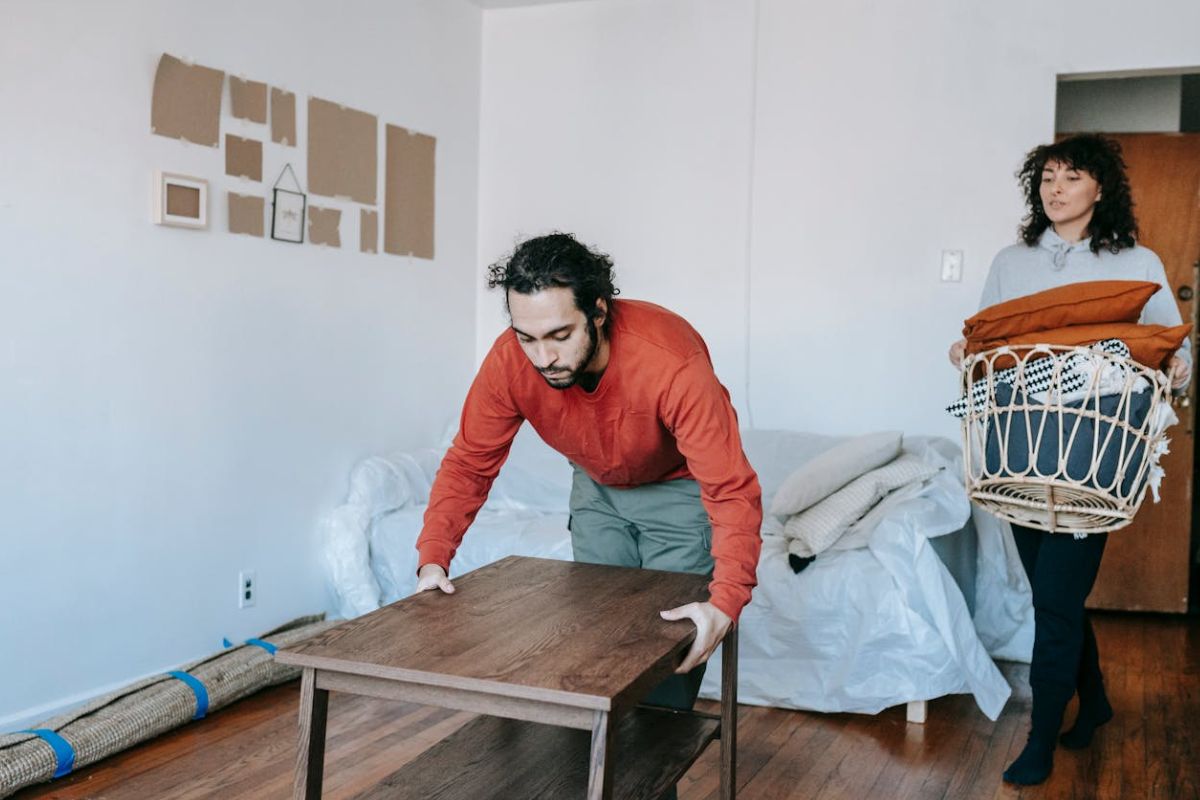
After two decades in real estate, I’ve walked through thousands of homes with potential buyers, and I can tell you that first impressions aren’t just important—they’re everything.
The way you present your home can be the difference between a quick sale at your asking price and months of showings with no offers.
Home staging isn’t about spending thousands on a complete makeover; it’s about strategically positioning your property to help buyers envision themselves living there.
Understanding the Buyer’s Mindset
Before diving into specific staging techniques, it’s crucial to understand what buyers are really looking for when they walk through your door.
They’re not just evaluating square footage and location—they’re imagining their future life in your space. Your job is to make that visualization as easy and appealing as possible.
Buyers typically make their decision within the first few minutes of entering a home. They’re scanning for problems, assessing maintenance needs, and trying to determine if the space fits their lifestyle.
A well-staged home removes barriers to this mental process and creates an emotional connection that transforms casual lookers into serious buyers.

Decluttering: The Foundation of Successful Staging
The most impactful step you can take costs nothing but time and effort: decluttering. Start this process at least a month before listing, as it’s more time-consuming than most homeowners anticipate.
Remove about 50% of your belongings, focusing on personal items, excess furniture, and anything that makes spaces feel cramped.
Pack away family photos, religious items, political memorabilia, and collections that reflect your personal taste.
The goal is to create a neutral canvas where buyers can project their own vision. Don’t forget about closets and storage areas—buyers will open every door, and overcrowded spaces suggest inadequate storage, even in large homes.
Consider renting a storage unit for the duration of your sale. The monthly cost is minimal compared to the potential price reduction from a cluttered showing, and it forces you to get serious about what truly needs to be displayed.
Deep Cleaning: Beyond Surface Level
Once decluttered, embark on the most thorough cleaning your home has ever received. This goes far beyond your regular housekeeping routine.
Clean inside appliances, scrub baseboards, wash windows inside and out, and steam clean carpets. Pay special attention to kitchens and bathrooms, as buyers scrutinize these areas most carefully.
Address any odors, particularly pet smells, cooking odors, and mustiness in basements or closets. Sometimes we become nose-blind to scents in our own homes.
Consider asking a trusted friend to do an honest smell test, or hire a professional cleaning service that specializes in pre-sale preparation.
Maximizing Natural Light and Space
Light sells homes. Open all curtains and blinds during showings, and replace any burnt-out bulbs with the highest wattage fixtures allow.
Consider upgrading to LED bulbs in the 2700K-3000K range, which provide warm, inviting light that mimics natural sunlight.
Remove heavy drapes that block light, and if privacy isn’t a concern, consider taking down window treatments entirely for showings.
Clean windows make an enormous difference in how bright and welcoming a space feels.
Create the illusion of more space by arranging furniture to maximize flow and highlight each room’s best features.
Remove oversized furniture pieces, and create clear pathways through each room. The goal is to make your home feel as spacious as possible while maintaining functionality.
Room-by-Room Staging Strategies
Living Areas: Create conversation areas with furniture angled toward each other rather than pushed against walls. Add fresh flowers or a bowl of lemons for a pop of color and natural fragrance.
Ensure there’s adequate lighting for both day and evening showings by combining overhead lighting with table lamps.
Kitchen: Clear all countertops except for perhaps a coffee maker and one decorative element like a bowl of fresh fruit.
Store small appliances in cabinets, and make sure cabinet fronts and drawer pulls are spotlessly clean.
A vase of fresh herbs on the windowsill suggests a kitchen that’s actively used for cooking while adding a pleasant, natural scent.
Bedrooms: Make beds with hotel-quality linens in neutral colors. Remove personal items from nightstands, leaving only a lamp and perhaps one decorative object. Ensure closets are organized with clothes facing the same direction and plenty of visible space.
Bathrooms: Replace worn towels with fluffy new ones in neutral colors. Clear all personal items from counters, and add a small plant or elegant soap dispenser. Make sure the bathroom smells fresh and looks spa-like rather than utilitarian.
Addressing Minor Repairs and Updates
While major renovations rarely pay for themselves when selling, small repairs and updates can significantly impact buyer perception.
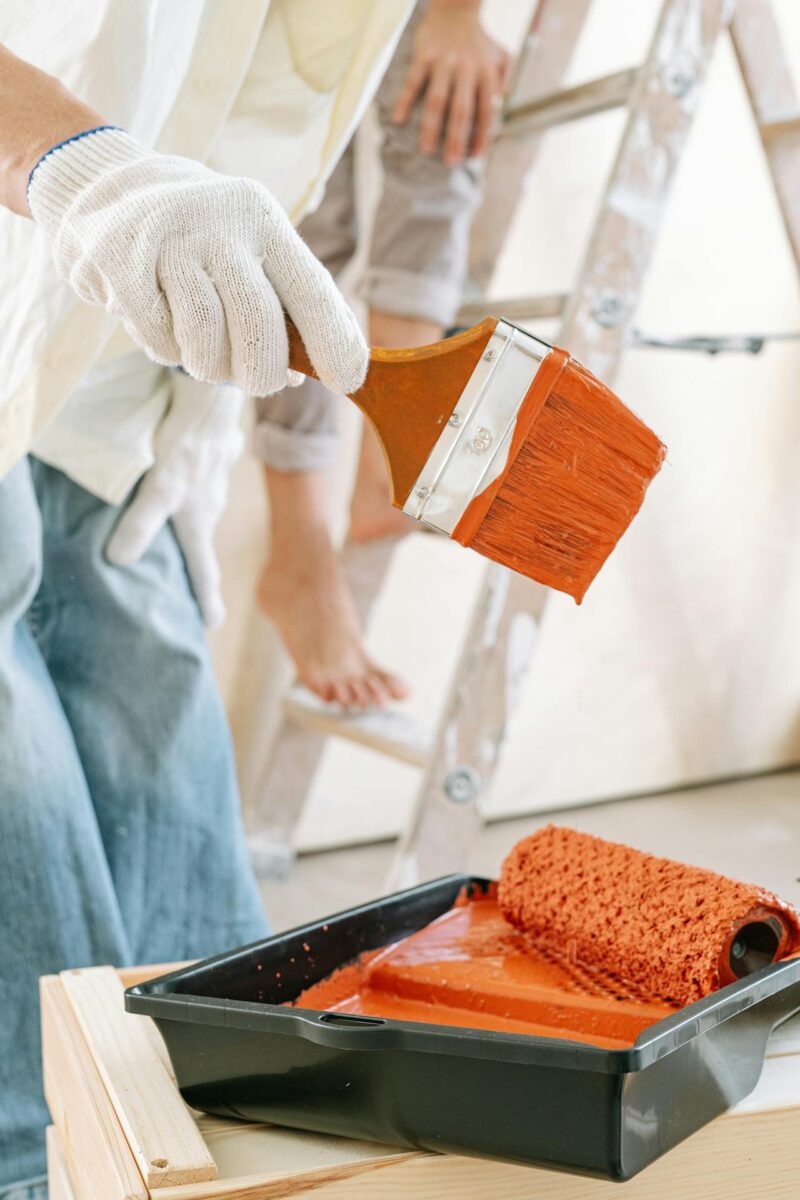
Fix squeaky hinges, patch nail holes, touch up paint, and address any obviously worn or broken elements.
Focus on updates that provide maximum visual impact for minimal investment. Fresh paint in neutral colors can transform a space, and new cabinet hardware in the kitchen can make dated cabinets appear more contemporary.
Replace worn outlet covers, update light fixtures in key areas, and ensure all faucets and door handles are clean and functioning smoothly.
Curb Appeal: Your Home’s First Impression
Remember that staging begins before buyers even enter your home. Ensure your lawn is well-maintained, flower beds are weeded, and any dead plants are removed. A fresh coat of paint on the front door can make the entire exterior look refreshed.
Power wash walkways, driveways, and siding if needed. Add potted plants flanking the entrance, and make sure house numbers are clearly visible and attractive. The goal is to create anticipation and excitement as buyers approach your front door.
Considering Professional Staging Services
For homes in competitive markets or those that have been on the market for several weeks without offers, professional staging services can provide significant value.
Professional stagers bring furniture and accessories specifically chosen to highlight your home’s strengths while appealing to the broadest range of buyers.
The investment typically ranges from $2,000 to $6,000 depending on your home’s size and the level of service needed, but studies consistently show that professionally staged homes sell faster and often for higher prices than non-staged properties.
Alternative Selling Options
While proper staging dramatically improves your chances of a successful traditional sale, it’s worth noting that some sellers choose different paths.
Companies like Cream City Home Buyers offer cash purchases that eliminate the need for staging, repairs, and showing preparation altogether.
The trade-off is typically a lower sale price in exchange for convenience and speed, but for sellers dealing with time constraints or properties that would require significant investment to prepare for market, such options provide valuable alternatives.
Timing Your Staging Efforts
Begin your staging process at least two to three weeks before listing. This timeframe allows you to address any issues that arise and make adjustments based on feedback from your realtor or staging professional.
During the active selling period, maintain your staged environment consistently. This means making beds every morning, keeping counters clear, and ensuring the home is showing-ready at all times, as buyers’ agents often request same-day showings.
Measuring Success and Making Adjustments
Track feedback from showings through your realtor, and be prepared to make adjustments if patterns emerge in buyer comments.
If multiple buyers mention that a room feels cramped, remove more furniture. If they consistently comment on specific odors or maintenance issues, address them immediately.
The goal of staging is to eliminate any reason for buyers to say no while giving them compelling reasons to say yes.
When done effectively, staging transforms your property from just another house on the market into a home that buyers can envision as their own.
Remember that every dollar and hour invested in proper staging is an investment in achieving the best possible outcome for your sale.
In today’s competitive market, a well-staged home doesn’t just sell faster—it often sells for closer to asking price, making the time and effort invested in preparation one of the most valuable activities in the entire selling process.
