

The Digital Safety Landscape: Why Protection Matters More Than Ever
The digital world has transformed how we live, work, and play, but this convenience comes with escalating risks.
Recent data reveals that consumers reported over $12.5 billion lost to fraud in the U.S. during 2024, marking a 25% increase from the previous year.
Meanwhile, global online shopping fraud losses exceeded $48 billion in 2023, with North America comprising 42% of fraudulent transaction value.
These staggering figures reflect sophisticated cybercriminal tactics targeting users across streaming platforms, shopping sites, and social media.
Your online activities create an interconnected web of personal data that attackers exploit, with U.S. data security breaches exposing 6.8 billion records in 2,741 publicly disclosed incidents from November 2023 to April 2024.
Essential Security Fundamentals and Advanced Protection
Building robust digital defenses starts with strong authentication systems.
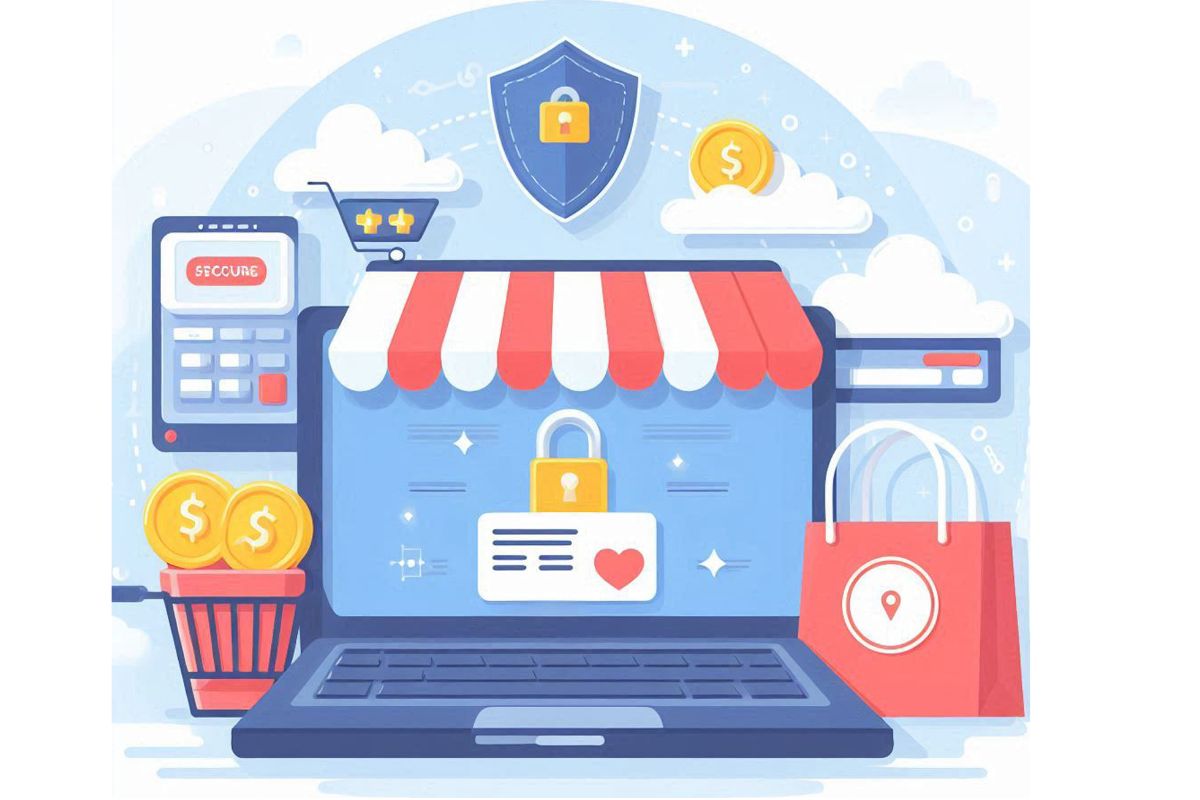
Multi-factor authentication (MFA) provides crucial protection beyond passwords, requiring additional verification through SMS codes, authentication apps, or biometric data.
The Cybersecurity & Infrastructure Security Agency (CISA) recommends enabling MFA on all critical accounts including email, banking, and shopping platforms.
Password management forms another cornerstone of internet safety. Create unique, complex passwords for every account using password managers that generate and store credentials securely.
The National Institute of Standards and Technology (NIST) cybersecurity framework emphasizes regular password audits, especially after breach notifications.
Device security requires consistent attention to software updates and mobile protection. Enable automatic updates for operating systems, browsers, and apps to patch known vulnerabilities quickly.
Network protection becomes especially important when connecting to public Wi-Fi, where unsecured networks expose data to interception. For enhanced privacy and security on public networks, consider downloading a reliable VPN software that encrypts your internet traffic.
Browser security and extensions provide additional protection layers. Install reputable security extensions that block malicious websites, ads, and trackers while regularly reviewing browser permissions to reduce vulnerability exposure.
Safe Streaming and Secure Online Shopping
Streaming safety begins with choosing legitimate platforms that maintain industry security standards.
Official app stores and provider websites offer the safest download sources, while unofficial streaming sites often expose users to malware and phishing attempts.
Adjust privacy settings on streaming accounts to control data sharing and regularly review connected devices.
Online shopping safety requires vigilant verification of retailer legitimacy. Recent scams like Zamzbuy.com demonstrate how fraudsters create convincing fake stores offering implausibly low prices, stealing product images from legitimate retailers while providing no real customer service or refunds.
Secure websites display “HTTPS” in the address bar with a padlock icon, indicating encrypted communication.
Red flags include poorly designed sites, missing contact information, suspiciously low prices, and pressure tactics.
The Center for Internet Security (CIS) provides comprehensive guidelines for evaluating website legitimacy.
Payment security represents a critical aspect. Credit cards and established payment platforms provide superior fraud protection compared to direct bank transfers.
Digital wallets and tokenized payment services add extra security by avoiding direct card detail sharing with merchants.
Understanding Real-World Threats and Crisis Response
Major data breaches illustrate the scale of current threats. The PandaBuy breach exposed 1.35 million user records, including names, emails, addresses, and order details, while the Hot Topic incident compromised over 54 million customer records spanning data from 2011 to 2024.
These breaches demonstrate how attackers exploit cloud vulnerabilities and third-party provider weaknesses.
Imposter scams accounted for $2.95 billion in losses in 2024, making it the second-highest fraud category.
Scammers increasingly leverage social media platforms with fraudulent advertisements and counterfeit goods while impersonating friends or organizations to extract sensitive information.
Email security involves identifying phishing attempts through suspicious sender addresses, urgent language, and mismatched URLs.
Use dedicated email accounts for shopping and entertainment services to organize communications and minimize spam exposure.
Social media safety requires optimized privacy settings that limit profile visibility to trusted contacts. Practice safe sharing by avoiding posts about travel plans, home addresses, or other exploitable details.
Recovery and Long-Term Safety Habits
When security breaches occur, immediate response proves crucial. Change passwords immediately, enable or update MFA, and disconnect affected devices from the internet.
Run comprehensive security scans and preserve evidence for reporting to relevant platforms and authorities.
The National Cybersecurity Alliance provides accessible guidance for building sustainable digital safety habits through regular security audits of account access and device settings.
Remove unused accounts and devices from service lists while staying informed about emerging threats through government cybersecurity resources.
Teaching family members these essential security steps creates a safer digital environment for everyone.
Establish shared guidelines for device use and online sharing while encouraging open discussions about digital experiences and potential security concerns.
With internet crime losses exceeding $16 billion in 2024 representing a 33% year-over-year increase, implementing fundamental safety practices provides solid protection across all online activities.
Regular vigilance, combined with proper tools and awareness, ensures you can enjoy streaming, shopping, and socializing online while maintaining your security and privacy.
