
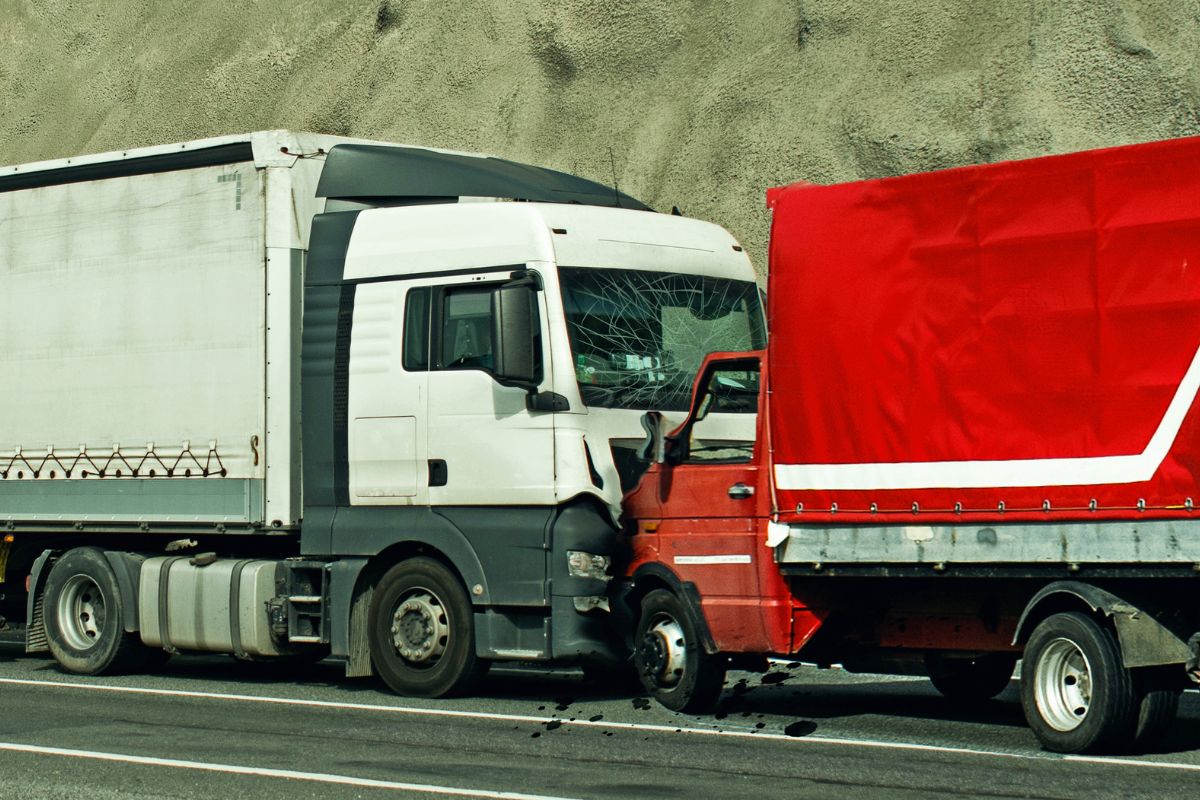
Little Rock sits at the intersection of I-30 and I-40, two of the busiest freight corridors in the southern United States.
This positioning means commercial trucks pass through the city constantly, carrying loads between Texas, Memphis, and points further east.
Residents driving local routes share the road with tractor trailers that weigh tens of thousands of pounds, and when collisions happen, the difference in force makes the resulting injuries far more severe than what a typical car accident produces.
Multiple parties may share responsibility in truck accident cases, and federal safety regulations add a layer of evidence that most drivers never encounter.
Critical records, like electronic logs and maintenance files, can disappear quickly if preservation steps are not taken promptly.
A truck accident lawyer in Little Rock can help identify which parties owed a duty of care, secure time-sensitive evidence from carriers, and build a case that accounts for the full scope of medical, financial, and long-term recovery needs.
More Defendants
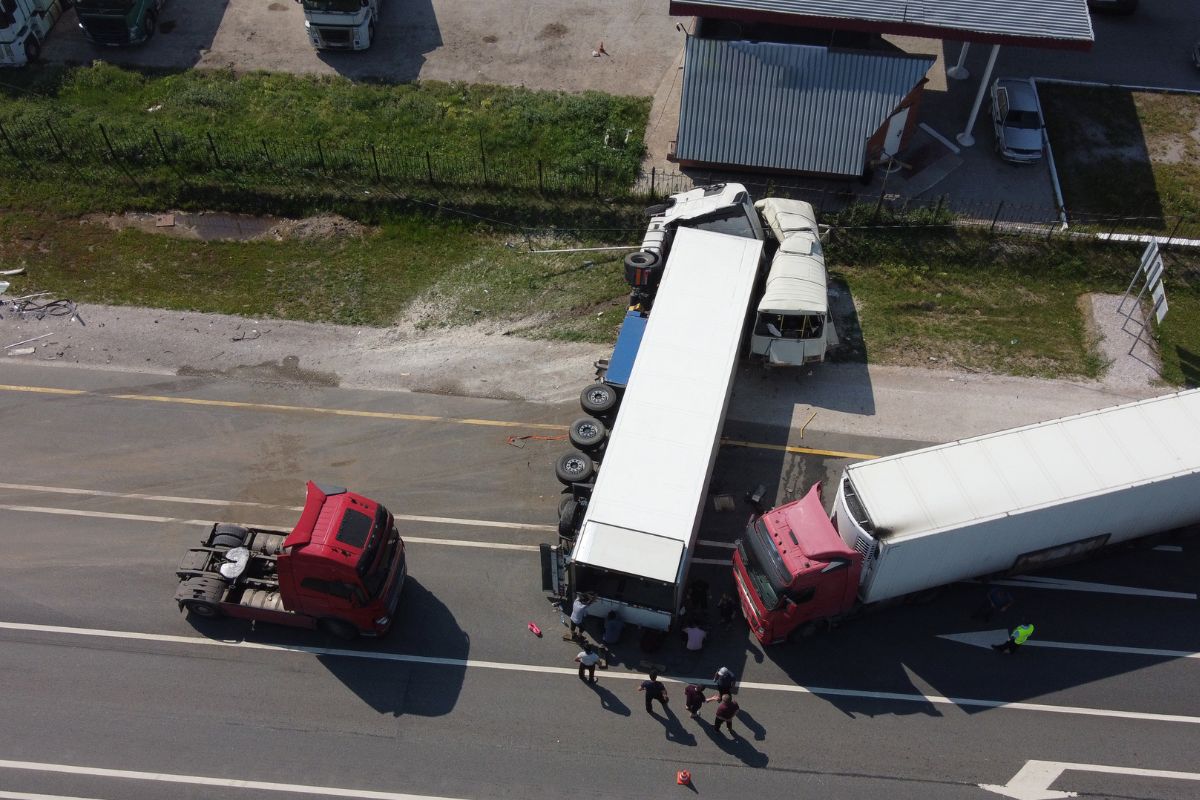
Truck accidents often involve multiple parties, including the motor carrier, trailer owner, freight loader, repair contractor, leasing company, or equipment maker.
Each party may have separate safety responsibilities. One business might supervise training, while another handles brakes or tires.
The broader range of potential defendants influences legal strategy because liability can be divided, shifted, or denied through various competing defenses.
Complex Regulations
Commercial truck cases also involve federal safety regulations that govern driving hours, rest periods, inspections, drug testing, maintenance, and cargo securement.
These requirements can serve as compelling evidence. If a driver skipped mandatory checks or exceeded legal service limits, their conduct may strengthen a negligence claim.
Unfamiliar Evidence
Many car claims rely on photographs, witness statements, police notes, and repair bills.
However, truck cases often require additional evidence, such as electronic control data, driver qualification files, weight tickets, route details, dispatch messages, maintenance logs, and loading records.
Some of this information may remain with the trucking company. The evidence required in truck accident cases is more extensive and technical. Inadequate preservation of evidence can leave major questions unresolved.
More Serious Injuries
A collision with a loaded tractor-trailer often causes more severe physical damage than a typical passenger vehicle crash.
Victims may experience traumatic brain injuries, spinal cord damage, crush fractures, internal bleeding, burns, or prolonged respiratory complications.
Recovery can require surgery, rehabilitation, mobility aids, and extended pain management. Because future care needs increase, medical evidence must thoroughly address issues related to functionality, prognosis, and permanent impairment.

Broader Insurance Policies
Most automobile accident cases involve modest policy limits. Commercial trucking claims may include primary coverage, excess layers, leased vehicle protection, and contract-based indemnity obligations.
However, having larger limits does not necessarily make the payment process easier. In fact, it often leads to more aggressive defense strategies.
Adjusters may challenge causation, dispute the length of treatment, or argue that another company holds primary responsibility. Higher exposure usually brings about earlier resistance and sharper scrutiny.
Fault Is Often Shared
Two-car accidents often hinge on factors like a missed signal or an unsafe lane change.
However, truck crashes can involve driver fatigue, speeding, overloaded freight, inadequate maintenance, brake fade, poor route planning, or negligent supervision.
Several failures may occur at once, which makes the causation analysis more complicated. An injured individual needs to show how the company’s conduct contributed to the event.
Timely Action Is Necessary
Important trucking records can vanish sooner than many people expect. Electronic data may be overwritten, paper files can be discarded, and damaged parts may be replaced before a full inspection is conducted.
Vehicles also may return to service quickly after basic repairs. It is crucial to act quickly because delays can result in the loss of evidence.
Settlement Pressure Changes
Truck accident litigation places greater pressure on every damage figure.
Carriers may be concerned about the risk of a substantial verdict, while injured families deal with mounting bills, lost income, and uncertain recovery outcomes.
This tension influences the timing of negotiations. A fair outcome often requires strong records, expert analysis, and patience, because opening offers may be influenced by defense strategies.
Conclusion
Truck accident claims differ from car crash cases in scope, evidence, and financial risk.
More parties may be held responsible, safety regulations carry more weight, and injuries often require prolonged treatment with potential for lasting functional impairments. These differences influence every aspect of the legal process.
