
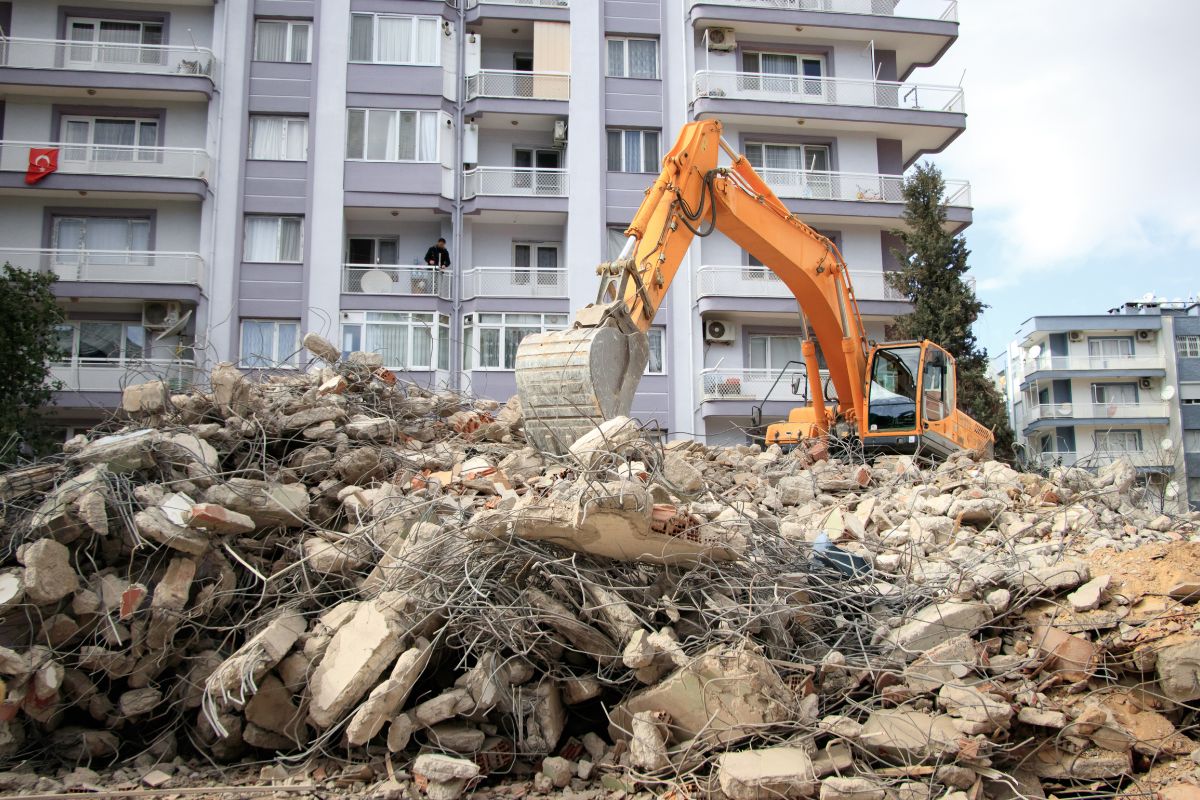
Urban construction projects present a unique set of logistical challenges, especially when it comes to managing waste.
Limited space, restricted access points, surrounding traffic, and nearby businesses or residents all add complexity to what might otherwise be a straightforward process.
In these environments, even small inefficiencies in debris handling can quickly lead to delays, congestion, and frustration on the job site.
Unlike open or suburban job sites, urban projects rarely offer extra room for staging materials or waste.
Every square foot matters, and contractors must carefully coordinate how debris is removed without disrupting surrounding activity.
Effective waste management becomes a critical part of maintaining workflow and ensuring the project stays on schedule.
For contractors working in tight urban environments, a structured and proactive approach to waste removal is essential for balancing productivity with site constraints.
Why Urban Projects Require More Precise Waste Planning
Construction in dense urban areas is often constrained by limited staging space, narrow streets, and strict local regulations.

Crews must work within tight boundaries, and there is little room for error when it comes to handling debris.
Materials cannot simply be piled up and removed later, as this can block access routes or violate local ordinances.
Additionally, urban projects frequently involve coordination with multiple external factors, such as pedestrian traffic, neighboring businesses, and delivery schedules.
Waste removal must fit seamlessly into this environment to avoid creating disruptions. Planning ahead ensures that debris handling supports the overall project rather than becoming a source of conflict.
Managing Debris in Limited Space
One of the biggest challenges in urban construction is the lack of available space for waste storage.
Contractors must find ways to manage debris without interfering with active work areas or surrounding infrastructure. This often requires a more disciplined approach to waste handling than on larger job sites.
Instead of allowing materials to accumulate, crews should focus on continuous removal and efficient use of available space.
Keeping work areas clear not only improves productivity but also helps maintain a safer environment. When space is limited, organization becomes a key factor in maintaining control over the project.
Strategic Container Placement in Tight Areas
Container placement is especially critical in urban settings where access is restricted and space is shared with other activities.
A poorly placed container can block traffic, limit access for deliveries, or create safety hazards for pedestrians.
Contractors must carefully evaluate where containers can be positioned to support both efficiency and compliance.
Working with providers such as Waste Removal USA can help identify placement strategies that fit within the constraints of the site.
This may include positioning containers in designated loading zones, coordinating placement with local authorities, or using smaller containers that can fit into tighter spaces. Strategic placement helps maximize efficiency while minimizing disruption.
Coordinating Waste Removal with Delivery Schedules
Urban construction projects often rely on tightly scheduled deliveries due to limited staging areas.
Materials arrive just in time to be installed, leaving little room for overlap between incoming supplies and outgoing debris. Without proper coordination, these activities can conflict and create congestion.
Contractors should plan waste removal schedules to align with delivery times, ensuring that containers are accessible when needed and do not interfere with incoming materials.
This balance helps maintain a steady flow of activity on the site. Coordinating these logistics is essential for keeping the project moving efficiently.
Keeping Access Points Clear
Access points are critical on urban job sites, as they serve as the primary entry and exit for workers, equipment, and materials.
Debris that accumulates near these points can quickly disrupt operations and create safety concerns. Maintaining clear access is essential for both productivity and compliance with local regulations.
Contractors should establish designated pathways for debris removal that do not interfere with these key areas.
Regular monitoring and cleanup help ensure that access points remain unobstructed. Keeping these routes clear supports smooth operations and prevents unnecessary delays.
Managing Multiple Trades in Close Quarters
Urban projects often involve multiple trades working in close proximity, which can increase the complexity of waste management.
Each trade generates its own debris, and without coordination, materials can quickly become mixed or scattered across the site. This lack of organization can lead to inefficiencies and confusion.
Establishing a consistent system for waste handling helps ensure that all trades follow the same process.
Clear communication and defined responsibilities reduce the risk of debris being left behind or handled inconsistently. Coordinated efforts improve overall site organization and support better workflow.
Reducing Labor Through Efficient Handling
In tight urban environments, labor efficiency is critical. Workers should spend as little time as possible moving debris, as excessive handling can slow down progress and increase costs. Direct disposal into containers is one of the most effective ways to reduce unnecessary labor.
By positioning containers strategically and encouraging consistent use, contractors can minimize the need for staging and double handling.
This approach allows crews to focus on their primary tasks, improving productivity across the site. Efficient handling is especially important when space constraints limit movement.
Adapting to Changing Site Conditions
Urban construction sites are dynamic, with conditions changing as the project progresses. Access points may shift, new work areas may open, and surrounding activity can vary from day to day. Waste management strategies must be flexible enough to adapt to these changes.
Contractors should regularly evaluate site conditions and adjust container placement, removal schedules, and debris pathways as needed.
This proactive approach helps maintain efficiency and prevents issues from arising. Flexibility is key to managing the complexities of urban construction.
Avoiding Common Urban Waste Management Mistakes
Several common mistakes can disrupt waste handling on urban projects, including underestimating debris volume, placing containers in restricted areas, and failing to coordinate with local regulations.
These issues can lead to fines, delays, and strained relationships with surrounding communities.
Contractors can avoid these challenges by planning ahead and maintaining open communication with all stakeholders.
Understanding local requirements and working within them helps ensure that waste management remains compliant and efficient. Attention to detail is essential for success in urban environments.
Supporting Efficiency and Project Success
Effective waste management plays a significant role in the overall success of urban construction projects.
When debris is handled properly, crews can work more efficiently, access points remain clear, and the site stays organized. This leads to improved productivity and a smoother construction process.
Contractors who prioritize waste management are better equipped to navigate the challenges of tight urban access.
By integrating debris handling into the overall project strategy, they can reduce delays and maintain a steady pace of work. Efficiency improves when every aspect of the site is managed with care.
Managing construction waste on projects with tight urban access requires careful planning, coordination, and adaptability.
The constraints of limited space and shared environments make effective waste handling essential for maintaining workflow and meeting project timelines.
By focusing on strategic container placement, continuous debris removal, and coordination with deliveries and trades, contractors can overcome the challenges of urban construction.
Working with experienced providers and staying flexible as conditions change further supports success.
When waste management is treated as a core part of the project, it becomes a powerful tool for improving efficiency and ensuring that urban construction projects are completed smoothly and on schedule.
