
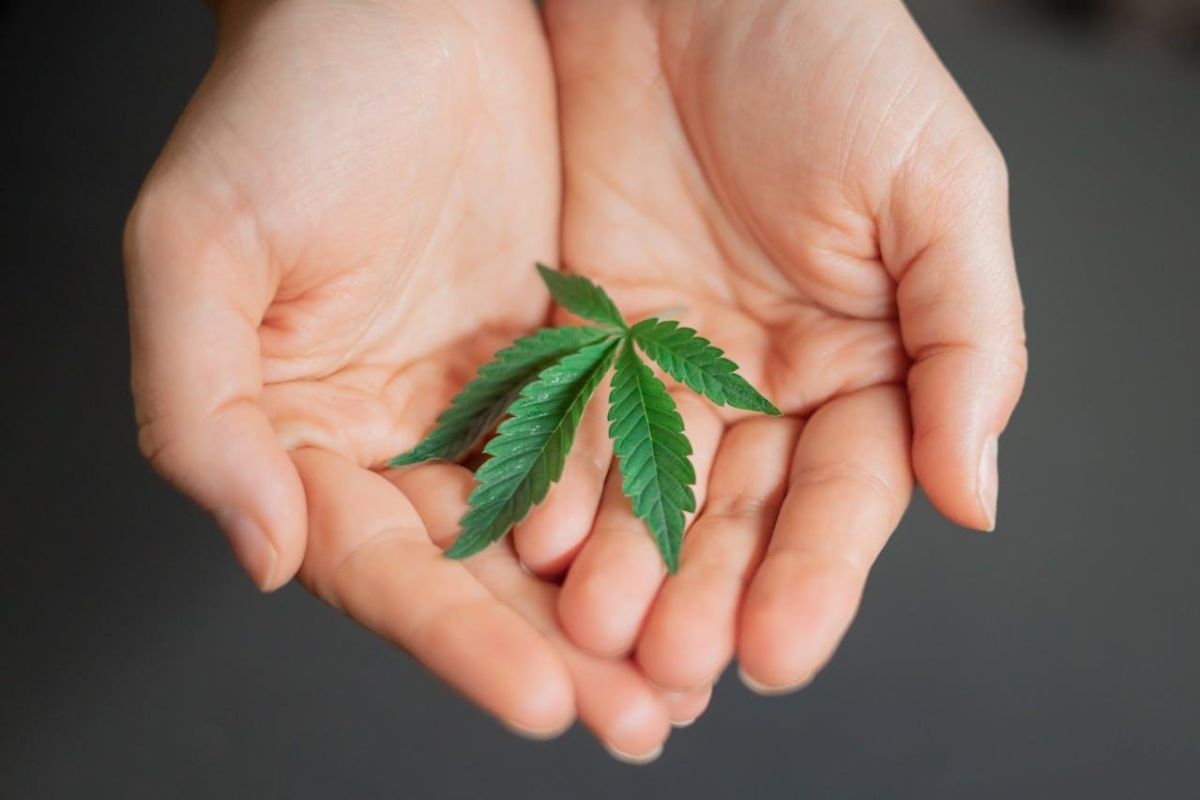
The world of healing is changing. For generations, people have relied on pills and prescriptions as the primary, and often only, path to relief.
Today, many are looking back to nature, rediscovering remedies that work with the body rather than against it.
This shift reflects a growing interest in holistic approaches that consider overall wellness, lifestyle, and balance.
At the center of this movement are medicinal cannabis and CBD, two powerful components driving a broader trend toward natural, integrative health solutions.
Understanding Medicinal Cannabis
Medicinal cannabis is not about indulgence or escape. It is about balance and recovery. The plant contains dozens of compounds known as cannabinoids, but two stand out: THC and CBD. Each has its own role in the body’s healing process.
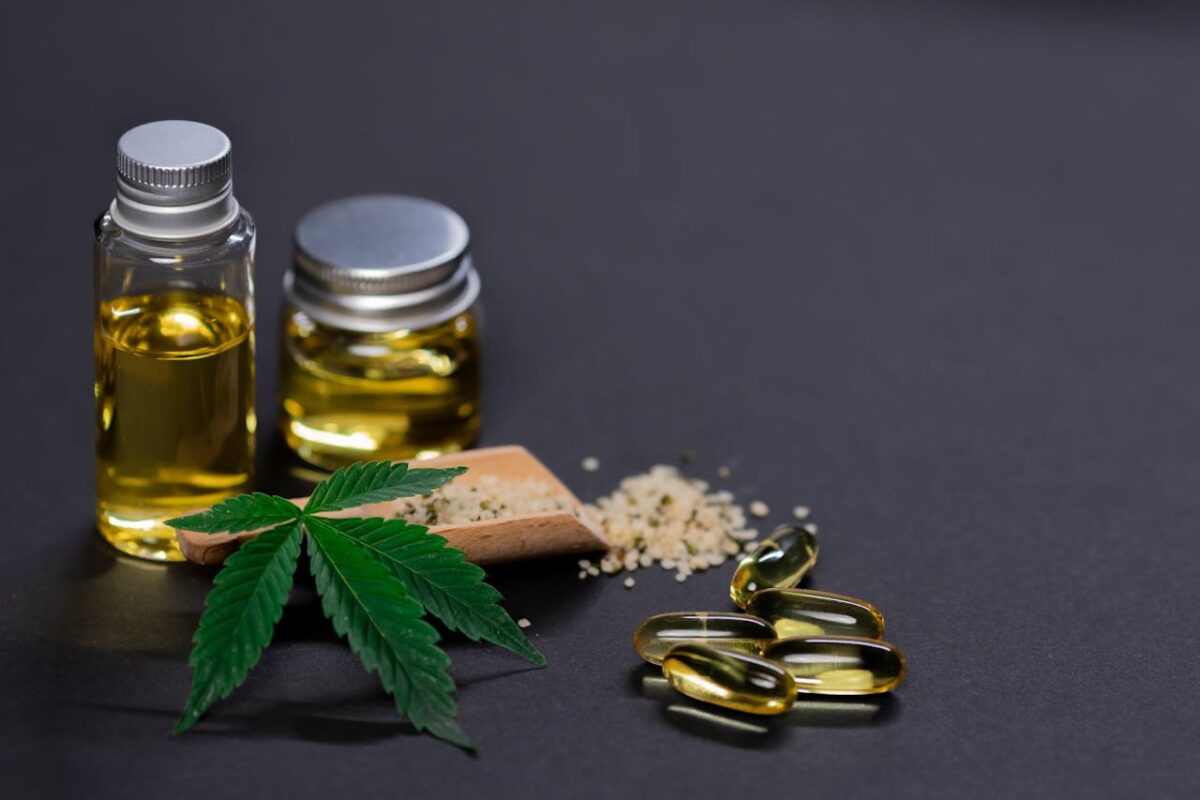
THC is the compound most associated with euphoria, yet in controlled doses it can be remarkably therapeutic. It may ease chronic pain, improve appetite, and reduce nausea in patients undergoing treatments such as chemotherapy.
CBD, on the other hand, is non-intoxicating and has captured global attention for its calming, anti-inflammatory, and neuroprotective properties.
Doctors and researchers are now exploring how cannabis can complement other treatments, creating a more comprehensive approach to care.
From easing anxiety to promoting better sleep and supporting mobility, its range of applications keeps growing.
CBD: The Calming Cornerstone
CBD has quickly become a staple in modern wellness culture. Unlike many supplements that fade in popularity, CBD has stayed relevant because it works for such a wide range of people.
It can be infused into oils, gummies, balms, or drinks, offering an approachable way to experience the benefits of cannabis without the high.
People turn to CBD for many reasons:
- To manage stress and anxiety naturally,
- To ease pain and inflammation after workouts,
- To promote better sleep and relaxation.
Its gentle nature has made it appealing across generations. Older adults appreciate it for its soothing effects on joints and nerves, while younger users often see it as part of a mindful lifestyle.
CBD’s adaptability is one reason it continues to bridge the gap between traditional medicine and holistic self-care.
The Science Behind Balance
The secret to cannabis’s effectiveness lies in the endocannabinoid system, a network of receptors throughout the body that maintains equilibrium.
This system influences mood, pain, immune response, and even memory. When stress or illness disrupts this balance, cannabinoids can help restore it.
Unlike synthetic medications that target a single symptom, cannabis compounds interact with multiple pathways at once.
This interconnected approach reflects the principles of holistic healing, which prioritize balance over isolation.
It helps explain why many view cannabis not merely as a treatment, but as a way to realign the body’s natural rhythm.
The Return to Plant-Based Remedies
The renewed interest in medicinal plants is not just a trend. It is a reflection of a cultural shift toward simplicity and sustainability.
People are paying closer attention to what they consume and how it affects their mental and physical state. Cannabis and CBD are part of this larger return to nature’s pharmacy.
In many ways, this mirrors ancient healing traditions. For thousands of years, cultures around the world have used herbal medicine to address pain, anxiety, and countless other conditions.
Modern research is beginning to explore these practices with greater scientific rigor, confirming some benefits while challenging others.
While not every natural remedy proves effective, the renewed interest highlights a shared understanding that nature still holds valuable insights into how we heal.
Modern Retail and Accessibility
Legalization has made access to medicinal cannabis easier and safer than ever before.
Dispensaries are no longer dim, hidden spaces but modern wellness hubs designed to educate and empower. They offer guidance, transparency, and high-quality products tailored to individual needs.
One example is Snoop Dogg’s dispensary, where cannabis culture meets innovation and education.
It showcases how far the industry has evolved, creating environments that celebrate health, creativity, and choice.
Such spaces reflect the growing understanding that cannabis is not a subculture but a legitimate part of the wellness economy.
Integrating Cannabis Into Holistic Routines
The most meaningful change comes when people treat cannabis as part of a larger lifestyle, not a standalone fix. Combining it with exercise, nutrition, mindfulness, and proper rest amplifies its benefits.
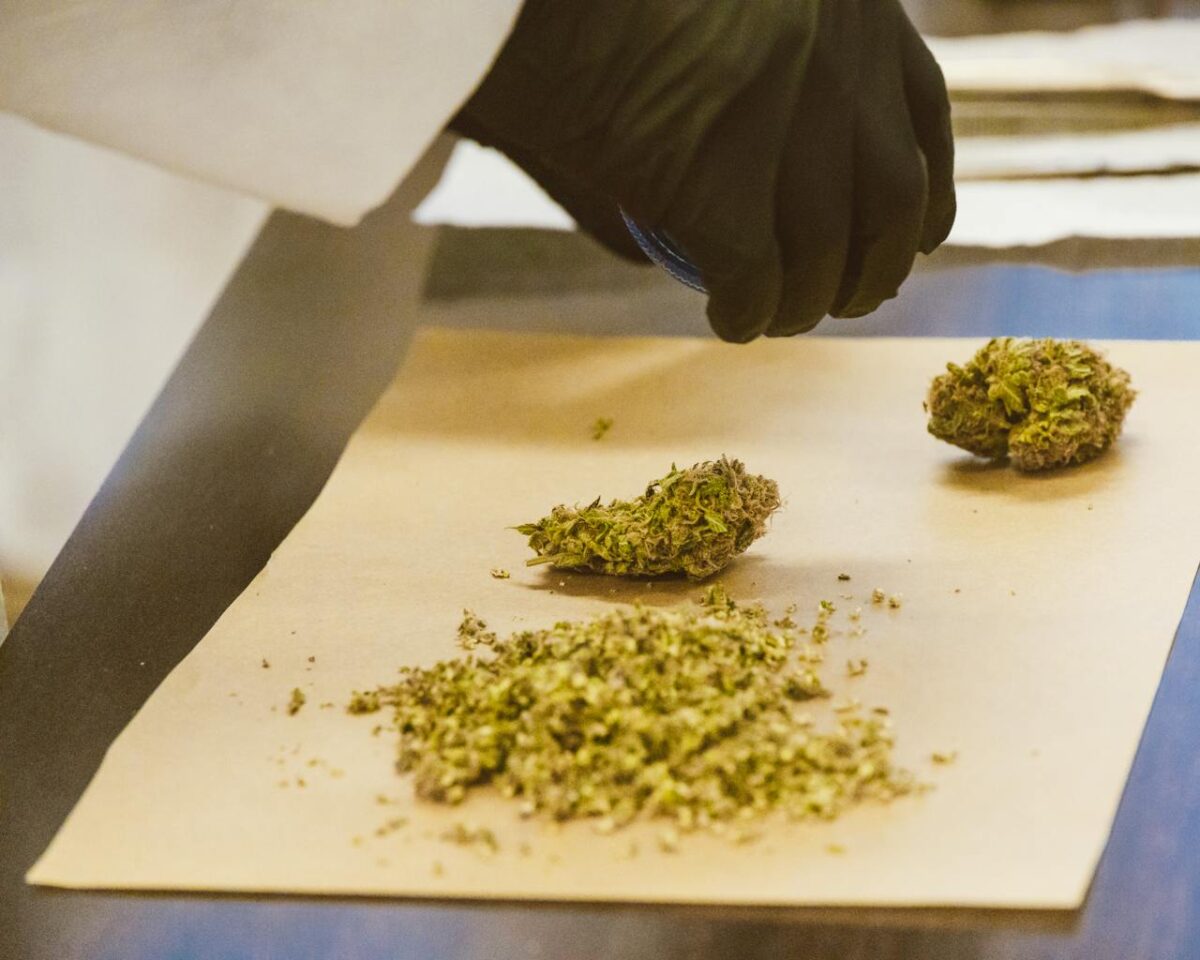
Many holistic practitioners recommend starting small and focusing on quality rather than quantity.
Understanding how different strains and formulations affect mood and body chemistry can turn casual use into a personalized practice.
For those who prefer structure, guided consultations and wellness plans that include CBD and cannabis therapies are becoming more common.
Challenges and the Road Ahead
Despite its progress, medicinal cannabis still faces barriers. Misconceptions persist, and regulations differ from one region to another. Research is expanding, but stigma remains a challenge.
The key to progress lies in education, helping people understand that cannabis, when used mindfully and responsibly, can be a legitimate part of healing.
As more studies emerge and more countries embrace legalization, the path forward looks promising.
The future of holistic health will likely blend science and spirituality in new ways, with cannabis as one of its cornerstones.
The Future of Healing
The modern movement toward holistic wellness is not about rejecting medicine but about reimagining it. It asks how we can treat the whole person, not just the problem.
Medicinal cannabis and CBD embody that philosophy, offering natural relief and balance in an increasingly complex world.
Healing today is not just about removing pain; it is about restoring harmony. Cannabis reminds us that sometimes the answers we seek have been growing quietly in nature all along.
As awareness spreads and research deepens, the plant once misunderstood may become one of the most powerful symbols of modern well-being.
