
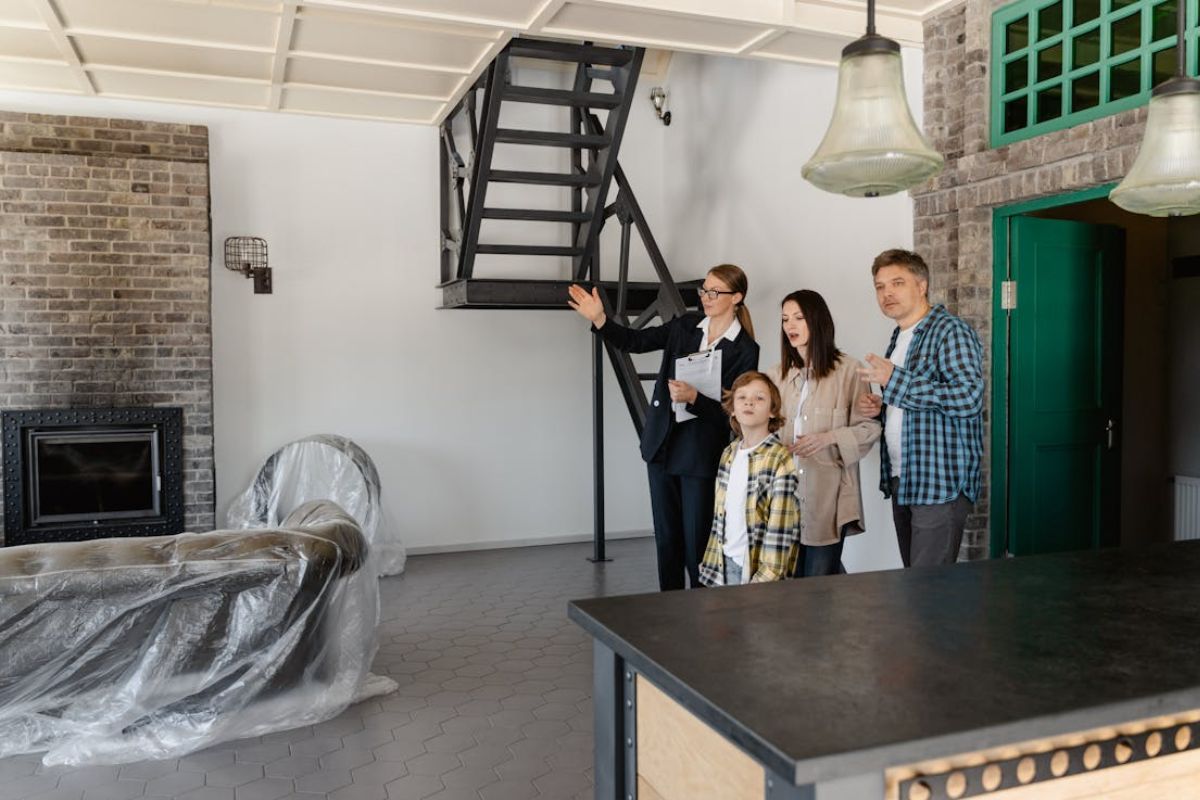
Every clean closing starts with confidence. Buyers want a house that works on day one. Inspectors want clear, safe systems, and lenders want fewer surprises.
Plumbing touches all three. It is also one of the least expensive places to remove friction.
Do these pre-listing checks before photos and showings. You will cut repair addenda, avoid last-minute scrambles, and shorten time to close.
Additionally, your agent gets cleaner talking points, and your price holds better when minor problems are handled up front.
1. Verify water pressure and volume
Start with data, not guesses. Put a simple gauge on an outdoor spigot, and aim for 50 to 70 PSI. Low pressure weakens showers and appliance cycles.
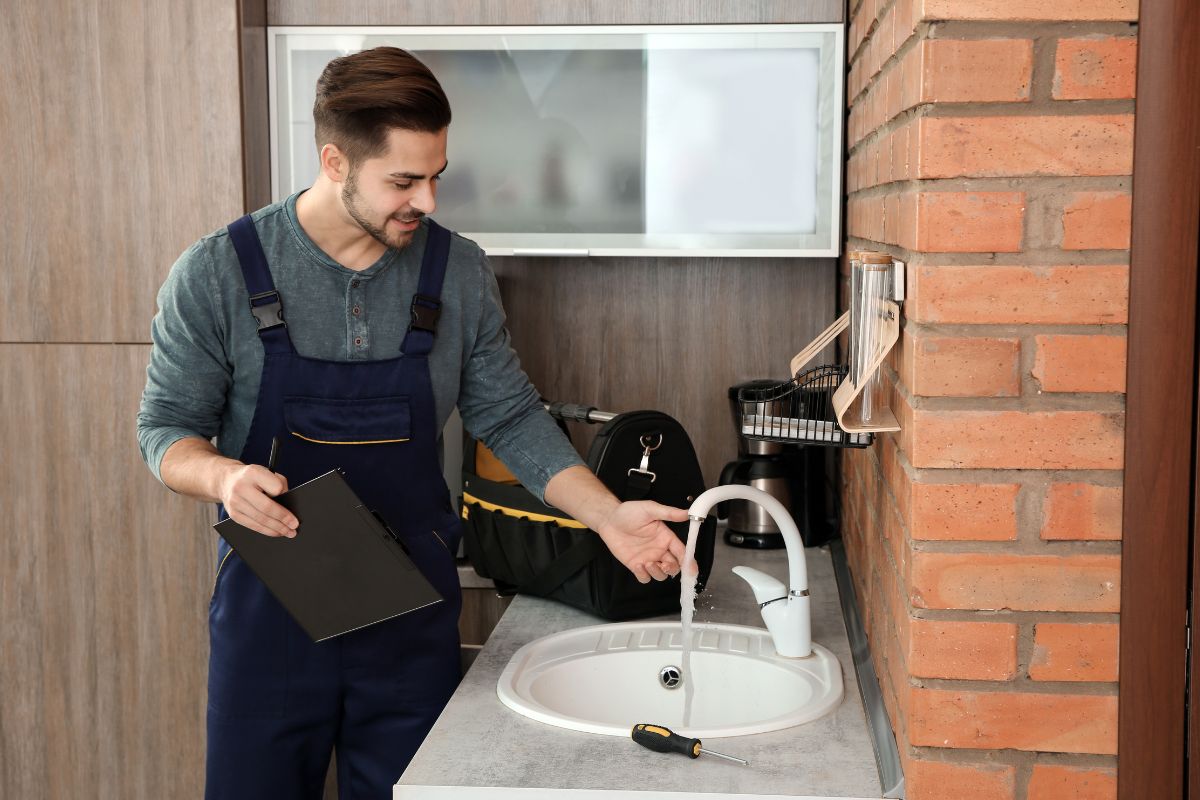
High pressure wears out seals and supply lines. If PSI is off, install or adjust a pressure-reducing valve. Note its location in your seller packet so the inspector finds it fast.
Be sure to check the volume as well. Open two fixtures at the same time and watch the stream. If it drops, clean aerators and replace clogged cartridges.
Look for kinks, mineral buildup, or tight bends, and fix constricted sections. This quick tune-up restores feel and cuts comments in the report.
2. Book a whole-home leak and safety inspection
A fast walkthrough misses slow drips and hidden moisture. Hire professionals to run fixtures through full cycles, then check with thermal imaging and moisture meters.
In places like Tucson, hard water and older copper increase the risk for pinholes, so bring in local help.
Schedule a pre-sale inspection with Tucson Plumbers and ask for a written checklist with photos. Be sure to fix active leaks, loose traps, and unvented fixtures.
Test GFCI outlets near water, and confirm bonding and grounding where required.
3. Ready the water heater for the spotlight
Inspectors always look here first. Check the manufacturing date and condition. Standard tanks often age out around ten years.
Drain a few gallons to clear sediment. Test the temperature and pressure relief valve, and make sure the discharge tube is correct.
Add a drain pan and drain line if the heater sits over a finished space. In high-pressure areas, install an expansion tank.
Set the thermostat to about 120 degrees for safe, efficient operation. Be sure to label the gas or electric shutoff so it is easy to find.
4. Check drain health before showings
Slow drains scare away buyers. Run flow tests at sinks, tubs, and showers at the same time. Watch for gurgling, bubbles, odors, or backups; these point to venting, slope, or partial blockages.
Replace flimsy or sagging traps. If the home has cast iron or clay, schedule a camera scope of the main line. Roots, bellies, and offsets are common in older areas.
Fix issues before listing. Targeted hydro jetting or spot repairs beat last-minute repair credits at closing. Mark every cleanout so inspectors find them fast.
If a cleanout is missing, get a quote to add one. Ensure you save photos and invoices to show the work.
5. Tune and polish every visible fixture
Faucets and toilets signal care. Replace worn flappers and fill valves. Shim wobbly toilets, then caulk the front and sides, leaving the back open so leaks show.
Swap brittle supply lines for braided stainless. Be sure to also clean or replace aerators for a crisp stream. Reseat loose sprayers and soap dispensers.
In addition, reseal around sinks, tubs, and shower surrounds. Match metal finishes where you can, and keep lines straight and beads neat.
Fresh caulk and tidy hardware look clean and well-maintained, both in photos and in person.
6. Test the main shutoff and every stop valve
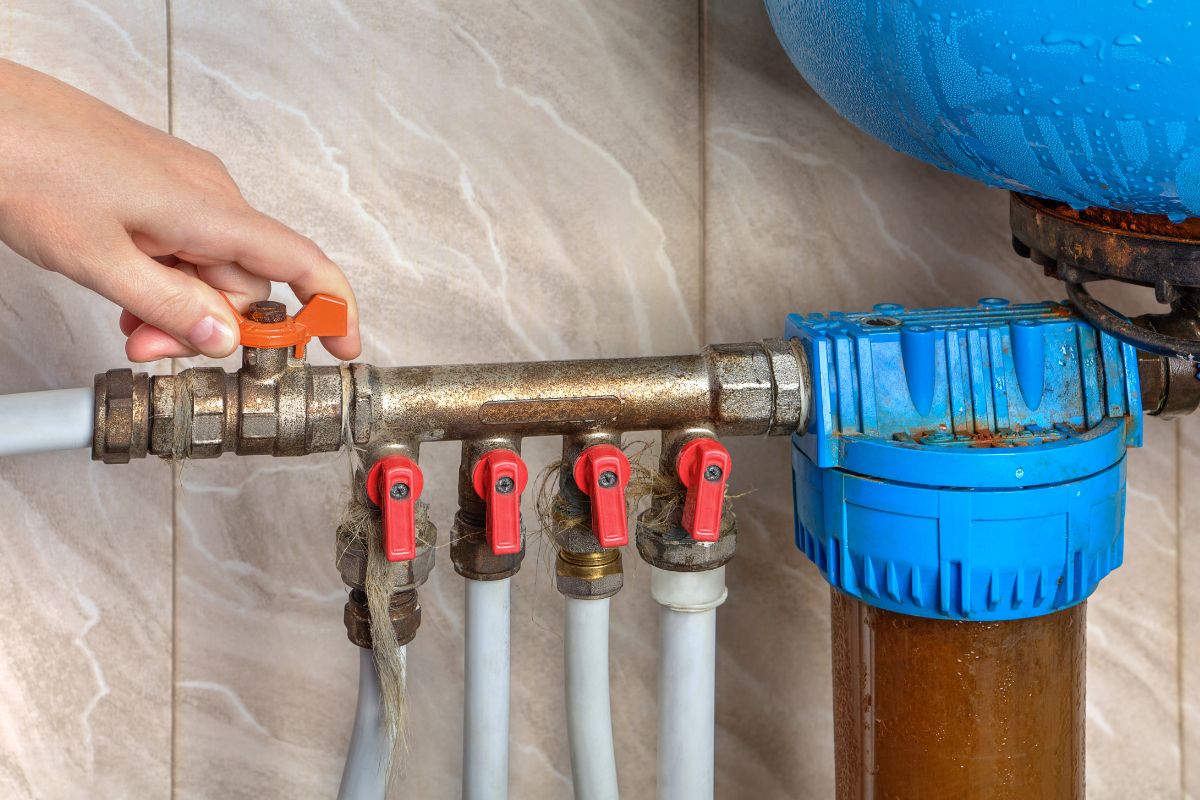
Most sellers never test valves until a crisis. Turn the main valve off, then on, to confirm it works, and label it. Buyers want to know where it is.
Test the stop valves at each toilet and sink, and replace any valve that is stuck or weeping.
Multi-turn valves stick under stress. Quarter-turn ball valves hold up better during moves and inspections. Verify hose bibs shut off fully.
In older homes, add an accessible main valve if the curb stop valve is the only control. A simple whole-house shutoff device adds peace of mind.
7. Check supply materials and transitions
Buyers want to know what the pipes are. Identify copper, PEX, or CPVC. Flag any remaining galvanized steel or polybutylene, since both draw scrutiny and can slow loans.
Plan targeted replacements in high-risk runs, like to the washer and the water heater. Use proper dielectric unions where metal meets copper. Be sure to verify all fittings are lead-free.
Add insulation where lines cross hot attics or exterior walls. Support runs with clean strapping, and keep lines straight and transitions tidy.
Ensure you label shutoffs where you can. Neat work shows well in crawls and inspection reports.
8. Test irrigation, hose bibs, and backflow protection
Curb appeal depends on working watering systems. Open each hose bib and run every irrigation zone.
Fix geysers, clogged emitters, and soft spots that suggest leaks. Be sure to also replace cracked vacuum breakers.
If a backflow assembly is present, confirm the test is current and the tag is visible. Cap abandoned lines cleanly, and shield exposed PVC from the sun with rated paint or covers.
Label the controller and the manifold. Some HOAs require proof of backflow tests, so you should file receipts with your seller documents.
9. Gather permits, warranties, and service records
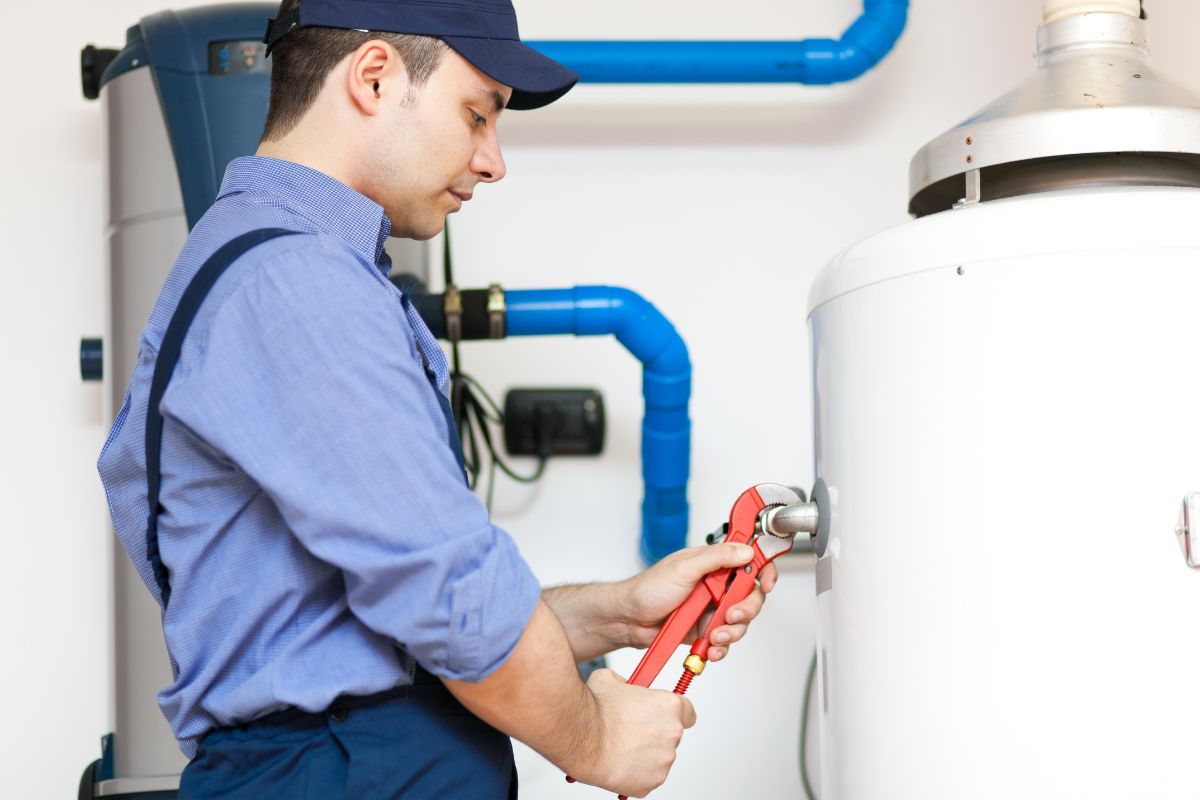
Collect permits for water heaters, re-pipes, remodels, and additions. Print manuals and receipts for fixtures and appliances.
Include water quality results if you have a softener or filter. Be sure to keep warranty cards for toilets, faucets, pumps, and leak sensors.
Additionally, build a slim folder or a simple cloud link. Add a one-page summary with dates, contractors, and contacts.
Clear documentation supports price, speeds underwriting questions, and helps buyers insure and service the home.
Endnote
Pre-listing plumbing checks do more than prevent a leak. They remove negotiation bait, calm inspections, and make the home feel move-in ready. You are not remodeling; you are proving reliability and safety.
Start with pressure, leaks, heaters, and drains. Finish with tidy valves, matched finishes, clean documentation, and simple storm prep.
The result is fewer objections, fewer repair credits, and a faster path to closing. Do the work before the first showing, then let the house sell the plan you already executed.
