

Let’s picture this, you’ve decided to upgrade your driveway or add a beautiful new walkway. The paving crew arrives, ready to get to work, but suddenly, problems pop up.
There are obstacles in the way, the ground isn’t level, or there’s drainage trouble you didn’t expect. What should have been a simple project ends up taking longer and costing more than you planned.
This is why preparation is so important. A well-done paving project can make your home look amazing and add value. To get the best results, you need to make sure your property is ready before the crew arrives.
In this article, we’ll show you how to properly prepare your property for a paving project. By following a few simple steps, you can help ensure a smooth installation and avoid common problems that can cause delays and extra costs.
Clear the Area and Remove Obstacles
Clearing the area before your paving project begins is one of the most important steps in ensuring the process goes smoothly. A clutter-free workspace allows the paving crew to work efficiently and without delay.
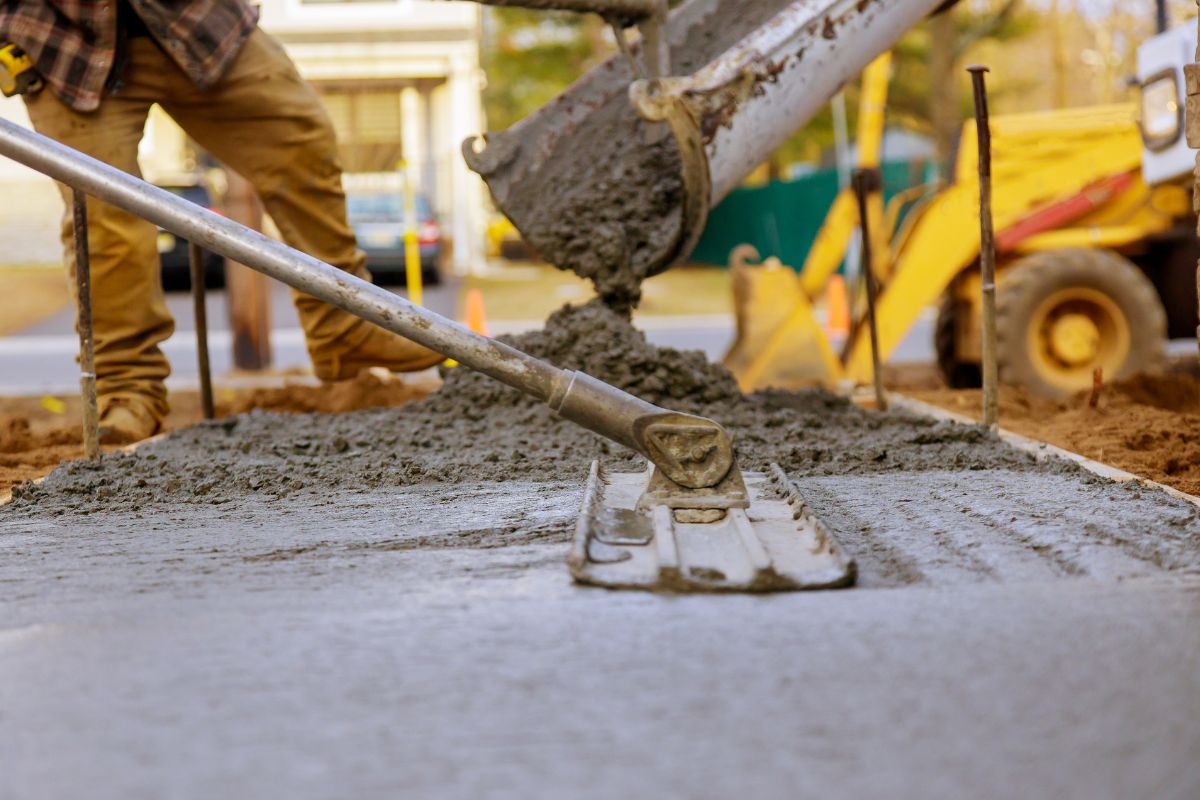
Workers can move around freely with no interruptions when the area is properly cleared. Plus, having everything out of the way ensures that no part of your property gets damaged during the project.
Checklist for Homeowners
- Move cars, outdoor furniture, or any personal items that could be in the way.
- Remove any plants, trees, or shrubs that might obstruct the paving area.
- Trim tree branches that may hang too low or interfere with equipment.
- Mark off areas you don’t want disturbed, such as flower beds or garden paths.
If you have sensitive areas like flower beds or newly planted trees, it’s a good idea to mark them off clearly. This helps prevent accidental damage during the paving process.
Assess the Existing Condition of the Surface
It’s essential to inspect the current surface before applying a new layer of paving. Addressing any underlying issues like cracks, holes, or drainage problems ensures that the new pavement will be stable, durable, and long-lasting.
Failing to fix these issues before paving can lead to future damage, such as cracks, water pooling, or uneven surfaces, which could compromise the quality of your new installation.
Checklist for Homeowners
- Check for cracks, holes, or other imperfections: These can weaken the new surface and cause early deterioration.
- Evaluate the slope and grading of the surface: Proper grading ensures water drains away from your home and doesn’t cause damage to the foundation.
- Address major repairs: Fill in large cracks and level uneven spots before applying a new paving layer to avoid issues down the line.
Neglecting problems like poor drainage or an uneven surface can result in the new pavement shifting, cracking, or eroding more quickly. For example, improper grading can cause water to pool, which weakens the surface over time.
Plan for Proper Drainage
Proper drainage is a critical element of any paving project. If water doesn’t flow away from your property, it can pool on the surface, causing cracks, erosion, or even flooding.
Over time, this water damage can undermine the structural integrity of your paved surfaces, leading to costly repairs and an unattractive appearance. Ensuring proper drainage helps extend the life of your new driveway, walkway, or patio.
Checklist for Homeowners
- Inspect the existing drainage system: Check your gutters, downspouts, and drains to make sure they’re functioning properly and directing water away from the paved areas.
- Ensure proper slope: The new surface should slope away from your house and toward designated drainage areas to avoid water accumulation near the foundation.
- Look for potential water pooling areas: Identify spots where water might collect and address them before paving to prevent future problems.
Decide on Paving Materials and Design
Choosing the right paving materials is essential to the look and functionality of your outdoor space. Different materials offer various benefits, so it’s important to consider factors like durability, aesthetic appeal, and cost.
The most common materials include asphalt, concrete, and interlocking pavers, each offering unique advantages.
Asphalt is known for its affordability and smooth finish, while concrete provides a more durable, long-lasting option.
Interlocking pavers offer flexibility in design, with a variety of colors, patterns, and textures to create a custom look.
It’s best to consult with an experienced Asphalt Contractor if you’re leaning towards asphalt for its cost-effectiveness and durability.
Checklist for Homeowners
- Choose materials based on aesthetic preferences, durability, and cost: Consider how each material complements your home’s style and how it will hold up to weather and wear.
- Select color and design that complements the home’s exterior: The right color and pattern can enhance your home’s curb appeal.
- Plan for the shape and layout of the driveway, walkway, or patio: Think about how the new surface will flow with the rest of your landscape and make sure it meets your functional needs.

Clear Access for Equipment and Delivery
Ensuring easy access for delivery trucks and paving equipment is crucial to keeping your project on schedule. If there are obstacles in the way, it can cause delays and even increase costs.
When the area is clear, the crew can work efficiently, minimizing downtime and speeding up the installation process.
Make sure there is enough space for the delivery trucks and equipment to easily reach the work area without any issues. Additionally, remove any barriers like gates, fences, or overgrown plants that could block the path.
Schedule the Paving Project at the Right Time
Timing plays a key role in the success of your paving project. The ideal time to schedule paving is during the spring or fall when the weather is mild and the conditions are optimal for installation and curing.
Extreme temperatures or heavy rain can interfere with the quality of the paving job and extend the curing process.
Before scheduling, make sure to check the weather forecast to avoid any unpredictable conditions. Additionally, avoid high-traffic periods when the area may be used frequently, such as holidays or major family events.
Endnote
Proper preparation is the foundation of a successful paving project. By taking the necessary steps before work begins, you ensure a smoother process, avoid unexpected issues, and achieve the best possible results.
With the right planning and professional support, your new paved surfaces will enhance your home’s curb appeal and provide lasting value.
