
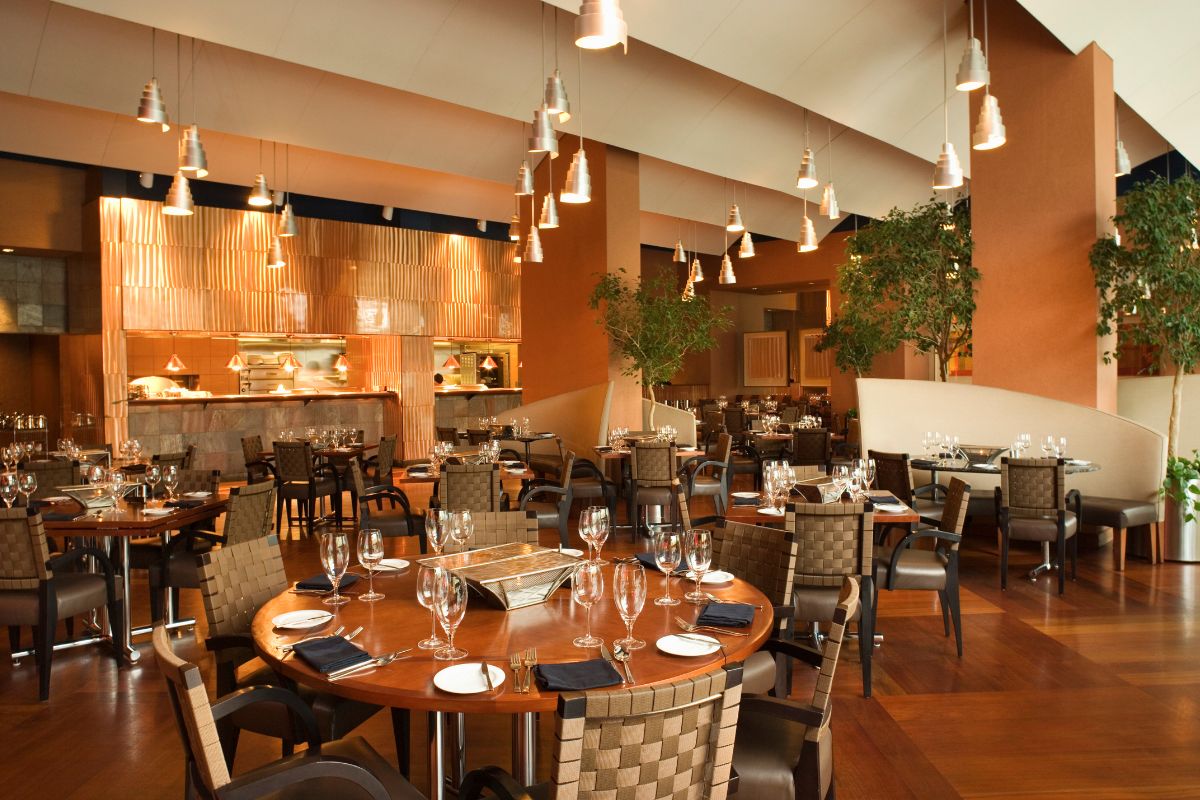
Every restaurant has a rhythm, but the booth sets the pace. It is where conversation slows, laughter deepens, and time seems to soften.
In the world of modern dining, where noise and movement fill open spaces, restaurant booths create islands of calm.
They offer guests something that open tables cannot: privacy, enclosure, and a sense of being gently held by design.
When a guest slides into a booth, the tone of the meal changes. The world outside feels distant, replaced by the soft glow of lighting and the muted hum of nearby voices.
This intimacy has nothing to do with isolation. It is about creating enough distance to relax, enough quiet to connect, and enough comfort to stay a little longer. The booth transforms a busy dining room into something more human in scale.
Design That Encourages Stillness
The appeal of booth seating is as much psychological as it is physical. Its form invites stillness. The high back, the curved edge, and the sense of enclosure all create a gentle boundary between guest and room.
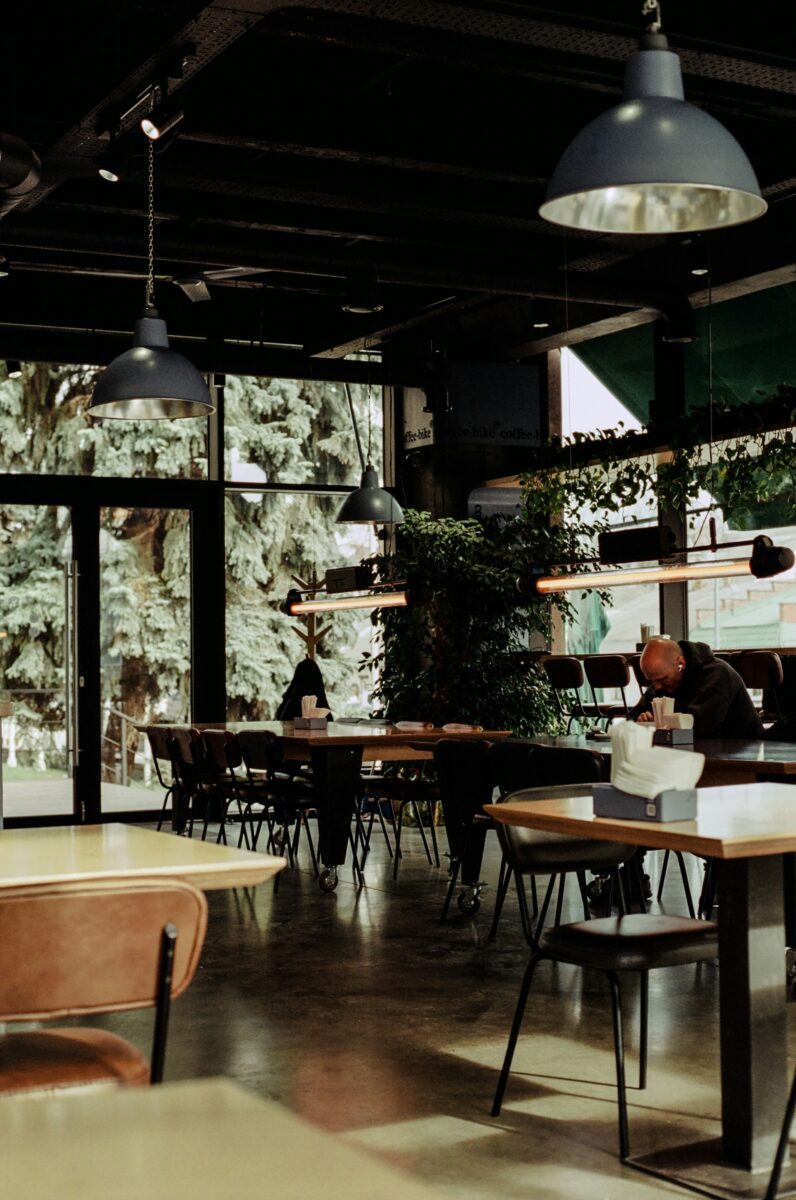
This design language tells diners that it is safe to settle in, to breathe, and to engage without distraction.
Architects and designers understand the emotional value of that boundary. It frames each table like a private stage where conversation unfolds naturally.
In busy restaurants, where energy and sound move in waves, booths absorb the chaos. The upholstered walls quiet the clatter of plates, allowing voices to find a natural tone.
A well-designed booth does more than fill space; it defines the mood. It turns noise into texture and activity into atmosphere. Every curve, seam, and shadow works together to create balance between openness and retreat.
The Art of Privacy
Privacy in dining is not about secrecy, but about comfort. People eat differently when they feel at ease. The body relaxes, posture softens, and conversation flows.
Booths make that possible by subtly separating guests without cutting them off from the life of the restaurant.
In intimate bistros or family diners, this separation becomes a visual rhythm. The repetition of booths along a wall gives shape to the room, creating alternating zones of openness and intimacy.
Guests choose where to sit based on mood: closer to the action near the bar, or deeper within the quiet folds of the dining area.
Lighting plays its part too. Pendant lamps or wall sconces above each booth create small pools of light that define personal space without heavy structure.
The result feels natural, as if privacy were a quiet courtesy offered by design rather than a demand made by the guest.
Textures That Invite Connection
The materials used in booth seating play a quiet but powerful role in shaping how guests feel. Soft leather, suede, or velvet creates a tactile sense of welcome.
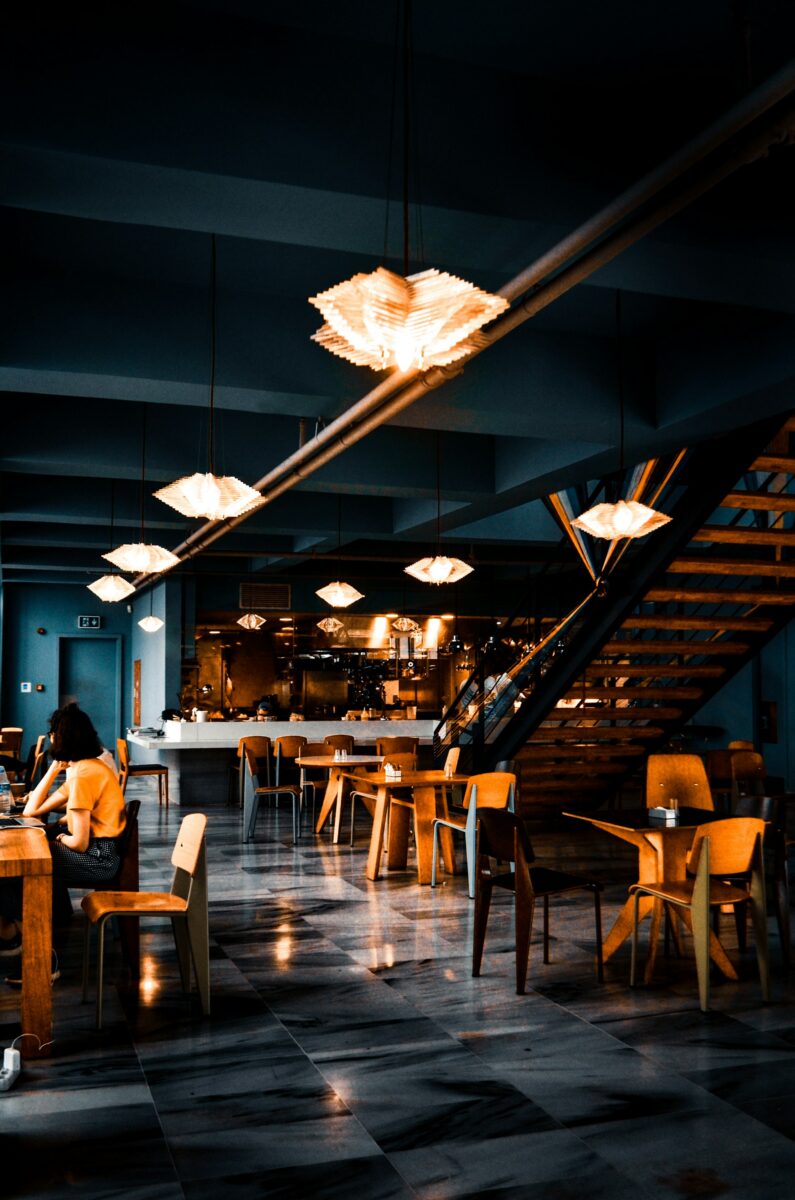
Warm woods and curved lines soften the edges of industrial or contemporary interiors. Even the stitching becomes part of the narrative, evidence of care in every detail.
Designers often pair these textures with subdued colors. Earthy browns, muted greens, and deep reds that echo comfort and familiarity.
Together, they invite touch and encourage guests to linger. The longer they stay, the stronger the emotional link between comfort and experience becomes.
Texture in design is not just about how things look, but about how they make people feel. In a booth, the combination of softness and structure creates trust. It turns an ordinary seat into a gesture of hospitality.
Creating Space for Conversation
Conversation is the quiet music of dining. It rises and falls with comfort, and the booth is its perfect stage.
The curvature of the seating allows people to face each other easily, reducing distance and encouraging eye contact.
Unlike rows of individual chairs, booths eliminate visual clutter, keeping focus on the human interaction at the table.
Restaurants that prioritize this kind of connection see results that go beyond ambiance. When guests feel comfortable speaking and listening, they stay longer and return more often.
This sense of engagement supports not only emotional satisfaction but also business sustainability, and home sustainability also. Privacy, after all, builds loyalty.
A Design Philosophy of Ease
The return of booth seating across modern dining is not nostalgia. It is recognition of what people truly seek: spaces that feel personal, comfortable, and authentic.
The booth represents a shift away from spectacle toward substance. It reminds designers that good hospitality is about care, not complexity.
Each booth holds more than people; it holds the promise of pause. It is where birthdays are whispered, plans are made, and laughter lingers just a little too long.
The best dining rooms know how to hold these moments gently, giving them shape through thoughtful design.
Where Comfort Meets Memory
In every city, there is a restaurant where the best tables are not by the window but in the corner.
These are the quiet spaces where guests remember the warmth of the leather, the flicker of the candle, and the calm that settles over the meal. Booths make that memory possible.
They are the architecture of belonging. Within their walls, people feel unobserved but never alone, surrounded but never crowded.
A booth is not only furniture; it is the soul of relaxed dining, the quiet heartbeat of hospitality itself.
