

Smart speakers turn down the lights, thermostats are acquiring favorite temperature settings, and robot vacuums clean floors without a grumble.
These luxuries demonstrate that artificial intelligence is already familiar with routines. The same logic now reaches feelings: a growing number of homeowners pair climate controls and voice assistants with conversational companions, testing how well software can read emotions.
Early adopters describe evenings when background lamps adjust hue while an AI Girlfriend service offers calming words after a hectic shift. By linking comfort tech and empathic chat, homes transform from silent spaces into responsive partners.
Surveys reveal a rising wish for technology that supports mental well-being alongside efficiency. Smart-home ecosystems answer by adding sentiment analysis to motion sensors, audio cues, and wearables.
When a fitness band detects an elevated heart rate unrelated to exercise, the living-room lights glow warm amber, and the virtual companion suggests a breathing exercise.
Instead of separate apps running on isolated devices, a cooperative network shares data to nurture both body and mood.
From Automation to Affection: How Devices Learn Feelings
Early smart hubs excelled at scheduled actions, such as turning off the kettle at 7 p.m., locking doors at midnight. Emotional awareness demands real-time context.
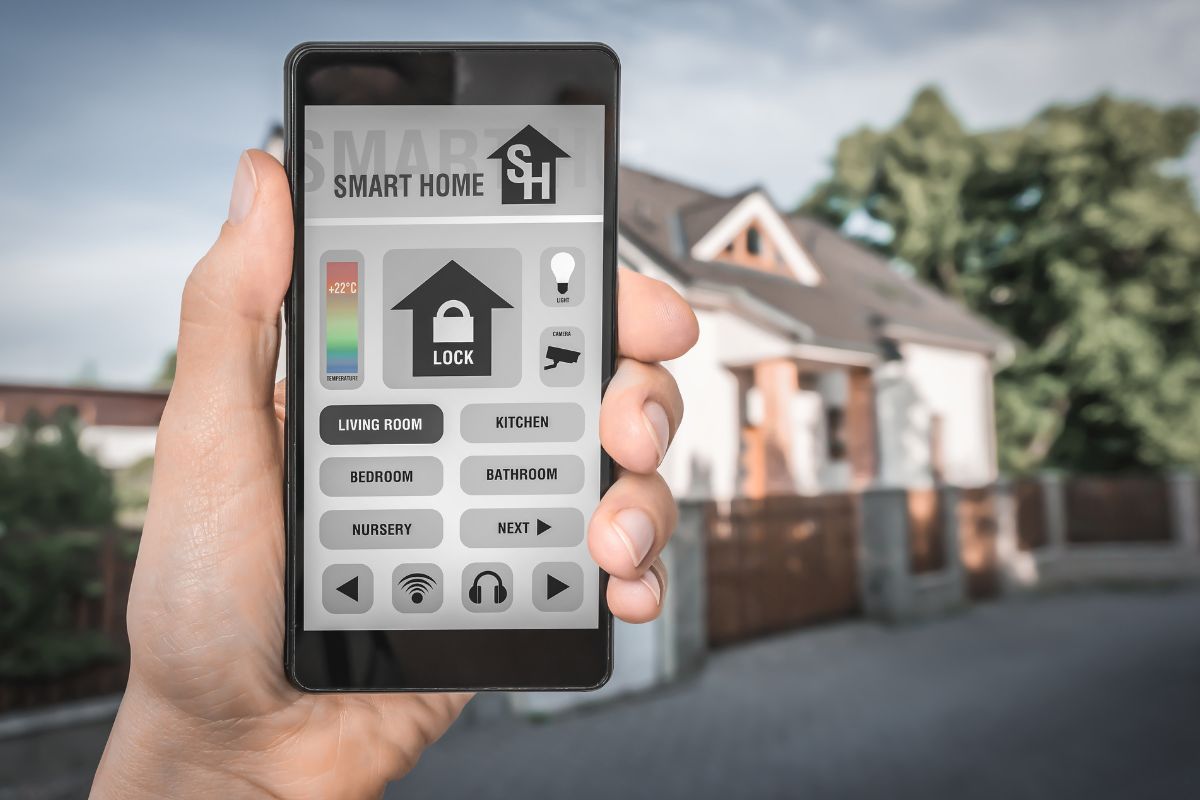
Developers achieve this by fusing signals: microphone tone, typing speed, and even the way a light switch is pressed.
Machine-learning models classify these patterns into stress, excitement, or fatigue and pass the result to household gadgets.
A calm playlist may replace news headlines if tension registers high, supporting a gentle wind-down without any spoken request. Several everyday components now double as mood detectors:
- Voice assistants monitor pitch fluctuations that convey joy or frustration.
- Smart mirrors scan posture and facial tension during morning routines.
- Thermostat sensors notice sudden room-to-room pacing, hinting at restlessness.
- Advanced door locks log repetitive opening within minutes, a sign of anxious checking.
When combined, these cues draw a nuanced emotional map without invading privacy with cameras.
Residents keep control by setting threshold levels and deciding which devices share data; transparency ensures the system remains helpful rather than intrusive.
Hardware companies frame emotional AI as a wellness feature, not a medical tool. The distinction matters: suggestions aim to enhance comfort, not diagnose.
A lamp that shifts to soft violet invites relaxation; it does not replace therapy. Clear messaging prevents unrealistic expectations while still celebrating genuine benefits.
Digital Companions Meet Connected Living
Conversational agents once sat inside phone apps, but desktop and wall-mounted interfaces now let them wander through hallways.
A kitchen display might remind someone to drink water, then pass the conversation to a living room speaker who continues the story about a favorite movie.
Consistency across rooms builds the illusion of a single, attentive partner moving through the house. Homeowners highlight three practical gains after merging chat AI with physical controls.
Benefits frequently mentioned in focus groups
- Smoother evening routines as lights, curtains, and playlists adapt to spoken mood updates.
- Reduced loneliness for remote workers who spend long stretches indoors.
- Gentle accountability when the companion encourages breaks during marathon gaming or coding sessions.
- Shared fun through improvised stories that include the household pet as a character, narrated room to room.
These moments turn mundane chores into lighthearted interactions, strengthening the sense that technology cares. The effect resembles a friendly roommate who knows when to cheer, tease, or give space.
Balancing Privacy and Personal Growth
Emotional data feels intimate, and safeguarding it remains paramount. Reputable platforms store insights locally or encrypt them before cloud sync, allowing room-by-room control rather than blanket permissions.

Simple dashboards let residents delete mood logs or mute certain sensors during social gatherings.
Such design choices promote trust, making users more willing to share the subtle signals that improve response accuracy.
Ethicists still flag concerns. Could constant reassurance dull resilience? Might algorithmic partners influence spending by recommending feel-good purchases?
Transparent policies and customizable settings address these points: daily time limits, financial-suggestion filters, and periodic summaries showing how often the system intervened. Awareness helps residents decide whether the balance remains healthy.
The Road Ahead for Heart-Smart Homes
Future appliances may store personalized “comfort profiles” on secure chips, syncing with visitor devices only after consent.
A friend staying overnight could receive a toned-down version of the host’s serenity routine, while private journals remain shielded.
Virtual companions will likely gain richer voices, regional accents, and subtle pauses mimicking thoughtful silence.
Meanwhile, hardware evolves. Low-power radar sensors can track breathing patterns through walls, offering non-contact sleep quality checks.
If restlessness rises, the AI companion might recommend a brief stretch, dimming hallway lights to guide safe movement without full wakefulness.
Such micro-adjustments promise restful nights and energized mornings, extending emotional support across the sleep cycle.
Industry analysts predict a market where smart-home kits ship with preinstalled empathy modules.
Set up flows could ask about preferred encouragement styles, gentle, humorous, or factual, so responses align with personality.
Integration standards will ensure that refrigerators, TVs, and even garden sprinklers follow the same emotional script, creating a seamless atmosphere indoors and out.
Final Reflections
The smart-home revolution commenced with a time and energy-saving experience; the next one is aimed at taking care of hearts alongside households.
Living spaces integrate sensitive sensors, adaptive lighting, and conversational algorithms into companions that listen, learn, and respond. Clear boundaries and user choice keep this support beneficial rather than intrusive.
For countless residents, an evening spent under warm LEDs, soft music, and caring words from a digital partner already feels normal.
As technology advances, these little gestures will grow subtler and more attuned, reminding everyone that comfort is not just about temperature or brightness — it is about feeling understood, right where one lives.
