
Renters deal with mold, pests, leaks, and broken heat. These problems harm health and drain savings. You can act with a clear plan. For legal backup, resources like tenant law group can help if you need formal support.
Know Your Right to a Safe Home
Most cities and states require safe and livable rentals. Landlords must provide heat, hot water, sound plumbing, and secure doors and windows.
They must also keep the unit free from conditions that invite pests or grow mold. You can use that rule to claim repairs and safe access to your home.
Learn your local standards. Check your city housing code page. Read your lease for repair clauses. Note any entry rules and notice periods, since those shape timing and access.
Document Problems and Build a Record
Treat your home like a work site. Make a clean record that proves the issue and the impact on daily life. Strong documentation speeds results and supports any claim.
- Keep a dated log with short entries. Write what you saw, where, and when.
- Take photos and short videos. Use a phone time stamp.
- Save repair requests, emails, and texts. Store screenshots.
- Keep receipts for traps, cleaning supplies, and laundry.
- Gather neighbor statements if they see the same issue.
Store files in one folder. Use clear names so you can find items in seconds.
Notify Your Landlord in Writing and Set a Fair Deadline
Send a short written notice. Aim for one page. Be clear and calm.
- List the problems by room.
- Add dates, times, and photos.
- Explain health or safety risks.
- Ask for specific repairs.
- Propose a reasonable deadline based on urgency.
- Offer access windows for the repair team.
Deliver the letter by email and mail if you can. Ask for a reply. Keep a copy. If you hand deliver, note the date and time in your log.
Involve Public Agencies and Seek Community Help
If you see no progress, use outside help. File a complaint with code enforcement or the local health department.
Request an inspection. Ask for a written report, since that report often moves a repair forward.
You can also reach a tenant clinic, a legal aid office, or a local housing group for free guidance. Community groups often keep sample letters and checklists that save time.
Fix Pest Issues With Safe Steps and Smart Prep
You can cut infestations by removing food, water, and shelter. Pair your efforts with professional treatment when needed. Share prep steps with your landlord so the work aligns.
Cockroaches
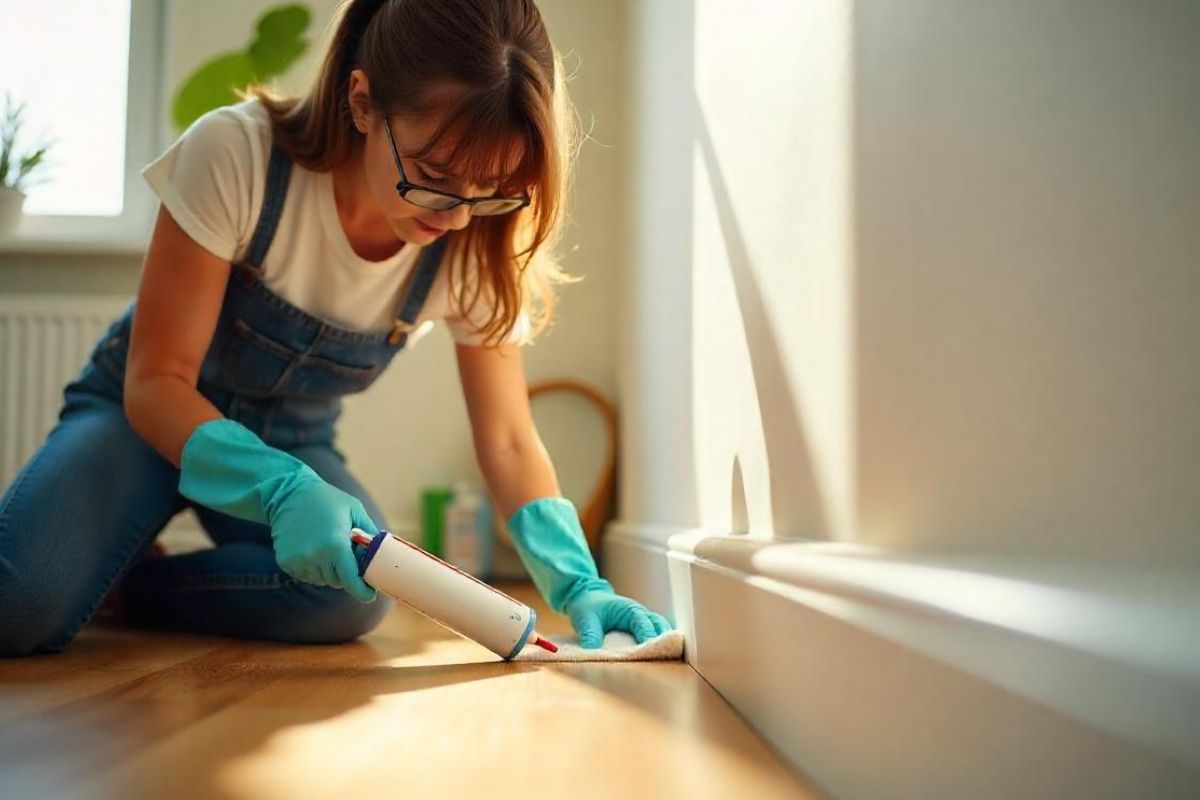
Seal gaps with caulk around pipes and baseboards. Use bait gels in hidden areas. Wipe counters and store food in sealed bins. Fix leaks and dry sinks at night.
Bedbugs
Reduce clutter around beds. Use mattress and box spring encasements. Place interceptor cups under bed legs. Wash and dry bedding on high heat. Do not use foggers, since they spread bugs and add risk.
Rodents
Close holes with steel wool and metal plates. Set snap traps along walls. Secure trash with tight lids. Ask the landlord to seal building entry points.
Mold and Moisture
Find and stop the leak first. Dry wet areas within two days. Clean small, hard surfaces with detergent and water.
Replace porous materials that stay wet and show growth. Use a dehumidifier in damp rooms, and vent bathrooms after showers.
Protect Yourself While Repairs Move Forward
Limit exposure while you wait. Move beds and sofas away from active mold or pest zones. Store clothing and bedding in sealed bags or bins. Use a HEPA vacuum on hard floors and rugs.
Run a bathroom or kitchen fan to vent humid air. If a room becomes unsafe, ask your landlord for short term relief, such as a rent reduction or a safe temporary space during major work.

Track Landlord Responses and Keep Momentum
Manage the process like a project. Log every call and visit. Save invoices and work orders.
After each visit, send a short summary email that lists what the team did and what remains. This simple habit reduces confusion and keeps the schedule moving.
Escalate With Measured Legal Steps
Some places allow repair and deduct, where you pay for a basic repair and subtract the cost from rent. Many places allow small claims for out of pocket losses.
Rent withholding can carry risk. Get legal advice before you withhold rent. If you do withhold, place the funds in a separate account so you can show good faith.
Work With Neighbors for Faster Results
Shared issues often need building wide fixes. Talk with neighbors who face the same condition. Share logs and photos.
A group letter can speed action on leaks, trash, or entry points. Ask the landlord for a building plan that sets dates and roles for each repair phase.
Prepare For Future Issues With Simple Habits
Set a monthly walk through checklist. Look for leaks under sinks. Test window latches. Check for gaps around doors. Clean vent covers.
Keep a few supplies on hand, like caulk, steel wool, and storage bins. Fast action on small signs can block bigger repair bills and protect your health.
Conclusion
You can solve rental health hazards with a clear plan. Know your right to a safe home. Build a strong record, send a focused notice, and set fair access times.
Use public agencies and community help if progress stalls. Tackle pests and moisture with safe steps that remove food, water, and shelter.
Track each repair, keep receipts, and use measured legal tools if needed. This approach protects your health, your budget, and your peace of mind, and it turns a stressful problem into a manageable process.
