
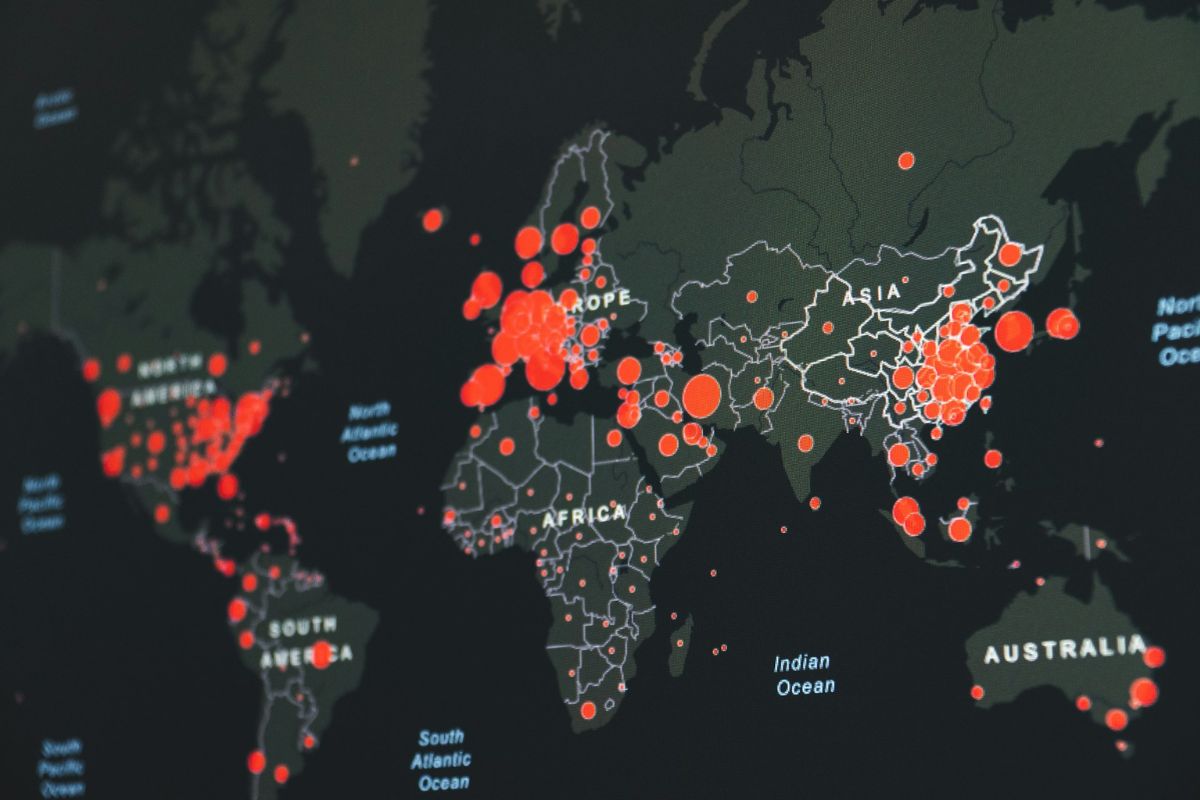
The notion of a unified global internet is a misconception. In reality, geo-restrictions and digital borders profoundly influence online access, resulting in an uneven digital terrain.
This disparity affects how we interact with the internet, shaping our experiences and opportunities.
In the realm of real estate, this inequality has significant implications. Property listings, market data, and other critical resources may be inaccessible due to geographical limitations.
This restriction hinders the ability to make informed decisions in the real estate market.
Utilizing tools such as VPNs can help mitigate these limitations. By leveraging VPNs, individuals can transcend geographical barriers, gaining a broader perspective on the global real estate market.
This understanding is crucial for navigating the digital divides effectively, enhancing our online activities, especially in the real estate sector.
Understanding Digital Borders in the Global Internet
The internet’s global reach is constrained by geo-restrictions and digital borders, creating a complex online environment.

These barriers influence our access to information, including real estate listings and market data.
How Geo-Restrictions Affect Online Access
Geo-restrictions limit online access based on geographical location.
For real estate professionals, this means that certain property listings or market data may not be accessible from specific regions. This hinders their ability to research and serve clients effectively.
Through geo-restrictions, governments and companies exert control over information flow, impacting the global real estate market.
Common Types of Blocked Content Worldwide
Worldwide, various types of content are blocked due to geo-restrictions, including real estate listings, market analysis, and property data.
This blocked content significantly impacts international property buyers and investors, who rely on comprehensive and up-to-date information.
The restriction of such content underscores the necessity for innovative solutions to bypass these digital barriers. It ensures equal access to global real estate information.
Impact of Internet Restrictions on Real Estate Markets
The global real estate market is increasingly influenced by internet restrictions, affecting buyers and investors worldwide.
These restrictions can limit access to crucial information, hindering the ability to make informed decisions.
Challenges for International Property Buyers and Investors
International property buyers and investors face significant challenges due to internet restrictions.
Geo-restrictions can block access to property listings, market data, and other essential resources, making it difficult to navigate foreign markets.
This can lead to a lack of transparency, creating an uneven playing field for international investors. As a result, they may struggle to identify opportunities or assess market risks.
Limited Access to Property Listings and Market Data
Internet restrictions can limit access to property listings and market data, crucial components of real estate research.
Location filtering can prevent buyers from accessing information about properties in specific regions or countries.
This limited access can hinder the ability to conduct thorough market analysis, potentially leading to poor investment decisions.
How Location Filtering Affects Real Estate Research
Location filtering can significantly impact real estate research by restricting access to market data and property listings.
This can lead to incomplete or inaccurate information, making it challenging to assess market trends or identify opportunities.
To overcome these challenges, real estate professionals and investors may need to explore alternative solutions, such as using Virtual Private Networks (VPNs) to bypass geo-restrictions and access the information they need.
How VPNs Break Down Digital Barriers for Real Estate Professionals
For real estate professionals, transcending digital barriers is paramount to maintaining a competitive edge in the global arena.
The advent of Virtual Private Networks (VPNs) has proven to be a pivotal tool in this endeavor.
Understanding VPN Technology
A VPNLY enables users to securely navigate the internet by channeling their connection through a server.
This process conceals their IP address and location. Consequently, real estate professionals can circumvent geo-restrictions, thereby accessing property listings and market data that would otherwise remain inaccessible.
Benefits for Global Property Research
The advantages of VPNs in global property research are manifold. By concealing their IP address, professionals can access region-specific property listings, market trends, and research reports without hindrance.
This capability fosters more informed decision-making, thereby granting a competitive advantage in the global real estate market.
Budget-Friendly VPN for Occasional Researchers
For those engaging in sporadic global property research, our budget-friendly VPN option presents a cost-effective alternative without sacrificing security.
It guarantees reliable access to geo-restricted content, ensuring users remain abreast of global market trends.

Conclusion: Ensuring Equal Access to the Global Real Estate Market
The global internet’s inequality profoundly affects the real estate market.
Restrictions based on location impede access to essential property data, thwarting international buyers and investors.
It is crucial to comprehend digital borders and the implications of geo-restrictions in this intricate environment.
Employing a VPN can dismantle these digital walls, ensuring equal access to the global real estate market.
By concealing IP addresses, VPNs facilitate the unblocking of restricted content.
This empowers real estate professionals and researchers to acquire critical market insights, irrespective of their geographical location.
In an increasingly interconnected real estate market, the significance of equal access to information cannot be overstated.
By harnessing VPN technology, industry stakeholders can remain competitive, making decisions grounded in thorough data analysis.
This advancement not only benefits individual enterprises but also fosters a more transparent and equitable global real estate market.
