
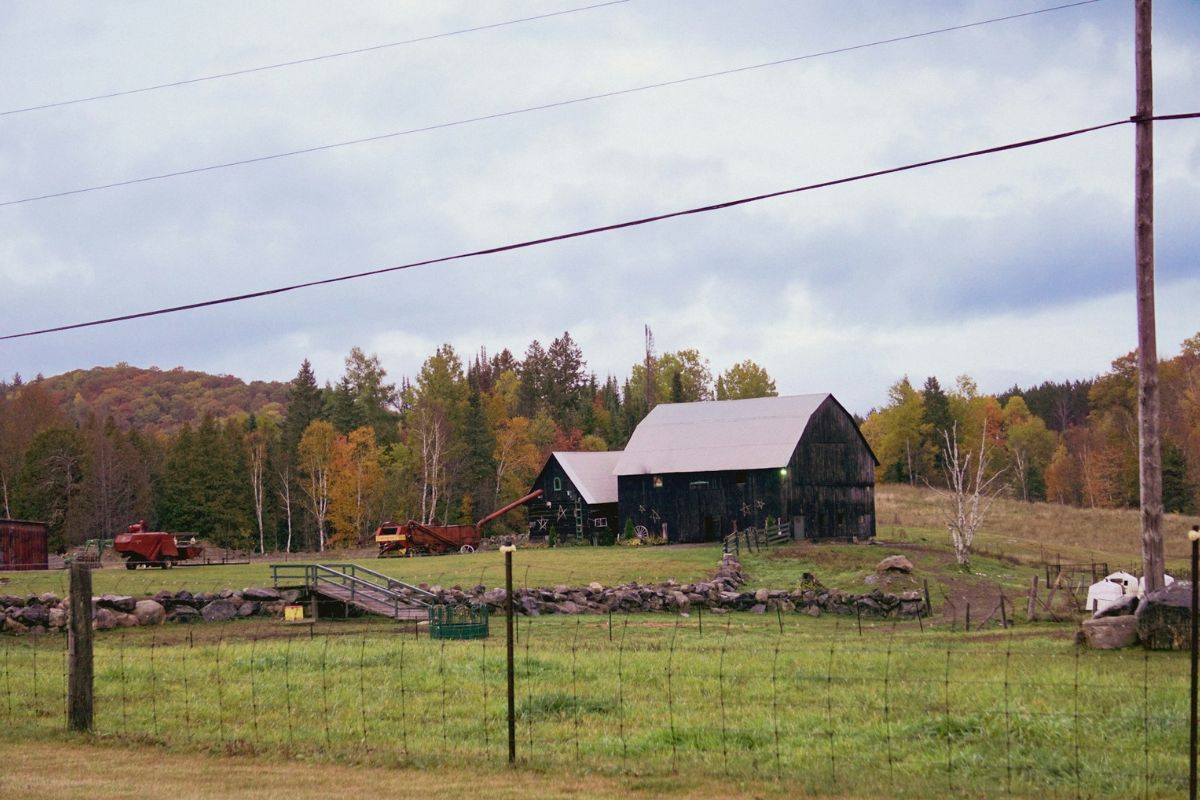
More people are choosing a simpler life over the buzzing city life by moving to rural areas. For others, remote areas offer a peaceful retreat or investment opportunities.
No matter the reason, the process of securing property in these places takes more than just signing an agreement.
Rural properties usually come with several considerations that are different from traditional real estate.
For instance, the zoning laws, utilities, and economic opportunities vary widely. Read on to discover the most important things to consider before making a purchase.
Why Are More People Buying Property in Rural Areas?
Rural living has become more popular in recent years. Many people find the wide-open and quiet space appealing, especially as it comes with a lower cost of living, greater peace, and a better connection to nature.
The increase in the cost of housing in urban areas has made rural properties more attractive. In fact, families that need larger homes and land on a budget are shifting toward rural areas. Remote work opportunities are also pushing this trend.
People who live far from their offices can still keep up with their careers and earn a living. Buyers sometimes opt for remote properties because of the slower pace of life and the sense of community.
Others also consider buying properties in rural areas as a smart long-term investment. Whether they intend to use it for farming, recreation, or future development, they factor in the potential rewards.
Other reasons why people are purchasing property in remote places include:
- More privacy and personal space
- Escape from urban stress
- Safer neighborhoods
- Cleaner environments
- Lower property taxes
9 Factors You Should Consider When Buying Rural Property
Buying a rural property offers several benefits. However, you must plan carefully and research extensively to ensure that you make the right decision.
It is also necessary to consider a few important factors before committing to a purchase. Let’s discuss nine things you must pay attention to.
Access to Amenities
Unlike urban areas, most rural locations have limited access to hospitals, schools, grocery stores, and entertainment centers.
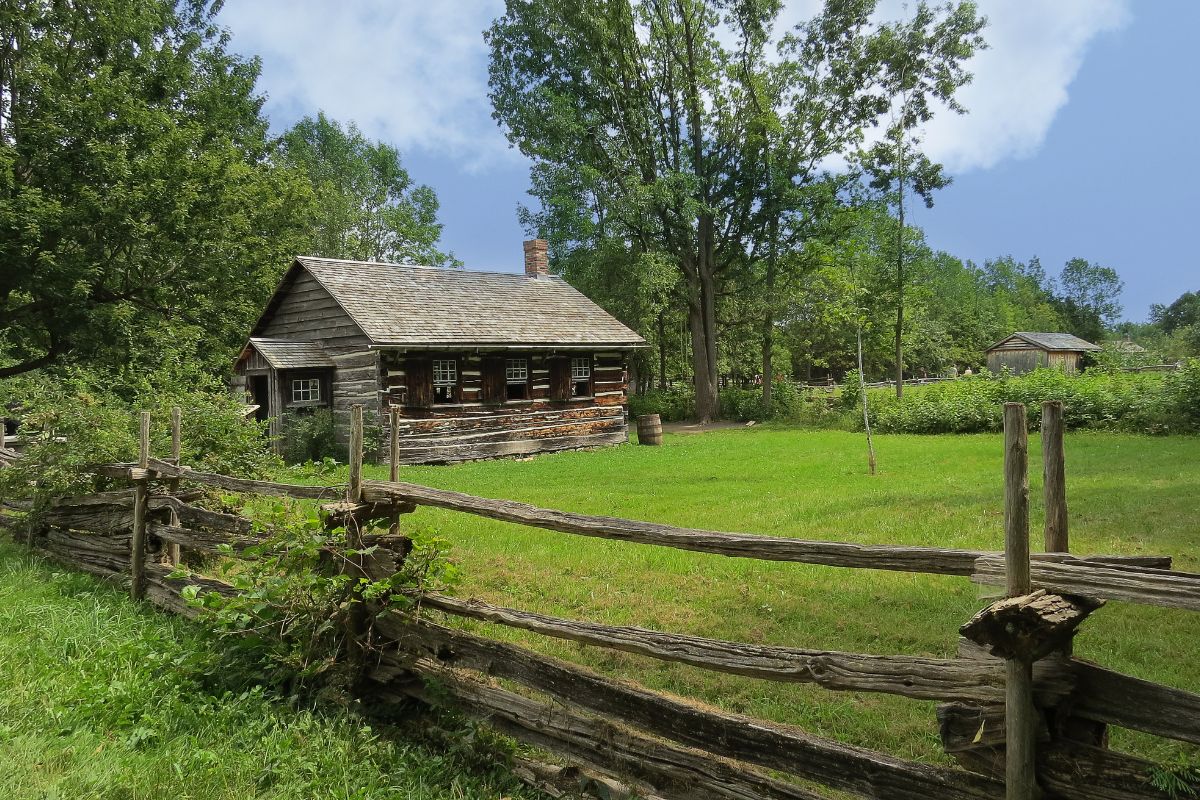
Therefore, you should consider the available amenities when looking to buy rural property. It can be inconvenient when you must take long drives to get essential items.
As a potential buyer, evaluate how far the property is from essential services. You should also figure out if the benefits match any accessibility issues you may face if you go ahead with the purchase.
Property Use
You should consider how you intend to use the land, even before you buy property in a remote area.
Figure out whether you’re using it for farming, building a home, recreation, or future investment. This is because zoning laws and land restrictions also affect how you can use the property.
Some may have easements affecting usage, agricultural restrictions, or environmental protection. If you determine what you need land for, you can buy one that matches your goals.
Local Community
Small towns support close-knit connections, neighborly support, and shared values. This can particularly be attractive to some potential buyers of rural properties. This is why you should always consider the local community when buying property.
Unfortunately, it may take you longer to adjust to the new lifestyle or the slow-paced atmosphere. If you understand the culture, resources, and traditions, you’ll feel more welcome and settle better in the new environment.
Economic and Employment Opportunities
You can work remotely or find a job in the local industry after buying a house and moving to a remote location. Whatever the case, learn about the economic and employment opportunities before choosing a rural property.
Usually, rural areas have fewer industries, meaning that there are fewer employment options and potential for economic growth.
Ask about the predominant businesses and any future development plans to understand whether the location supports your career growth.
Water Supply
Access to water supply and its reliability can significantly affect your land use and daily living. That is why it is necessary to consider this when purchasing a property in a remote area.
Some properties depend on springs, wells, or water rights, and you may need tests and legal verification before using them.
Seasonal or limited water sources can restrict farming or livestock operations. For your convenience and comfort, look around and ensure that the property has a safe and sustainable water source.
Maintenance Needs
Older infrastructure and larger patches of land usually require more upkeep than urban homes. To be on the safer side, consider these needs when looking for a rural property to buy. For some, you may need to maintain roads, fences, wells, or outbuildings.
It also takes time to manage the pests, vegetation, and seasonal weather changes. When looking at a property, evaluate these requirements and determine if you have the resources to maintain them properly.
Farming Potential
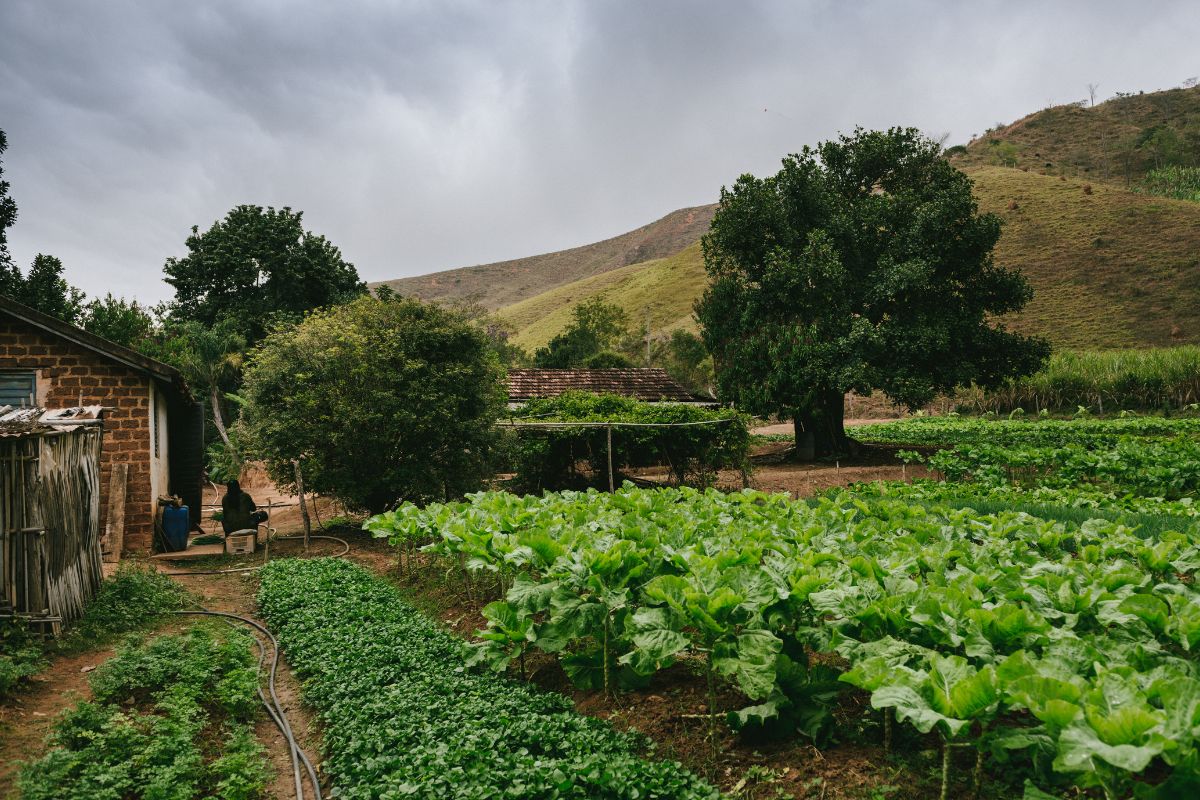
If you plan to grow crops or raise livestock, assess the property’s farming potential. Consider factors that affect agricultural productivity, like soil quality, water accessibility, and climate conditions. Remember that zoning laws may restrict how you use the land.
Keeping these things in mind helps you figure out if the property can support profitable farming operations.
You can also opt for an established farmland. For instance, there are farms for sale in Ocala FL that suit every type of buyer.
Utilities
Access to utilities in rural areas is significantly limited compared to urban locations. Some properties are not connected to electricity, gas, or public water.
If you’re moving into this kind of house, you’ll need alternative solutions like generators, solar panels, or wells.
You may also face slow internet connectivity, which will affect your work and communication. By knowing which utilities are available, you’ll figure out how to make up for those that are not.
Property Size
The size of a property also matters when you’re buying one in a rural area. It determines what you can do with it.
For example, you can farm or develop larger pieces of land, but you’ll also need more resources to pull that through.
On the other hand, smaller patches are easier to manage; however, you’ll face limited expansion or agricultural opportunities.
That is why it is essential to determine your long-term goals and needs when choosing property in rural locations.
Endnote
Carefully consider several factors before buying property in rural locations. Look at the amenities, utilities, size, farming potential, maintenance needs, water supply, local community, opportunities, and how you intend to use it. All of these will help you understand if the property matches your long-term goals.
