

Becoming a landlord is exciting as it opens up opportunities for passive income.
However, it also comes with several challenges, from finding the right tenants and managing properties to handling finances.
First-time landlords face a steeper learning curve, and their property management could be a headache without the right resources.
Fortunately, modern technology offers a range of tools that can simplify these responsibilities and help landlords stay organized and professional.
Landlords can save time, reduce stress, and minimize costly mistakes using tools that streamline processes like rent collection, tenant screening, and financial tracking.
Here’s a look at eight of such tools:
1. Property Management Software
Property management software is an indispensable tool for first-time landlords.

It’s a central hub for managing all aspects of a rental property, helping landlords stay organized and efficient.
With this software, landlords can keep track of vacancy rates, tenant information, leases, and payment schedules all in one place.
This is especially important for landlords managing a large real estate, as it reduces the risk of missing critical deadlines or losing important documents.
One of the most valuable features of property management software such as Hemlane is the ability to scale your real estate management through automation.
The tool can help with various services, such as sending rent reminders, rent collection, scheduling maintenance, and lease renewals, reducing the workload and ensuring nothing falls through the cracks.
Additionally, these tools often provide dashboards with real-time data, allowing landlords to monitor their properties’ performance and make informed decisions.
They also reduce the likelihood of errors, such as missed payments or overlooked lease terms, that could damage the landlord-tenant relationship.
2. Tenant Screening Tools
Tenant screening tools are essential for performing background checks to find reliable tenants.
They assess credit history, criminal records, and rental history, such as eviction reports, providing valuable insights into a prospective tenant’s background.
The primary feature of tenant screening tools is their ability to generate reports quickly and accurately.
Landlords can review comprehensive details about a tenant’s financial stability and rental behavior, giving them the confidence to make informed decisions.
Using these tools can prevent headaches and provide peace of mind for first-time landlords, knowing that their property is in good hands.
Screening tenants thoroughly helps landlords avoid costly issues like late payments, property damage, or the need for eviction.
It also reduces the risk of conflict and ensures a positive start to the landlord-tenant relationship.
3. Rent Payment Platforms
Rent payment platforms simplify the collection process, making it easier for first-time landlords to manage their income.

These tools provide tenants convenient payment options, such as bank transfers or credit card payments, which can help reduce late payments.
A standout feature of rent payment platforms is their ability to send tenant reminders, which reduce the likelihood of late payments by informing tenants of upcoming due dates.
Also, landlords can set up security deposits and recurring payment options, allowing tenants to automate their rent.
A reliable rent payment platform ensures they maintain a steady income from their rental property.
It also provides a professional and convenient experience for tenants, which can improve tenant retention and satisfaction.
4. Digital Lease Agreement Tools
Digital lease agreement tools are necessary to ensure that rental agreements are professional and legally compliant.
These allow landlords to create, customize, and store real estate lease documents digitally, making it easier to manage them efficiently.
The most helpful feature of digital lease tools is their ability to provide templates that comply with local laws.
This ensures that landlords include all necessary clauses and avoid legal pitfalls. The ability to store lease agreements securely in the cloud also provides easy access and prevents the risk of losing important files.
Using digital lease tools, first-time landlords can present themselves as professional and trustworthy.
It also streamlines the leasing process, saving both parties time and effort. This ensures a smooth start to the landlord-tenant relationship and reduces the likelihood of disputes over unclear rental agreements.
5. Maintenance Request Management Tools
One of the most time-consuming aspects of being a landlord is handling maintenance requests, which is why maintenance ticket tools are valuable.
They can streamline the process by allowing tenants to submit requests digitally, ensuring clear communication and faster response times among tenants, landlords, and property managers.
A key feature of these tools is their ability to prioritize maintenance requests based on urgency.
For example, an emergency like a broken water pipe can be flagged for immediate attention, while less critical issues like cosmetic repairs can be scheduled for later.
Thus, landlords are able to allocate resources efficiently and keep tenants satisfied.
By providing a structured system for addressing issues, landlords can maintain their property’s value while fostering a positive relationship with tenants.
This level of professionalism can set the foundation for long-term success in property management.
6. Accounting Software
Managing finances is one of the most critical aspects of being a landlord, and accounting software can make this task significantly more straightforward.
IT helps landlords track all their finances, from security deposits, rental income, property taxes, and renters insurance, to expenses and profits, ensuring that they stay on top of their financial responsibilities.
The main feature of accounting software is its ability to categorize expenses and generate reports.
Landlords can quickly see where their money is going and identify areas for improvement.
This helps them make informed financial decisions and reduces stress during tax season.
7. Marketing and Listing Platforms
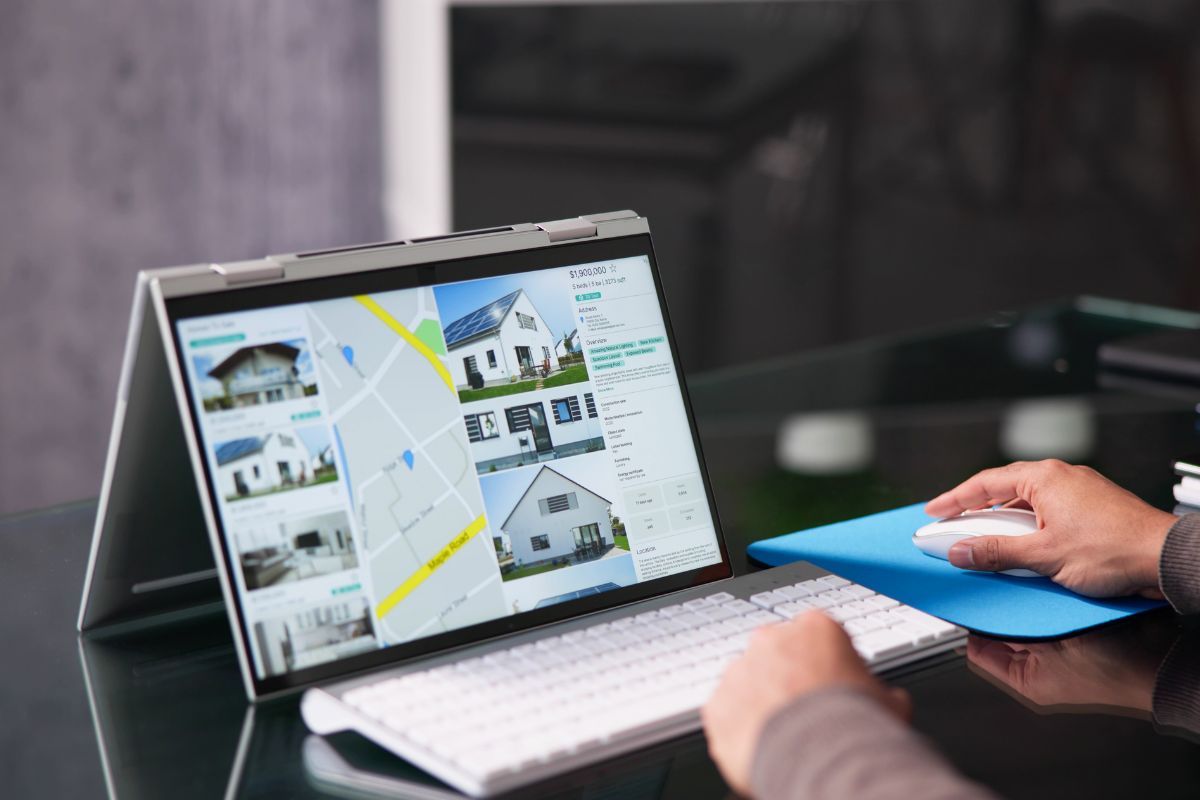
Filling vacancies quickly is a top priority for any rental property, and marketing platforms make this process much more efficient.
These tools allow property managers to create attractive online listings that reach a broad audience.
One of the most valuable features of these platforms is their analytics capabilities.
Landlords can track the performance of their real estate listing, such as the number of views and inquiries, and adjust their strategies accordingly.
These tools allow them to showcase their rental property in the best possible light and reach a broader pool of applicants.
This reduces vacancy periods and increases the likelihood of finding tenants who are a good fit.
8. Security and Smart Home Tools
Ensuring tenant safety and property security is one of the major landlord responsibilities, and smart home tools can play a key role in achieving this.
These include features like keyless entry systems, smart security cameras, and automated lighting, which enhance both convenience and security.
The most notable feature of smart home tools is their ability to provide remote control and monitoring.
Landlords can manage access to the rental property, monitor security footage, and even adjust smartphone settings. This reduces the need for in-person visits to the property.
Security and convenience improve the property condition and create a living environment that tenants feel comfortable and confident in.
This boosts tenant satisfaction and protects the property from potential risks.
Conclusion
For first-time landlords, the right tools can make all the difference in managing the complexities of property management.
They provide the foundation for a successful rental business, from streamlining daily operations to improving tenant relationships.
Landlords can save time, reduce stress, and confidently focus on growing their portfolios by investing in these resources.
