

Property taxes are one of the most significant ongoing costs of homeownership. Still, many property owners have only a surface-level understanding of how they work.
These taxes fund vital local services such as public schools, road maintenance, police and fire departments, and libraries.
Property taxes can vary widely from one community to another, and even from neighborhood to neighborhood within the same city, since they are assessed by local governments.
Understanding how property taxes are calculated and managed is important for homeowners, investors, and anyone considering a real estate purchase.
What Are Property Taxes?
Property taxes are based on the assessed value of your property, which is typically determined by a local tax assessor.
The assessor evaluates the property’s market value, taking into account factors such as size, location, improvements, and recent sales of comparable properties in the area.
From this assessed value, tax authorities apply a millage rate or tax rate, which is set by the local government. The resulting figure is the annual property tax owed by the property owner.
To research these details, many individuals conduct property records search, which provides information on property values, tax records, ownership history, and other essential data that can help homeowners and buyers better anticipate their tax obligations.
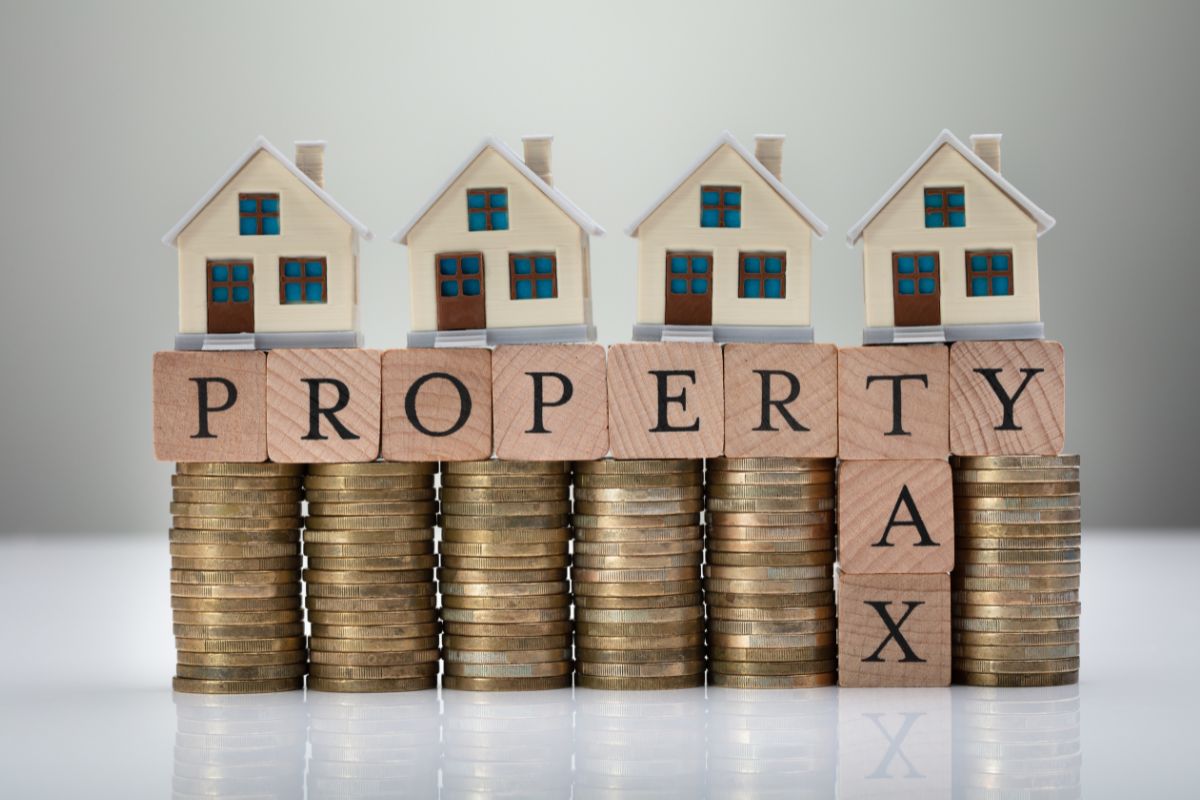
Key Components of Property Tax Calculations
1. Assessed Value
The assessed value is not always the same as the market value of your property.
While market value is what your property could sell for under current conditions, assessed value is determined by the local tax authority and is often a percentage of the market value.
Some states cap how much the assessed value can increase each year to protect homeowners from sudden spikes in taxes during periods of rapid real estate growth.
2. Tax Rate (Millage Rate)
The millage rate is set by local governments and school districts. One mill represents one-tenth of a cent.
For example, if your property is assessed at $200,000 and the millage rate is 20 mills (or 2%), your property tax would be $4,000 annually.
Because multiple local entities may impose taxes, your final tax rate is often a combination of city, county, and school district millage rates.
3. Exemptions and Deductions
Homeowners may qualify for certain exemptions that reduce their taxable property value. The most common is the homestead exemption, which offers tax relief for primary residences.
Other exemptions may apply to senior citizens, veterans, or properties used for agricultural purposes. Understanding which exemptions you qualify for can make a meaningful difference in your annual tax bill.
Why Property Taxes Vary
Several factors influence why property taxes can differ so much between states, cities, and even neighborhoods:
- Local Government Budgets: Communities with higher budgets for schools, infrastructure, and public services generally impose higher property taxes.
- Real Estate Market Conditions: Areas with rapidly increasing property values often see corresponding rises in property tax assessments.
- Assessment Practices: Some regions reassess properties annually, while others may reassess only when the property is sold or improved.
- State Laws: States set guidelines for maximum tax rates, reassessment cycles, and exemptions, all of which impact the final tax bill.
How to Estimate Your Property Taxes
Calculating your property taxes involves multiplying your assessed value by your local tax rate, then subtracting any applicable exemptions.

For instance, if your home’s assessed value is $250,000 and the total tax rate in your area is 1.5%, your base property tax would be $3,750.
If you qualify for a $25,000 homestead exemption, the taxable value drops to $225,000, reducing your annual property tax to $3,375.
For potential buyers, estimating property taxes before purchasing a home is critical for financial planning.
Overlooking this cost could result in budgetary strain, especially since property taxes can increase over time.
Reviewing past property tax records for the home you are considering can provide valuable insights into historical tax trends and likely future obligations.
Strategies for Managing Property Taxes
While you cannot avoid property taxes entirely, there are steps you can take to ensure you aren’t overpaying:
- Review Assessment Notices: When you receive an annual assessment, verify the details such as square footage, number of bedrooms, and property features. Errors could lead to inflated assessments.
- File an Appeal: If you believe your property is over-assessed, you can file an appeal with your local tax authority. Providing evidence such as recent appraisals or comparable sales can strengthen your case.
- Take Advantage of Exemptions: Always apply for exemptions you qualify for, as they directly reduce your taxable value.
- Stay Informed About Local Rates: Attend local budget hearings where tax rates are determined, as community involvement can sometimes influence decisions that impact tax rates.
The Bigger Picture
Property taxes are more than just an individual homeowner’s expense. They are important to maintain the quality of life in a community.
From funding schools to ensuring safe neighborhoods, property taxes are the backbone of many important services.
A clear understanding of how these taxes are assessed, calculated, and applied allows property owners to budget effectively and make informed real estate decisions.
Whether you are a homeowner, investor, or prospective buyer, being proactive about understanding your property taxes will help you avoid surprises and ensure you are making financially sound choices.
By learning how property values, tax rates, and exemptions interact, you gain the knowledge necessary to navigate the complex world of property taxation.
