
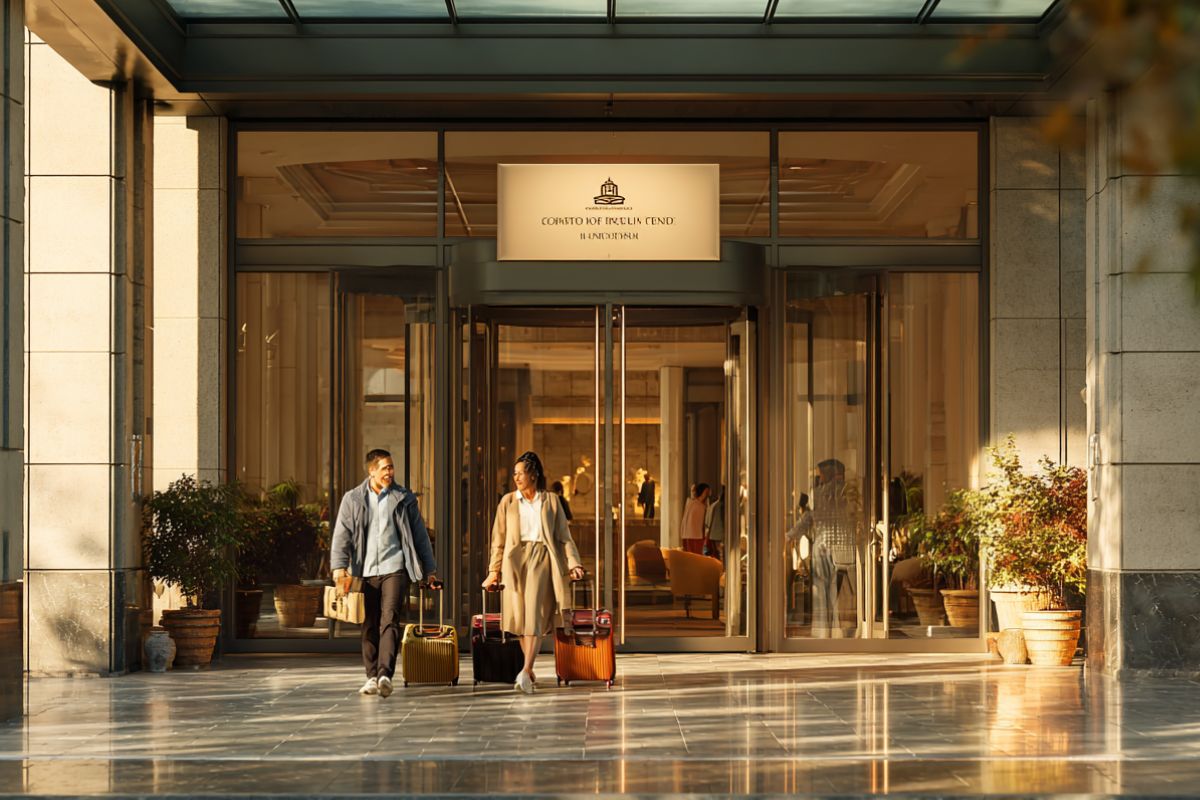
When you walk into a hotel lobby, the first impression is nearly automatic before anyone says anything.
It could be the gentle wash of lighting above the reception desk, the sinuous script on one wall or maybe the underplayed sign outside that appeared to draw guests from a parking lot without much by way of direction.
That’s what signage and lighting can do. They shape your perception through a soft, slow power, informing you of what sort of place you’ve arrived at, what sort of people are in charge and what type of guest experience lies in store.
For those of us in hospitality, when it comes to what makes a wonderful guest experience, sometimes we think of amenities, or service, or décor.
But the reality is that these signs and visual cues, the way a sign is lit, designed or situated, are also important factors.
They don’t shout, they whisper. But those whispers help define the brand identity long before a guest checks in or orders a drink at the bar.
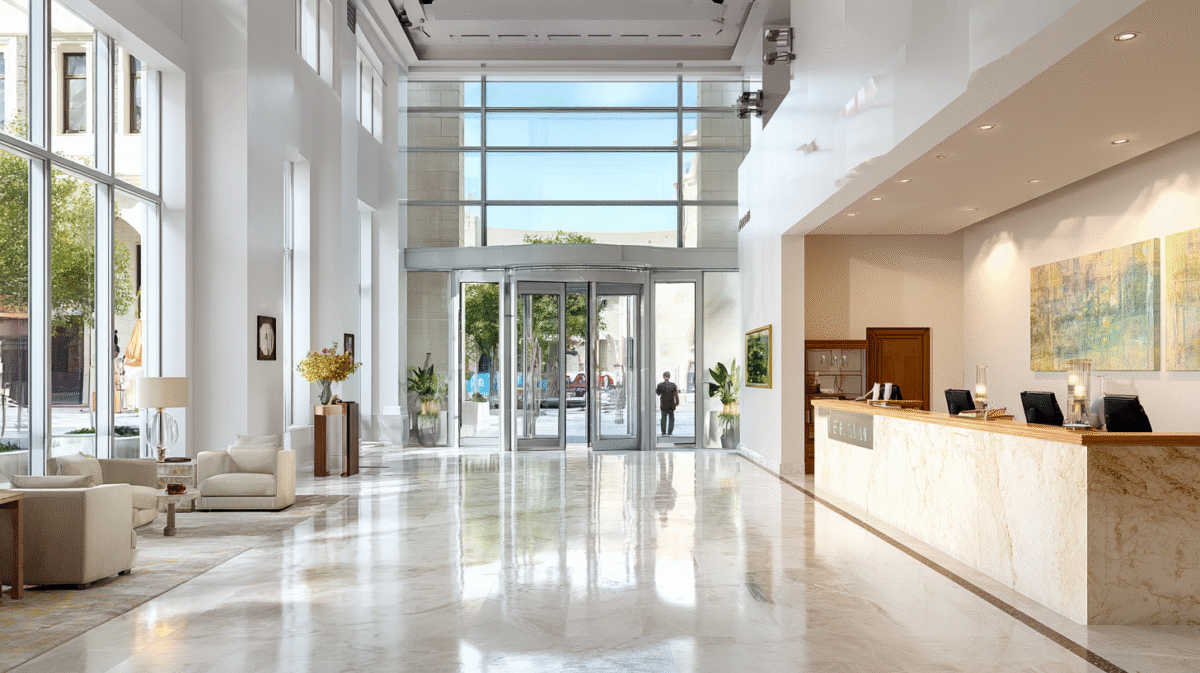
First Impressions That Make a Statement
The second a guest enters your front door, your signage has already done half the selling.
According to research, approximately 68% of consumers believe a store sign is reflective of the quality of its products or services.
That’s a shocking number for hotels. A drab or dated sign is not the death of a stay, but it certainly colors guests’ feelings about what they will find inside.
I recall stopping by a boutique hotel downtown a couple of years ago. The facade had recently been retouched, though the signage was weirdly dark and a little crooked.
The “Welcome” felt tired. People can spend billions and trillions on houses like that and the inside can be so perfect, but I always get this feeling of something not being right.
That’s when it dawned on me: Even a tiny oversight in sign design can ruin all of the brand consistency a property labors over.
Great lighting and signage offerings do more than simply identify a building, they reinforce brand image, create expectations, and improve guest experience from the moment a guest becomes aware of a property. It is that quiet welcoming that basically says, You belong here.
What Signage Style is Telling Your Brand Story?
In the world of hospitality in stuffy towns and neighborhoods, signage is not only for wayfinding. It’s storytelling.
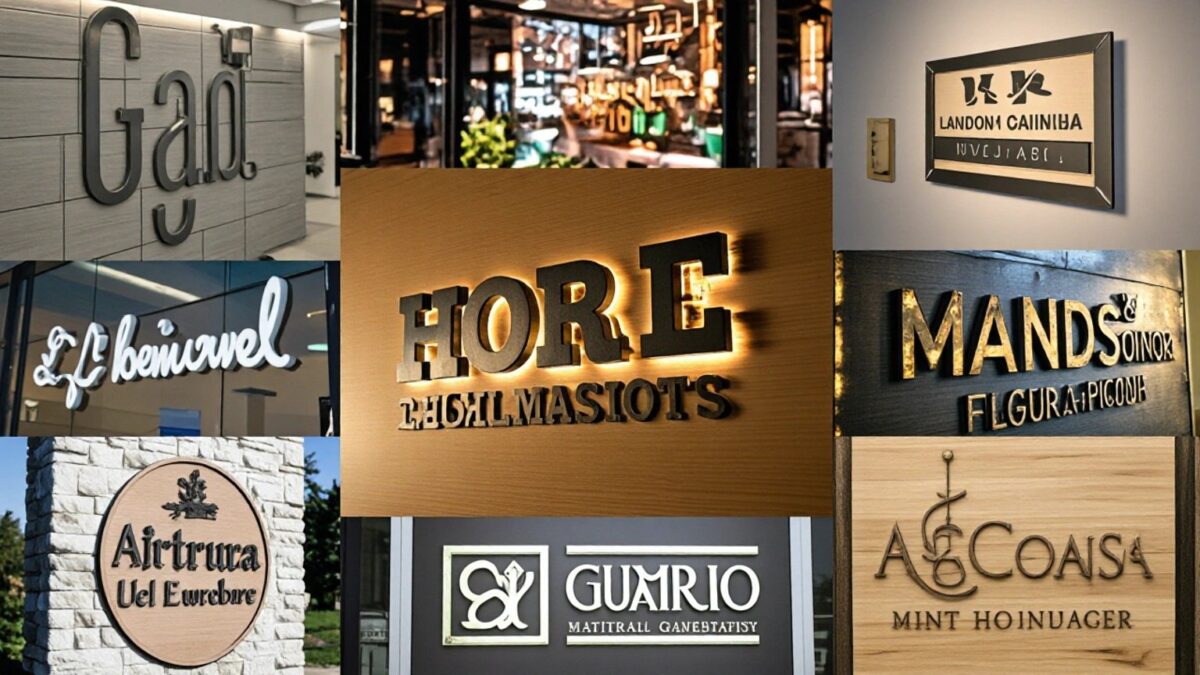
Every sign, from the one at the entrance monument to the room numbers in the hallway, convinces us that we are inside.
One hotel might choose brushed metal signs to give an air of elegance, while a second may want warm wooden textures that suggest peace and homeliness.
But the most overarching thing that unites all of this is where it seems something really good and new under LED is lighting.
Used appropriately, it can add another layer of color, draw attention to design elements and even transform banale directional signs into something that feels like a natural part of the guest journey. Warm light can create a sense of comfort upon arrival. Cool light can invigorate a room.
Consistency matters. However, when a hotel does the same brand treatment, same signage design language across all locations, same typeface and illumination style, they are able to build up and reinforce their brand recognition so that guests know exactly what they’ll get no matter where they are.
This consistent identity breeds trust and in the hospitality industry, trust is everything.
The Functional Side: Wayfinding and Guest Flow
Now, let’s talk practicality. But it’s not just about the way things look, wayfinding signage plays a role, facilitating easy and instinctive navigation for customers.
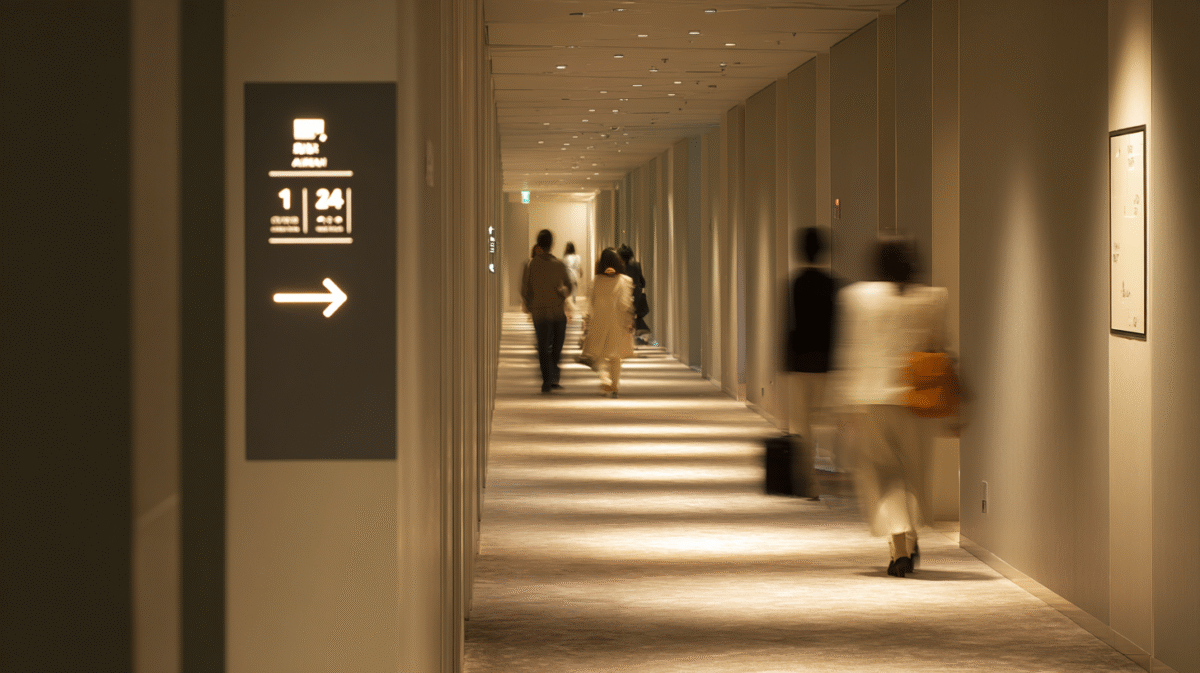
Good signage helps reduce confusion and enhances the guest experience. It is just that tacit guidance that allows a guest to go straight to their room, the restaurant or spa without needing any direction.
In designing wayfinding signage, it’s vital to not only prioritize brand consistency, but also comply with accessibility standards.
As the U.S. Access Board notes, signs must meet strict visual contrast, non-glare finish, and tactile requirements (raised characters, braille) in interior and exterior settings.
I spent some time at a resort that used digital signs almost exclusively for its information boards. They were sleek but overcomplicated. Visitors would freeze, squint and tap at screens, then exhale.
The irony? State-of-the-art tech was meant to augment the experience, but it lengthened guests’ journeys.
The best wayfinding signage doesn’t scream or jump out, it’s discreet, intelligent and intuitive. It subtly helps guide guests through spaces without them being aware they’re being guided.
That is where commercial business signs enter the scene. These don’t simply work on a hotel level, they’re visual anchors.
Its signals brand identity across all public and private spaces, helping to ensure that the entire hospitality signage ecosystem feels consistent.
When a property invests in properly located commercial business signs guests can’t help but feel the professionalism, commitment, and attention to detail that is sure to be found inside.
Lighting As The Silent Brand Ambassador
Every hotel has a rhythm, and lighting orchestrates it. It can lift a room, transform an otherwise small lobby into “something grand” or teach you how to walk through an ordinary hallway with your head held high.
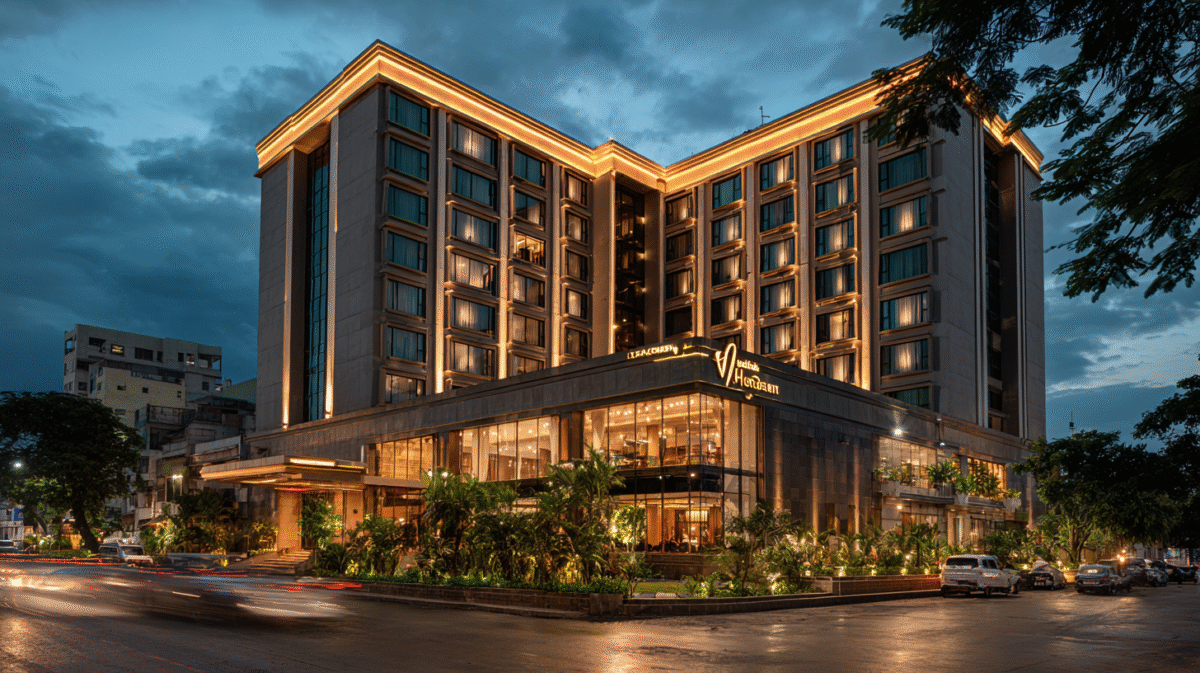
Good lighting is compelling in the way it changes. It’s unobtrusive during daylight and as night descends it glows warmly and comforts us, helping to set a mood.
A friend once described to me the time he stayed in a seaside hotel whose outdoor lights deepened from evening blue into sunset pinks. In the evenings, as the sky changed, so did the building’s colors.
It was not dramatic, only quietly poetic. Effective signage and lighting design like that doesn’t just make pretty, it leaves a lasting impression.
Well-lit, but not overlit, signs can be seen without glare to help guests who may return late from the casino or clubs.
This delicate balance of lighting and safety doesn’t just enhance the overall vibe, it also saves energy while helping to meet sustainability goals.
This delicate balance of brightness and subtlety doesn’t just enhance the overall vibe, it also saves energy while helping to meet sustainability goals.
In fact, the California Energy Commission mandates energy-efficient lighting design through its Nonresidential Energy Code – Sign Lighting standards, which require automatic shutoff controls and power limitations to reduce unnecessary energy use.
Through Design and Execution, Uniting Many Minds
If there’s one thing the blending signage and lighting of larger botanical gardens teach us it’s that cohesive design gets into memory.

Even the prop fonts, colors, finishes and lighting patterns serve to reinforce the message of that brand. Whether by way of external signage, directional signs or in-room branding, all these flow through to create a better guest experience.
For instance, signage and lighting color temperature could be standardized in all local chain hotels. That repetition breeds recognition. Guests begin to associate that visual rhythm with trust.
As it becomes part of the brand’s DNA, such a visual language helps reinforce what the brand stands for and creates emotional connections.
The best signage solutions are more than just hung up, they’re custom-built to drive every interaction along the guest journey.
When executed well, they amplify the guest experience, help build brand recognition and mission, and reinforce your underlying brand continually through each illuminated space.
Innovation and Modern Trends
Technology is reshaping signage. The technology has reached a level where we can control the brightness and color, even add motion, to LED and smart systems.
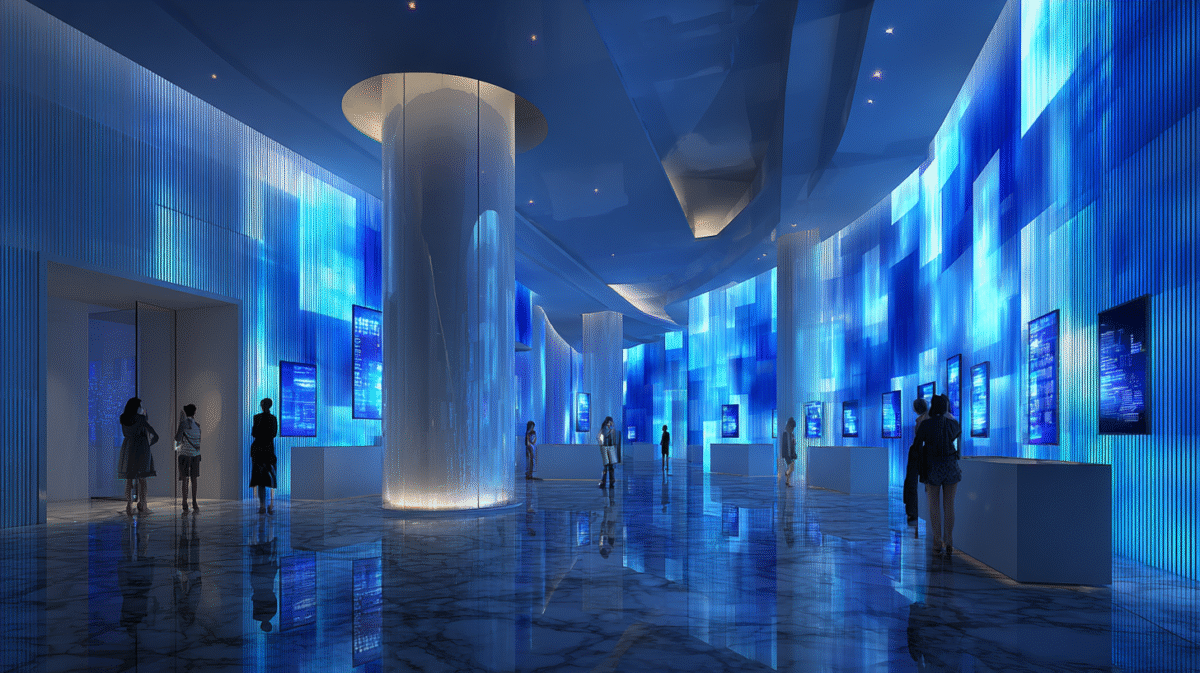
Interactive signage can greet returning guests by name and show dynamic information like event schedules or the weather.
But innovation must be in service of emotion, never a substitute for it. After all, hospitality is central to human connections, so even tech-driven approaches to signage design still need that touch of warmth and personality, not to mention a connection to the brand story.
Smart lighting which changes based on the time of day or improves guest experience via ambiance reflects that a property is one which treasures innovation and comfort.
Even basic outdoor signs that open up to natural light and shine brighter at dusk or gently fade as the sun rises are a thoughtful mix of technology and artistic inspiration, and they depend on regular exterior maintenance to stay effective.
That’s modern hospitality signage par excellence, practical and elegant, efficient and emotional.
Where Success Is Measured by the Silhouette of Your Profile
How can you tell if your signs work? Watch the guests. Do they walk through the property confidently? Are they pausing for photos by your logo wall? Are they writing up your lit-up entrance on social media? That’s feedback.
It can be measured quantitatively through surveys, visibility studies or hoteling. But there’s the intangible side too, the warmth in guest experience, the sense that everything just fits. That’s what great signage and lighting does, align the environment in which you are at this moment and your emotion.
When a hotel can design its way into making every small moment better, it builds a brand memory. The room number may slip a guest’s mind, but how they felt when entering won’t.
Conclusion: Why It All Matters
At the end of the day, signage and lighting are more than just tools that serve a function, they are representations of your property branding promise.
They are the ones who establish, reaffirm and build upon an overall image of you in the hospitality industry.
Whether it’s a backlit logo greeting travelers on a rainy night or subtle directional signs pointing guests to the spa, every visual cue is in place to ensure that guests feel oriented and welcomed. Each lighted surface contributes to a larger story, one that nurtures trust and loyalty while making members feel at home.
With creative signage design and a little bit of thoughtful lighting, it’s not just your property that looks great. It creates a mood. It crafts memory.
It reminds anyone who walks in the door that nothing has been overlooked, no matter how small, and it’s these things that are going to elevate a brand, reinforce brand identity, and leave a lasting impression on their guest experience as a whole.
