
Texas homeowners know that their roofs face challenges unlike almost anywhere else in the country.
From extreme heat and hailstorms to sudden cold snaps and torrential rain, the state’s climate places year-round stress on residential roofing systems.
Understanding how roofing problems develop, and when they are most likely to occur, can help property owners make smarter maintenance decisions and avoid costly repairs.
For homeowners navigating repairs or replacements, especially in fast-growing North Texas communities, understanding local regulations and professional options such as roofing services in mckinney texas can be an important first step.
Roofing challenges in Texas are rarely one-size-fits-all; they are deeply shaped by seasonal weather patterns and regional conditions.
Below is a breakdown of the most common roofing problems in Texas, organized by season, to help homeowners better anticipate risks throughout the year.
Spring: Hail, Wind, and Storm Damage
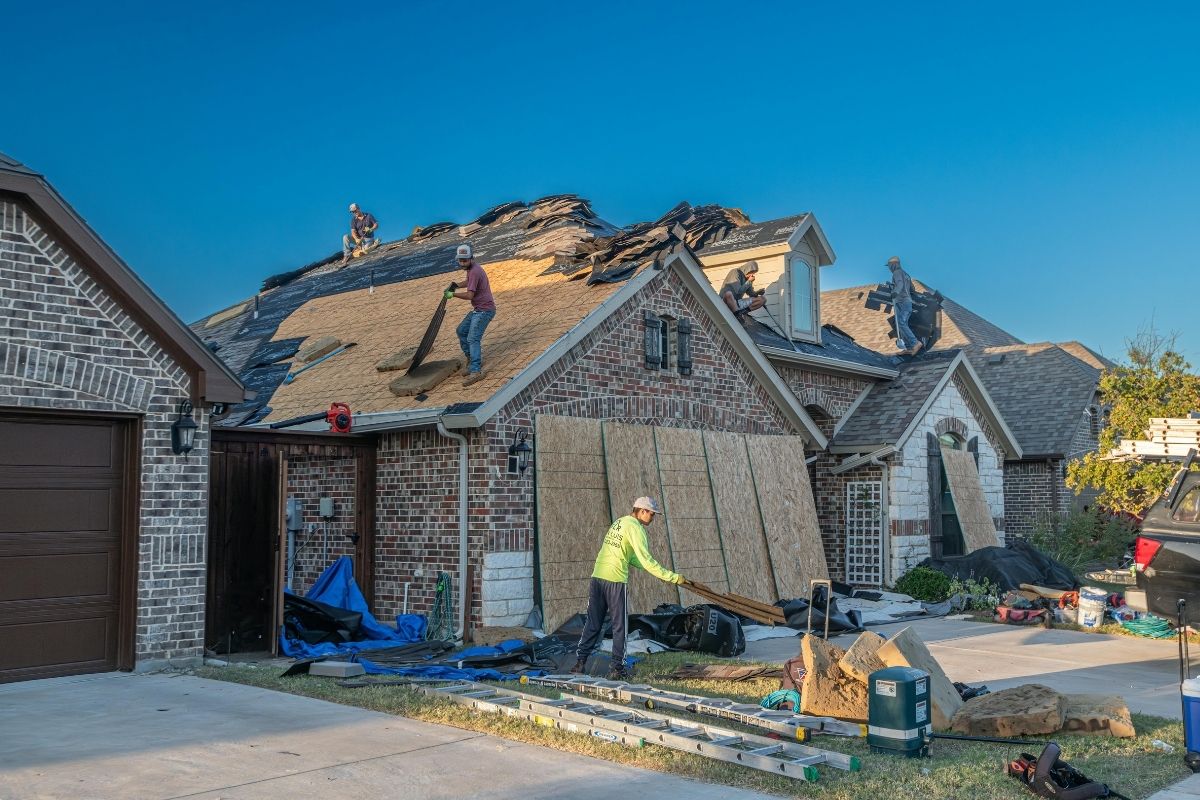
Spring is one of the most destructive seasons for roofs across Texas. Severe thunderstorms frequently bring hail, high winds, and heavy rain, sometimes all in the same day, placing sudden and uneven stress on roofing systems.
Common spring roofing issues include hail impact damage to shingles, wind uplift that loosens shingles or flashing, water intrusion from wind-driven rain, and gutter damage or clogging caused by storm debris.
These events often occur in quick succession, increasing the likelihood that minor damage escalates into leaks.
Hail damage is particularly deceptive. Even when shingles appear intact from the ground, hail can bruise or fracture the underlying mat, reducing impact resistance and shortening the roof’s lifespan.
Wind damage often compounds the problem by lifting shingles, creating entry points for moisture during follow-up storms.
According to the National Oceanic and Atmospheric Administration (NOAA), Texas consistently leads the nation in hail-related property damage claims, with spring storms accounting for a significant share of annual losses.
Summer: Heat Stress and UV Degradation
Texas summers are defined by prolonged heat, intense sunlight, and extreme surface temperatures, especially on rooftops, where temperatures can exceed 150 degrees Fahrenheit.
Common summer roofing issues include thermal expansion and contraction that stress materials, UV degradation of shingles and sealants, premature aging of roofing systems, and ventilation-related problems that lead to attic heat buildup. These effects accumulate gradually, often without visible warning signs.
Prolonged exposure to heat accelerates the breakdown of asphalt shingles, causing them to dry out, curl, or crack.
Poor attic ventilation can trap heat, increasing indoor cooling costs while placing additional strain on both the roof structure and HVAC systems.
Research from the U.S. Department of Energy shows that proper roof ventilation and reflective roofing materials can significantly reduce heat-related damage while improving overall energy efficiency, an important consideration for Texas homes.
Fall: Debris Accumulation and Maintenance Gaps
Fall typically brings calmer weather, but it also introduces risks that are often tied to deferred maintenance rather than storms.
Common fall roofing issues include clogged gutters and drainage systems, accumulated debris that traps moisture, undetected damage from earlier seasons, and flashing deterioration around chimneys, skylights, and vents. Without regular clearing, these issues can quietly undermine roof performance.
Leaves, branches, and wind-blown debris tend to collect in roof valleys and gutters, preventing proper water flow. Moisture trapped under debris accelerates rot and can compromise underlayment and roof decking over time.
Fall is also when many homeowners first notice delayed damage from spring hail or summer heat. If left unaddressed, these smaller issues can worsen as colder weather approaches.
The Texas Department of Insurance recommends roof inspections after major storm seasons so damage can be documented early, helping reduce complications during insurance claims.
Winter: Freeze Damage and Moisture Intrusion
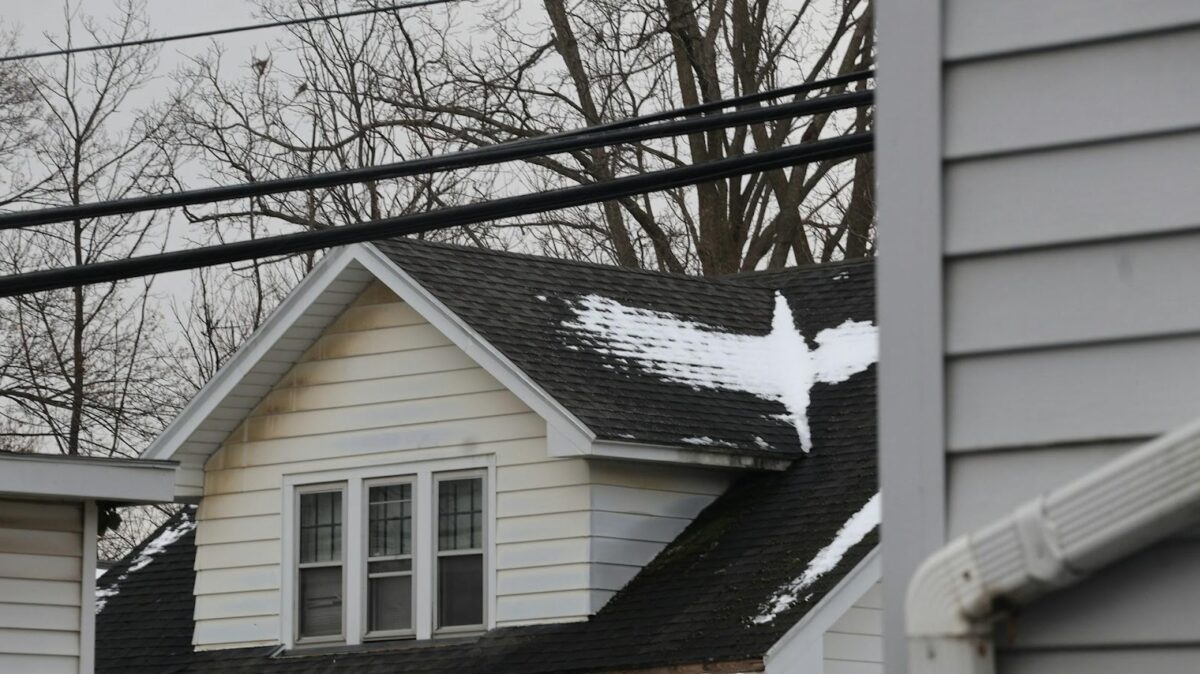
While Texas winters are generally mild, sudden temperature drops, such as those experienced during recent Arctic cold fronts, can be especially damaging to roofing systems not designed for extended freezing conditions.
Common winter roofing issues include cracked shingles caused by rapid temperature changes, sealant failure around roof penetrations, condensation buildup in poorly ventilated attics, and moisture intrusion during freeze-thaw cycles. These problems are often overlooked until leaks become visible.
When moisture enters small gaps during warmer daytime temperatures and freezes overnight, it expands and widens openings. Repeated freeze-thaw cycles weaken materials and increase the risk of water intrusion once temperatures rise again.
Building science research from Building Science Corporation emphasizes that moisture control, not just insulation, is critical in regions with fluctuating winter temperatures like Texas.
Year-Round Issues: Installation Quality and Aging Roofs
Beyond seasonal weather patterns, many roofing problems in Texas stem from long-term factors that persist throughout the year.
Unlike storm-related damage, these issues tend to develop gradually and may go unnoticed until they result in leaks, structural concerns, or higher repair costs.
Common ongoing challenges include improper installation, failure to meet updated building codes, aging materials nearing the end of their service life, poor flashing design at roof intersections, and inadequate drainage that allows water to linger instead of shedding efficiently.
In Texas’ fast-growing housing market, variation in construction quality has increased the likelihood of these problems, particularly when speed and cost take priority over detailed workmanship.
As roofs age, materials naturally lose flexibility, sealants dry out, and fasteners can loosen. This gradual decline makes roofing systems more vulnerable to heat, wind, and moisture, even during otherwise moderate weather.
The International Code Council notes that adherence to current building codes plays a critical role in improving roof durability and reducing premature failure in high-risk climates like Texas.
Why Seasonal Awareness Matters for Texas Homeowners
Understanding when specific roofing problems are most likely to occur allows homeowners to take proactive steps rather than reactive ones.
Seasonal awareness helps identify the most effective times for inspections, maintenance, and minor repairs, before small issues escalate into larger, more expensive problems.
Spring storms, summer heat, fall debris, and winter temperature swings each place different stresses on a roof.
Addressing these risks at the right time of year can significantly reduce long-term repair costs and extend the roof’s overall lifespan.
As a result, many Texas homeowners now view roofing as an ongoing system that requires periodic attention, similar to HVAC or plumbing, rather than a one-time project completed and forgotten.
A Smarter Approach to Roofing in a Demanding Climate
Texas roofs endure more environmental stress in a single year than many roofs experience in a decade elsewhere.
Seasonal awareness, combined with professional assessments and compliance with local regulations, can make the difference between minor repairs and major replacements.
As climate volatility increases and housing stock ages, informed homeowners will be better positioned to protect both their property and their investment. Roofing problems may be inevitable in Texas, but costly surprises don’t have to be.
