

Are you trying to figure out the difference between a restraining order and a protective order?
If you’ve ever watched a courtroom drama, you’ve likely heard these terms thrown around, but what do they actually mean?
The truth is, the terms are often used interchangeably, but their legal meanings can be very different depending on where you live.
This guide will break down everything you need to know in plain language.
What Is the Difference Between a Restraining Order and a Protective Order?
The primary difference between restraining and protective orders depends entirely on state law.
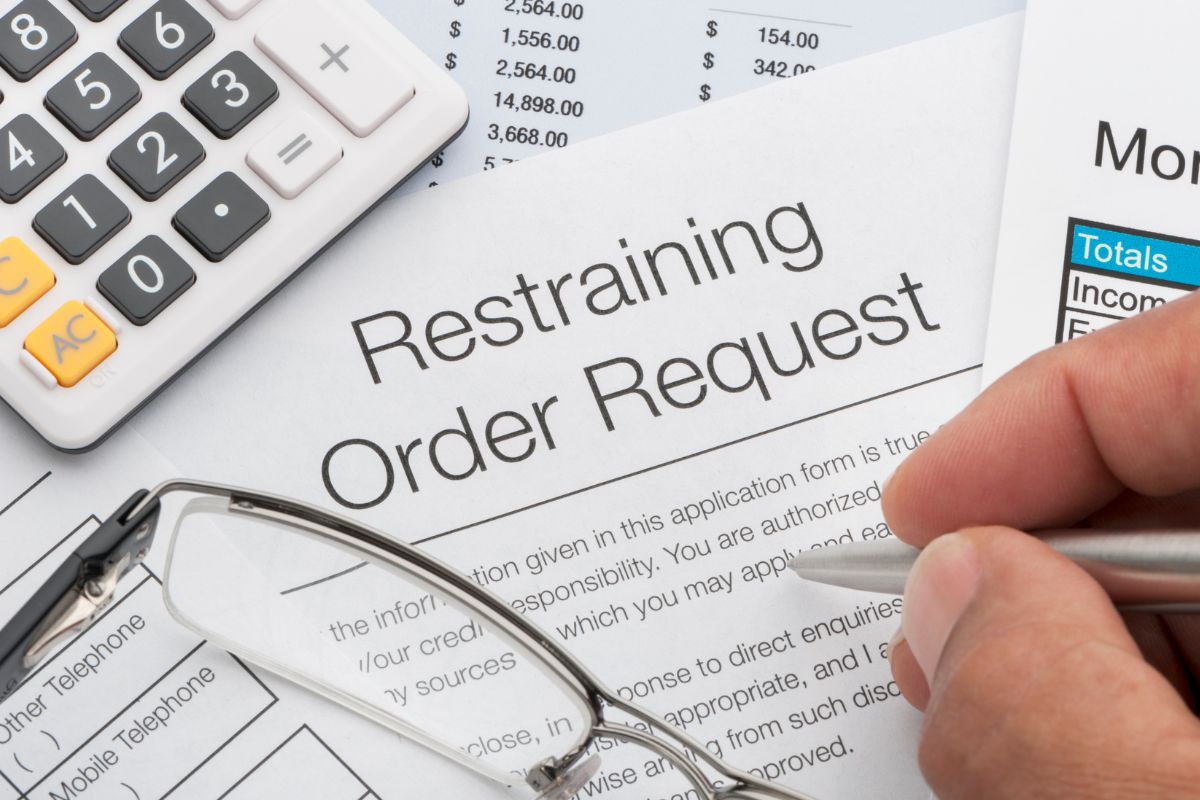
Generally, the term protective order is reserved for cases involving domestic violence, family abuse, or sexual assault.
They are specifically designed to safeguard victims of abuse from family members, household members, or intimate partners.
In contrast, a restraining order is often a broader term used in a wider range of civil disputes to stop a person from taking a specific action.
They might be used between neighbors in a property dispute, between coworkers to prevent harassment, or in business conflicts.
| Feature | Restraining Order (General Term) | Protective Order (General Term) |
|---|---|---|
| Common Context | Broad civil matters (e.g., harassment, stalking, business disputes) | Specific threats of harm (e.g., domestic violence, family abuse, sexual assault) |
| Typical Relationship | Neighbors, coworkers, strangers, or non-intimate partners | Family, household members, or current/former intimate partners |
| Primary Goal | To stop a specific, unwanted action or contact | To provide comprehensive safety for a victim and their family |
Understanding the Common Types and Stages of Orders
Getting a court order for protection is a multi-step process. The type of order you can get often depends on the situation’s urgency and the stage of the legal proceedings.
Emergency Protective Orders (EPOs)
An Emergency Protective Order, or EPO, is an immediate, short-term order designed to provide instant safety.
A law enforcement officer often requests it on behalf of a victim following a domestic violence incident. A judge or magistrate can issue an EPO anytime, day or night, even when courts are closed.
These orders typically last only a few days, giving the victim enough time to file for a longer-term order.
Recent domestic violence tragedies, where homicides occurred despite orders being in place, underscore the critical need for their immediate and strict enforcement.
Temporary or Preliminary Orders (TROs/PPOs)
The next step in the process is to get a temporary restraining order (TRO) or preliminary protective order (PPO).
A victim (the petitioner) files paperwork with the court, and a judge can grant a temporary order that lasts until a full court hearing is scheduled, usually within a few weeks.
This order is often granted ex parte, which means the other party (the respondent) does not have to be present for the judge to issue it.
Final or Permanent Orders
A Final or Permanent Order is only granted after a formal court hearing, at which the petitioner and respondent can appear before a judge, present evidence, and share their side of the story.
To grant a final order, the judge must find that a preponderance of the evidence supports the petitioner’s claims. This is not the same standard as the beyond a reasonable doubt proof required in criminal cases, making it more accessible for victims seeking protection.
These long-term orders can last up to five years; in many states, they can be renewed before expiring.

Why Your State’s Laws Matter Most: A Look at Virginia
Because no single federal definition exists, each state has developed specific terminology and laws for these orders.
For example, the Commonwealth of Virginia primarily uses the term Protective Order to address situations involving family abuse, force, or violence.
Virginia law provides three types of protective orders: an Emergency Protective Order, a Preliminary Protective Order, and a final Protective Order.
The final order can last for a period of up to two years. The state’s focus on victim safety is critical, particularly when statistics show that over 30% of Virginia homicides are related to domestic violence.
Understanding the nuances of these orders, from filing the correct paperwork to presenting evidence in court, can be overwhelming.
For anyone navigating this process in Virginia, consulting with a specialized restraining order lawyer is key to ensuring your rights and safety are fully protected. These professionals provide crucial guidance on both obtaining and defending against protective orders.
What Happens When a Protective Order Is Issued?
Receiving a protective or restraining order is a serious legal event with major consequences.
A person named in an order, known as the respondent, will face several life-altering restrictions. These can include:
- No Contact: The respondent is legally forbidden from contacting the petitioner in any form, including calls, texts, emails, social media messages, and even messages passed through third parties.
- Stay Away: The order will specify a distance, often 100 yards or more, that the respondent must keep from the petitioner’s home, workplace, and their children’s school or daycare.
- Move Out: If the parties live together, a judge can order the respondent to vacate the shared residence immediately.
- Child Custody: The order can temporarily change child custody and visitation to ensure the children’s safety. This aligns with a growing legal trend in the UK to prioritize child safety over an abusive parent’s presumed right to involvement.
- Firearm Restrictions: Federal and most state laws prohibit someone subject to a final protective order from possessing or purchasing firearms. Some states have recently strengthened these measures.
- Background Checks: A protective order can appear on background checks, potentially impacting a person’s ability to find employment or secure housing.
- Criminal Charges: Violating any term of the order is a separate criminal offense. A violation can lead to immediate arrest, fines, and jail time.
Key Takeaways on Restraining and Protective Orders
Navigating the legal system for personal safety can be confusing. Here are the most important things to remember:
- Although the terms restraining and protective orders are often used interchangeably, state law determines their legal definitions and applications.
- Generally, protective orders are issued in cases of domestic violence or abuse, while restraining orders can cover a broader range of civil issues.
- Orders are issued in stages: immediate Emergency Orders, short-term Temporary Orders, and long-term Final Orders that last one or more years.
- A protective order is a serious court order with significant consequences, including restrictions on contact, housing, child custody, and firearm ownership.
