

When the lights went out across Texas during the 2021 winter storm, millions of households discovered the harsh reality of power grid vulnerability.
Families huddled in cold homes, unable to charge devices or preserve food, while those with backup power systems maintained comfort and connectivity.
This crisis highlighted home battery backup as essential infrastructure rather than luxury convenience.
But here’s the critical question: Why does solar input transform backup systems from mere emergency tools into comprehensive sustainable solutions?
For eco-conscious consumers seeking genuine energy independence, the answer lies in understanding how solar integration fundamentally changes the backup power equation.
Solar input doesn’t just charge your batteries—it creates a self-sustaining energy ecosystem that operates independently of grid fluctuations and fossil fuel dependencies.
This integration maximizes both environmental benefits through clean energy cycling and economic advantages by eliminating ongoing fuel costs, positioning your home as a resilient energy fortress that thrives on renewable resources.
The Synergy Between Solar Input and Backup Battery Systems
Solar input represents the direct conversion of sunlight into electrical energy that charges your home battery storage system through photovoltaic panels.
This process transforms photons into electrons via silicon cells, creating DC electricity that flows into battery banks through charge controllers that regulate voltage and prevent overcharging damage.
The physics behind this integration involves capturing solar energy during peak daylight hours and storing it in lithium-ion or lithium iron phosphate batteries for later use.
Unlike grid-charged systems that rely on utility power to maintain battery levels, solar-charged backup systems harness free renewable energy continuously during sunny conditions, creating an independent charging cycle.
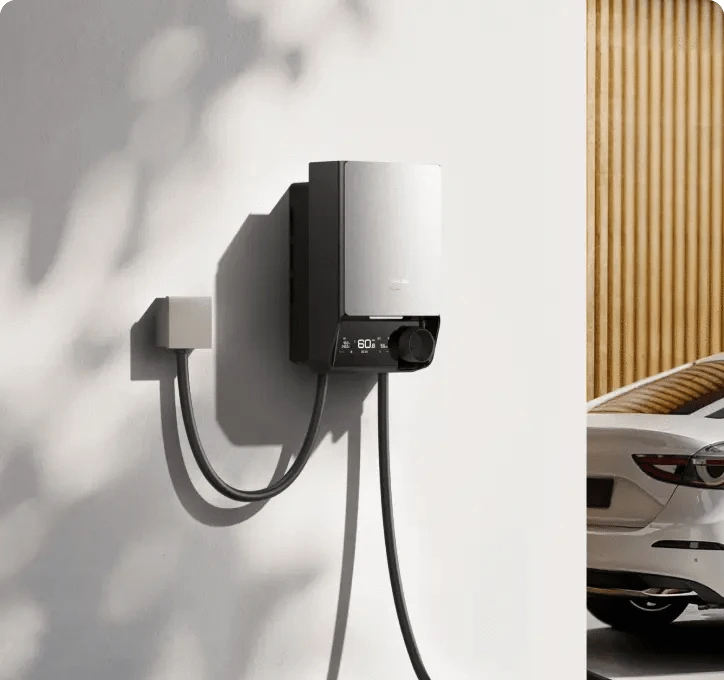
Grid-charged backup systems function as emergency reserves that drain without external replenishment during extended outages.
Solar-charged systems operate differently—they actively regenerate power daily, extending backup duration indefinitely under favorable weather conditions.
This fundamental difference transforms emergency backup from a finite resource into a renewable energy source.
The key benefits center on energy autonomy and reduced grid dependence. Solar input enables your backup system to operate independently of utility infrastructure, providing genuine energy security that doesn’t rely on external power sources.
This autonomy becomes particularly valuable during widespread grid failures when utility restoration may take days or weeks to complete.
Why Eco-Friendly Energy Solutions Demand Solar Integration
Solar integration dramatically reduces your home’s carbon footprint by eliminating fossil fuel dependencies during backup power cycles.
Traditional generators burn gasoline or propane, releasing carbon dioxide, nitrogen oxides, and particulate matter directly into the atmosphere.
Solar-charged battery systems produce zero emissions during operation, creating a clean energy loop that aligns with environmental stewardship principles.
Lifecycle analysis reveals striking differences between solar-battery combinations and fossil fuel generators. A typical gas generator consumes 5-10 gallons of fuel daily during extended outages, producing roughly 100-200 pounds of CO2 emissions.
Solar systems offset their manufacturing carbon footprint within 2-4 years, then provide decades of emission-free backup power that actually improves your home’s environmental impact.
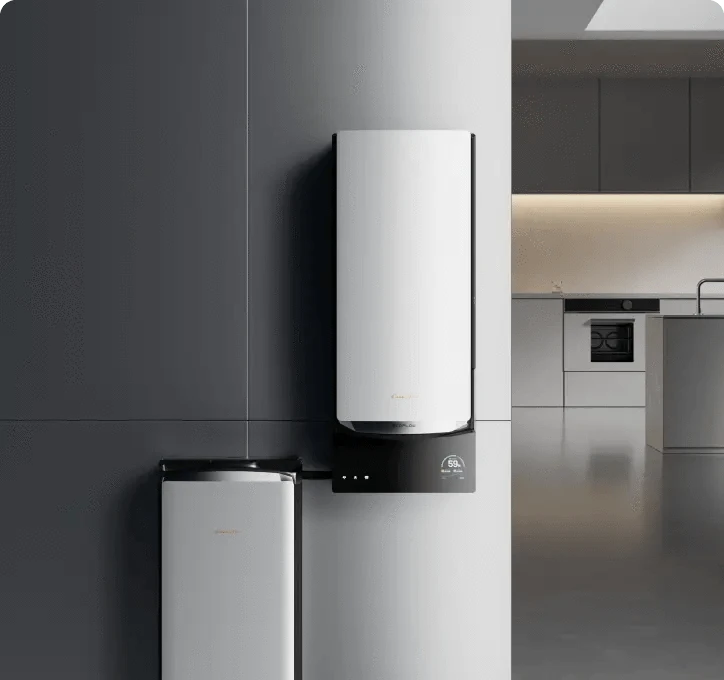
For environmentally conscious consumers, solar integration extends sustainability beyond emergency preparedness into daily energy management.
Your backup system becomes an active participant in renewable energy adoption, reducing grid strain during peak demand periods while storing clean energy for future use.
This approach transforms backup power from environmental compromise into environmental contribution.
The renewable synergy between solar production and battery storage creates optimal energy efficiency by matching natural generation patterns with consumption needs.
Solar panels produce peak energy during midday hours when batteries can absorb maximum charge, while stored energy becomes available during evening peak demand or cloudy weather conditions, creating a balanced ecosystem that maximizes clean energy utilization.
Optimizing Solar Energy Efficiency for Home Backup
Critical Storage Considerations
Battery chemistry directly affects solar charging efficiency and long-term performance in backup systems.
Lithium iron phosphate (LiFePO4) batteries accept solar input most efficiently, with 95-98% charge acceptance rates and minimal voltage drop during charging cycles.
Lead-acid batteries show lower efficiency at 80-85% and require careful voltage regulation to prevent sulfation damage from inconsistent solar charging patterns.
Calculate your daily solar input requirements by assessing your home’s essential power consumption and available sunlight hours.
A typical home needs 20-30 kWh daily for basic operations, requiring 4-6 kW of solar capacity in regions with 5-6 peak sun hours.
Battery capacity should exceed daily consumption by 20-30% to account for cloudy weather and charging inefficiencies, ensuring adequate reserve power during extended low-solar periods.
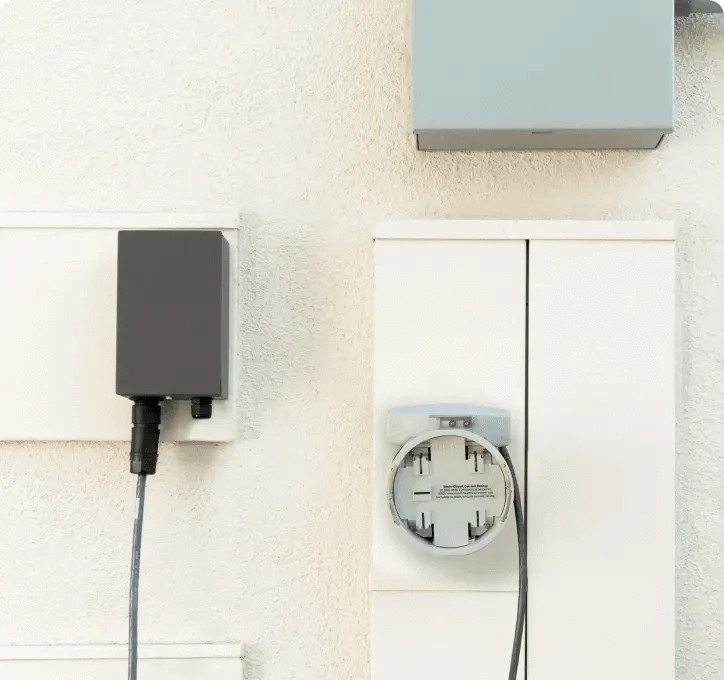
Seasonal adaptation becomes crucial as solar production varies dramatically between summer and winter months.
Install 25-40% additional solar capacity beyond summer calculations to maintain adequate charging during shorter winter days.
Consider adjustable mounting systems or seasonal battery management protocols that reduce non-essential loads during low-production periods, maintaining backup readiness year-round.
Dual-Port Charging Explained
Dual-port charging systems manage simultaneous inputs from solar panels and grid connections through intelligent switching mechanisms that prioritize renewable sources while maintaining backup charging capability.
These systems automatically route solar energy to batteries during daylight hours while keeping grid charging available as secondary support during extended cloudy periods or high-demand situations.
Smart switching algorithms monitor solar production levels and battery state of charge, seamlessly transitioning between input sources without interrupting power flow.
During outages, the system isolates from grid input and relies exclusively on solar charging, while clear weather triggers automatic solar prioritization even when grid power remains available, maximizing renewable energy utilization and reducing electricity costs.
Implementing Your Solar-Powered Backup System
Begin with comprehensive solar input capacity assessment by evaluating your roof’s available space and orientation.
South-facing roofs with 25-degree slopes provide optimal solar exposure, while east and west orientations deliver 85-90% efficiency.
Measure unshaded roof area during peak sun hours (10 AM to 2 PM) to determine maximum panel installation space.
Each kilowatt of solar capacity requires approximately 80-100 square feet of roof space, depending on panel efficiency ratings.
Select batteries specifically designed for solar integration, prioritizing lithium iron phosphate chemistry for superior charge acceptance and cycle life.
Match battery capacity to your essential load calculations—typically 2-3 times your daily consumption to account for cloudy weather periods.
Ensure your chosen batteries feature built-in battery management systems that optimize solar charging cycles and prevent overcharge damage during peak production hours.
Choose inverters with integrated solar charge controllers that handle both DC solar input and AC battery charging simultaneously.
Pure sine wave inverters with MPPT (Maximum Power Point Tracking) technology extract 20-30% more energy from solar panels compared to basic PWM controllers.
Companies like EcoFlow have developed systems that incorporate these technologies into portable power stations, demonstrating how advanced charging algorithms can maximize solar input efficiency in compact designs.
Verify inverter capacity exceeds your peak load requirements by 25% to handle surge demands from motors and appliances.
Professional installation ensures code compliance and optimal system performance, particularly for electrical connections and roof penetrations.
DIY installation remains viable for ground-mounted systems or experienced homeowners, but requires electrical permits and inspection in most jurisdictions.
Factor installation costs at $2-4 per watt for professional services versus potential warranty voids with improper self-installation.
Establish monthly maintenance protocols including solar panel cleaning, battery voltage monitoring, and connection inspection.
Clean panels quarterly or after dust storms to maintain peak efficiency, and monitor battery state of charge weekly during low-solar seasons.
Schedule annual professional inspections to verify system performance and identify potential issues before they compromise backup reliability.
Building Your Energy-Independent Future
Solar input fundamentally transforms home battery backup from passive emergency equipment into active renewable energy infrastructure that operates independently of grid vulnerabilities.
This integration creates genuine energy resilience through continuous solar regeneration, eliminating the finite limitations of traditional backup systems while establishing sustainable power cycles that function indefinitely under favorable conditions.
The environmental advantages extend far beyond emergency preparedness—solar-charged backup systems eliminate fossil fuel dependencies, reduce carbon emissions to zero during operation, and contribute to broader renewable energy adoption.
Economically, these systems eliminate ongoing fuel costs while providing decades of emission-free backup power, creating long-term value that traditional generators cannot match through their operational lifespans.
Solar integration represents future-proof energy resilience that adapts to increasing grid instability while supporting environmental stewardship goals.
As climate events intensify and utility infrastructure faces mounting pressure, homes equipped with solar-powered backup systems maintain comfort, connectivity, and security regardless of external power disruptions.
Start your implementation journey by conducting a comprehensive solar assessment of your property’s capacity and orientation.
Calculate your essential power requirements, research compatible battery technologies, and consult with certified installers to design a system that transforms your home into an energy-independent fortress powered by renewable resources.
