

A plumbing emergency never gives you a warning. One moment, everything feels normal. The next, water is spreading fast, stress kicks in, and you need answers now.
What you do in those first minutes matters more than you think. The right actions can limit damage, protect your safety, and save you money. The wrong ones can turn a small issue into a major repair.
This guide walks you through smart, practical steps so you stay in control when plumbing problems strike.
How to Tell If It’s a Plumbing Emergency
Not every plumbing issue is an emergency. A dripping faucet can wait. A slow drain might annoy you. But some problems demand immediate action.
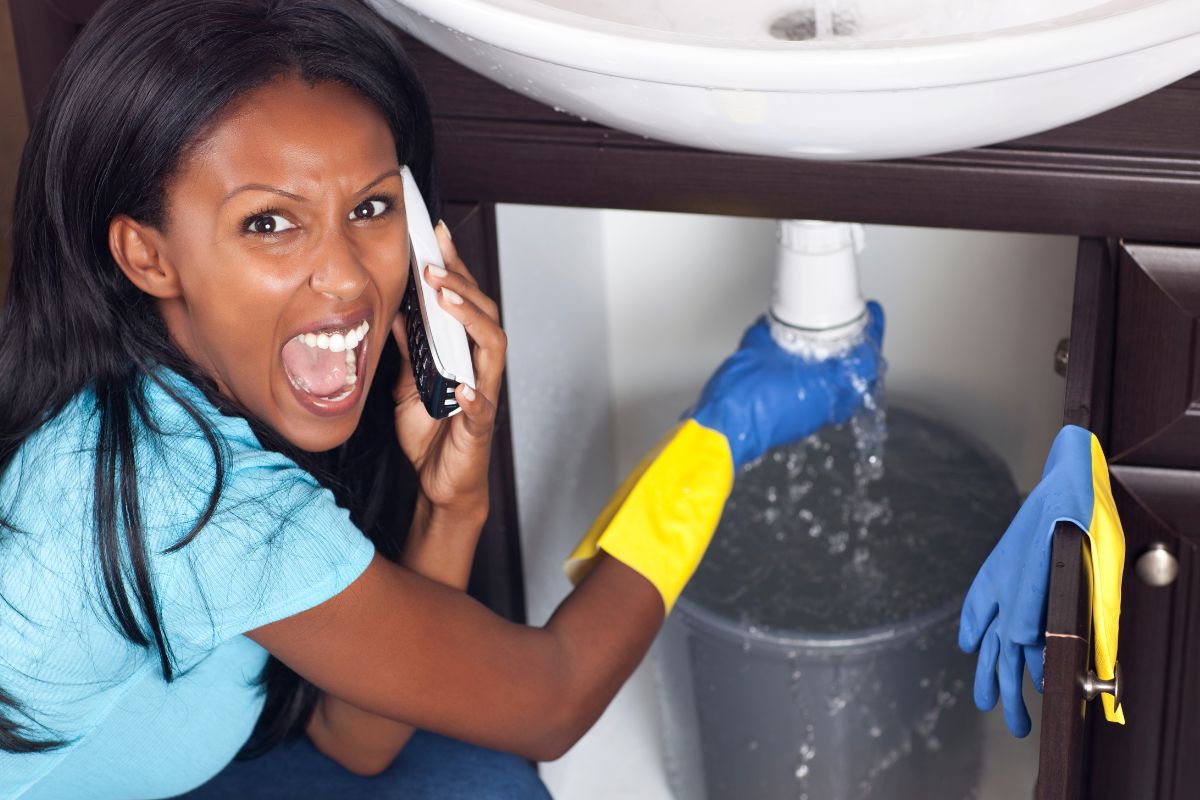
Watch for sewage backups, overflowing toilets, sudden water loss, or pipes gushing water where they shouldn’t. These warning signs often point to system failure, not just surface-level trouble.
Water spreading across floors or seeping into walls is another serious red flag. Any plumbing concern involving contaminated water also calls for immediate attention.
Once you spot the problem, pause for a second. Ask yourself if it could cause fast damage or pose a health risk. If the answer is yes, treat it as an emergency.
At that point, the safest move is to contact a licensed plumber in Lakeway Texas or in your own area as soon as possible. While help is on the way, you can shift your focus to protecting your home.
Shut Off the Water Right Away
Water causes damage fast. It soaks into drywall, makes wood swell, and warps flooring in minutes. The sooner you stop the flow, the less damage you’re likely to face.
Start with the nearest shutoff valve. Toilets usually have one behind the bowl, and sinks often have valves under the cabinet. Turn the valve until it stops the flow of water. If the leak continues, you’ll need to shut off the main water supply.
Most main shut-off valves are located where the water line enters your home. This might be in a garage, basement, crawl space, or utility closet. Close the valve completely using steady pressure. If it’s stuck, avoid forcing it. Older valves can break if pushed too hard.
Once the water is off, open a faucet to release any remaining pressure in the pipes. This helps reduce leaks and gives you a bit more control over the situation.
Cut the Power When Water Is Near Electricity
Water and electricity never mix well. If water reaches outlets, appliances, or electrical panels, take immediate precautions.
Start by turning off power to the affected area from your breaker panel, but only if it’s safe to do so. Use dry hands and stand on a dry surface. If the panel itself is wet, don’t touch it. Step away and wait for professional help.
In cases where the water level is high or you’re dealing with a flooding basement, stay out of the area unless you’re sure the space is safe, especially in homes with complex wiring or backup systems.
Never use electrical devices to remove water. Avoid extension cords, shop vacs, or fans until the area is confirmed dry and safe. Protecting yourself matters more than protecting property.
Minimize the Damage While You Wait
Once you’ve shut off the water and handled any electrical risks, turn your attention to limiting further damage.
Use buckets, towels, or pans to catch drips. Move rugs, electronics, and furniture out of wet areas. If water is pooling, push it toward a drain using a mop or broom.
If the weather allows, open windows to improve ventilation. Airflow helps slow water damage and discourages mold. You can also place foil or plastic under furniture legs to prevent staining.
Avoid cutting into walls or ceilings unless a professional advises you to. Pipes and wires behind the surface can make things more dangerous. Simple containment is the safest approach until help arrives.
Before cleanup goes too far, take clear photos or videos of the affected areas. Documenting the damage helps with insurance claims and gives you proof of the extent of the problem. Keep receipts for any emergency expenses, such as temporary repairs or equipment rentals, so you can submit them later.
Avoid DIY Fixes That Can Backfire
It’s tempting to fix things fast. Tape, sealant, or quick patches might seem helpful in the moment, but in plumbing emergencies, they often do more harm than good.
Temporary fixes can increase pressure inside pipes, hide leaks instead of stopping them, and make professional repairs more difficult. Over-tightening fittings may crack pipes, while chemical drain cleaners can damage your plumbing and create safety risks.
Using makeshift tools to clear a clog can also push the blockage deeper or scratch the pipes. These quick attempts often lead to bigger problems, especially when done in a hurry.
If you’re dealing with pressure issues like banging pipes or fluctuating water flow, it’s best to step back. Some problems, especially those involving underground damage, may require solutions like trenchless pipe repairs, which should always be handled by an experienced plumber.
Prepare Now to Reduce Future Emergencies
Most plumbing disasters don’t happen out of the blue. They usually build up over time, often starting with small, unnoticed issues. Taking a few preventive steps now can reduce your risk and give you more control when something does go wrong.
- Know your shutoff points: Locate all water shutoff valves in your home and make sure everyone knows how to use them in an emergency.
- Schedule regular inspections: A plumber can catch early signs of corrosion, pressure problems, or blockages before they turn into bigger issues.
- Maintain core systems: Stay up to date on septic tank pumping and routine tankless water heater service to avoid avoidable failures.
- Replace aging supply lines: Toilet and sink hoses are small but prone to sudden failure. Replacing them ahead of time can prevent unnecessary leaks.
- Install a sump pump if needed: In basements or flood-prone areas, a sump pump can prevent water buildup from storms or plumbing breakdowns.
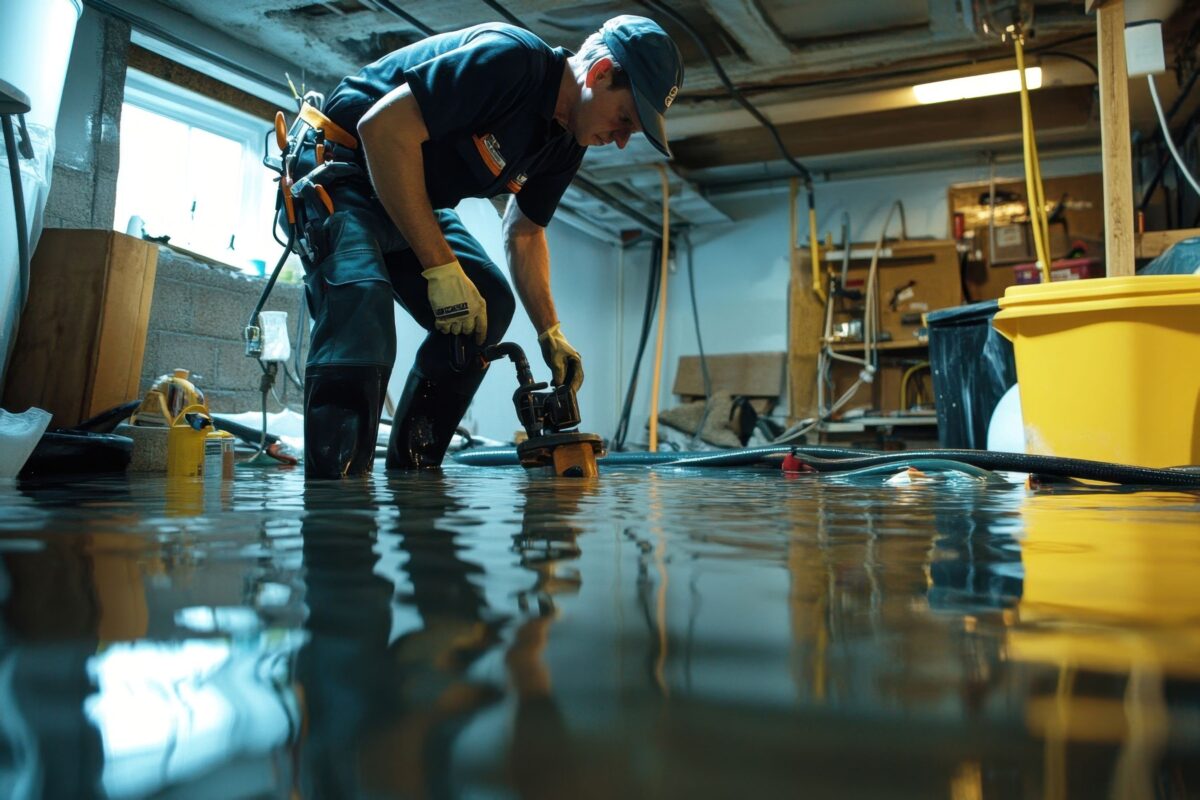
These steps help keep your plumbing system in good condition and reduce the risk of severe leaks or sudden breakdowns.
Still, it’s smart to keep the contact details of a trusted emergency plumbing service visible and accessible in case something unexpected happens.
Final Thoughts
Plumbing emergencies don’t always give you time to think, but being prepared means you won’t have to figure it out on the fly.
Knowing how to respond quickly and safely gives you the upper hand when every minute counts. From shutting off your water to avoiding risky quick fixes, each step you take helps protect your home and peace of mind.
Preparation is more than a backup plan. It’s what turns a potential disaster into a manageable situation.
With the right knowledge and support, you can face any plumbing emergency with less panic, fewer surprises, and greater confidence.
