
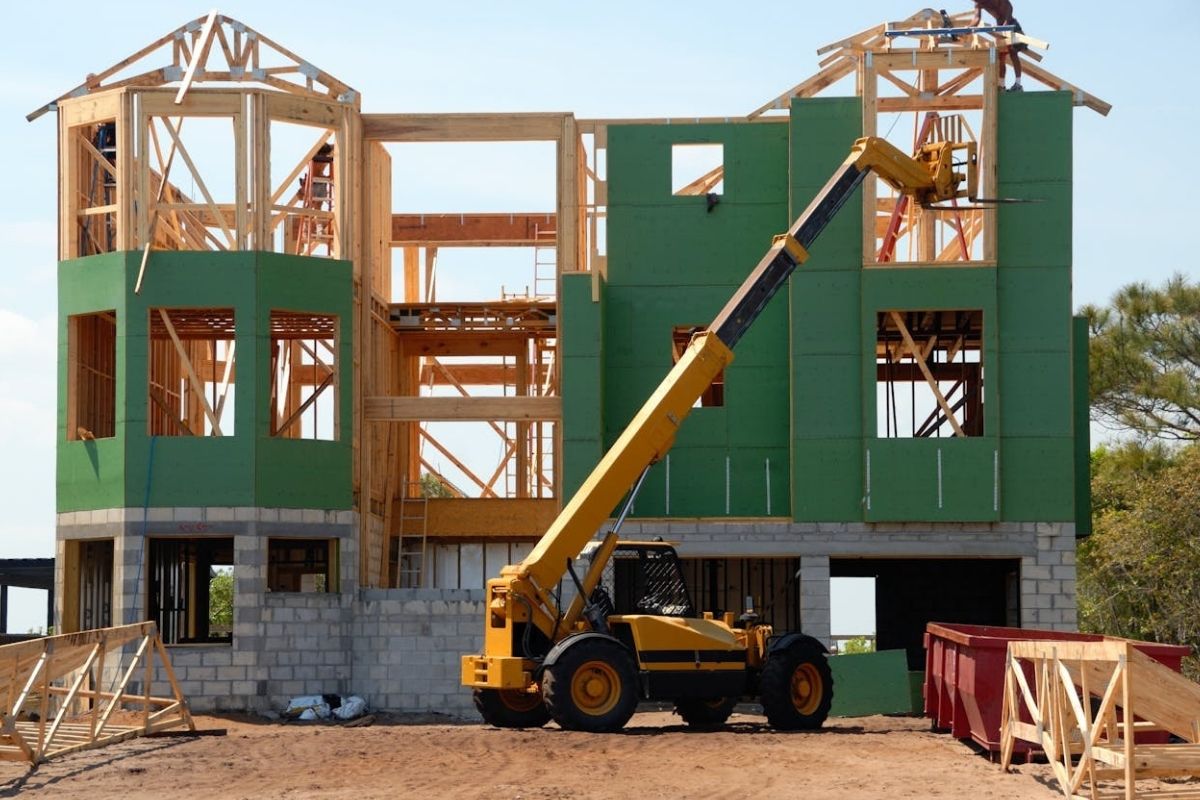
Building a custom home is a strategic investment in your future well-being, financial security, and daily quality of life.
While the initial journey requires more planning than buying an existing home, the long-term dividends that span decades of ownership create undeniable value that standard homes struggle to match.
Here are five compelling reasons why building custom pays off profoundly over the long haul.
Uncompromising Energy Efficiency
Custom homes are specifically designed for optimal energy efficiency from the very beginning. This goes beyond simply improved insulation.
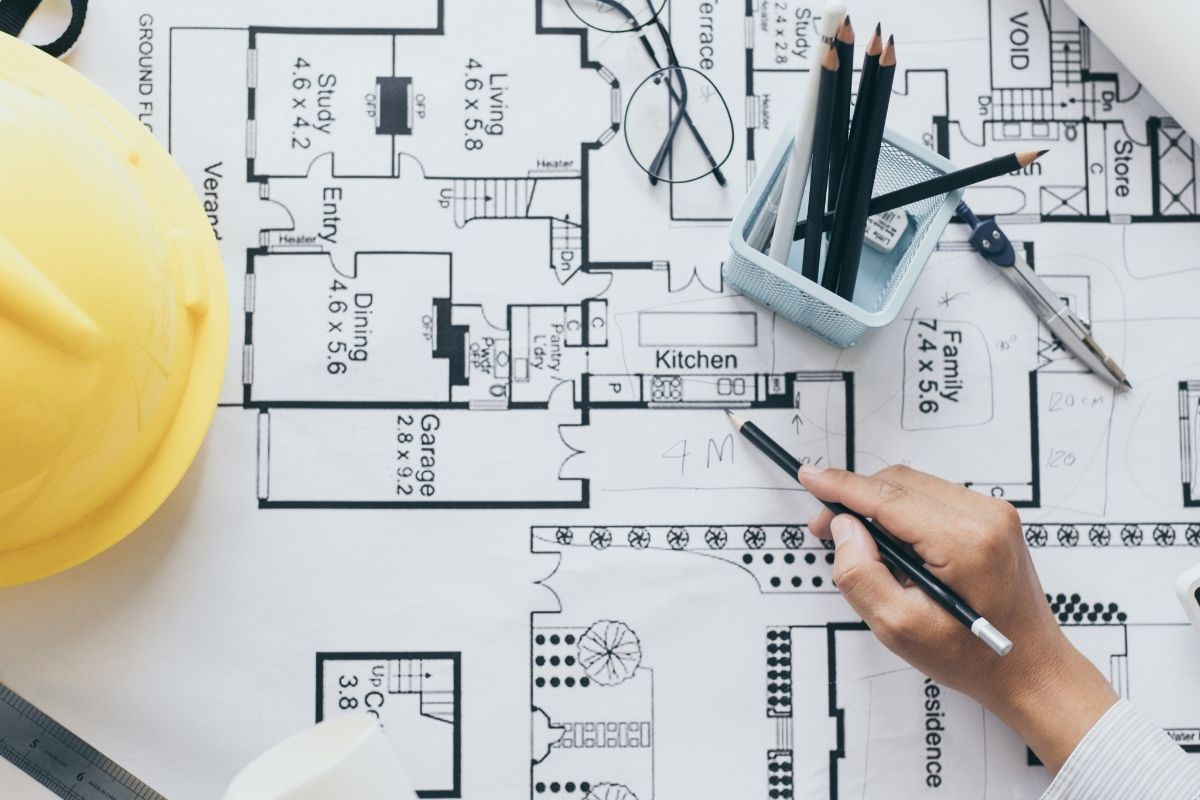
It’s an extensive method that incorporates advanced building science. Buildings with high-performance envelopes, meticulously sealed for air during construction, eliminate drafts and thermal bridging.
Windows are chosen not only for their appearance but also for their U-factors and Solar Heat Gain Coefficients.
It is tailored to your particular climate and orientation. This enhances passive solar gain during winter and reduces heat gain in summer.
High-efficiency HVAC systems are accurately tailored to match the home’s determined load. They frequently integrate heat pump technology and zoned controls. This prevents the inefficiencies associated with oversized units, typically in speculative constructions.
The economic effect is significant and persistent. Custom homes are frequently constructed to high energy standards, such as ENERGY STAR Certification or Passive House guidelines.
This guarantees they attain reduced energy usage in comparison to code-minimum residences.
It also results in thousands of dollars saved each year on utility expenses, savings that accumulate considerably over the years of ownership. Moreover, this effectiveness results in enhanced comfort.
This encompasses stable temperatures, reduced drafts, and quieter functioning. It also improves everyday life throughout the year and offers essential protection against fluctuating energy costs.
Perfectly Tailored Functionality
The essence of luxury custom building is the opportunity to work on creating the home that perfectly fits your lifestyle and vision.
This does away with compromises, bad layouts, and space wastage that usually characterize existing homes. Cooperating with your architect and builder can make your dream a reality.
For example, having a primary suite on the main floor with the expectation of aging-in-place, or even a sound-proofed and special home office to improve productivity.
You can also integrate a sprawling kitchen designed as the true heart of the home for gatherings, or specialized storage solutions integrated into hobby rooms or garages.
This tailored design is about long-term adaptability and avoiding costly future renovations. Thoughtful placement of plumbing chases allows for easier bathroom additions later.
Structural provisions during framing might facilitate a future elevator or attic conversion. Universal design principles incorporated into bathrooms and doorways ensure accessibility for all life stages.
This flexibility means your home can evolve gracefully alongside changing family needs. It increases usability and avoids the interruption and cost of massive retrofits.
Superior Materials and Craftsmanship
The quality of materials does not just influence the enduring worth of a custom home; the expertise of the craftspeople putting them together is also important.
Custom construction focuses on quality materials chosen for longevity. Engineered wood offers straighter, more robust framing, while metal or composite roofs can endure for over 50 years.
Fiber-cement or engineered wood flooring offers the benefit of being refinished several times. These materials outperform budget alternatives by design.
This same level of care extends to craftsmanship. Contractors such as Excel Builders embody this dedication. They maintain the utmost standards, employing elite craftsmen and high-quality materials.
The outcome is careful implementation at each stage and a flawless finish. Framing is exact to enhance structural stability, and flashing elements are skillfully managed to avert water penetration.
Insulation is carefully fitted to remove any gaps. This method minimizes the necessity for regular repairs or premature replacements. It reduces future upkeep and maintains the home’s value and appearance.
Future-Proofing and Technological Integration
An innovative custom home anticipates technological innovations and evolving lifestyle expectations.
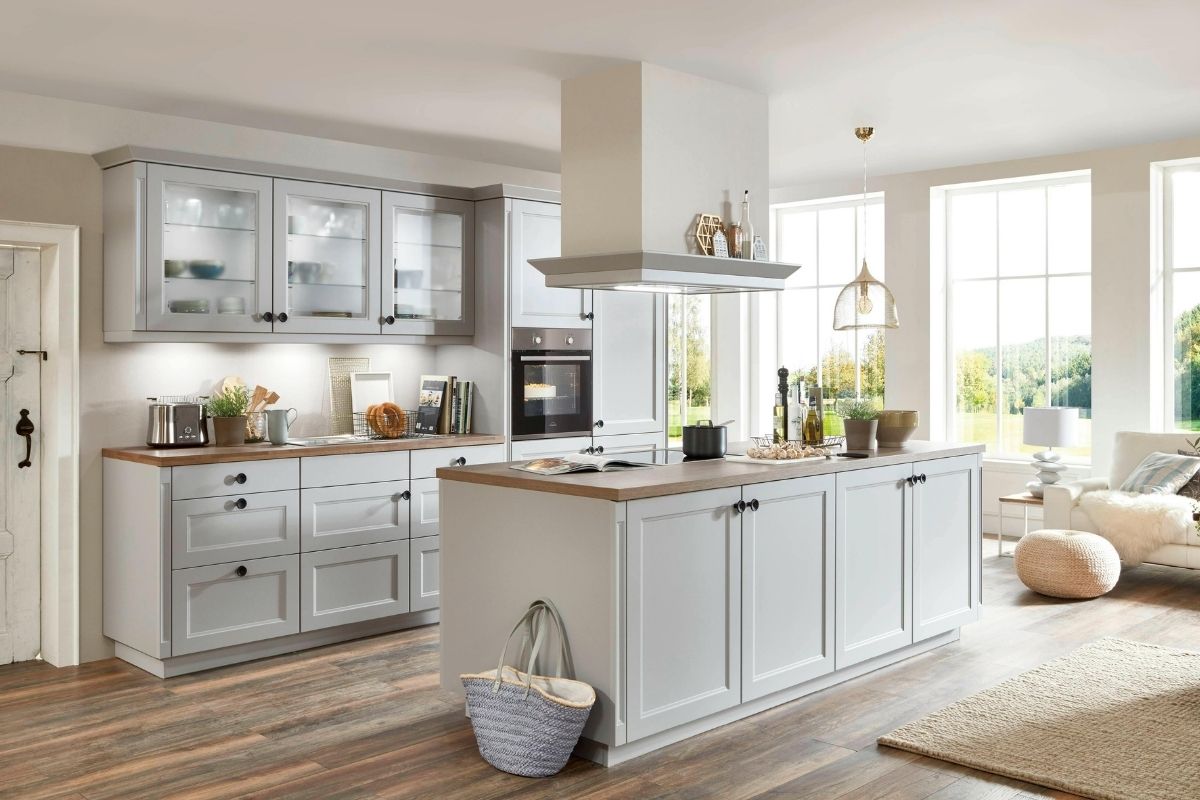
This proactive strategy includes integrating infrastructure during the building process, which is complex or too costly to install afterwards. Extensive low-voltage wiring provides strong connectivity for networking and security systems.
Centralized structured cabling panels enable easy management and enhancements. Dedicated circuits and subpanels can even be pre-installed for electric vehicle chargers in the garage.
Simultaneously, pre-installing pathways for potential solar panel integration or battery storage systems guarantees your home accommodates renewable energy improvements with limited retrofitting requirements.
Apart from wiring, structural factors allow for future flexibility. Creating broader hallways and doorways or preparing an elevator shaft during the initial framing stages offers future accessibility options.
Integrating mechanical systems that can accommodate future enhancements makes integration easier.
Choosing timeless design elements helps your home age gracefully. It ensures it stays functional, current, and appealing for years, without costly, disruptive renovations.
By incorporating versatile spaces in the design phase, rooms can transform as needs shift. For example, a home office can become a wellness studio or multigenerational living space, so your home can stay dynamic with your life.
Enhanced Resale Value and Market Distinction
Although tailored to your personal preferences, a thoughtfully designed and carefully crafted custom home naturally exhibits features that attract a higher price in the resale market.
Astute buyers appreciate and acknowledge the concrete advantages of excellent energy efficiency (recorded utility savings serve as a strong selling factor), outstanding construction quality with robust materials, and practical, well-designed layouts.
The decreased long-term maintenance responsibilities present a notable financial benefit that attracts prospective owners.
Custom homes are often located on thoughtfully selected lots that generally offer better orientation, views, or privacy than lots in standard developments.
They stand out architecturally, providing distinct character and workmanship that mass-manufactured homes do not possess.
This uniqueness draws in buyers looking for quality and uniqueness, frequently resulting in faster sales and greater equity growth than similar tract houses.
The recorded application of quality materials and top-notch construction practices offers tangible proof of worth, warranting a greater price and guaranteeing a strong return on your original investment when the time comes to sell.
Endnote
Building a custom home is a long-term investment that delivers compounding value. Lower energy costs, reduced maintenance, and strong resale potential add up to lasting financial returns.
Just as importantly, a thoughtfully built home provides daily comfort and tailored functionality. Partnering with builders committed to excellence is paramount to fully realizing these long-term benefits.
