

In 2026, value across industries is being reshaped by how quickly new information changes expectations. A company misses guidance and loses billions in market value within hours.
A tech firm releases one product update and moves from irrelevant to dominant. These shifts are not gradual.
They happen as soon as the narrative around performance changes, creating a clean-slate effect, a foundation for something new.
The same pattern may show up in sport, where selection and performance are often tied to context rather than raw ability.
For example, a recent Rashford situation update pointed to a clean slate under new management, where previous issues are set aside, and players are judged on what they can deliver now. The player has not changed. The criteria have.
Real estate is moving through a similar adjustment. Assets are no longer evaluated based on what they achieved under different financing conditions or demand cycles.
They are being judged on current income, current use, and whether they still fit the actual space needs.
In this type of market, value does not decline evenly. It gets reassigned based on what still works. Accordingly, it would be interesting to take a closer look.
Why this is not a recovery but a market reset
This market is not “coming back.” It is filtering assets based on relevance.

Mortgage rates, which have stabilized around 6%, have removed flexibility from deals. Financing no longer compensates for weak fundamentals. Every investment must now stand on its own.
That shift is forcing a clear separation between assets that generate real value and those that rely on favorable conditions.
The result is a three-way split. Some assets continue to perform, others require repositioning, and a growing portion no longer fits current demand. This sorting process defines the market more than price movement itself.
Where value is actually moving in 2026
Capital is not exiting real estate. It is concentrating in specific areas where demand is clear and measurable.
Data centers are redefining what “prime location” means
Data centers have moved from a niche investment to a core allocation. Demand is driven by artificial intelligence, cloud systems, and continuous data processing.
The definition of a strong location has changed. Instead of proximity to city centers, value now depends on access to power, grid stability, and connectivity infrastructure.
Land near energy sources can outperform traditional urban assets because it supports long-term expansion.
This is a structural shift. Real estate is no longer tied only to physical occupancy. Digital demand is now a major driver of value.
Senior housing is becoming a stability-driven investment
Senior housing is gaining attention because its demand is predictable. It is driven by demographic trends rather than market cycles.
An aging population creates a consistent need for assisted living and specialized housing. Unlike other sectors, this demand does not fluctuate based on short-term economic conditions.
Investors are reallocating capital toward assets that offer long-term stability instead of relying on price growth. This reflects a shift in priorities from upside potential to reliability.
Office space is no longer one category
The office sector has split into two distinct markets. High-quality buildings with flexible layouts and strong locations continue to attract tenants.
These assets maintain occupancy and stable income. In contrast, older office buildings without adaptability face persistent vacancy and declining relevance.
Two properties in the same city can now perform completely differently. The difference is not timing. It is functional. This gap shows how the reset is affecting valuation across the same asset class.
Repricing is creating opportunity, not collapse
The expected wave of forced selling has not materialized. Instead, the market is adjusting gradually.
Owners are restructuring loans and holding assets longer. Buyers are applying stricter criteria and rejecting deals that do not work under current conditions. This creates a more selective investment environment.
Lower prices alone do not define opportunity. An asset must have a clear path to demand or repositioning. Without that, a discount reflects limitation, not potential.
Office-to-residential conversions: the clearest reset example
The strongest opportunities in 2026 come from changing how assets are used.
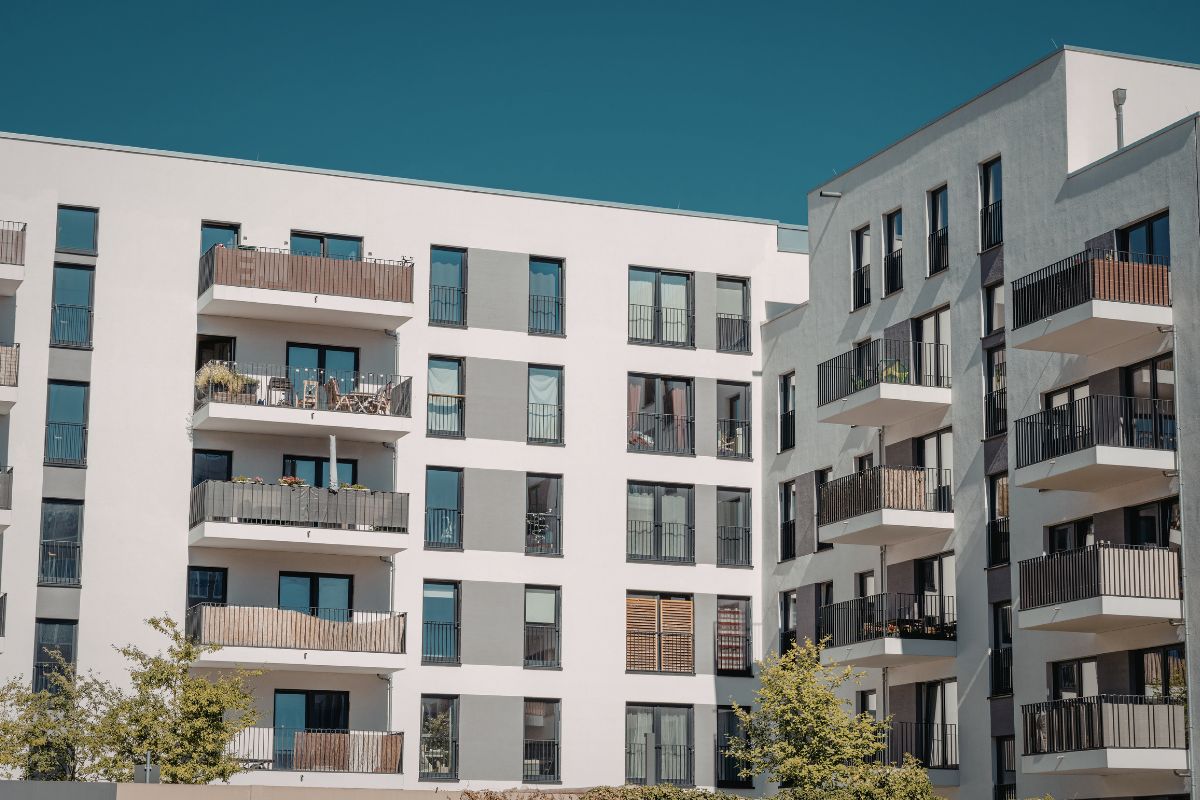
25 Water Street, New York
A former office building has been converted into more than 1,300 residential units. This is not a recovery of office demand. It is a complete shift in function.
The success of this type of project depends on:
- building layout and depth
- window access for residential units
- zoning flexibility
- financial feasibility
When these factors align, the asset gains a new identity instead of waiting for the old one to return. This is the clean slate effect in practice.
Why location matters more than ever
Not all markets are adjusting at the same speed.
Dallas-Fort Worth as a leading example
Dallas-Fort Worth continues to attract investment due to strong population growth, business expansion, and development activity. These factors support both residential and commercial demand.
Markets with similar characteristics are maintaining momentum, while slower-growth regions face weaker demand and more aggressive repricing. The reset is uneven, and location has become a primary factor in performance.
Residential investing has shifted toward fundamentals
The housing market is stabilizing, but expectations have changed.
With borrowing costs remaining elevated compared to previous years, investors are focusing on immediate performance rather than future assumptions. Deals must generate income under current conditions.
This shift favors:
- rental-driven properties
- smaller multifamily assets
- markets with steady demand
The strategy has moved away from speculative appreciation. Stability and cash flow now define strong investments.
What defines a real opportunity in a reset market
Not every discounted property qualifies as an opportunity. A strong investment in this environment meets specific criteria.
Mispriced perception
The asset is still being evaluated based on outdated assumptions.
Clear demand driver
There must be a visible reason for future demand, such as digital infrastructure needs, demographic changes, or housing shortages.
Execution feasibility
Zoning, financing, and operational requirements must support the investment strategy.
Timing advantage
The opportunity exists before broad market recognition. Once demand becomes obvious, pricing adjusts quickly.
Examples include land suitable for data center development, senior housing in underserved areas, office buildings with viable conversion potential, and residential properties that perform under current financing conditions.
The key mistake: expecting the old market to return
A reset is not a pause. It is a transition.
Investors who expect previous conditions to return risk misjudging asset value. Some sectors will recover, but others will continue to lose relevance. The difference lies in whether they align with current demand.
The market is no longer driven by broad trends. It is shaped by specific use cases, functionality, and long-term viability.
