
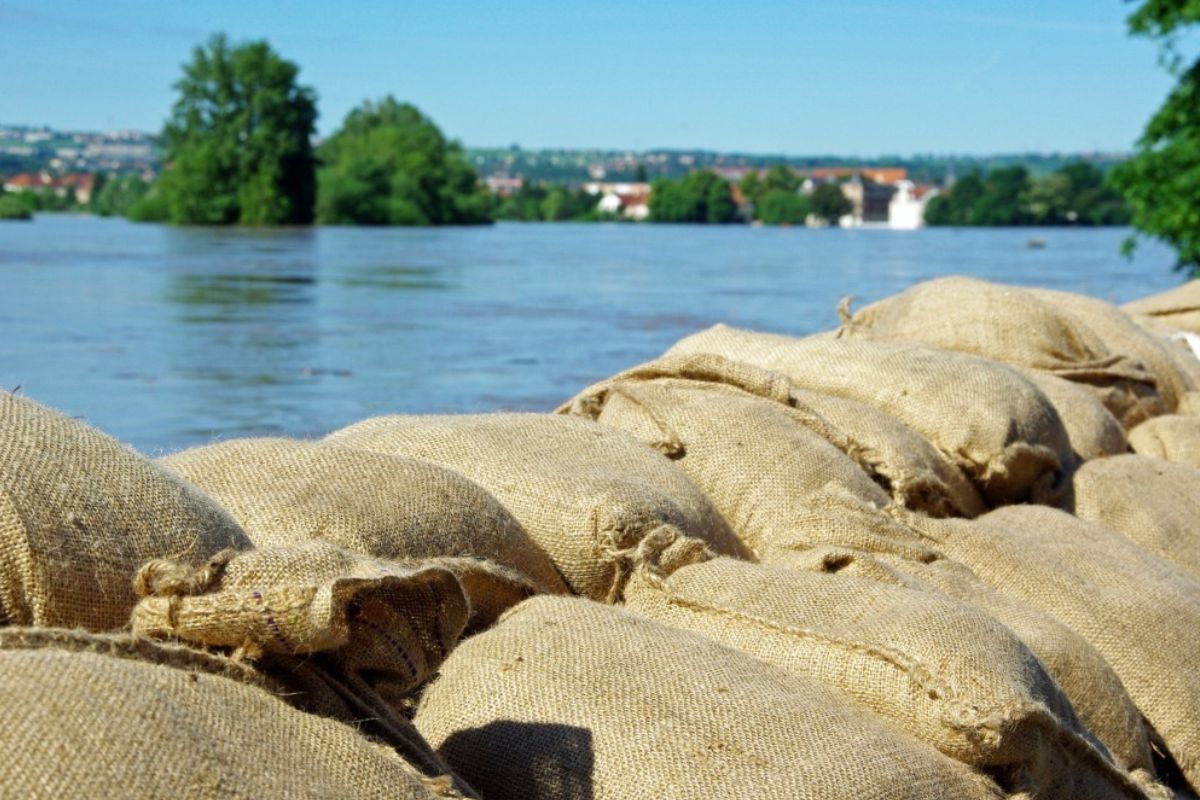
Floods are striking more often and with greater intensity. Heavier rainfall, swelling rivers, and overwhelmed city drains have become common headlines. Communities need affordable, fast, and proven-effective flood control solutions.
Among all the tools available, woven sand bags remain unmatched. They may not be flashy, but they’ve stood the test of time.
Their strength, flexibility, and practicality make them the top choice for protecting people and property when floods hit.
Affordability and Accessibility: Flood Protection for All
One of the biggest strengths of woven sand bags is cost. They’re far cheaper than advanced flood barriers or pumps, yet deliver immediate protection.
For large-scale projects, purchasing sandbags bulk from trusted manufacturers rather than in smaller quantities is often more cost-effective. High-quality bags also come in various easily visible colors to ensure they’re seen even at night.
Accessibility matters too. Woven sand bags don’t require special equipment or training. Anyone can fill and place them with just sand or soil.
This affordability and simplicity make them a vital resource. Wealthy cities and smaller towns alike can use the same tools for emergency preparedness on equal footing.
Durability That Outlasts Traditional Materials
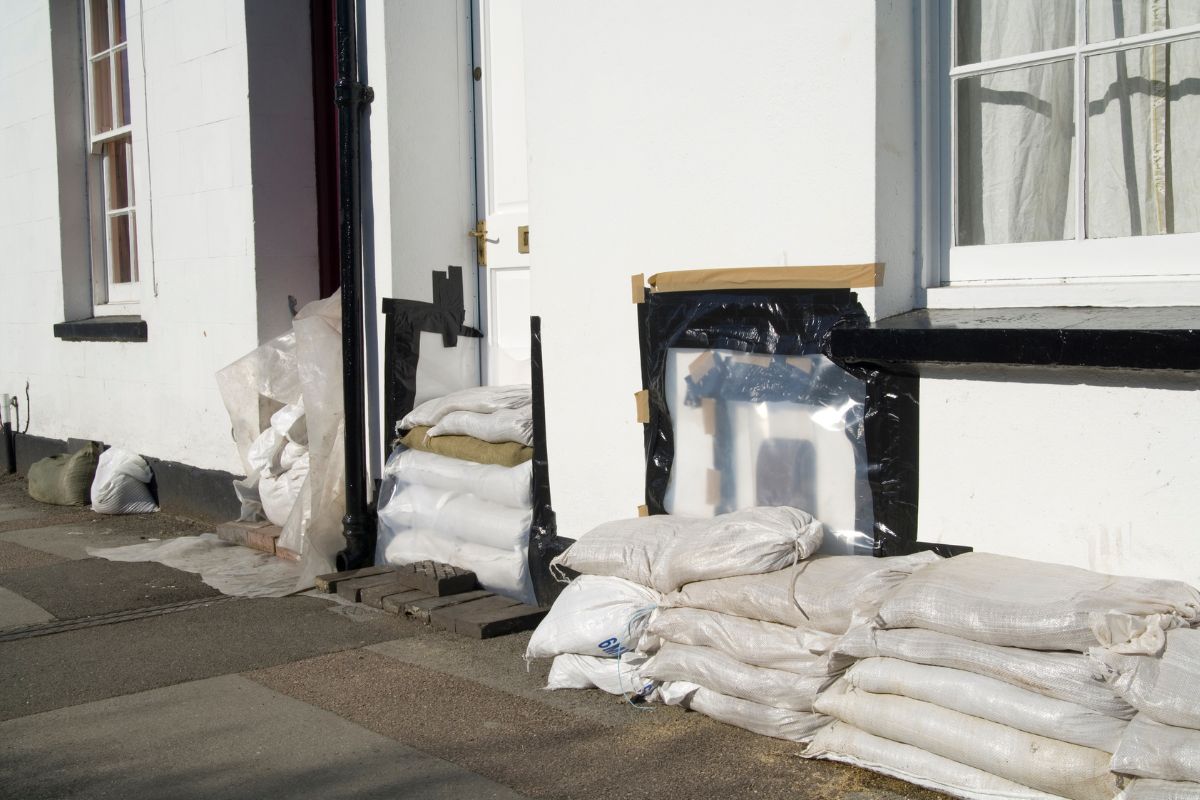
While cost is critical, it wouldn’t mean much if the bags didn’t hold up under pressure. Woven polypropylene sand bags with tie cords are far stronger than older burlap options.
They can handle the weight of heavy fills without tearing and resist mold or rot when exposed to damp conditions for extended periods.
Unlike thin plastics that fall apart in sunlight, woven polypropylene is made to last. The bags can sit in storage for months without losing effectiveness. In some cases, they can even be reused across multiple flood seasons. Strong materials mean communities don’t need to keep replacing supplies. Sand bag walls also stay firm when pressure is at its worst.
Rapid Deployment and Flexibility in Crisis
Flood emergencies demand speed. Water levels can rise in hours, leaving little time to set up large-scale barriers. Woven sand bags are designed for situations like this.
They can be quickly filled with local soil or sand, meaning communities don’t need to rely on external materials during an emergency.
The way they can be arranged also adds to their value. A line of polypropylene fabric sand bags can divert water from homes, while layered stacks can act as makeshift levees along roads.
The solution works for many homeowners. It helps even those who already carry flood coverage through insurance policies.
They can guard important sites such as water plants, power stations, and other critical facilities.
The fact that ordinary volunteers can use them immediately is one of the strongest arguments in favor of keeping them stocked and ready.
Customizable Applications Beyond Flooding
Flooding might be the most visible use, but woven sand bags are far more versatile. Sand bags are also used for erosion control along rivers and coastlines, helping keep unstable ground in place.
In hilly regions, they help prevent landslides by reinforcing slopes. In military zones and construction sites, sand bags serve as barriers and temporary reinforcements.
This range of applications means investing in woven sand bags is rarely wasted. Communities can use them throughout the year, not just when floods strike. Their adaptability gives them a practical edge over more specialized barriers that serve only one purpose.
Space-Efficient Storage and Transport
Being prepared for floods isn’t just about having the right tools and storing and moving them efficiently. Woven sand bags shine here as well.
When empty, they’re lightweight and compact, which makes bulk storage easy. Large numbers can be stockpiled in warehouses, community centers, or even small storage sheds without taking up much space.
Transport is equally straightforward. Trucks can move thousands of unfilled bags at once, ready to be distributed to where they’re needed most.
Once on-site, all that’s required is filling them with locally available material. Prefabricated barriers often need cranes or special transport. Woven polypropylene sand bags are far easier to move and place exactly where needed.
Eco-Conscious Advantages When Used Thoughtfully
Concerns about single use plastics are valid, but woven sand bags offer advantages that are often overlooked. Their strength means they don’t have to be replaced as often, which reduces overall waste.
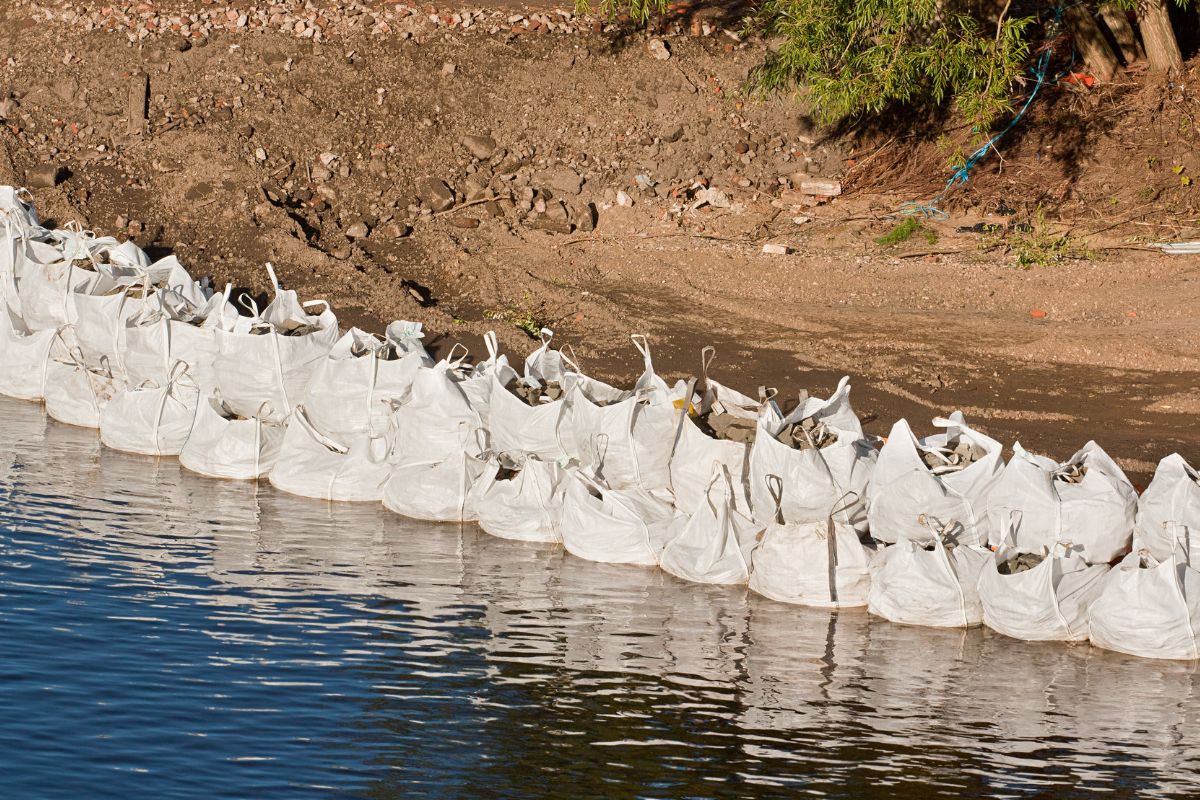
Some manufacturers now offer biodegradable jute fiber bags, giving buyers a greener choice without losing strength.
Even after serving their primary purpose, sand bags don’t always have to be discarded. After floods, sand bags can be reused in landscaping, construction fills, or even soil stabilization projects.
This extended usefulness turns what might be seen as disposable into a resource with multiple life cycles.
Proven Effectiveness Backed by Centuries of Use
The simple concept of filling a bag with soil or sand to block water has existed for centuries. That kind of track record is hard to argue with. Although the materials have improved over time, the idea has stayed simple, practical, and reliable.
Modern woven polypropylene has made sandbags stronger, lighter, and longer-lasting. Complex flood defenses can fail because of cost or upkeep, but woven sandbags keep working because they avoid those problems.
Adaptation to Climate-Resilient Infrastructure Planning
As climate change increases flood intensity and frequency, woven sand bags are finding new roles in long-term planning.
Cities now stage them alongside more permanent defenses as part of a layered approach to flood control. They act as the flexible, mobile layer that can be deployed where permanent structures can’t reach.
Some urban planners are even integrating woven bags into green infrastructure strategies. For example, they can redirect stormwater into designated collection areas, reducing the load on city drains.
In this way, woven sand bags aren’t just an emergency stopgap but a tool that fits into broader climate adaptation frameworks.
Community Empowerment and Psychological Reassurance
One aspect of flood control that often gets overlooked is the human side. When floods threaten, communities can feel powerless. Woven sand bags change that dynamic.
People can come together, fill bags, and build defenses with their own hands. That shared effort brings a sense of control at a time when so much feels uncertain.
A visible wall of woven bags also lowers stress and gives communities confidence during uncertain times. In disasters, psychological stability can be as important as physical protection.
Conclusion
Woven sand bags combine affordability, strength, and adaptability, making them the gold standard for flood control.
They don’t rely on advanced machinery, complex systems, or huge budgets. Instead, they provide an accessible solution that anyone can deploy quickly and use.
In an era where floods are becoming more frequent and severe, woven sand bags remain a trusted tool for communities worldwide.
Their relevance proves that a simple tool can be the most effective, especially when lives and property are on the line.
