
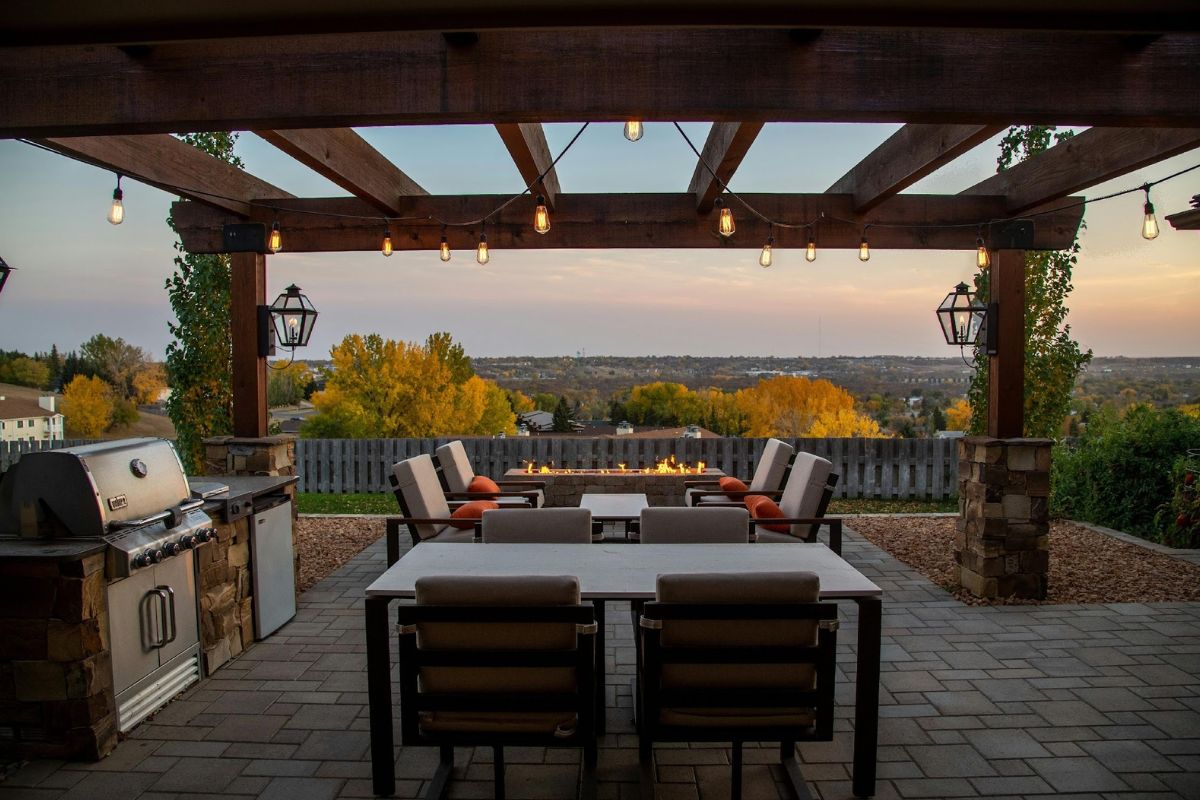
For a long time, the approach to outdoor furniture was fundamentally different from the one applied to anything inside the house.
Inside, you measured carefully, considered proportions, and thought about how pieces would hold up over years.
Outside, you bought whatever was on sale at the end of the season, accepted that it would fade, and replaced it eventually.
That gap has been closing and today it’s nearly gone.
The Outdoor Room Is Having Its Moment
The numbers behind this shift are hard to ignore.
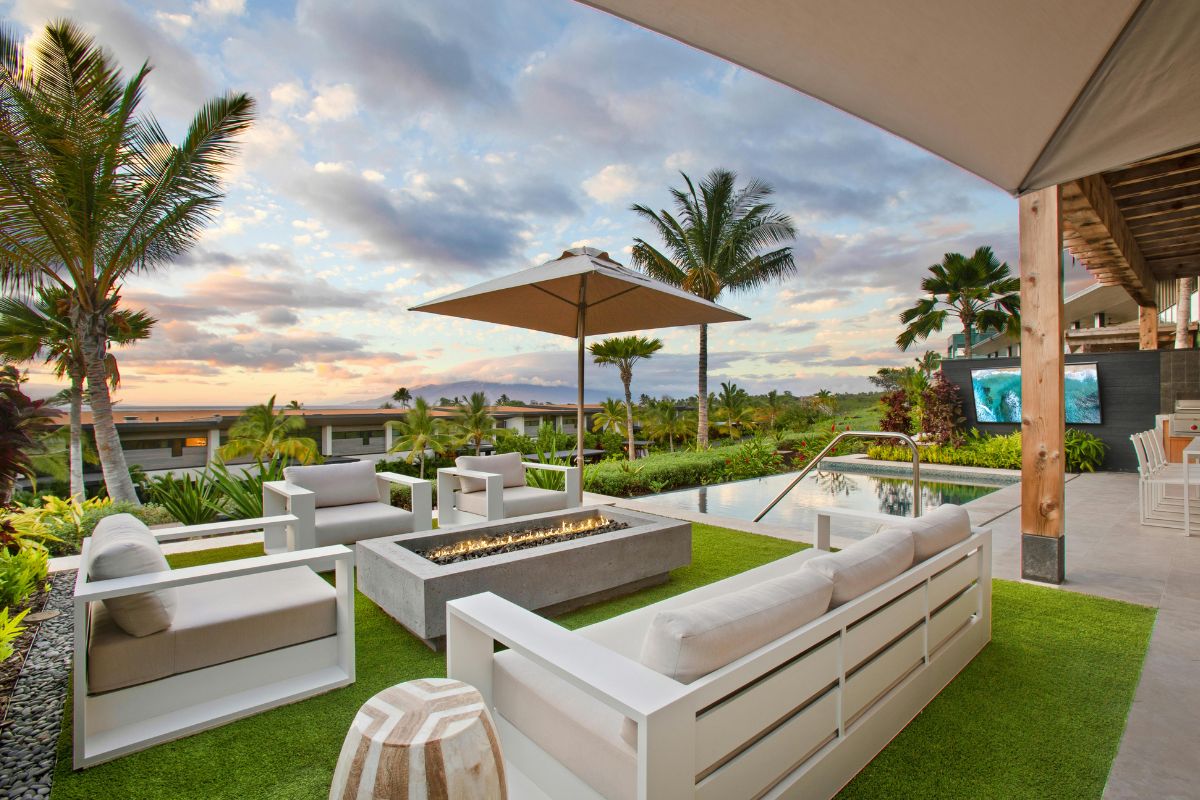
A 2024 survey by the International Casual Furnishings Association found that 94% of homeowners say they would spend more time outdoors if their outdoor space were more inviting — a finding that suggests the barrier to outdoor living is the space itself.
And according to Houzz Research, the top three reasons homeowners renovate outdoor spaces are improving aesthetics (51%), enhancing entertainment space (37%), and extending the living space of their homes (33%). That third reason is the most telling: people see their patios as another room.
If homeowners were to remodel, 63% said they would prioritize investing in an outdoor living space, according to Brown Jordan Outdoor Kitchens research — outpacing kitchen renovations, bathroom updates, and most other categories. The outdoor space has become the home improvement people most want to make.
The Indoor-Outdoor Coherence Shift
The design principle driving most of this investment is one that interior designers have been articulating for several years and that homeowners are now broadly applying: the outdoor space should feel like a continuation of the home’s interior.
Indoor-outdoor coherent design is the biggest outdoor living trend in recent years, according to 56% of industry professionals surveyed by Fixr — meaning furniture choices, color palettes, and materials should create a visual and experiential thread from the inside of the home to the outside.
When you step from the living room to the patio, the quality of the space shouldn’t drop and the transition should be seamless, connecting the aesthetic integrity of the space.
This coherence principle has practical implications for how outdoor furniture should be chosen. Pieces that hold their own aesthetically — clean lines, considered proportions, materials that age with character rather than deteriorating — are the ones that serve the indoor-outdoor design goal.
Pieces chosen purely for price or convenience tend to interrupt it since aesthetics is a secondary or tertiary motive.
What the Best Outdoor Furniture Is Made From
Material choice is where outdoor furniture decisions most commonly go wrong, because the constraints of the outdoor environment are genuinely different from indoors and the penalties for ignoring them are unyielding.
The best outdoor furniture materials share three qualities: weather resistance, low maintenance requirements, and the visual weight to anchor a space that often has no walls defining it.
In recent years, natural and organic materials are leading outdoor design — teak, rattan, and similar options chosen for their ability to blend with the natural environment while providing durability and weather resistance. These materials look deliberate in an outdoor setting in a way that synthetic alternatives rarely do.
A patio set that holds up for a decade — retaining its structure, resisting the effects of sun and moisture, continuing to look like it was chosen rather than inherited — is a categorically different proposition from one that needs replacing every few seasons.
Designing an Outdoor Space That Actually Functions
The most common mistake in outdoor furniture buying is treating the outdoor space as a secondary concern — shopping for it after everything inside has been addressed, with whatever budget and attention remains. If the patio was an afterthought, it’s going to look like it.
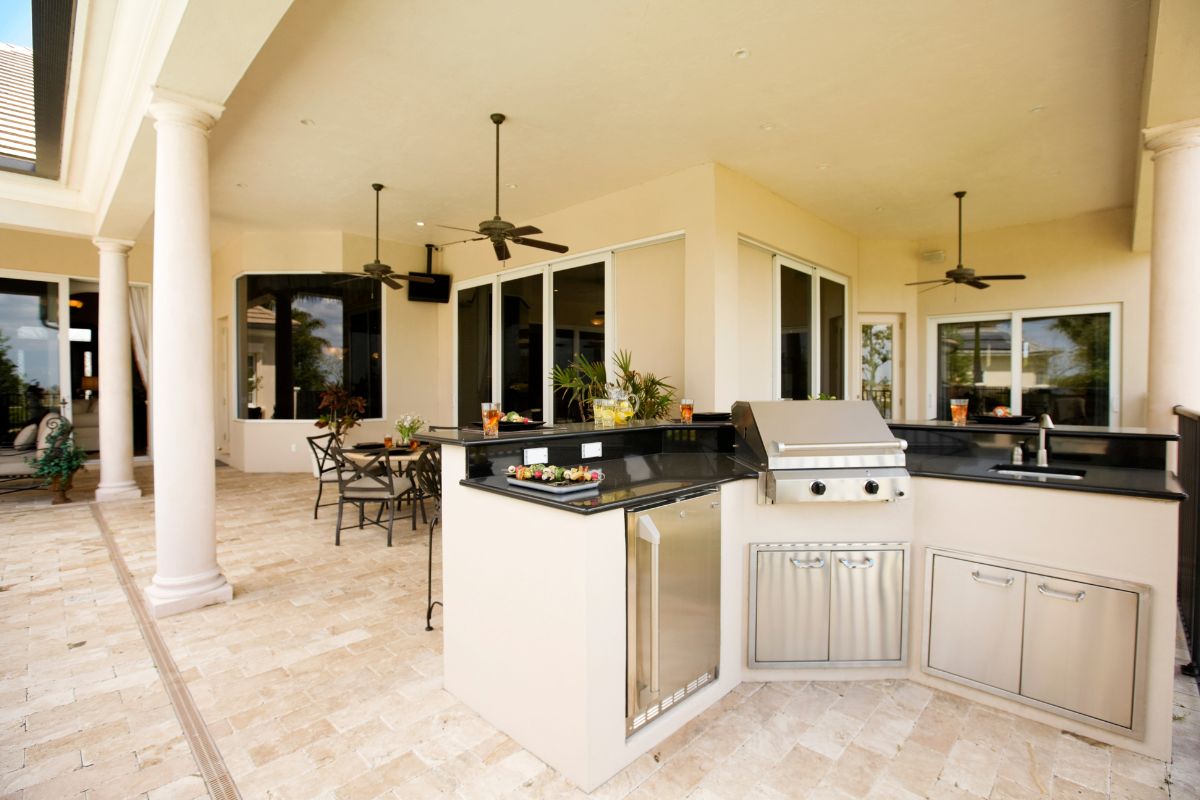
The remedy is to apply the same planning framework to the outdoor room as to any interior one. That means:
Starting with the footprint. Outdoor furniture can be deceptive at scale — a dining set that looks proportionate on a showroom floor can overwhelm a modest patio or float ineffectively on a large one. Measuring the space first, considering how much clearance is needed for comfortable movement and for access to doors and pathways, prevents the most common sizing errors.
Anchoring with a seating zone. Full outdoor living rooms — sectional sofas, throw pillows, entertainment setups that make a patio feel like a furnished indoor room — are among the most desired features homeowners are adding to outdoor spaces. A well-chosen outdoor sofa or seating set is what transforms a patio from a transit zone between the house and the yard into a place people actually choose to spend time.
Thinking about evening as much as afternoon. An outdoor space that works only in daylight is half a room. Lighting, weather coverage, and furniture that remains comfortable and visually appealing into the evening hours significantly extends the hours — and the seasons — during which the space gets used.
The Room You Already Have
Most homes have an outdoor space that’s being underused. A patio that gets cleared off for the occasional gathering, then ignored between them.
A backyard with chairs that were moved out of the garage and never quite arranged into a real seating area.
The right outdoor furniture, chosen with the same intention and design intelligence applied indoors, does for a patio what a well-chosen sofa does for a living room: it defines the space, invites people in, and gives the room a reason to be used every day rather than on special occasions.
