
The average homeowner underestimates annual maintenance costs by exactly $3,500. You buy a property assuming the monthly mortgage is the absolute ceiling of your housing expense. It isn’t.
The mortgage is just the baseline. A single-family home demands continuous, aggressive capital injection to simply maintain its current valuation.
Systems age. Materials degrade. Physics always wins. If you aren’t explicitly allocating 1% to 4% of your property’s value annually for unglamorous structural upkeep, you are actively destroying your equity.
What Exactly Does Deferred Maintenance Cost the Average Homeowner?
Homebuyers lie to themselves constantly. They defer a $500 gutter repair. Six months later, the foundation shifts.
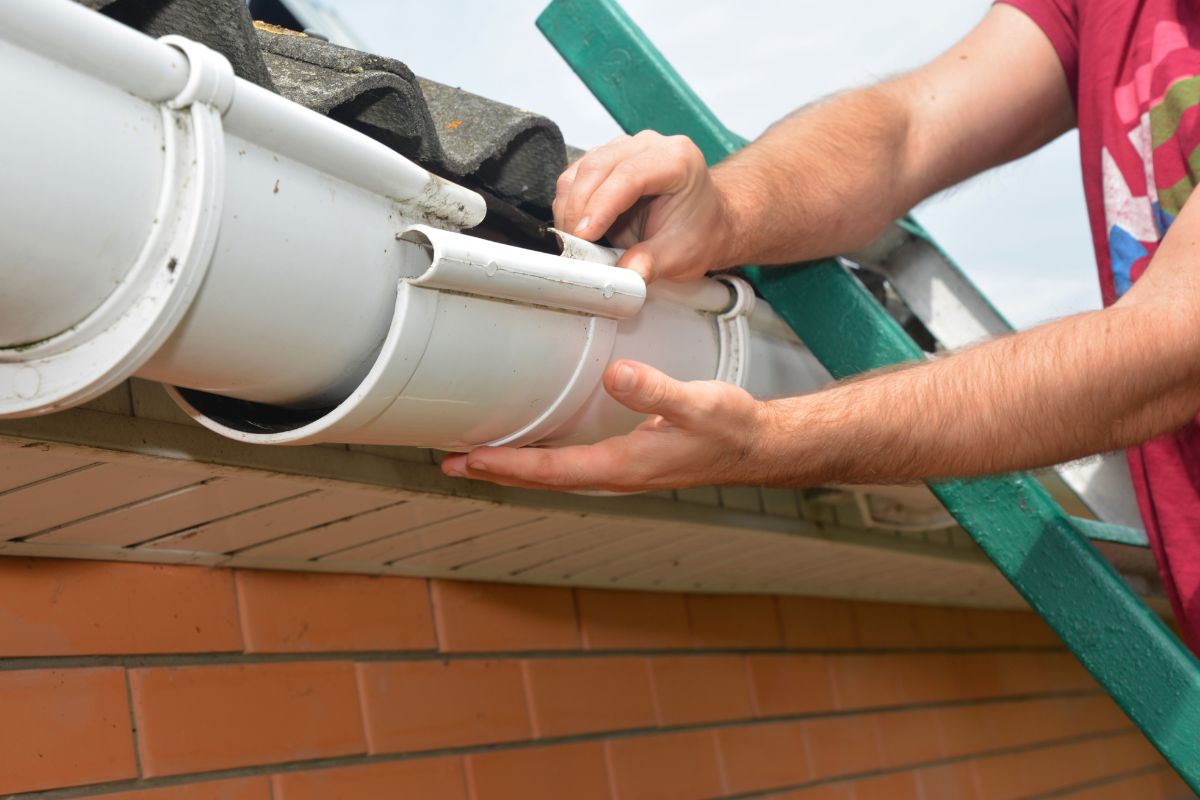
Water pools where it shouldn’t. Hydrostatic pressure builds aggressively against the concrete slab. Suddenly a basement wall bows inward.
Fannie Mae data is brutally clear on this. Every dollar you refuse to spend on preventative maintenance today forces you to spend four dollars tomorrow.
Look at the compounding effect of rot:
- Minor siding gap: $150 in caulk and labor to fix.
- Ignored for one winter: Moisture enters the sheathing.
- Year two: Termites find the damp wood.
- The final bill: $8,500 for structural remediation and pest control.
People treat their houses like magical piggy banks that only go up in value. Real estate appreciation is heavily offset by the physical depreciation of the asset itself.
You are constantly fighting entropy. You either pay the maintenance toll, or the house rots around you.
How Do Roofing Failures Trigger Catastrophic Interior Damage?
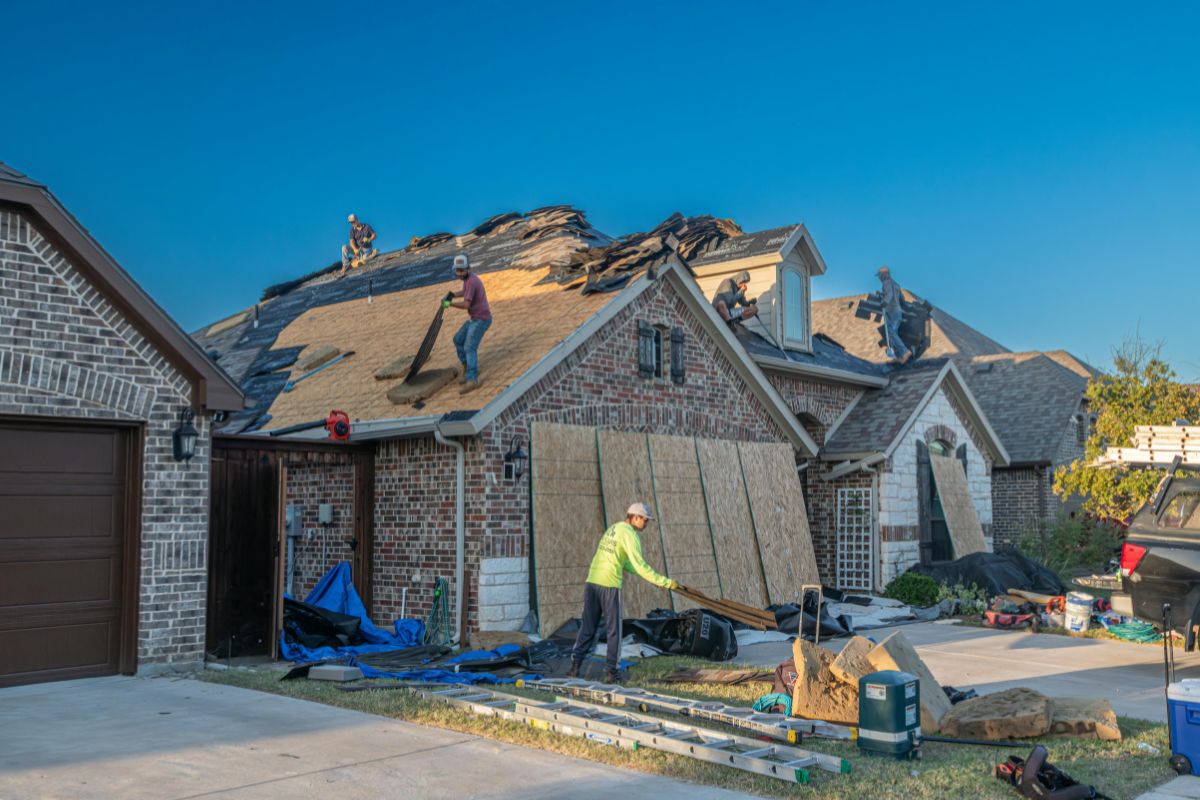
The roof is the only thing standing between your drywall and the atmosphere. Most homeowners don’t look up.
They wait for a visible water stain on the bedroom ceiling. By the time drywall turns brown, the battle is already lost.
Water intrusion follows the path of least resistance. It starts at a compromised flashing joint near the chimney. It runs down the rafters. It saturates the fiberglass insulation.
Saturated fiberglass possesses an R-value of effectively zero. This immediately spikes your winter heating bills by 20% to 30%. Then the water hits the ceiling joists.
It is a biological reality. Mold spores need exactly 24 to 48 hours in a damp environment to germinate. Black mold abatement is not a DIY weekend project. You are hiring men in hazmat suits.
The national average for a severe mold remediation project sits at roughly $4,500. This assumes they don’t have to rip out the HVAC ductwork. If spores enter the forced-air system, the entire house becomes contaminated.
What Are the True Financial Mechanisms for Handling Property Emergencies?
Cash is king until you need it for liquidity. Dropping $20,000 in liquid reserves on a mandatory structural fix is a mathematical error if you hold other high-yield investments.
You drain your emergency fund. The next day the transmission in your car explodes. You are left entirely exposed.
Putting massive capital expenditures on a standard credit card at 24% APR is financial suicide. It turns a temporary structural problem into a decade-long debt anchor.
Sophisticated property owners understand the cost of capital. They use specialized debt to protect their cash position.
When staring down a major exterior overhaul, utilizing roof replacement financing allows you to spread the capital expenditure across a 60-month term at a fixed, predictable rate.
Fixed debt in an inflationary environment mathematically benefits the borrower. The dollars you pay back in year five are worth significantly less than the dollars you borrowed in year one.
Consider the options carefully:
- HELOCs: Offer access to massive equity. They also carry variable rates. Dangerous if the Federal Reserve hikes.
- Unsecured Personal Loans: Fast funding. Heavily dependent on a FICO score above 720.
- Cash-Out Refinance: Idiotic if you hold a legacy sub-4% primary mortgage rate.
How to Choose Contractors Without Getting Fleeced?
The home improvement industry is a notoriously unregulated swamp. Low barriers to entry mean anyone with a pickup truck and a magnetic decal can call themselves an operator.
You cannot rely on online reviews. Astroturfing is rampant. Bad actors buy Google reviews in bulk from click farms in developing nations.
You vet a contractor by demanding their certificate of insurance directly from their broker. Not just general liability. Workers’ compensation.
If a roofer falls off your second-story eaves and the contractor lacks workers’ comp, the injured worker’s attorney will sue you personally. Your homeowners insurance might not cover gross negligence in hiring unlicensed labor.
Ask these exact questions immediately:
- Do you use subcontractors, or W-2 employees?
- Who pulls the municipal permits?
- What is the exact timeline for materials delivery?
If the contractor asks you to pull the homeowner permit, fire them on the spot. They are dodging municipal liability. Never hand over 50% upfront.
Handing over massive deposits is begging to be robbed. Keep the initial deposit to 10% or $1,000, whichever is less. If they need your money to buy materials, they are financially insolvent. Do not fund their cash flow problems.
What Are the Real Costs of HVAC Failure in Extreme Weather?
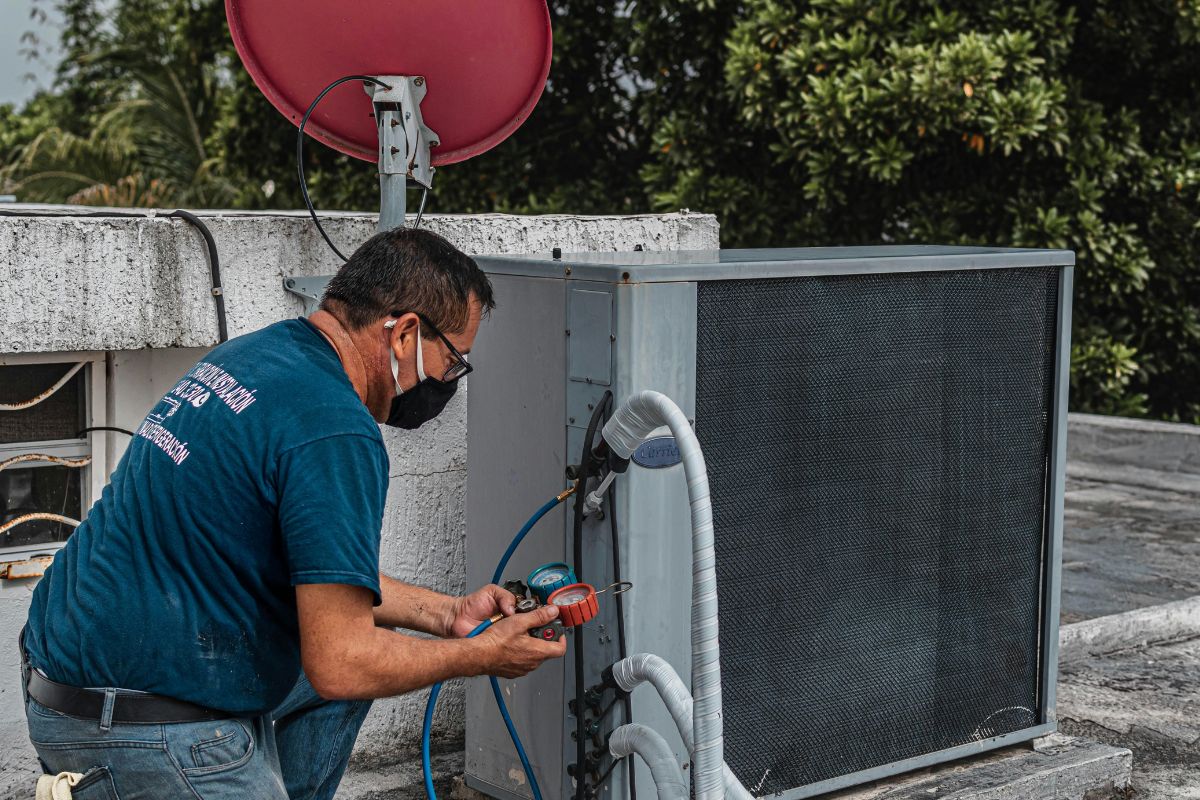
Air conditioning is not a luxury. In modern hermetically sealed homes, it is a life support system. When an HVAC unit dies in mid-July, you lose all negotiating power.
You cannot shop around for three weeks waiting for the best quote. You are sweating. Your family is miserable. You pay the emergency premium.
Emergency dispatch fees double on weekends. Supply chain constraints mean the exact compressor you need might be sitting in a shipping container in Long Beach. Contractors know you are desperate.
- Emergency Freon recharge: $600 for a temporary fix.
- Evaporator coil replacement: $1,800 to $2,500.
- Full system overhaul: $8,000 to $14,000.
Smart operators negotiate replacements in late October or early March. HVAC companies are starving for cash flow during shoulder seasons.
They offer massive discounts just to keep their crews working. Waiting for a catastrophic failure guarantees you pay absolute top dollar.
What Is the Mathematics of Property Depreciation?
The IRS understands what homeowners refuse to accept. A residential building depreciates over 27.5 years.
The physical structure is dying a slow death from the moment the final nail is driven. The land appreciates. The structure depreciates.
Examine the hard lifespan of core components. Asphalt shingles last 15 to 20 years. Ignore the “30-year” marketing nonsense printed on the wrapper. Sun exposure bakes the asphalt.
A central AC compressor dies in 10 to 15 years. A traditional water heater fails in 8 to 12 years. If it rusts through, it dumps 50 gallons of sediment-filled water directly onto your hardwood floors.
You must sink capital back into the asset to maintain its baseline value. A fully renovated 1990s build will sell at a premium. A completely untouched 1990s build is viewed by the market as a teardown.
Aggressive cash buyers will offer pennies on the dollar. Watching a YouTube video doesn’t make you a master carpenter. You will mess it up. You will pay a professional double to fix your mistakes.
How Do Modern Insurance Policies Penalize Aging Infrastructure?
Insurance companies are no longer passive participants in your property neglect. The industry lost billions over the last five years due to catastrophic weather events.
To stop the bleeding, carriers completely changed their underwriting algorithms. They employ aerial drone photography. They purchase high-resolution satellite imagery to assess the condition of your exterior from space.
If the algorithm detects severe granular loss on your shingles or excessive debris in your valleys, you receive a non-renewal notice in the mail. They give you 30 days. Replace the structural deficiency or lose coverage entirely.
A lapsed homeowners policy immediately triggers a breach of your mortgage covenant. The bank finds out instantly. The bank will force-place insurance on the property.
Force-placed insurance costs triple the open market rate. It protects the bank. It protects their loan. It provides absolute zero coverage for your personal belongings or personal liability.
