
Thinking about flipping properties but can’t get fast finance?
Property renovation and flipping is hot right now. The UK home improvement market hit £11.2 billion in 2024 and is only expected to grow from here. But there’s a problem…
A standard mortgage won’t cut it for renovation projects.
Banks and building societies don’t like lending on uninhabitable properties. They hate fast turnarounds. And they definitely won’t give you the money you need when you need it most – which is right now.
Bridging loans solve these problems. But they’re not a silver bullet.
What You’ll Learn
- Why Bridging Loans Work For Flipping Properties
- How To Accurately Calculate Bridging Costs
- Property Types That Suit Bridging Finance
- Exit Strategies For Property Renovation Projects
Bridging Loans For Property Flips Explained
Speed is of the essence in real estate.

You find a great flipping opportunity at auction, but the rest of the cash buyers are hung up on mortgage lenders.
You meet a motivated seller who needs to move fast, but the conventional finance game is so slow you’ll lose the deal.
In these situations, a bridging loan gets you funded quickly. In as little as 38 days.
While your competitor using traditional mortgages is still waiting for the bank’s approval to come through, you’ve already purchased the property and started adding value.
That’s just one example of how speed can be a competitive advantage when flipping properties.
But bridging finance isn’t just faster. These short-term loans give you much more flexibility than banks can ever provide.
You can borrow on properties that need work. You can bridge on uninhabitable property. You can work with smaller deposits than other lenders.
The key is to run the numbers first. Estimate your exact interest and fee costs with this online calculator before committing to any deals.
The more you understand your bridging costs up front, the better positioned you are to spot profitable flips and avoid money pits.
Property Renovation Projects Need Bridging Finance
Standard lenders hate risk.
Traditional mortgages and house purchase loans are impossible to get on a property that has no kitchen. Or needs structural work. Or has been empty for a few years.
By contrast, bridging finance is open to all three situations.
The more unique the property, the less likely banks will be involved. The more likely it is that you can secure bridging finance.
But this also means there are more properties to compete for, so be careful. Choose wisely. Pick deals where you’re confident in your numbers.
Property renovation in the UK has also exploded in recent years. Over 51% of UK homeowners renovated their homes in 2024. This is an increase from the previous year, with the average spend on a home improvement project reaching £21,440.
As a result, demand for renovators has never been higher. But supply is inelastic.
No one wants to do the work themselves. They just want a property they can move into straight away.
By getting the bridging, the knowledge, and the numbers right, you’re perfectly positioned to profit from this trend.
How To Run The Numbers On Flipping Property
Sharp investors always run the numbers first.
Calculating your bridging costs is a vital part of this. Interest and fees matter! A bridging loan calculator will tell you exactly what you’ll pay in each over your project timeline.
You’ll need to know…
Purchase Price
The starting point is the actual purchase price. Remember to add stamp duty, legal fees, and survey costs.
These can add up quick and eat into profits if you forget to include them.
Renovation Costs
Don’t be shy about renovation costs here. Most property flippers underestimate costs by at least 20%.
The key is to be honest and realistic. Plus include contingency for unexpected costs and issues. Because they always come up.
Material costs have normalised in recent months after pandemic inflation. But labour costs remain high. Permit and inspection fees also add up. As does time and cost overruns.
Holding Period
The longer you hold the property, the more interest you pay. Most bridging loans are 12 months, but the average successful flip takes 6-9 months from purchase to sale.
So ask yourself: Can I buy, renovate, and sell faster?
Every month you can save comes off your finance costs.
Exit Strategy
How do you plan to repay the loan? This is important because your exit strategy dictates which type of bridging loan will work best.
Most flippers either sell the renovated property for a profit, refinance onto a residential mortgage, or rent and then refinance later. You need a strategy mapped out before you even think about buying a property.
What Property Types Suit Bridging Finance?
Not every property is a good candidate for flipping.
You’re after properties that give maximum value-add potential for minimum risk. Let’s break it down.
Auction Property
Auction property needs to be financed fast. You often only have 28 days to complete, which makes bridging loans perfect.
The other key is discounted purchase prices. Auction properties frequently sell below the market value because of the fast sales process. This gives you instant equity.
That said, be careful. Always view the property before auction and get renovation quotes.
Chain Break Opportunities
Chain-break properties are a great way to get good deals.
Buyers stuck in a chain and needing to move fast will take lower offers. Bridging finance allows you to offer cash-like certainty and jump to the front of the queue.
Chain-break opportunities often require less work but still provide good returns.
Renovation Projects
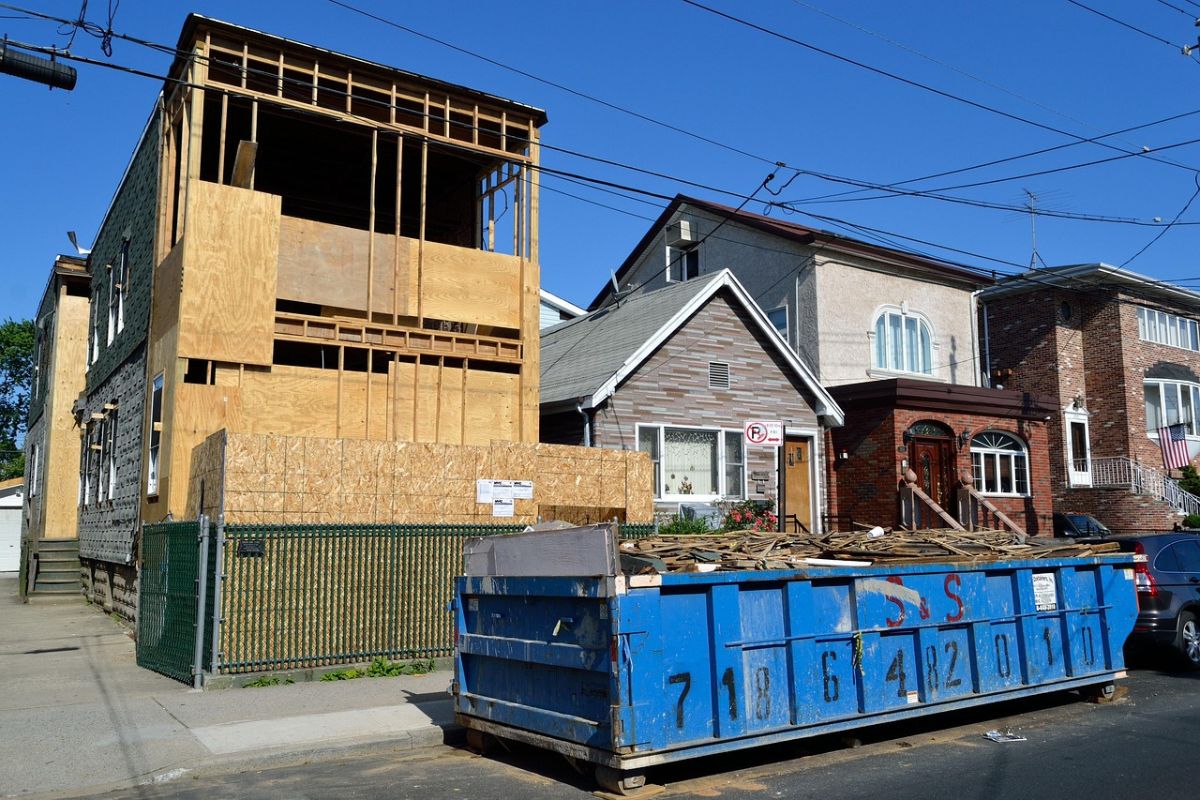
Properties that need work are prime flipping targets. Look for dated kitchens and bathrooms, poor layouts to improve, cosmetic damage to fix, or structural work that adds value.
Predictable renovation costs and end values are key here.
Uninhabitable Property
Banks won’t lend on uninhabitable property. Which creates a great window of opportunity for bridging finance buyers.
Prices are lower than average because most buyers can’t access finance.

Profitable Exit Strategies For Flipping Properties
A strong exit strategy is just as important as your entry strategy.
Every bridging loan needs to have a clear plan for repayment. Or else you’re just gambling with other people’s money. Let’s take a look at the main exit routes…
Sell And Profit
Buy low, renovate, sell high, repay the loan, and keep the profits.
Classic flip strategy! This is the holy grail, but it’s also the riskiest strategy. Property market conditions can change during your holding period. So always have an exit strategy B if you can’t sell the renovated home as fast as you want.
Refinance To Buy-To-Let
If you can’t sell immediately, refinancing to a buy-to-let mortgage is a good option.
This allows you to buy the property, complete the renovations, and then rent it out. Bridging finance also gives you the cashflow you need to buy the right rental property in the right location.
Good for slower markets and/or when the rental yield is attractive after renovation.
Refinance To Residential Mortgage
A residential mortgage works when you want to live in the property after renovations.
Essentially you use the bridging loan to buy, improve, and then refinance to a more standard, cheaper mortgage after the work is done and the property is habitable again.
Suitable for property developers who like to test-live their renovations before selling.
Preparing Your Application
Accuracy is more important than speed when applying.
Remember, lenders want to know that you’ve thought things through. So the following are vital…
Property Details: Purchase price and valuation, renovation plan and costs, expected end value after work, and estimated project timeline.
Financial Information: Deposit proof (usually 25-40% of purchase price), credit history, employment details, exit strategy, and property project experience.
Professional Team: Conveyancing solicitor, surveyor/valuation company, builder/contractor quotes, and estate agent market appraisal.
Prepare these in advance, and you’ll be well on your way to a quick application process and speedy funds.
Bridging Loans For Flipping Properties Bottom Line
Bridging loans open doors that traditional finance can’t.
For property flippers and renovation investors, they give the speed, flexibility, and funding required to buy and transform undervalued properties into profitable assets. The crucial factor is accuracy.
Run the numbers. Do your research. And always allow for surprises in your budget. Then bridging finance is a competitive advantage in today’s property market.
