

Buying a second home in Mexico has become a goal for many Americans and Canadians who want to balance daily life with the warmth and vibrancy of another culture.
With stunning coastlines, mountain towns, and lively cities, Mexico offers options for buyers seeking a holiday retreat, a retirement getaway, or a long-term investment.
The appeal goes beyond affordability, as more regions provide modern infrastructure, quality healthcare, and welcoming communities that make seasonal living easier to manage.
While coastal regions remain popular, historic towns are also gaining attention. For example, real estate in San Miguel de Allende has seen increased demand due to its cultural richness and strong expat community.
Buyers are drawn to its combination of colonial architecture, international dining, and a strong property market.
Similar stories are unfolding across Mexico, and for part-time residents, knowing how to navigate regulations, lifestyle considerations, and financial details is key to making the right decision.
Choosing the Right Location
The first step in buying a second home is selecting a location that matches your goals. Some buyers prefer the beaches of Baja California or the Riviera Maya, where tourism infrastructure makes life convenient.
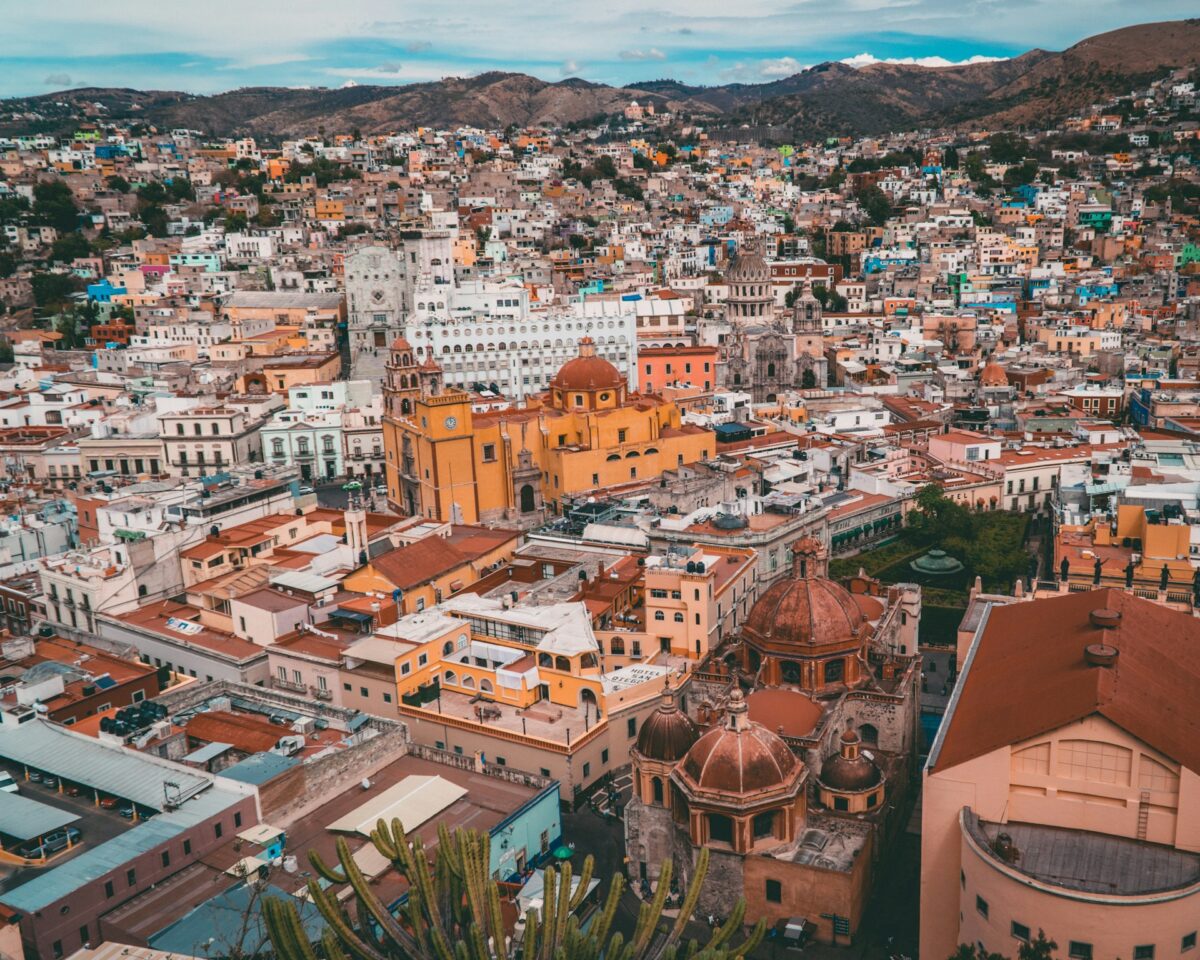
Others look inland for cooler climates, cultural attractions, and a slower pace of life. Towns such as Mérida, Oaxaca, and Morelia appeal to those who enjoy history and tradition alongside affordable living.
Location also influences costs, travel logistics, and long-term property value. Proximity to international airports matters for part-time residents who plan frequent visits.
Lifestyle factors, such as access to medical care, entertainment, and community activities, also carry weight.
Choosing the right place requires balancing your vision of daily life with practical considerations that affect comfort and mobility.
Legal Aspects of Foreign Ownership
Foreigners can buy property in Mexico, but certain areas fall under restricted zones. These include land within 50 kilometers of the coastline and 100 kilometers of the borders.
Buyers in these zones must use a bank trust, known as a fideicomiso, or set up a Mexican corporation.
The fideicomiso is a secure structure that allows foreign buyers to hold rights similar to ownership while complying with Mexican law.
Working with a notario público, a specialized attorney responsible for real estate transactions, is essential. They ensure that the title is clear, taxes are paid, and the property meets legal requirements.
Skipping this step can lead to disputes, so part-time residents should view legal support as a safeguard rather than a formality.
Financing Your Purchase
Most foreign buyers pay cash for property in Mexico since local mortgage options are limited for non-residents.
However, some international banks and developers provide financing solutions for eligible buyers. These usually come with stricter requirements and higher rates than loans in the United States or Canada.
Beyond purchase financing, buyers should plan for ongoing expenses. Annual property taxes in Mexico are lower than in many countries, but maintenance, utilities, and security services can add up, especially if the home is unoccupied for months.
Budgeting realistically ensures that a dream second home remains financially sustainable.
Lifestyle and Community Integration
Living part-time in Mexico offers opportunities to enjoy local traditions, cuisine, and festivals while meeting people from around the world.
Many towns have well-established expat networks, which provide a support system for new arrivals. These networks can help with everything from finding contractors to joining cultural events.
That said, integrating into the local community brings greater rewards. Learning Spanish, participating in neighborhood activities, and supporting local businesses help build meaningful connections.
Buyers who approach their second home as part of a community rather than just a retreat often find the experience more enriching.

Property Management for Absentee Owners
For part-time residents, property management becomes an important consideration. Homes left vacant for months need regular inspections, cleaning, and security checks.
Hiring a local property manager provides peace of mind and ensures that small issues do not become costly problems.
Some owners choose to rent out their homes when away, turning their property into a source of income. Professional management companies can handle bookings, maintenance, and guest relations.
Before renting, owners should review local regulations, as short-term rental rules vary from one region to another.
Healthcare and Insurance Considerations
Mexico’s healthcare system is a major attraction for foreign buyers. Private hospitals in cities like Mexico City, Guadalajara, and Cancún offer high-quality services at costs much lower than in the United States.
Many doctors are bilingual and trained abroad, which makes access easier for expats.
Even so, part-time residents should maintain proper insurance coverage. Some international policies extend to Mexico, while others may require supplemental local plans.
Health coverage is not only a safety measure but also an important part of protecting long-term financial stability when living abroad.
Taxation and Residency Rules
Owning a second home in Mexico can affect your tax obligations in both Mexico and your home country.
Property owners are responsible for annual taxes and capital gains when selling. In some cases, tax treaties help prevent double taxation, but professional advice is recommended.
Residency status also plays a role. Many part-time residents use tourist visas for short stays, but those planning longer stays may benefit from temporary or permanent residency.
Each option comes with different rules regarding work rights, length of stay, and renewal requirements. Consulting with an immigration professional helps avoid complications.
Preparing for Long-Term Value
When buying abroad, part-time residents should think beyond immediate enjoyment. Market trends, infrastructure projects, and community growth all influence property value over time.
Choosing areas with stable demand and strong cultural or natural appeal makes for a safer investment.
Future plans matter as well. A second home may later become a retirement base or a legacy asset for family members.
Preparing with this in mind ensures that the property remains both a lifestyle choice and a sound financial decision.
