
The Big Question: To Remodel or Not to Remodel?
So, you’re thinking about selling your home. You’ve looked around and started noticing all the little things you could fix. Maybe the kitchen feels dated.
Maybe the bathroom could use a facelift. But then comes the million-dollar question: Should you remodel before selling, or just list it as-is?
It’s a tough call. On one hand, updates can make your home stand out and attract better offers. On the other hand, remodeling takes time, money, and patience — and not every upgrade pays off.
The trick is knowing which improvements actually add value and which ones just drain your wallet. Let’s break it down together.
The Real Cost of a Remodel
Before you start sketching out your dream kitchen, let’s talk about the cost of a home remodel — because that’s where reality hits. Remodel expenses can vary wildly.
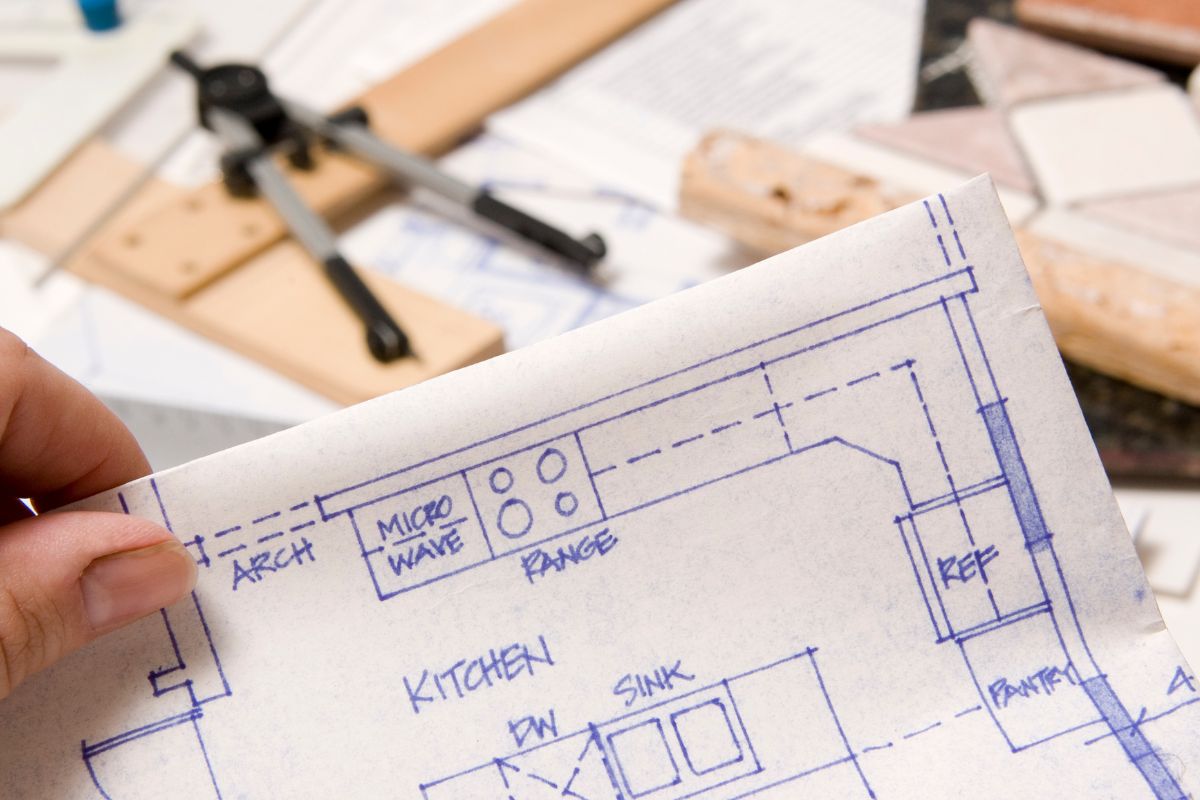
A full kitchen renovation can run anywhere from $20,000 to $70,000 or more. A new bathroom? Maybe $10,000 to $25,000. Even small fixes like painting, replacing flooring, or updating fixtures can add up fast.
What drives these costs? Materials, labor, permits, and sometimes unexpected surprises hiding behind your walls. Plus, where you live plays a big role — contractors in big cities often charge more than those in smaller towns.
If you’re thinking about remodeling before selling, get multiple quotes. Talk to a few contractors. Compare what’s essential with what’s just “nice to have.”
It’s not just about making your home prettier — it’s about making smart choices that pay off when buyers come knocking.
Careful budgeting for a home remodel helps you avoid financial stress and ensures your upgrades make sense for your selling goals.
ROI: Understanding What You Get Back
ROI, or Return on Investment, is the magic number that tells you whether your remodel is worth it. Here’s the truth: you’ll rarely get every dollar back.
Most remodeling projects bring a partial return. For example, a minor kitchen remodel might recoup around 75–85% of its cost. Bathroom upgrades tend to be similar.
Even something as simple as a new garage door — which boosts curb appeal — can have one of the best ROIs of all, often around 90% or more.
The key is focusing on improvements that buyers see and feel. They care about how the home looks, smells, and functions — not whether your tile grout is imported from Italy. Small, practical changes usually yield better ROI than major overhauls.
Think of it this way: buyers fall in love with homes that look move-in ready, not necessarily homes that just underwent a $100,000 renovation.
Remodels That Really Pay Off
If you’re going to invest in remodeling before selling, target the projects that deliver the biggest punch.
1. Kitchens Sell Homes
You don’t need to gut everything. Replacing outdated appliances, painting cabinets, or adding new hardware can go a long way.
2. Bathrooms Matter
Modern lighting, fresh tile, and a clean vanity can make the space feel new — even if you don’t replace the tub.
3. Curb Appeal Counts
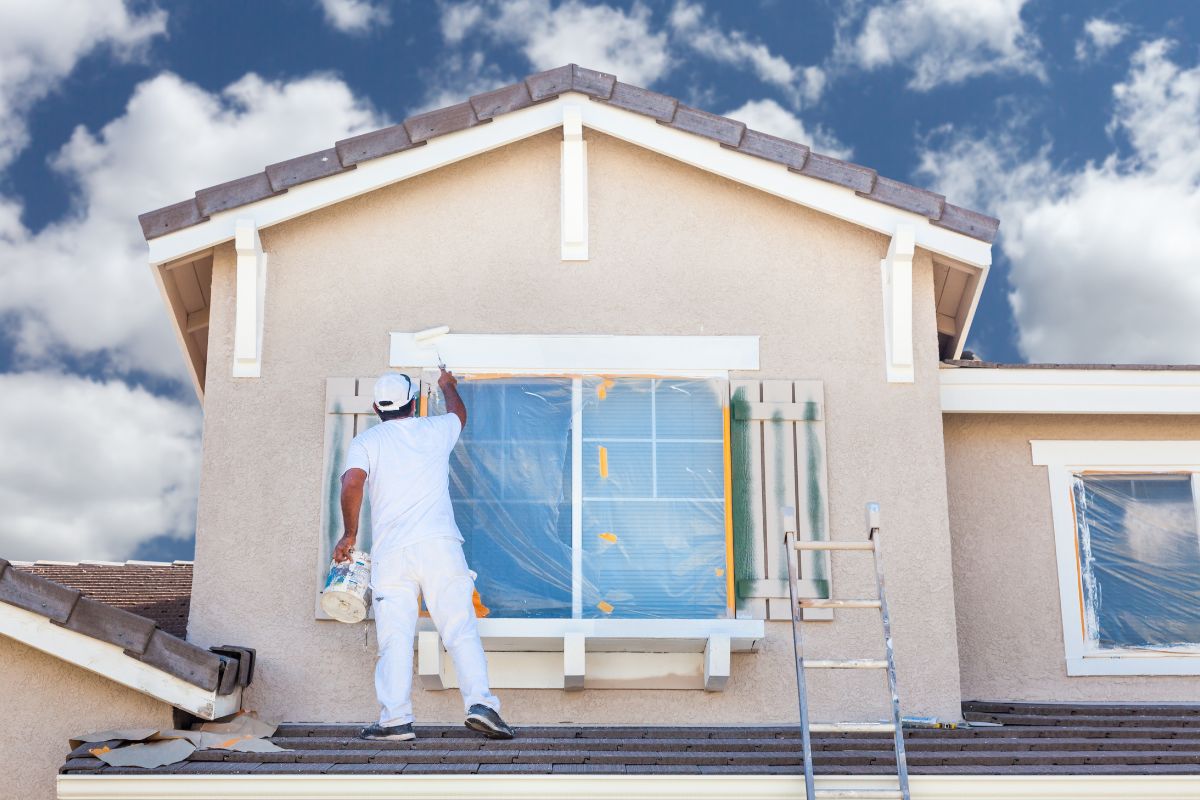
First impressions are everything. A fresh coat of paint, new landscaping, or a modern front door can raise your home’s perceived value instantly.
4. Energy-Efficient Upgrades
New windows, insulation, or lighting can attract eco-conscious buyers and even boost appraisal value.
Remember, the goal isn’t perfection — it’s presentation. You want buyers to walk in and think, “I could see myself living here.”
When Remodeling Isn’t Worth It
Sometimes, it’s just not worth it. Maybe the market is hot, and homes are selling fast, no matter their condition.
Or maybe your home needs major repairs — like a new foundation or roof — that would eat into your profits.
This is where many sellers fall into what’s called the over-improvement trap — when you spend $50,000 upgrading your kitchen in a neighborhood where homes barely break $300,000. Buyers won’t pay more just because your countertops are granite.
Also, consider timing. If you need to sell quickly, taking on a remodel might delay your listing by months.
In those cases, minor updates — cleaning, staging, and simple fixes — might make more sense than full renovations.
How the Market Changes Everything
Here’s the thing: the market has a huge say in whether remodeling is a good move.
In a seller’s market, where demand is high and inventory is low, homes often sell fast — even if they’re outdated. You might not need to lift a hammer.
But in a buyer’s market, when there’s more competition, updated homes have an edge. Buyers are pickier when they have options, and small improvements can help your property stand out.
Location matters, too. A remodel that’s valuable in one region might not add much in another. For example, outdoor living spaces might boost value in warm climates, while finished basements are a bigger deal up north.
Before spending a dime, talk to a local real estate agent. They’ll know what’s trending with buyers in your area and which upgrades actually make a difference.

Head vs. Heart: The Emotional Side of Remodeling
Let’s be honest — selling your home is emotional. You’ve made memories there, and it’s easy to want it to look “perfect” before you hand over the keys. But buyers aren’t buying your memories; they’re buying potential — their version of the dream.
It’s natural to want your home to shine, but try to think like an investor. Focus on what adds value, not what satisfies sentiment. A fresh coat of neutral paint might not excite you, but it helps buyers imagine themselves in the space.
Your home doesn’t have to be flawless — just appealing, clean, and move-in ready. Let go of perfection and think practical.
Making the Call: How to Decide What’s Worth It
If you’re still unsure whether to remodel or not, here’s a simple framework to guide your decision:
- Assess your home’s current condition. Make a list of what’s outdated, what’s damaged, and what’s just cosmetic.
- Get realistic cost estimates. Talk to contractors, compare bids, and calculate your potential expenses.
- Do a market check. Look at similar homes in your area — are they updated or not? How fast are they selling?
- Run the numbers. If a $15,000 bathroom remodel might only raise your home’s value by $10,000, it’s probably not worth it.
- Ask a pro. A good agent can help you decide which projects will actually help your listing stand out.
Sometimes, a deep clean, a little paint, and good staging can transform a home more than a renovation ever could.
Final Thoughts: Remodel with Purpose, Not Pressure
At the end of the day, remodeling before selling is a balancing act. You’re weighing potential profit against time, effort, and uncertainty. Some projects can absolutely help you sell faster and for more money. Others? Not so much.
The key is to remodel strategically — not emotionally, not impulsively. Understand the cost of a home remodel, know your market, and focus on upgrades that make financial sense.
Selling your home is one of the biggest financial moves you’ll make. Approach it with the same care you’d give any investment.
Do your homework, trust your instincts, and remember: sometimes less is more. A clean, well-maintained, thoughtfully presented home can shine brighter than one that’s been renovated from top to bottom.
So before you pick up that paintbrush or call the contractor, ask yourself: Is this for the buyer — or for me? The answer might save you thousands.
