

A home is an inviting space where water heaters should be available whenever needed.
Fortunately, there are plenty of options available today, where the traditional ones have large, insulated tanks that can provide hot water on demand, while there are tankless options that are more compact.
If you’re considering buying one, know that there are a lot of models available. On the bright side, selecting the best ones can mean that your morning routines can be seamless, and this is going to keep the entire household running without a hitch.
These systems exist to provide a steady stream of hot water, and fortunately, they can now do so without blowing the electricity bill.
The entire system has a fuel source that can be gas-powered, while some on-demand mechanisms rely on the electric grid to work.
Each component works together to bring comfort to the people inside the home whenever they want a warm shower after a tiring day at work.
What Are the Different Energy Sources Available?
The type of fuel in a unit will dictate how it’s going to perform and the costs of the entire operation.
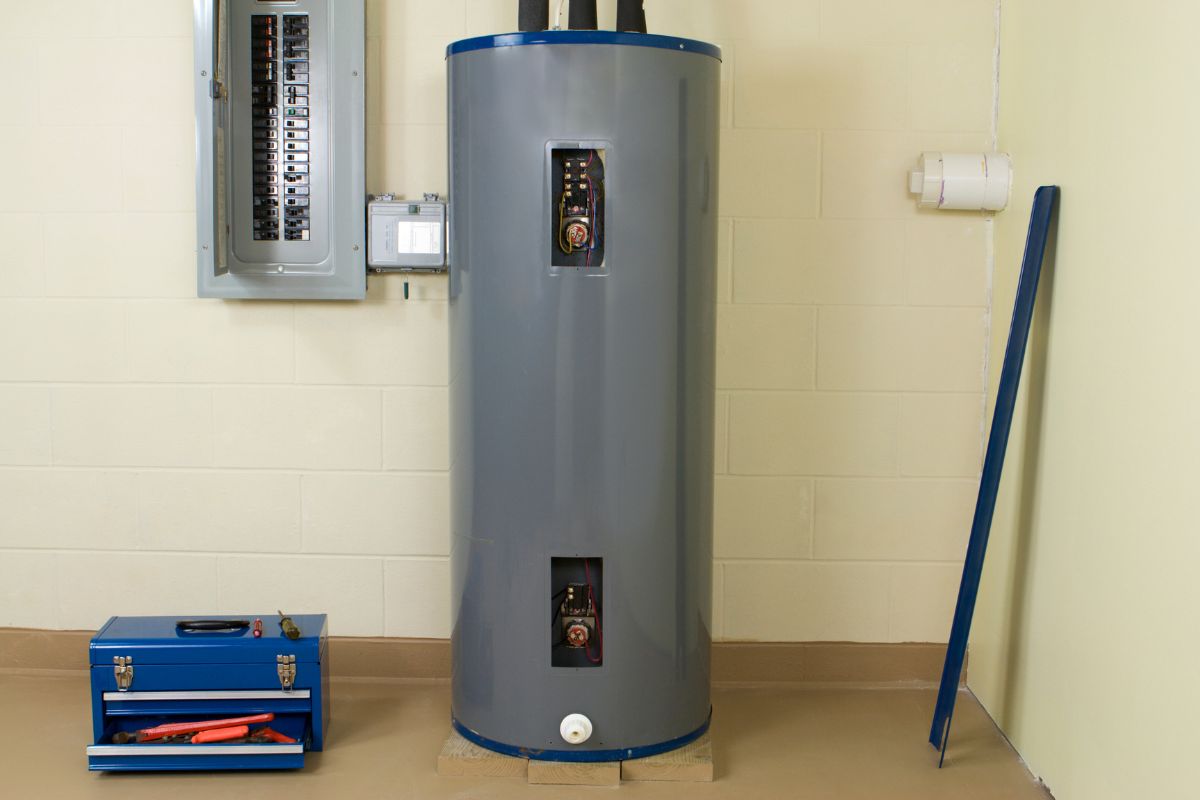
Generally, many households prefer natural gas like the gas water heater with AO Smith because it has a strong capability to heat water, and they have cheaper operating expenses.
On the other hand, electric units are great when gas pipes are unavailable, and they’re simple to install.
Then, there are hybrid options in the form of heat pumps that draw the warm air from the environment and use it to heat water.
They’re often more energy-efficient, and they can result in great savings for many households. It’s important to select the ones that are going to be adequate for the size of the household, so the system can match the occupants’ daily habits in the long run.
Matching the Capacity of the System
Sizing the water heating system will mean that the buyer will need to determine their family’s peak usage patterns.
Multiple bathrooms will need bigger tanks as well as a faster recovery rate, so there’s little to no interruption in hot water that you can read more info here.
On the other hand, a small family with one child can get a compact on-demand unit that can comfortably meet their needs.
If needed, call the professionals for a better assessment so they can provide some advice on what kind of water heating system to use.
They’re going to help evaluate if the plumbing layout is adequate enough for a specific brand, and they’re going to recommend the appropriate sizes to avoid unnecessary energy waste.
Installation Factors That Influence Performance
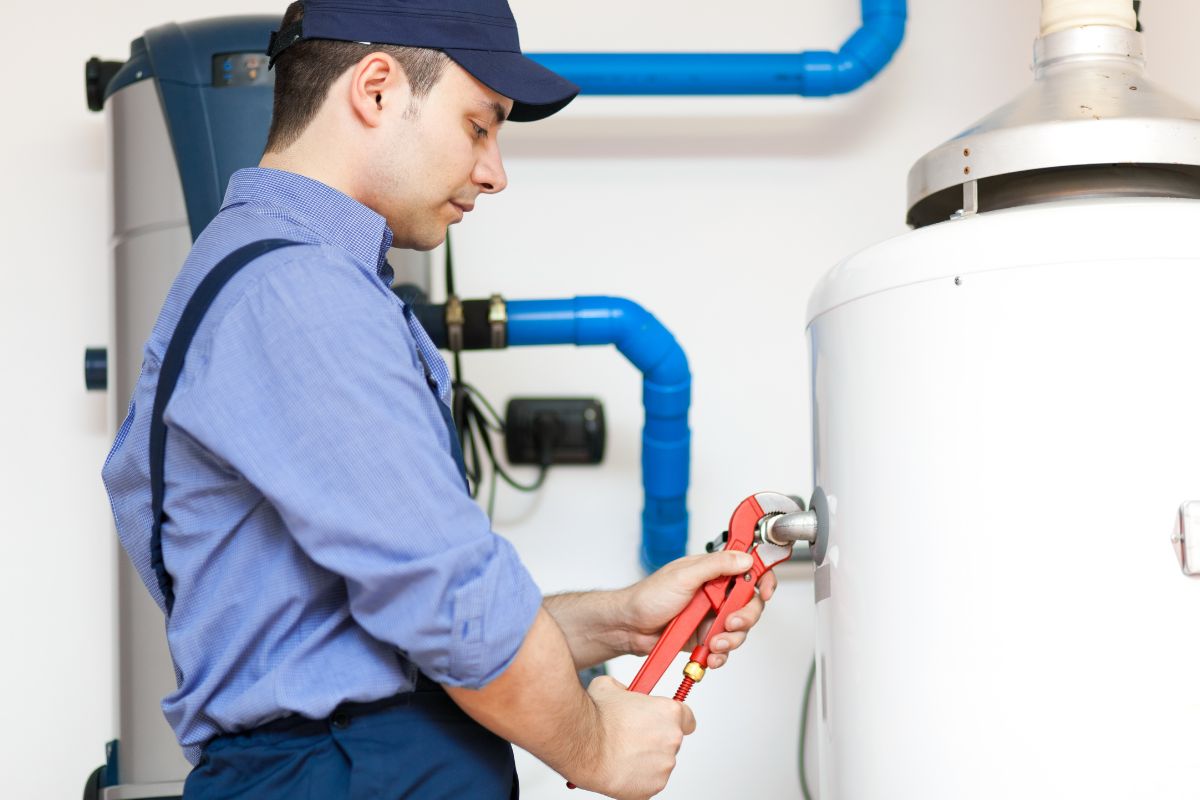
Also, even the most advanced systems are going to depend on proper installation, where the placement can allow adequate clearance for maintenance services down the road.
For example, the gas-powered units are carefully designed with a venting system that aims to remove combustion byproducts inside the home.
The integrity of the connection can play an important role as well, where properly fitted water connections can contribute to a more stable operation.
When the installation is able to follow the manufacturer’s recommendations as well as the local building codes, the entire system can remain safe over the long term.
Maintenance Practices That Protect Longevity
After everything is in place, homeowners need to maintain the entire system to extend the lifespan of the equipment.
This is because over time, the minerals may settle at the bottom of the tank, and this is where a lot of trouble can happen.
It can result in hard water, and it can reduce the effectiveness of the heating system, which can increase a household’s utility bills.
It’s best to flush the tank periodically to remove buildup and to help maintain the optimal output needed to continue supplying the household.
Safety features should also be checked, when necessary, to ensure that the relief valves operate correctly to protect the unit from pressure accumulation.
It’s best to consult an HVAC (encyclopedia.pub) technician for these instances to make sure that the water heater remains safe to use.
The System Should Provide Comfort but Stay Efficient
Ratings from regulatory bodies are going to help consumers determine whether the water heater is energy-efficient enough.
When the model is able to operate at peak capacity during high demand, it’s going to result in overall satisfaction inside the home.
The setting of the thermostat also offers another avenue where comfort doesn’t have to translate to higher costs.
A slight adjustment can significantly reduce fuel consumption in some models, and it can often be enough to be used to wash hands on the taps.
For more savings, homeowners should also consider enhanced insulation so there’s less heat that’s lost between cycles.
Buyers should read technical specifications and choose a dependable system with widely available replacement parts so they can use their heaters for a very long time.
