
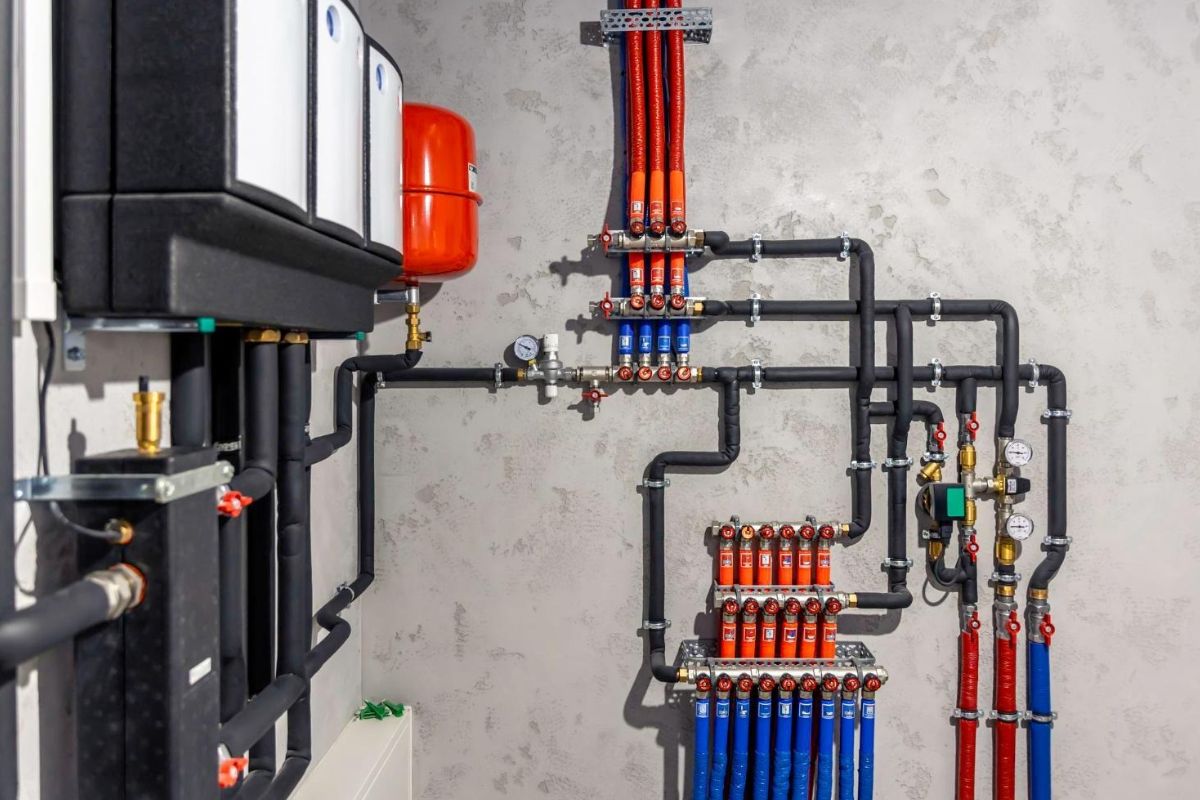
Hot water is one of the most overlooked conveniences of modern life. It flows effortlessly from taps and showers, providing comfort, sanitation, and functionality throughout the home.
Yet behind this everyday convenience lies a surprisingly complex combination of engineering, thermodynamics, and infrastructure design.
Water heating systems account for a significant portion of residential energy consumption worldwide. According to energy efficiency studies, heating water can represent one of the largest energy demands within a typical household, second only to space heating in many regions.
As a result, improving water heater technology has become an important focus for engineers and environmental researchers seeking to make homes more energy efficient.
Understanding how water heating systems work, and how modern designs improve efficiency, can help homeowners make better decisions when installing or upgrading their systems.
The Basics of Water Heating Technology
At its core, a water heater performs a relatively simple task: it transfers heat energy to water so that it can be stored or delivered for household use.
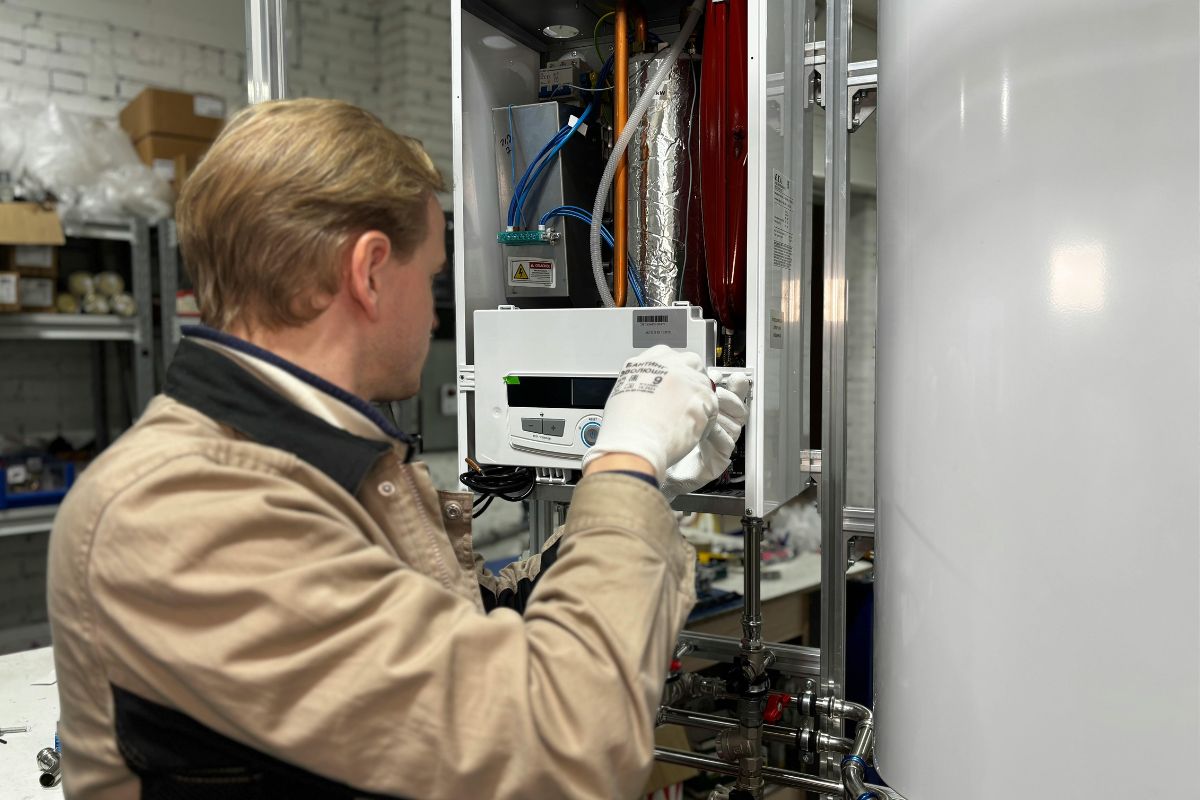
However, the methods used to accomplish this task vary widely depending on the type of system installed.
Traditional storage tank water heaters remain the most common option in many homes. These systems heat water within an insulated tank and maintain it at a preset temperature until it is needed.
When a tap is opened, heated water flows from the tank while cold water enters the system to be warmed.
While reliable and widely available, traditional tank heaters continuously expend energy to keep water warm, even when it is not being used.
This phenomenon, known as standby heat loss, is one reason why engineers have worked to develop more efficient alternatives.
The Importance of Choosing the Right System
Selecting the appropriate water heater involves several factors, including household size, energy efficiency goals, installation costs, and available space.
Homes with larger families may benefit from higher-capacity systems, while smaller households may prioritize efficiency and compact design.
Because these decisions can be complex, homeowners often consult detailed resources that explain the technical differences between various systems.
Guides such as the Santa Cruz water heaters info guide help break down the advantages and limitations of different water heater technologies, allowing homeowners to evaluate which system best fits their needs.
By understanding how various systems operate, consumers can make informed choices that balance cost, performance, and long-term energy savings.
Tankless Systems and On-Demand Heating
One of the most significant innovations in recent years is the development of tankless water heaters. Instead of storing heated water in a tank, these systems warm water instantly as it passes through the unit.
The key advantage of tankless technology lies in its efficiency. Because water is heated only when needed, the system avoids the standby energy losses associated with traditional tanks.
This can lead to lower energy consumption over time, especially in households with moderate or intermittent hot water usage.
Tankless systems also offer the benefit of continuous hot water supply. Since the unit heats water on demand, homeowners are less likely to run out of hot water during long showers or when multiple appliances are in use simultaneously.
However, these systems may require upgrades to gas lines or electrical systems depending on the home’s infrastructure, which is why careful planning and professional guidance are often recommended.
Energy Efficiency and Environmental Impact
Improving water heater efficiency is not only beneficial for homeowners but also for the environment.
Energy-efficient appliances reduce overall energy demand, which in turn lowers greenhouse gas emissions associated with electricity generation and fossil fuel consumption.
Organizations such as the U.S. Department of Energy regularly publish research and guidelines on residential energy efficiency, including recommendations for water heating systems.
Their studies highlight how modern high-efficiency models can significantly reduce energy usage compared to older units.
For example, improvements in insulation materials, heating elements, and temperature control systems have allowed manufacturers to produce water heaters that maintain performance while consuming less energy.
Some advanced systems also incorporate heat pump technology, which extracts heat from the surrounding air to warm water.
These systems can be remarkably efficient, though they tend to work best in warmer climates or in spaces where sufficient ambient heat is available.
Smart Technology and Water Heating
The growing adoption of smart home technology has introduced another layer of innovation to water heating systems.
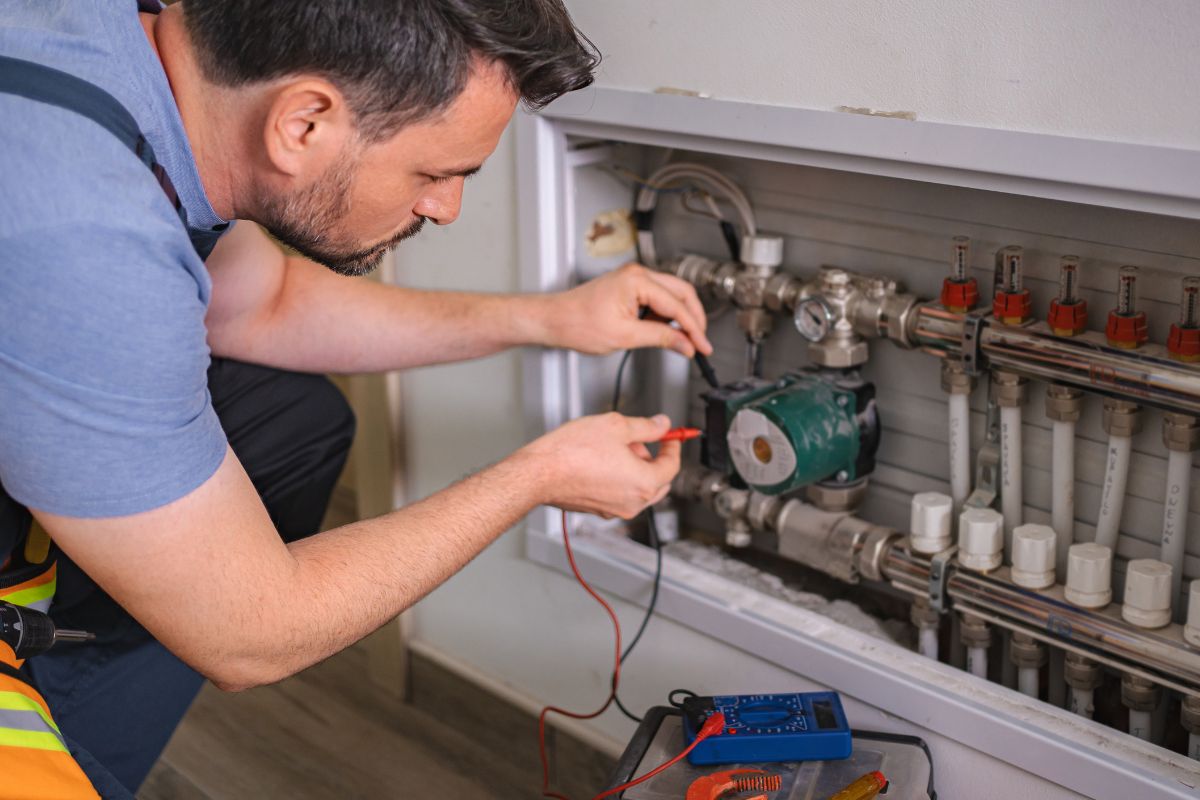
Smart thermostats and connected appliances now allow homeowners to monitor and control water heater settings remotely through mobile apps or integrated home management platforms.
These systems can adjust heating schedules based on household routines, reducing energy consumption during periods when hot water demand is low.
For example, a smart water heater might automatically lower its temperature during the night or while residents are away from home, then restore optimal settings shortly before peak usage times in the morning or evening.
Many modern units also incorporate sensors and diagnostic tools that monitor system performance in real time.
If irregularities occur, such as temperature fluctuations, pressure issues, or unusual energy consumption, homeowners can receive alerts that encourage early maintenance before minor problems develop into costly repairs.
In some homes, smart water heaters are already integrated into broader energy management systems that coordinate heating, cooling, and appliance use across the entire household.
By sharing data with other connected devices, these systems can help optimize overall energy efficiency while maintaining consistent comfort for residents.
As smart home ecosystems continue evolving, water heating systems are likely to become even more responsive and adaptive.
Over time, these technologies may play a significant role in helping households reduce energy consumption while improving the reliability and convenience of everyday home infrastructure.
Maintenance and Longevity
Even the most advanced water heater requires proper maintenance to operate efficiently over the long term.
Mineral buildup, sediment accumulation, and corrosion can gradually reduce performance if systems are not maintained properly.
Regular flushing of storage tanks, inspection of heating elements, and monitoring of pressure relief valves can extend the lifespan of a water heater significantly.
These routine steps help ensure that the system continues operating safely while maintaining its energy efficiency.
Homeowners who understand how their water heating system works are often better equipped to recognize early warning signs of potential problems, such as inconsistent temperatures or unusual noises.
Looking Ahead
Water heating technology will likely continue evolving as researchers pursue more sustainable solutions for residential energy use.
Improvements in materials science, energy storage, and renewable energy integration may lead to systems that operate with even greater efficiency.
Solar-assisted water heaters, for example, already allow homeowners to harness sunlight as a supplemental energy source.
When combined with high-efficiency heating systems, these technologies can significantly reduce reliance on conventional energy sources.
While hot water may seem like a simple household necessity, the systems that produce it represent an important intersection of engineering, environmental science, and modern home design.
As technology continues advancing, the humble water heater may play a larger role in the broader effort to create more efficient and sustainable homes.
